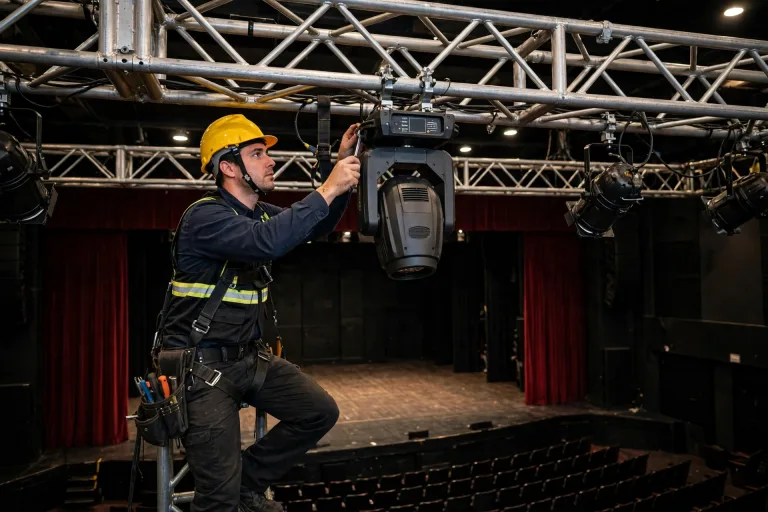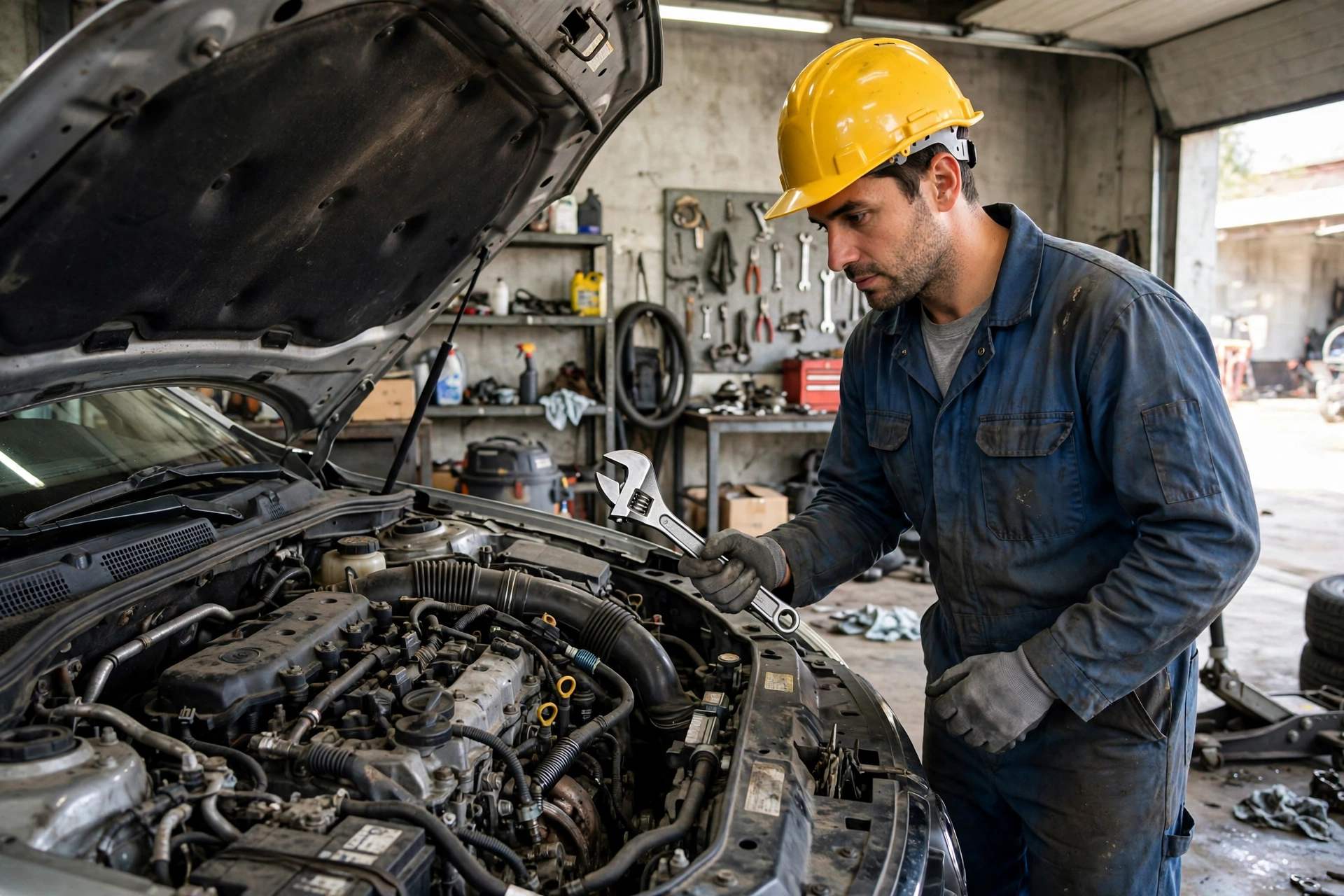
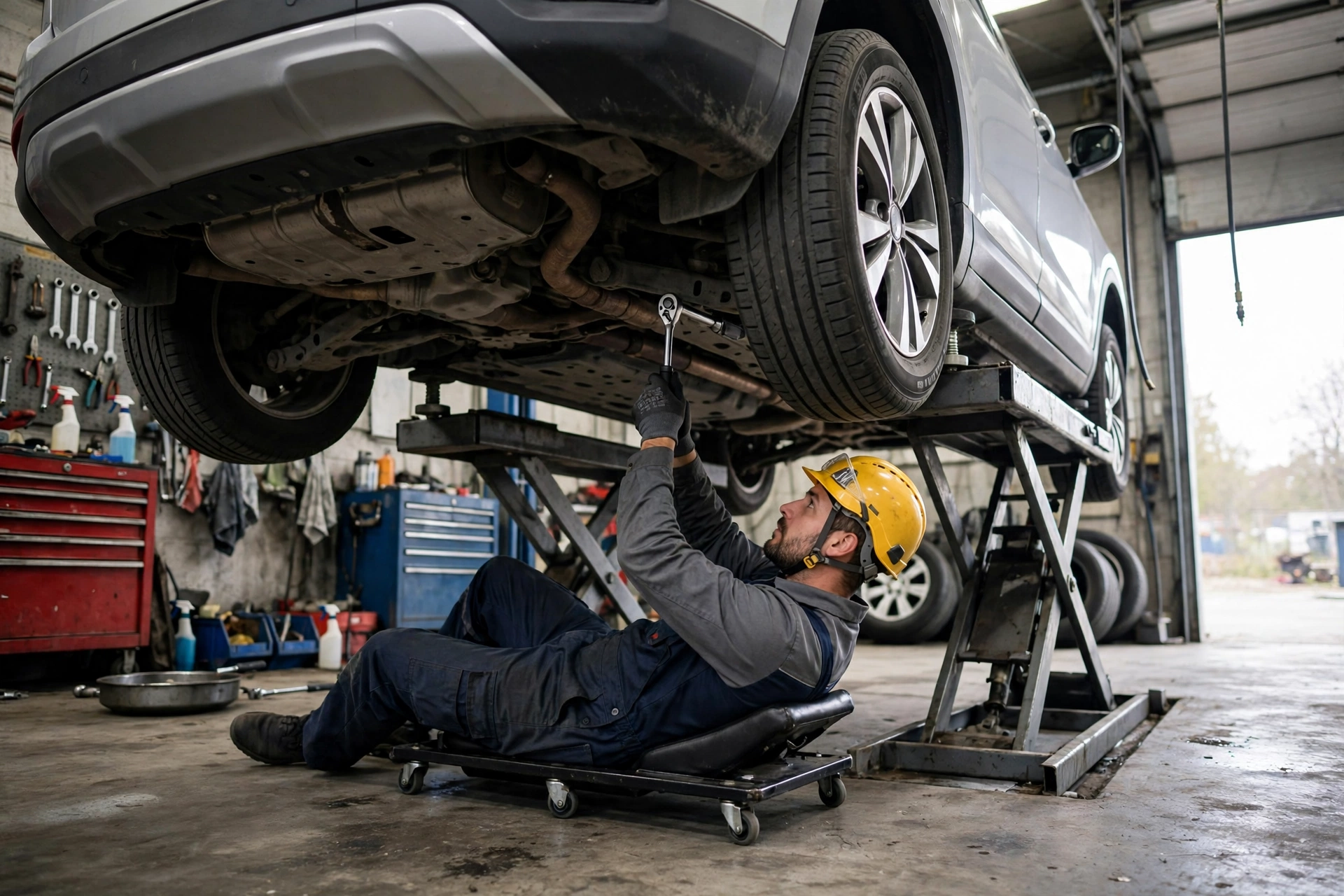
A helmet for auto mechanics is a hard hat or bump cap worn to protect the head from knocks under a car, falling tools, and parts in a garage, and in general terms it should be worn whenever there is a risk of bumping or striking the head. Auto mechanics spend much of the day under vehicles on a ramp, in a pit, or lying on a creeper, and the space above them is full of sharp edges, hot exhaust parts, and tools. A helmet is a useful piece of safety equipment in that setting, because a knock to the head on a chassis rail or a dropped spanner can cause a painful injury.
Many mechanics move between jobs during a single shift, from the ramp to the parts store to the yard where cars are parked and moved. A helmet that is worn through the working day gives the best protection, because a head knock in a garage often happens in a quick, ordinary movement that nobody planned for.
Why do auto mechanics need a helmet?
Auto mechanics need a helmet because they work in tight spaces under heavy vehicles, where the head is close to hard metal all day. A mechanic on a ramp can bump their head on a suspension arm, an exhaust bracket, or a sharp edge of the underbody, and a mechanic in a pit can stand up into a part they did not see. These knocks may seem small, but a hard blow can cause a cut, a bruise, or a concussion, and repeated small knocks are no better.
There is also the risk of things falling from above. Tools left on top of an engine can slide off, a part being removed from a car can drop, and items stored on high shelves in the workshop can be knocked down. A helmet helps to take the force of a falling spanner or a dropped part, and a brim helps to keep oil and dirt out of the hair and the eyes. In general terms, a helmet is a simple way for a mechanic to protect their head, and it should be treated as part of the job, not an optional extra.
What kind of helmet is best for auto mechanics?
The best helmet for auto mechanics is, in general terms, one that suits the work being done and fits the mechanic well. For work under a car, many mechanics choose a bump cap, which is a light cap with a hard shell inside that protects against bumps and scrapes on low ceilings and chassis parts. Where something could fall from a height, such as in a parts store, a full hard hat gives stronger protection.
Some mechanics also need their helmet to work with other gear, such as safety glasses, ear defenders, or a head torch, and many helmets have slots or clips for these. A low-profile helmet is often a good choice in a garage, because a bulky helmet can catch on a chassis rail or a ramp arm when the mechanic moves under a car. The helmet should be chosen for the real work being done, and the mechanic should check the workshop rules before buying, because some garages ask for a particular type to be worn.
How should a helmet for auto mechanics fit?
A helmet for auto mechanics should fit snugly, sit level on the head, and stay in place when the mechanic bends down, reaches up, or slides under a car. The fitting should be adjusted so the shell sits evenly, and the chin strap, where one is fitted, should be fastened whenever the mechanic is working under a vehicle or moving around the workshop. A strap left loose lets the helmet slide or fall off, and a helmet on the floor is no help at all.
The fit should be checked with the other gear the mechanic will wear, such as safety glasses, ear defenders, or a head torch, because these can change how a helmet sits. Glasses with thick arms can push the fitting out of place, and a head torch that is too heavy can pull the helmet forward. The mechanic should also check that the helmet does not block their hearing or their view, because a mechanic needs to hear a colleague’s warning, a running engine, or a tool dropping nearby.
When should an auto mechanic wear a helmet?
An auto mechanic should wear a helmet whenever they are working under a vehicle, in a pit, or in any area where the head could strike something hard or where something could fall. That covers most of the working day in a garage, from the ramp to the parts store to the yard. A helmet should be put on before the job starts, not after the first knock, because the knock is the warning that comes too late.
There are times when a helmet may not be needed, such as sitting at a desk writing up a job card, and the mechanic should use their judgement and follow the workshop rules. In general terms, though, if the head is near hard metal, under a raised car, or below a shelf of heavy parts, a helmet should be on.
How should an auto mechanic look after their helmet?
An auto mechanic’s helmet should be looked after with regular cleaning and sensible storage, in the same way as any work helmet. After a shift, the mechanic should wipe the shell clean of oil, grease, and dirt, and let the lining air out before the next day. The shell should be checked for cracks, dents, or damage, and the fitting should be checked for fraying or stretched straps.
The helmet should be stored in a cool, dry place, away from direct heat, sunlight, and chemicals, and kept in a bag or on a hook when it is not in use. It should not be left on a hot engine, near a welding torch, or in a place where it can be knocked to the floor. In general terms a helmet that has taken a serious impact should be replaced rather than used again. Mechanics who want to learn more about features that can help in a blow to the head may also want to read about a system designed to reduce rotational forces, such as MIPS, which is found in some work and sport helmets. A well-kept helmet, worn on every job, gives an auto mechanic the best chance of going home safe.
Do auto mechanics have to wear a helmet?
Auto mechanics should wear a helmet whenever they are working under a vehicle or in an area where something could fall on their head, and in general terms most workshops ask for one to be worn on the shop floor.
Is a bump cap enough for a mechanic?
A bump cap protects against bumps and scrapes under a car, but in general terms it gives less protection than a hard hat against falling objects, so a mechanic should use a hard hat where something could fall from a height.
When should a mechanic’s helmet be replaced?
A mechanic’s helmet should be replaced after a hard impact or a serious knock, or when it shows cracks, dents, or a worn-out fitting, or no longer fits well. When in doubt, replace it rather than keep working in it.

Olivia
Writer at Helmet Today, covering helmet reviews, fit and riding safety.