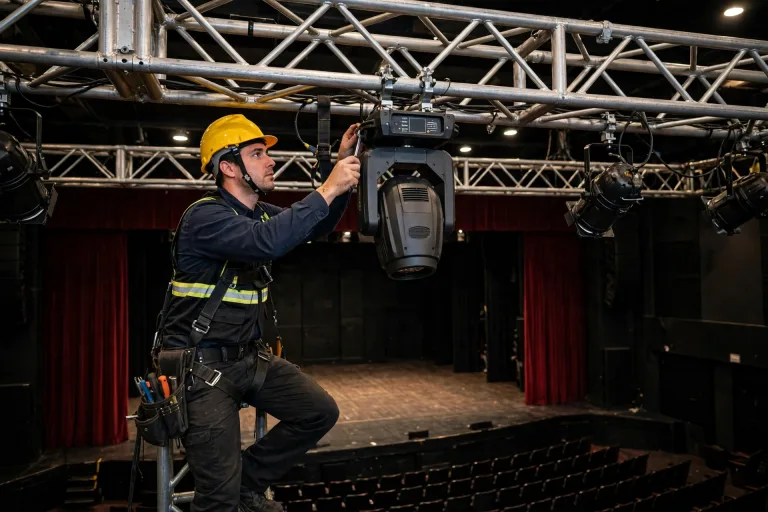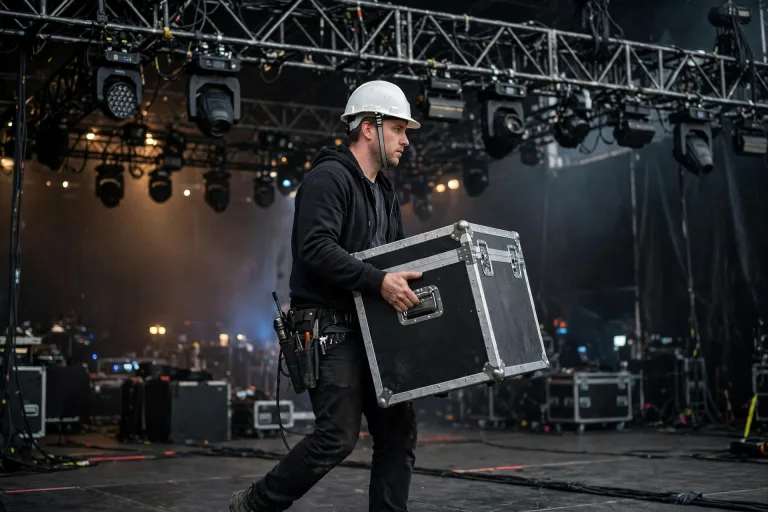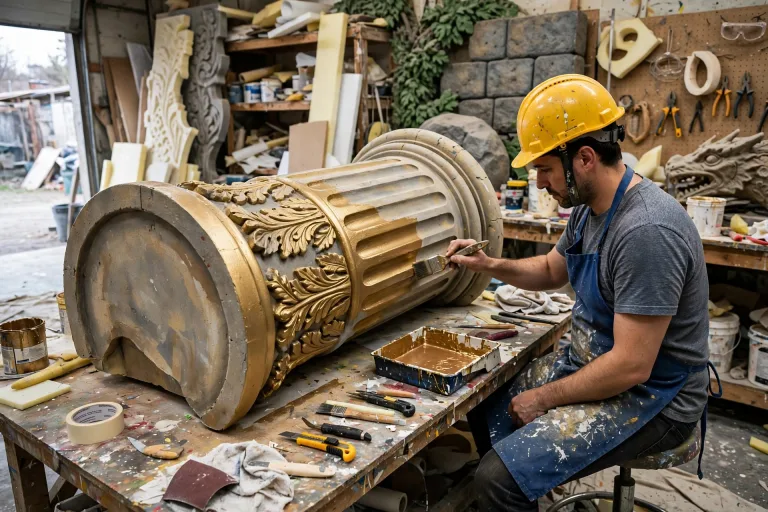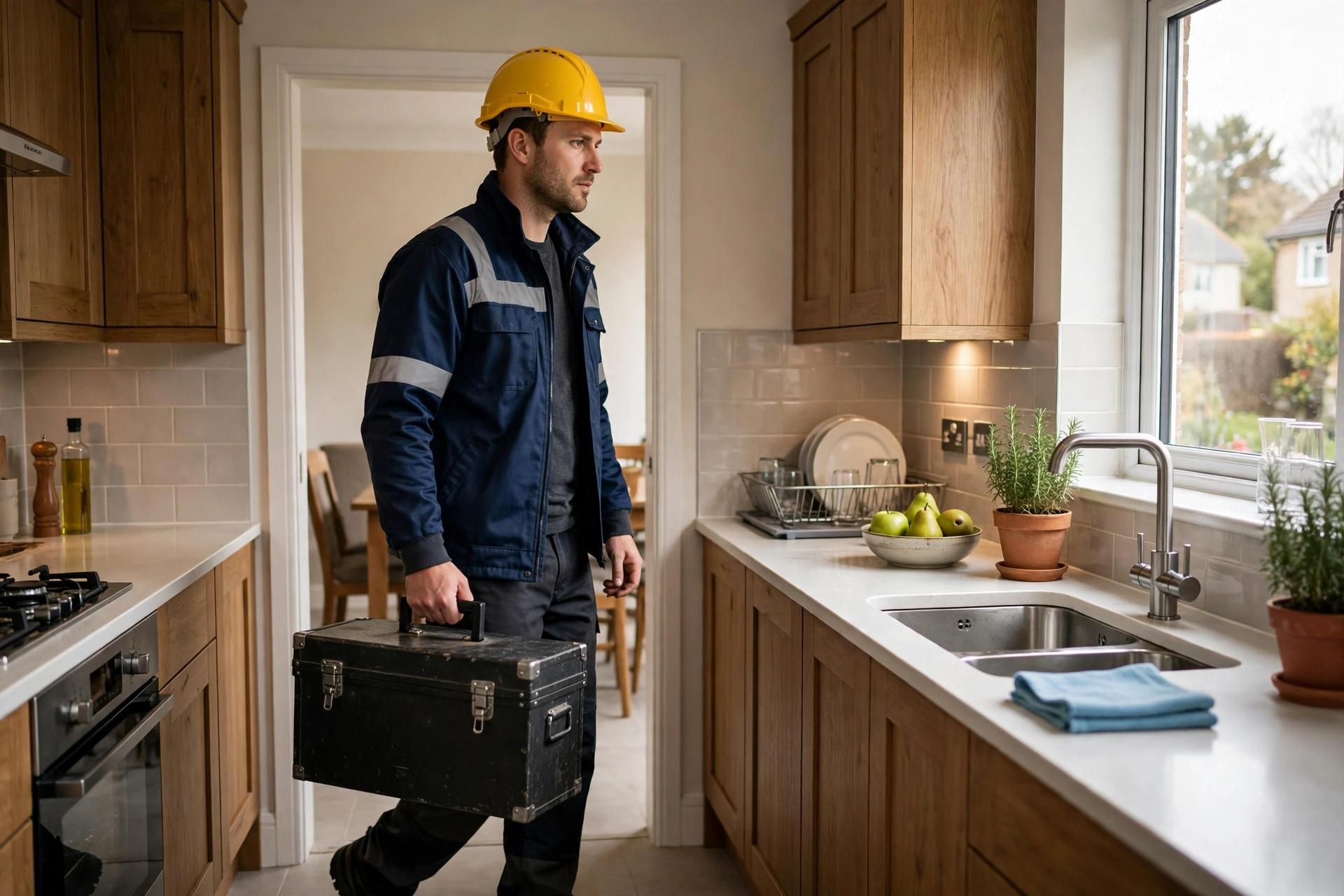
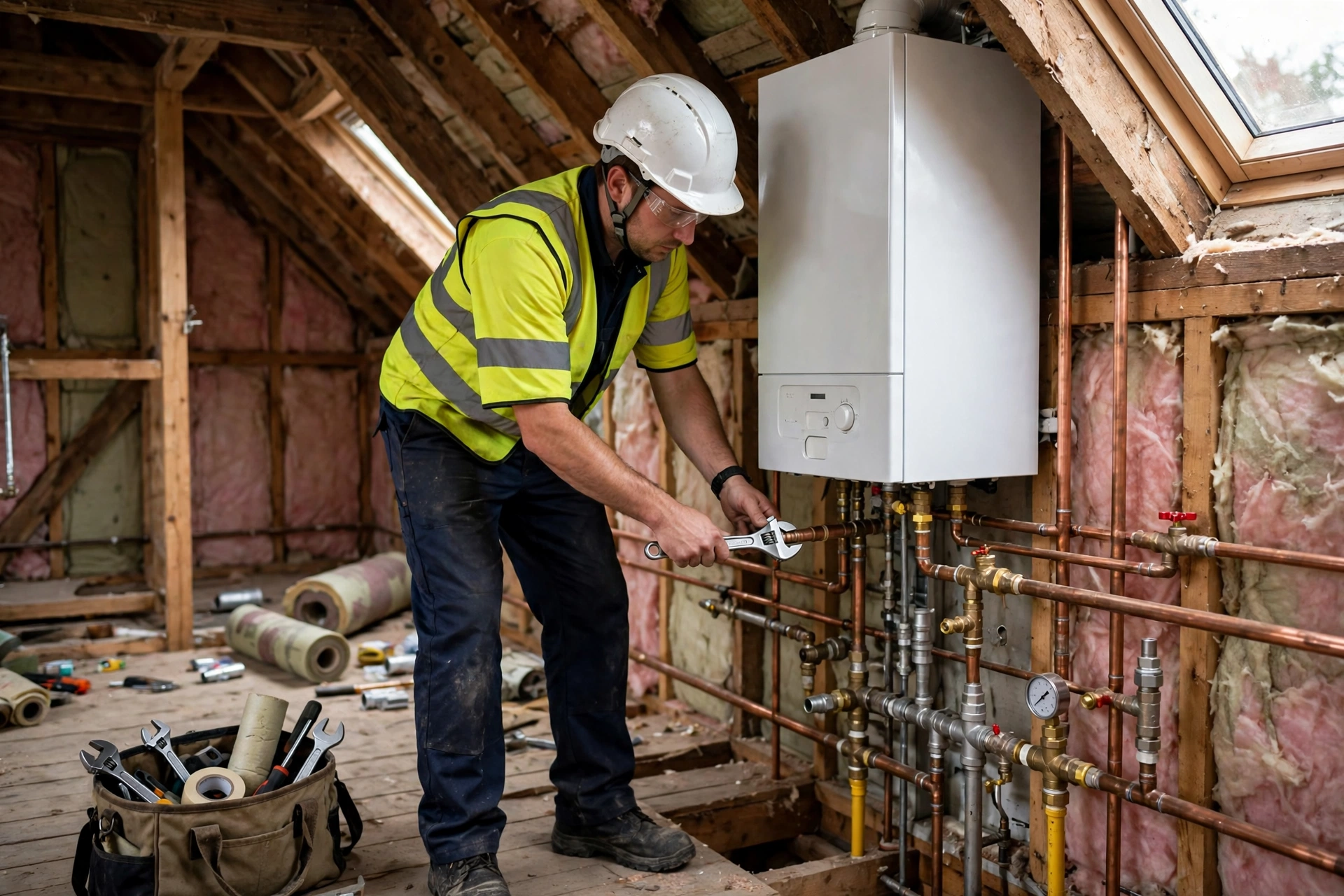
A helmet for gas engineers is a hard hat worn to protect the head from falling objects, knocks, and debris on site, and in general terms it should be worn whenever there is a risk of something striking the head. Gas engineers work in homes, plant rooms, and on construction sites, fitting and servicing boilers, pipes, and heating systems. Much of that work happens in lofts, basements, and cupboards, or on sites where other trades are working overhead. A helmet is a basic piece of safety equipment in that setting, because a blow to the head from a falling tool or a low beam can cause a serious injury.
Many gas engineers move between very different places during a single day, from a customer’s kitchen to a plant room to a building site. A helmet that is carried on every call and worn whenever the risk is there gives the best protection, because a head injury can happen on an ordinary job that looked safe at first glance.
Why do gas engineers need a helmet?
Gas engineers need a helmet because they work in tight and awkward spaces where the head is close to hard surfaces all day. A boiler fitted in a loft means ducking under joists and roof timbers, a plant room means pipes and valves at head height, and a basement means low ceilings and sharp edges. A knock on a joist or a pipe may seem small, but a hard blow can cause a cut, a bruise, or a concussion, and repeated small knocks are no better.
There is also the risk of things falling from above, above all on construction sites and in buildings being worked on. Tools, offcuts, and materials can be knocked off a scaffold or a shelf, and another trade working overhead can drop something without warning. A helmet helps to take the force of a falling object, and a brim helps to keep dust and debris out of the hair and the eyes. In general terms, a helmet is the first line of defence for a gas engineer’s head, and it should be treated as part of the job, not an optional extra.
What kind of helmet is best for gas engineers?
The best helmet for gas engineers is, in general terms, a hard hat that meets the safety standard used on the site and fits the engineer well. Most gas engineers choose a standard hard hat with a suspension system inside, because it spreads the force of a blow across the head and keeps the shell away from the skull. A short brim at the front helps to shade the eyes and to deflect falling debris, while a full brim gives extra cover for the neck and the ears.
Some gas engineers also need their helmet to work with other gear, such as a head torch, safety glasses, or ear defenders, and many hard hats have slots on the sides or a clip at the front for these. A head torch is often essential in a dark loft, so the helmet should hold one firmly. The helmet should be chosen for the real work being done, and the engineer should check the site rules before buying, because some sites ask for a particular type or colour.
How should a helmet for gas engineers fit?
A helmet for gas engineers should fit snugly, sit level on the head, and stay in place when the engineer bends down, reaches up, or crawls into a tight space. The suspension should be adjusted so the shell sits a little above the head, with an even gap all round, and the chin strap, where one is fitted, should be fastened whenever the engineer is on a site or working overhead. A strap left loose lets the helmet slide or fall off, and a helmet on the floor is no help at all.
The fit should be checked with the other gear the engineer will wear, such as a head torch, safety glasses, or ear defenders, because these can change how a helmet sits. A head torch that is too heavy can pull the helmet forward, and glasses with thick arms can push the suspension out of place. The engineer should also check that the helmet does not block their hearing or their view, because a gas engineer needs to hear a colleague’s warning, a gas alarm, or a shout from below.
What should a gas engineer check before wearing a helmet?
Before wearing a helmet, a gas engineer should check the shell for cracks, dents, or damage, and check the suspension for fraying or stretched straps. The helmet should be clean, dry, and free of oil or chemicals, and the fitting should be adjusted to the engineer’s head before the job starts.
The engineer should also check that the helmet is the right one for the site, because some sites ask for a particular type or colour, and a helmet that does not meet the site rules may not be allowed. In general terms a helmet that shows damage should be replaced rather than kept in use. A helmet is a piece of safety equipment, not a fashion item, and its condition is what decides whether it will protect the engineer when it is needed.
How should a gas engineer’s helmet be looked after?
A gas engineer’s helmet should be looked after with regular cleaning and sensible storage, in the same way as any work helmet. After a job, the engineer should wipe the shell clean of dust, dirt, and grime, and let the suspension and lining air out before the next call. The shell should be checked for cracks, dents, or damage, and the suspension should be checked for fraying or stretched straps.
The helmet should be stored in a cool, dry place, away from direct heat, sunlight, and chemicals, and kept in a bag or in the van when it is not in use. In general terms a helmet that has taken a serious impact should be replaced rather than used again. Engineers who want to learn more about features that can help in a blow to the head may also want to read about a system designed to reduce rotational forces, such as MIPS, which is found in some work and sport helmets. A well-kept helmet, worn on every job, gives a gas engineer the best chance of going home safe.
Do gas engineers have to wear a helmet in a customer’s home?
Gas engineers should wear a helmet whenever there is a risk of a knock or a falling object, such as working in a loft or a plant room, and in general terms most employers and sites ask for one to be worn wherever that risk exists.
Can a gas engineer wear a helmet with a head torch?
Yes, in general terms many hard hats have a clip or slots for a head torch, and the torch should be tried with the helmet to make sure it sits firmly and does not pull the helmet out of place.
When should a gas engineer’s helmet be replaced?
A gas engineer’s helmet should be replaced after a hard impact or a serious knock, or when it shows cracks, dents, or a worn-out suspension, or no longer fits well. When in doubt, replace it rather than keep working in it.

Olivia
Writer at Helmet Today, covering helmet reviews, fit and riding safety.