To keep a helmet comfortable in tropical heat, choose a light, well-ventilated helmet that fits properly, keep the lining clean and dry, and manage sweat before it becomes a problem — because in hot, humid weather, comfort is mostly about airflow and moisture. Tropical riding is hard on both the rider and the helmet. The air is hot and humid, sweat comes fast, and a helmet that feels fine for ten minutes can become unbearable after an hour.
This guide explains how to stay comfortable in a helmet in tropical heat, from choosing the right helmet and fitting it well to looking after the lining and staying cool on the road. It covers motorcycle and bicycle riding in general terms, because the same principles apply whether you are commuting through a tropical city or riding country roads. The goal is simple: a helmet you can wear all day without dreading putting it on.
What Makes Tropical Heat So Hard on Helmet Comfort?
The first problem is sweat. In tropical heat, your head sweats heavily, and the helmet traps that moisture against your skin. A damp lining feels clammy, can irritate your skin, and over time develops a smell that is hard to remove. Sweat can also run down into your eyes, which is distracting and uncomfortable, especially in traffic. The more humid the air, the worse this gets, because sweat does not evaporate quickly when the air is already full of moisture.
The second problem is heat build-up inside the helmet. A helmet is an insulating layer, and in strong sun it absorbs heat from above while your head generates heat from below. Without good airflow, the temperature inside the helmet climbs well above the outside air temperature, and your head feels like it is in an oven. This is tiring as well as uncomfortable: a hot, sweaty rider loses concentration faster and feels fatigued sooner.
How Do You Choose a Helmet for Tropical Heat?
Ventilation is the most important feature. Look for a helmet with plenty of vents — intake vents at the front and exhaust vents at the back — that channel air across your head while you ride. The best ventilated helmets are designed so that air flows through channels in the foam, carrying heat and moisture away. Check that the vents can be opened and closed easily, because you may want them fully open in the heat and partly closed in rain.
Weight matters too. A light helmet is more comfortable in the heat, because it puts less strain on your neck and feels less oppressive over a long ride. Modern helmets use light materials that keep the weight down without giving up protection, so there is no need to accept a heavy helmet for the sake of safety. Try the helmet on and wear it for a few minutes in the shop: if it already feels heavy and hot indoors, it will feel worse on the road.
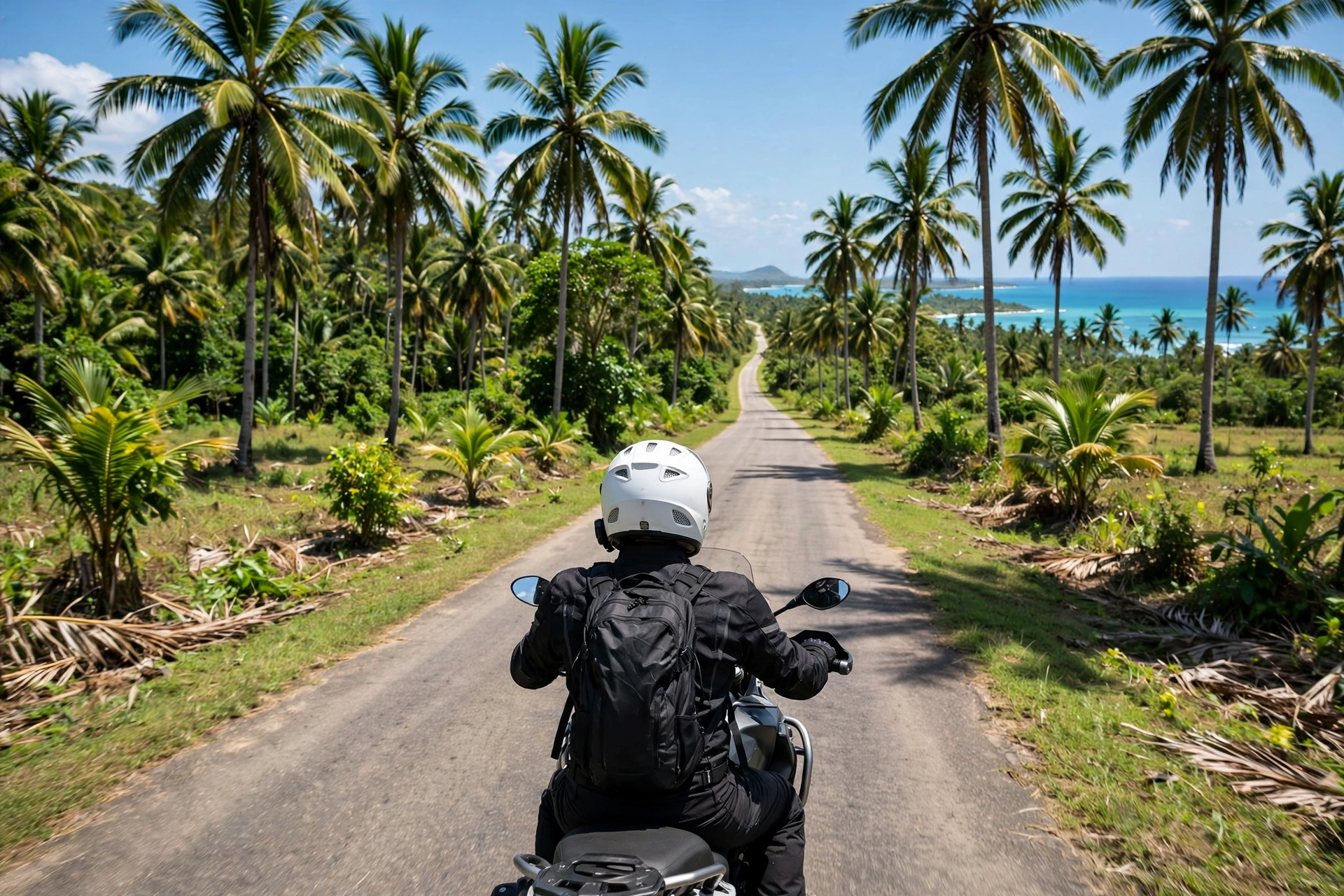
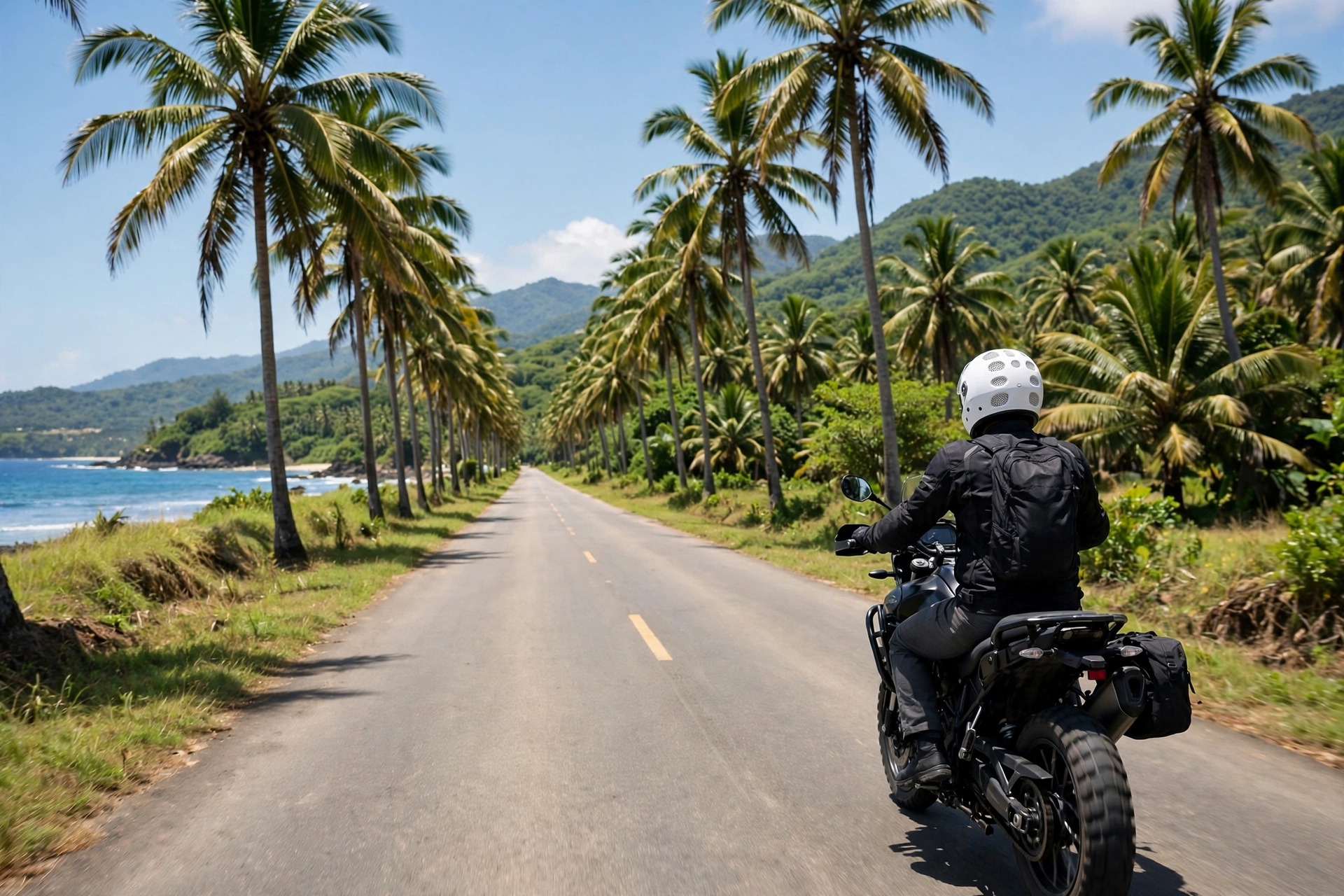
Colour is a practical choice, not just a style one. A white or light-coloured helmet reflects the sun and stays noticeably cooler than a black one. The difference is real and easy to feel — put your hand on a black helmet and a white helmet after both have sat in tropical sun, and the black one will be much hotter. If you are learning about the safety systems inside modern helmets, reading about what MIPS is for helmets can help you understand one of the technologies that protects your head in a fall.
How Should a Helmet Fit in Hot Weather?
Fit is just as important in the heat as it is in any other weather, and the temptation to buy a looser helmet for comfort is one to resist. A loose helmet moves around, lets the straps rub, and does not protect you properly. It should feel snug all round, without pressure points, and it should not rock when you shake your head. A helmet that fits well actually feels cooler, because it sits correctly and lets the ventilation work as designed.
Straps deserve attention in the heat as well. Sweaty skin is more easily irritated, and a strap that rubs can quickly become sore. Make sure the chin strap is adjusted so it is snug but not tight, and check that the strap covers sit comfortably against your skin. Some helmets have softer strap covers that are kinder to sweaty skin, and these are worth looking for if you ride in the tropics every day.
How Do You Manage Sweat and Keep the Lining Fresh?
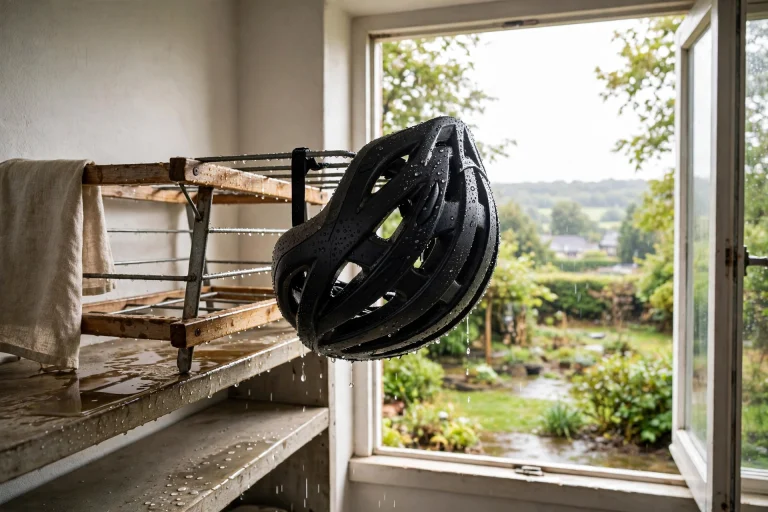
The single best habit is to remove the liner and wash it regularly. Most modern helmets have a removable comfort liner, and washing it by hand in mild soapy water, then letting it air dry out of direct sunlight, keeps it fresh and comfortable. In tropical heat, washing the liner once a week is not excessive if you ride daily. A clean liner feels better, smells better, and absorbs sweat more effectively than a dirty one.
A sweat-absorbing skull cap or headband helps a lot, because it catches sweat before it reaches the liner and is much easier to wash than the helmet itself. Carry a spare in your bag on long rides, and swap it at a stop if it gets soaked. Wiping the inside of the helmet with a damp cloth after a ride also helps, and a light spray of a helmet-specific freshener can keep it pleasant between washes. In general terms, a helmet that is cleaned and dried regularly will stay comfortable far longer than one that is left damp after every ride.
What Else Helps You Stay Cool on a Hot Ride?
Hydration is the most important thing beyond the helmet itself. In tropical heat you lose water fast through sweat, and dehydration makes you tired, slow, and less able to concentrate. Drink water before you ride, carry water with you, and stop to drink regularly rather than waiting until you feel thirsty. A rider who is dehydrated is a less safe rider, however good the helmet is.
Plan your rides around the heat when you can. The middle of the day in the tropics is the hottest and most draining time to ride, so early morning or late afternoon rides are far more comfortable. If you must ride at midday, take more breaks, find shade when you stop, and take the helmet off during breaks so your head can cool down and the helmet can air out.
Frequently Asked Questions
Q: Is a white helmet really cooler than a black helmet in tropical heat?
A: Yes, in general terms a white or light-coloured helmet reflects more sunlight and stays noticeably cooler than a dark one. The difference is easy to feel after both have sat in strong tropical sun.
Q: How often should I wash my helmet liner in tropical heat?
A: If you ride daily in hot, humid weather, washing the removable liner once a week is a good habit. Let it air dry fully out of direct sunlight, and consider a spare liner so you can swap a damp one for a dry one.
Q: Should I buy a looser helmet to stay cool in the heat?
A: No. A helmet should always fit snugly, whatever the weather, because a loose helmet does not protect you properly. Stay cool with good ventilation, a light colour, and a clean liner instead.

Olivia
Writer at Helmet Today, covering helmet reviews, fit and riding safety.