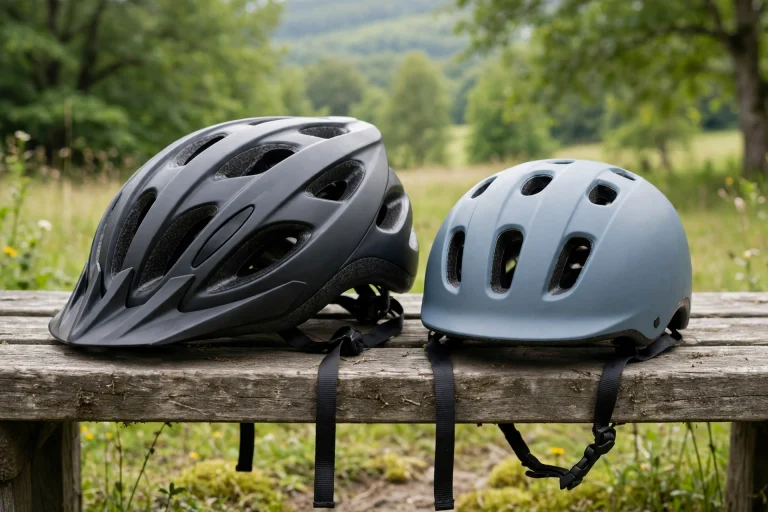
In general terms, no — helmets do not cause headaches, but a helmet that fits badly can give you one. A helmet that presses on the forehead or temples, sits unevenly, or is too tight will often cause discomfort that feels like a headache, especially on a longer ride. The answer is usually a better fit, not no helmet at all. If headaches persist even with a well-fitting helmet, or if they are severe, speak to a doctor rather than relying on general information online.
This is a common complaint, and it is one of the reasons some people stop wearing a helmet. It is worth taking seriously, because a helmet that gives you a headache is a helmet you will not want to wear. This article explains, in general terms, why a helmet can cause a headache, how to tell if the fit is the problem, and what to change so the helmet is comfortable enough to wear every time.
Why Can a Helmet Give You a Headache?
The most common reason is pressure. A helmet that is too small, or the wrong shape for your head, will press on the forehead or the temples. That pressure builds up over time, and after half an hour or an hour it can feel like a headache. A helmet that presses for a few minutes in a shop will press more after a long ride.
Another reason is an uneven fit. A helmet that sits tipped back or to one side will press on one part of the head more than the rest. This can happen when the straps are not adjusted properly, or when the helmet is the wrong size and the adjustment dial cannot fix it. A helmet should sit level, with the front edge just above the eyebrows, and feel snug all round.
Heat can also play a part. A helmet with poor ventilation can get hot and sweaty, and that discomfort can feel like a headache, especially on warm days or on hard rides. A well-ventilated helmet keeps the head cooler, which makes a real difference to comfort over a long ride.
How Do You Tell If the Fit Is Causing the Headache?
Start by checking where the helmet presses. Put it on and wear it at home for twenty minutes. If you can feel pressure on your forehead, your temples, or the back of your head, the fit or the shape is wrong. Red marks on the skin after taking the helmet off are a clear sign that it is pressing too hard.
Next, check the size. Measure your head with a soft tape measure, around the widest part, about a finger’s width above the eyebrows and ears. Compare the number with the size range on the helmet. If your measurement is at the very top of the range, try the next size up. If the rear dial is fully loose and the helmet still presses, the helmet is too small.
Also check the shape. Heads come in different shapes — some rounder, some longer — and helmets are shaped differently too. A helmet that fits one person perfectly may press on another person’s forehead. Try on several models and brands, and choose the one that feels even all round, without a single point of pressure.
How Do You Adjust a Helmet to Stop Headaches?
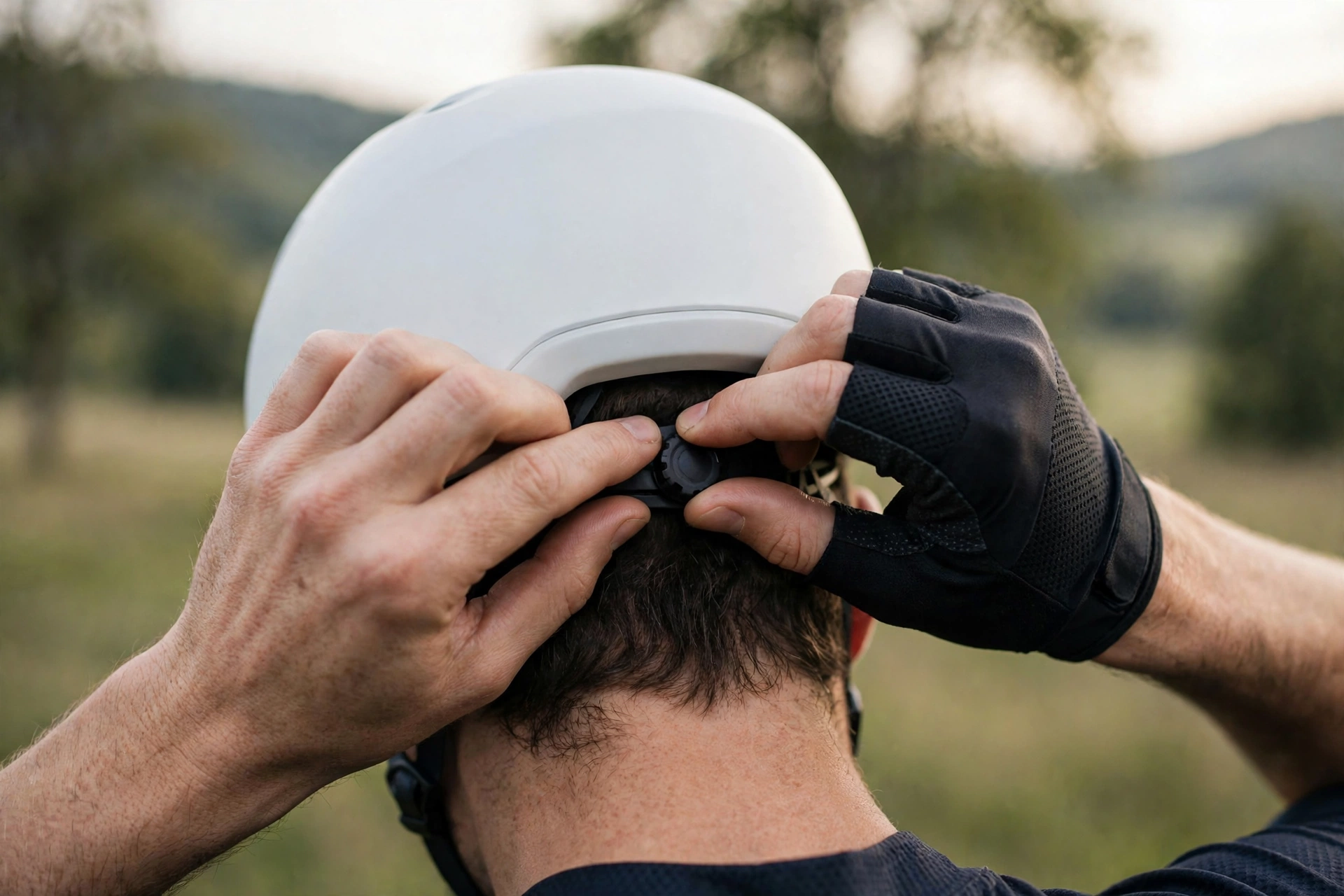
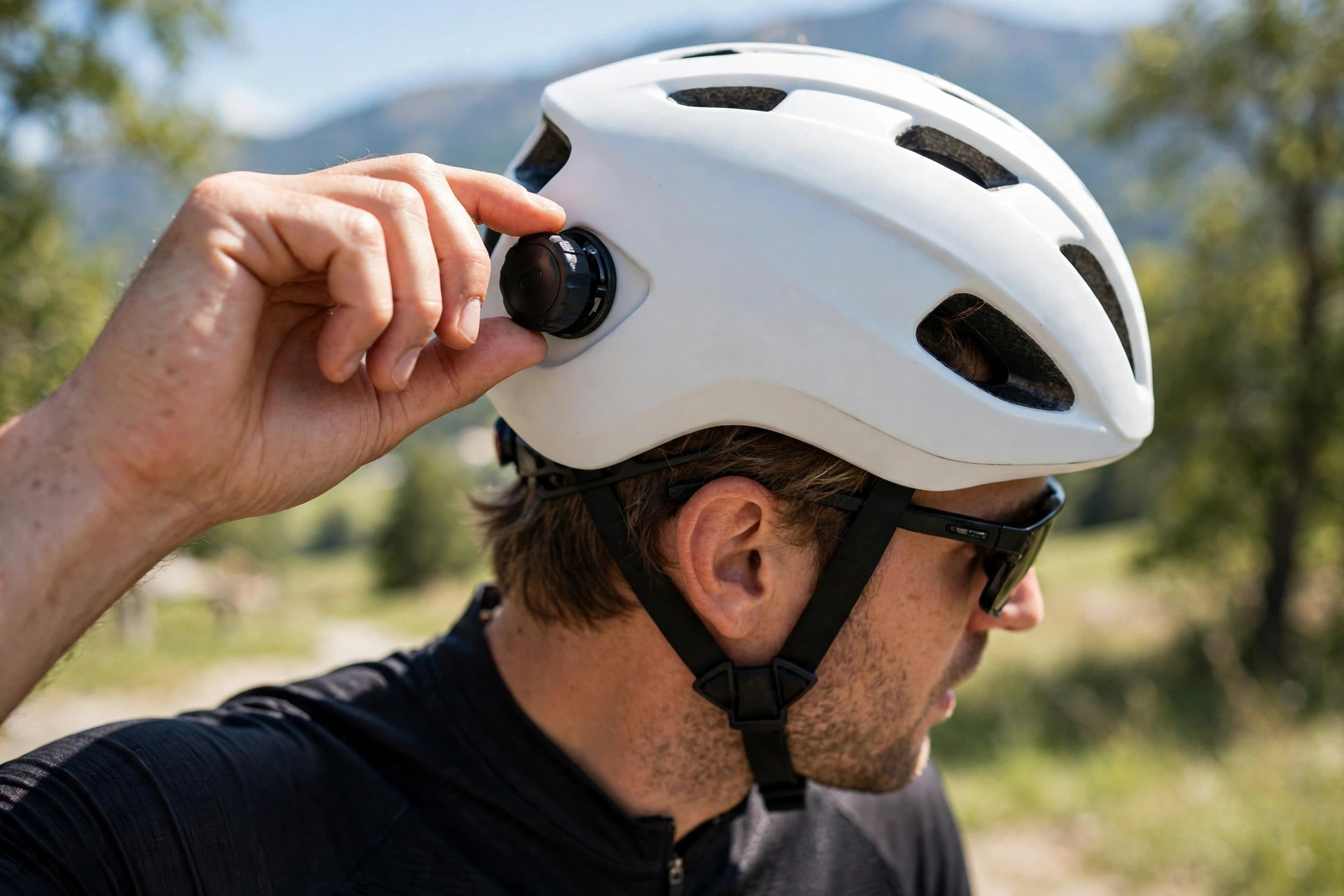
Start with the rear dial. Most helmets have a dial at the back that tightens or loosens the fit. It should sit in the middle of its range when the helmet fits well. If you have to tighten it all the way, the helmet is too big. If it is fully loose and the helmet still presses, the helmet is too small.
Then check the straps. Each side strap should form a V that meets just below the ear, and the chin strap should be tight enough that you can fit one finger between the strap and the chin. Straps that are too tight can pull the helmet down and cause pressure, while loose straps let the helmet shift around.
Check the padding too. Many helmets have removable pads in different thicknesses, and swapping to a thinner pad can relieve pressure on the forehead. Keep any spare pads that came in the box. If the padding is worn or compressed, new pads can make an old helmet comfortable again. If you want to understand the technology inside modern helmets, reading about what MIPS is for helmets can help explain one of the features some helmets offer.
What Else Can Cause a Headache While Wearing a Helmet?
Sometimes the helmet is not the only cause. Riding in hot weather, not drinking enough water, or riding for a long time without a break can all leave you with a headache, whether or not you wear a helmet. Try drinking more water, taking breaks, and wearing a helmet with better ventilation on warm days.
Sunglasses or goggles can also add pressure. If your helmet presses your glasses down or pinches the arms, that can cause discomfort around the temples. Try the helmet on with your usual glasses or goggles, and adjust the fit or choose a different model if they do not work together.
A heavy helmet can also feel tiring on the neck, and that tiredness can feel like a headache. Hold a few helmets in your hand and compare their weight. In general terms, a lighter helmet is more comfortable, but do not choose the lightest one if it means giving up coverage or a proper fit.
When Should You See a Doctor About Headaches?
Most helmet headaches are caused by fit, and they go away once the fit is fixed. But if headaches persist even with a well-fitting helmet, or if they are severe, frequent, or come with other symptoms, speak to a doctor. General information online cannot replace advice from a qualified health professional who knows your own situation.
Keep a note of when the headaches happen. Do they start after a certain time riding, only in hot weather, or only with one particular helmet? That information can help you work out whether the helmet, the heat, or something else is the cause, and it is useful to share with a doctor if you go to see one.
Do not stop wearing a helmet because of headaches. A well-fitting helmet that meets a recognised standard is designed to protect your head, and that protection matters. Fix the fit first, and if the problem continues, get proper advice rather than giving up on the helmet.
Frequently Asked Questions
Q: Do helmets cause headaches?
A: In general terms, no — but a helmet that fits badly can give you a headache. Pressure on the forehead or temples, an uneven fit, or poor ventilation are the usual causes, and they can usually be fixed by adjusting the fit or choosing a better-fitting helmet.
Q: How tight should a helmet be?
A: Snug all round, without pressing hard anywhere. It should stay in place when you shake your head, and you should be able to fit one finger between the chin strap and the chin. The rear dial should sit in the middle of its range.
Q: When should I see a doctor about helmet headaches?
A: If headaches persist even with a well-fitting helmet, or if they are severe, frequent, or come with other symptoms, speak to a doctor. General information online cannot replace advice from a qualified health professional.

Olivia
Writer at Helmet Today, covering helmet reviews, fit and riding safety.