Yes, in general terms helmets can expire in storage, because the materials inside a helmet age and weaken over time, even if the helmet is never worn or never involved in a crash. A helmet that sits in a cupboard for years is not the same as a new helmet, even if it looks perfect on the outside. The foam liner, the straps, and the shell all change slowly with age, and after enough time they may not protect the head as well as they once did.
Many riders assume a helmet that has never been used is as good as new, but that is not how helmet materials work. The liner is made from foam that hardens and loses its ability to absorb energy as it ages, and the shell can become brittle from heat, sunlight, and time. Storage conditions matter a great deal: a helmet kept in a cool, dry place ages more slowly than one kept in a hot garage or a damp shed.
Why do helmets expire in storage?
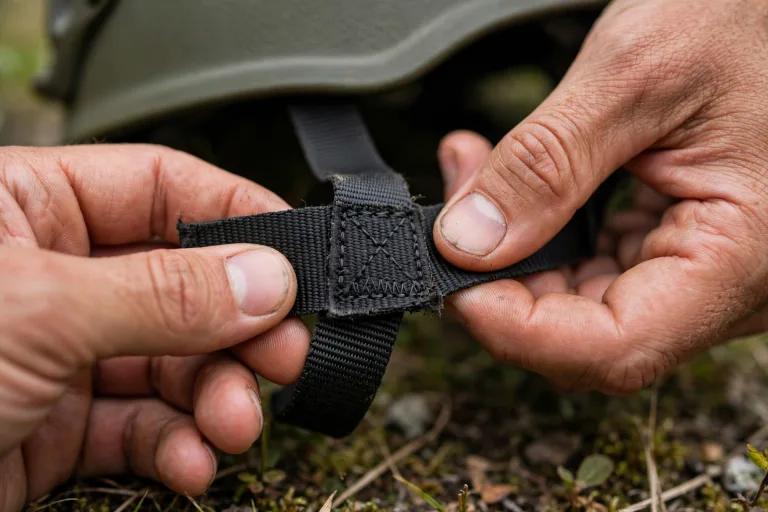
Helmets expire in storage because the materials they are made from change over time, even when the helmet is not being used. In general terms, the foam liner inside the helmet slowly hardens and loses its spring, so it absorbs less energy in an impact than it did when it was new. The shell can also become more brittle with age, especially if it has been exposed to heat, sunlight, or chemicals, and the straps and buckles can weaken as the materials age.
The glues and adhesives that hold the helmet together can also dry out over time, and the comfort padding can break down and lose its shape. None of this happens quickly, and a helmet does not suddenly become useless on a particular day, but the protection it gives declines gradually. In general terms, a helmet that has been stored for many years is not the same helmet it was when it was made, even if it has never been worn.
How long can a helmet be stored before it expires?
How long a helmet can be stored depends on the maker and the storage conditions, and in general terms most makers suggest replacing a helmet after around five years from the date it was made, whether it has been used or not. Some makers give a longer period, and some give a shorter one, so check the guidance that comes with your helmet. The date of manufacture is often printed on a label inside the helmet, and that is the date to count from, not the date you bought it.
A helmet stored in a cool, dry place, away from sunlight and chemicals, will age more slowly than one stored in a hot loft or a damp garage. In general terms, a helmet that has spent years in a hot car or in direct sun may need replacing sooner, while one kept in a bedroom cupboard may last longer. The five-year figure is a guide, not a hard rule, but it is a sensible guide to follow, because the decline in the materials is hard to see from the outside.
How should I store a helmet to make it last?
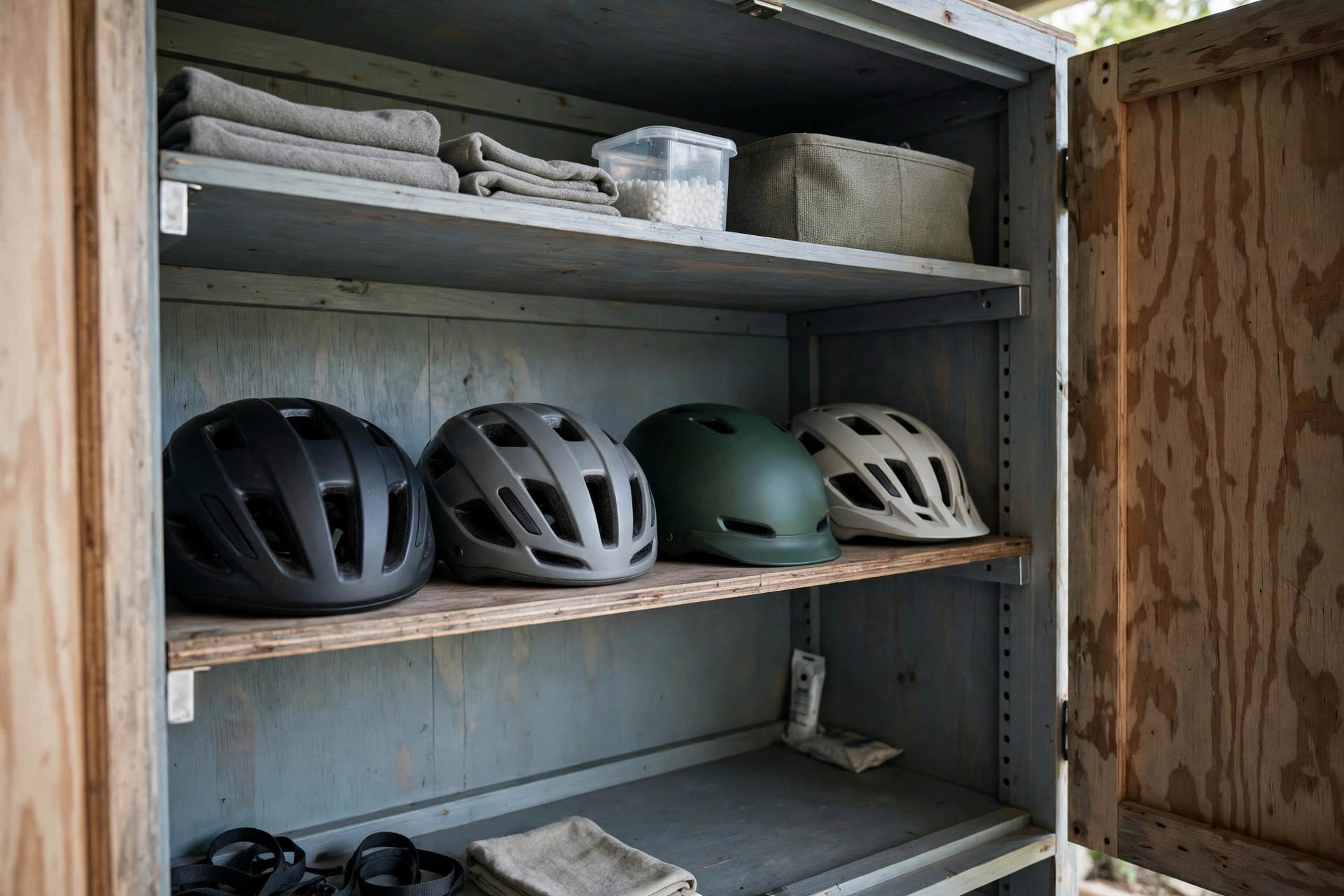
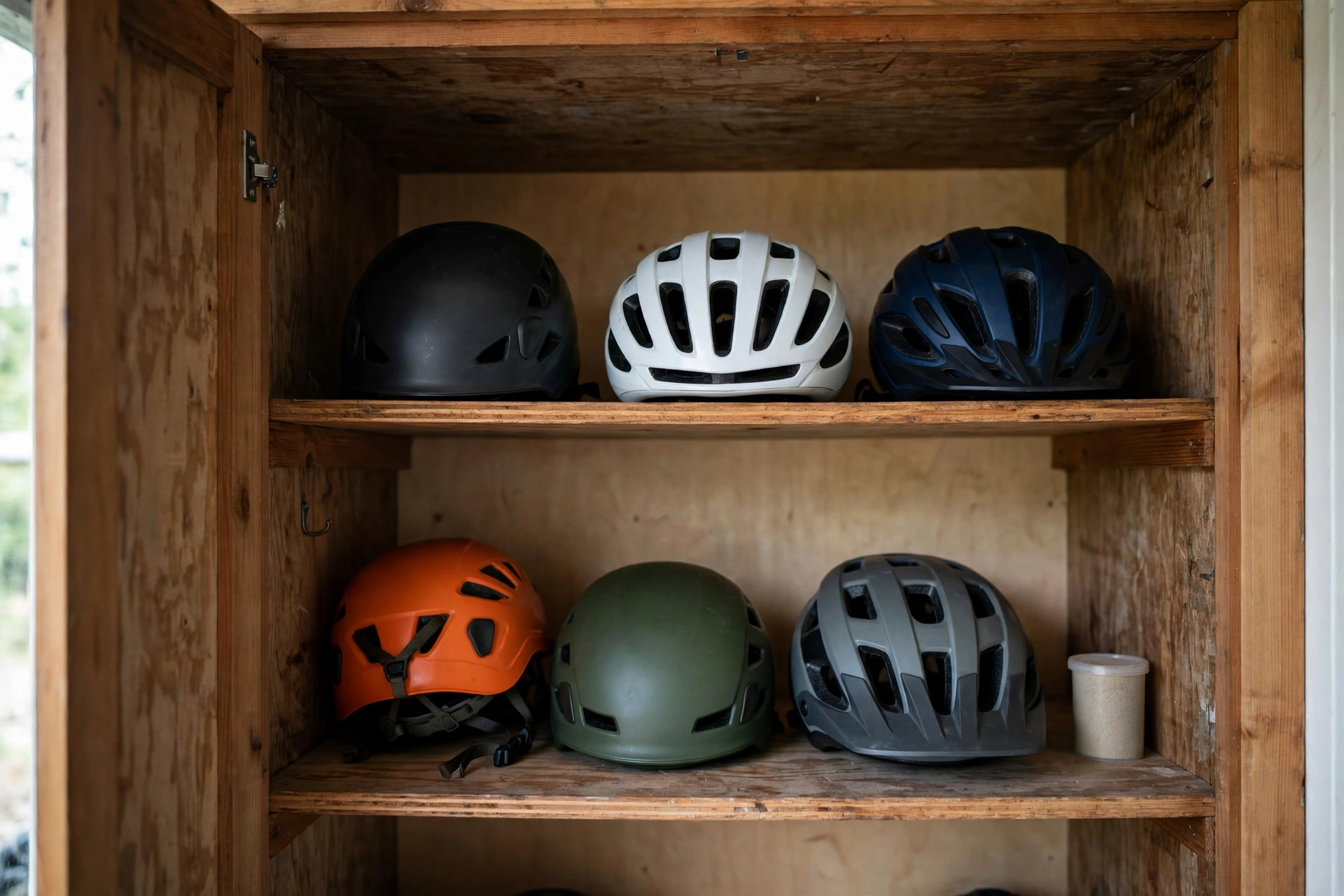
To store a helmet so it lasts, keep it in a cool, dry place, away from direct sunlight, heat, and chemicals. A bedroom cupboard or a shelf indoors is a good choice, while a hot garage, a car boot, or a damp shed is a poor one. In general terms, the helmet should be stored upright or on its side, with nothing heavy placed on top of it, and the straps should be left loose rather than pulled tight.
Keep the helmet away from petrol, solvents, and cleaning chemicals, because these can damage the shell and the liner. Let the helmet dry fully before you store it, and do not store it in a sealed plastic bag, because trapped moisture can lead to mould and odours. Some helmets include a system designed to reduce rotational forces in a fall, such as MIPS, and that system does not change how the helmet should be stored, so the same cool, dry storage suits every type of helmet.
How can I tell if a stored helmet is still safe?
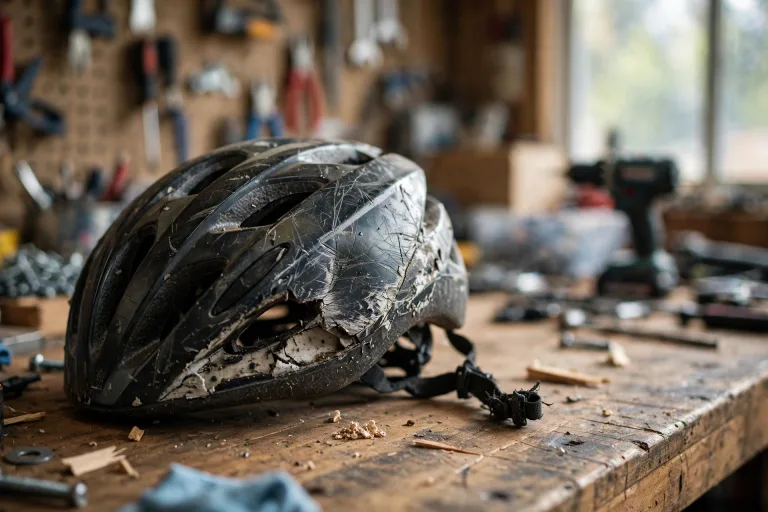
To tell if a stored helmet is still safe, check the date of manufacture inside the helmet, and look for signs of ageing such as a brittle or faded shell, a hard or crumbling liner, frayed straps, or a buckle that sticks. In general terms, if the helmet is more than five years old, or if it shows any of these signs, it should be replaced, even if it has never been worn. A helmet that looks fine on the outside can still have a liner that has hardened with age, and that is not something you can see clearly.
Press the liner gently with your fingers: it should feel firm but slightly springy, not rock hard or crumbly. Check the straps for fraying and the buckle for smooth operation, and look at the shell for cracks, soft spots, or fading. If you are unsure, take the helmet to a shop and ask for an opinion, or replace it. A new helmet is a small cost compared with the protection it gives, and an old helmet is not worth the risk.
Should I buy a helmet that has been in storage for years?
No, in general terms you should not buy a helmet that has been in storage for years, even if it is new and unused. A helmet that has sat on a shelf for a long time has already used up part of its life, and it may not protect you as well as a freshly made helmet. Check the date of manufacture before you buy, and be wary of helmets sold at a big discount because they are old stock.
A reputable shop will not sell a helmet that is years old as if it were new, but a bargain online or at a market stall may be old stock. In general terms, a helmet bought from a known maker through a reputable seller will have a recent date of manufacture, and the shop can tell you the date if you ask. If the date is more than a couple of years old, ask for a fresher one, or buy elsewhere.
Do helmets have an expiry date?
In general terms, most helmets do not have a printed expiry date, but makers suggest replacing a helmet after around five years from manufacture. The date of manufacture is usually on a label inside the helmet, and that is the date to count from.
Can I use a helmet that has been stored for ten years?
No, a helmet stored for ten years is well past its useful life, even if it looks new. In general terms, the liner and the shell will have aged, and the helmet may not protect you properly. Replace it with a new one.
Does a helmet expire faster in a hot garage?
Yes, heat speeds up the ageing of helmet materials, so a helmet stored in a hot garage or a car will expire faster than one stored in a cool, dry place indoors. In general terms, keep your helmet out of heat and sunlight to slow the ageing.

Olivia
Writer at Helmet Today, covering helmet reviews, fit and riding safety.