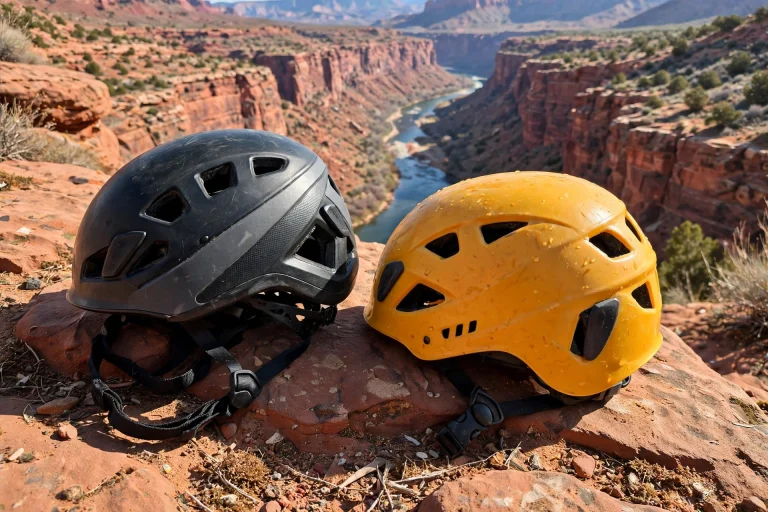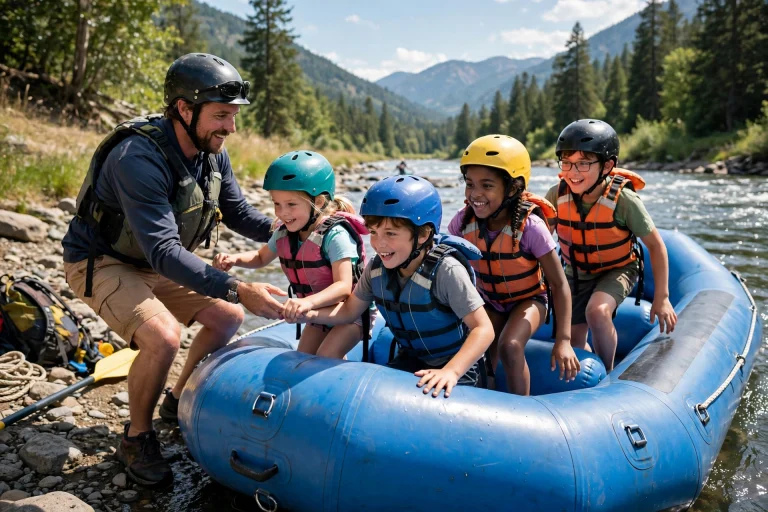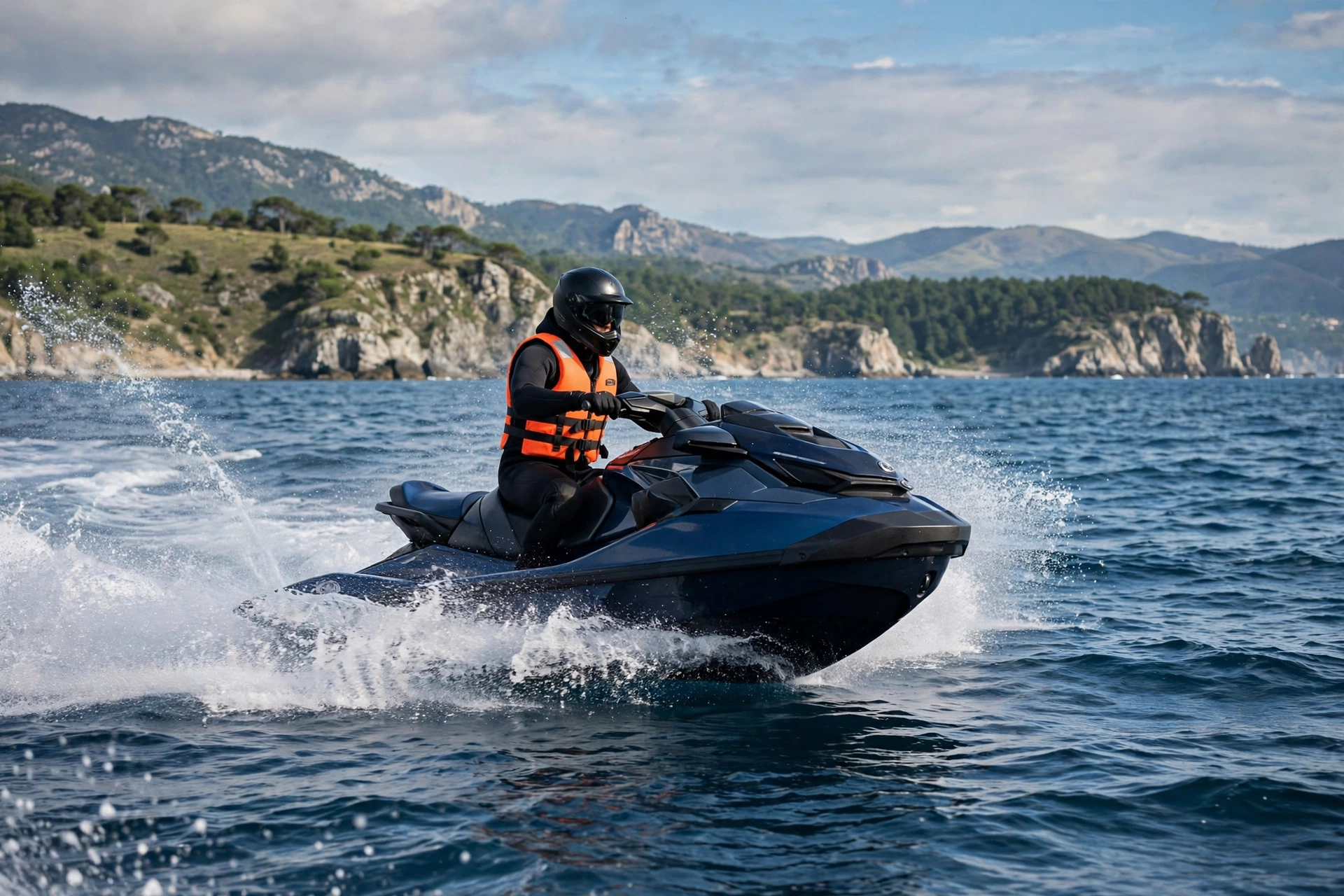
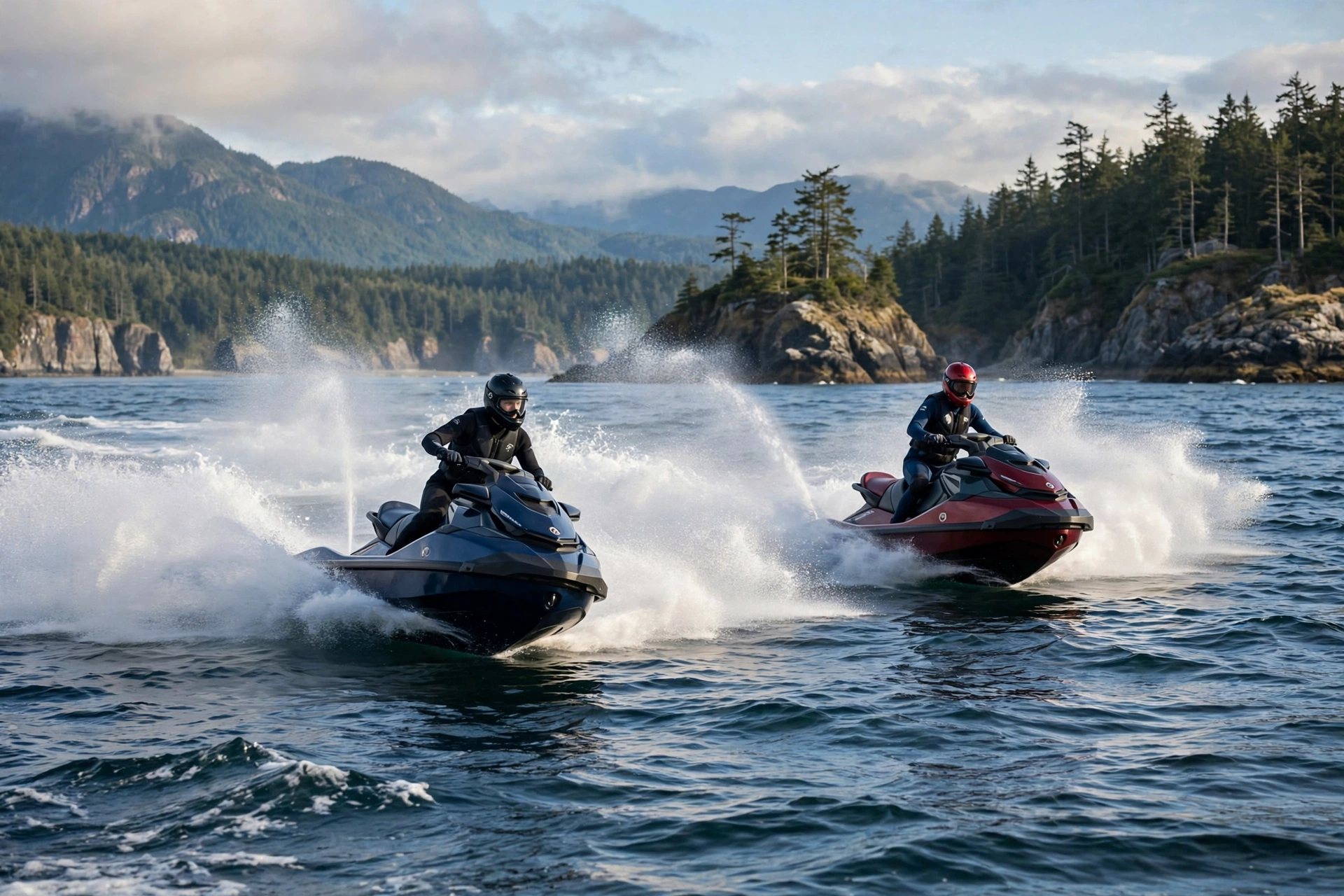
Most jet ski and personal watercraft riders are not required to wear a helmet in general terms, but a watersports or watercraft helmet is worth considering for high-speed riding, rough water, jumping wakes, riding in groups, and for passengers and younger riders, because a fall at speed or a collision with the craft itself can strike your head hard. The right helmet for a personal watercraft is light, drains fast, and stays on in water at speed.
This guide explains when a helmet makes sense on a jet ski, what type to choose, and the fit and visibility points that matter on a watercraft.
Why Do Some Jet Ski Riders Wear Helmets?
Speed is the first reason. A personal watercraft travels far faster than a kayak, a paddleboard, or a swimmer, and a rider thrown off at speed meets the water the way a wakeboarder does — hard. A fall that would be a joke at paddling pace can stun at watercraft pace, and a stunned rider in open water is in immediate difficulty, which is why a helmet pairs with a life vest rather than replacing it.
The craft itself is the second reason. In a sudden stop, ejection, or collision, a rider can strike the handlebars or console on the way off, and craft riding close together add the risk of striking another hull. Racing, freestyle, and close group riding all raise that risk, and in organised racing in general terms helmets are a normal part of the kit.
The third reason is conditions. Chop, cold water, wind, and spray punish an unprotected head over a long ride: riders arrive exhausted and chilled, and tired riders make mistakes. A helmet with ear coverage is as much about staying sharp as about crashing.
What Type of Helmet Suits a Personal Watercraft?
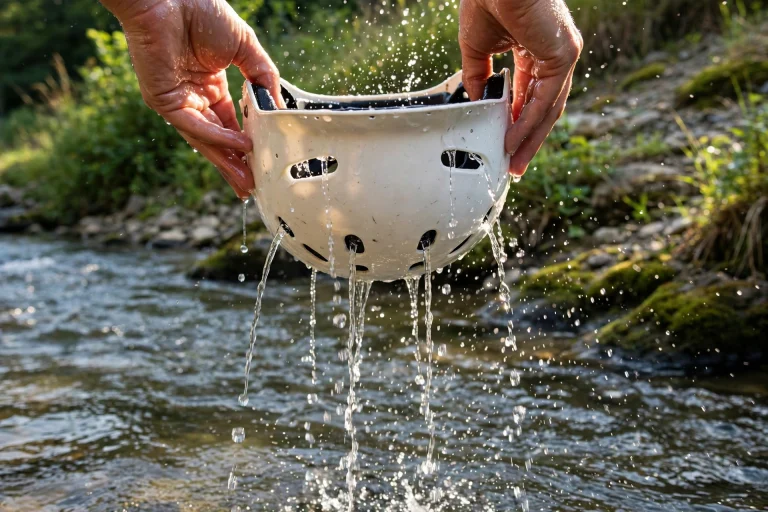
Choose a helmet made for powered watersports or general watersports use, not a road helmet. It should be light enough not to strain your neck over hours of looking around, built from materials that tolerate constant spray and immersion, quick to drain, and smooth enough not to catch the water violently in a fall. Corrosion-resistant fittings matter too, because salt water attacks ordinary buckles and rivets.
A full motorcycle helmet is usually the wrong answer on the water. It is heavy, holds water, muffles sound you need, and its liner is not designed for repeated soaking; in general terms it can also drag hard in a high-speed water entry. Motocross styles tempt some riders, but unless made for marine use they share the same problems.
- Look for: light weight, fast drainage, marine-friendly fittings, secure strap
- Useful extras: ear coverage for cold and wind, visor or goggle compatibility
- Avoid: heavy road helmets, water-absorbing liners, loose rental-bin fits
If you ride in an organised event, follow that event’s specific helmet rules, which override general guidance like this.
How Should a Jet Ski Helmet Fit and Stay On?
Fit on a watercraft is a sterner test than fit on a beach. Wind, spray, and constant head-turning all work a helmet loose, and a hard fall at speed can pull at anything baggy. The helmet should sit level, feel evenly snug, and not lift or twist when you shake your head sharply, with the chin strap snug enough that it cannot roll off forward.
Check the strap and buckle with wet, cold hands. A buckle you cannot work with numb fingers will be left undone, and an undone helmet is no helmet. Rinse straps after salt water use, and inspect them often; a strap weakened by sun and salt fails quietly.
Try the helmet with everything else you wear: life vest collar, sunglasses or goggles, and a wetsuit hood in cold water. A vest collar that pushes the helmet up, or goggle straps that fight the fit, need solving on land, because at speed you have no hands free to solve them.
How Does a Helmet Affect Vision, Hearing, and Awareness?
Awareness is your primary safety system on a personal watercraft: you avoid almost every accident by seeing and hearing it coming. Any helmet you choose must preserve that. Peripheral vision should stay wide, the shell should not block your shoulder checks, and you should still hear other craft, whistles, and shouts clearly enough to react.
This is where lighter watersports designs beat heavier helmets. A slim shell and open or mesh-covered ears keep your senses working, while still covering the crown, sides, and back of the head. If you add a visor, choose one made for the helmet and for water use, and be ready to lift it rather than ride half-blind in spray.
Test all of this before a long ride. Sit on the craft, helmet on, and do full shoulder checks both ways, look down at the controls and the lanyard, and listen for a voice from behind you. If any of that is meaningfully worse than riding bare-headed, that helmet is the wrong shape for this job, whatever its label says.
What Protection Does a Helmet Give in a Watercraft Fall?
In a fall or collision, the helmet spreads and absorbs part of the force of strikes against the craft, another hull, a dock, or the water surface itself, protecting against cuts, bruising, and more serious head injury at the point of contact. Ear coverage adds protection for the side of the head and comfort against cold water and wind on long, fast rides.
Watercraft falls are rarely straight, tidy impacts. Being thrown off usually involves tumbling, twisting, and striking at an angle, which is why rotational forces are part of modern helmet design thinking, as set out in this explanation of what MIPS is for helmets. For a rider, the practical point is unchanged: fit, condition, and actually wearing the helmet fastened count for more than any single feature.
Hold the limits clearly in mind. In general terms, a helmet suited to watersports is made for the impacts typical of those activities; it is not a guarantee at the highest speeds, it does not replace a properly fitted life vest, the engine cut-off lanyard, or sober, attentive riding, and it does not make close riding or wake jumping safe. It is one layer in a stack, and the other layers matter just as much.
Frequently Asked Questions
Q: Is a helmet legally required on a jet ski?
A: In general terms, helmets are not required for personal watercraft riders in most places, while life vests usually are — but rules differ by place, by rental operator, and by organised event, and they change. Check the specific rules for the water you ride on and follow any requirement set by a rental company or event organiser.
Q: Can I wear my motorcycle helmet on a jet ski?
A: It is not a good choice. A road helmet is heavy, retains water, muffles hearing, and is not built from materials chosen for repeated immersion and salt spray, and it can drag heavily in a fast fall into water. A light helmet made for watersports or marine use fits the job far better and is more comfortable over a full day.
Q: Should passengers and children on a jet ski wear helmets?
A: In general terms, a helmet is a sensible extra for passengers, and especially for younger riders, because a passenger has no controls, less warning of a sudden move or stop, and less ability to brace or swim confidently after a fall. Any helmet used should fit that rider properly — a loose adult helmet on a child is not protection.

Olivia
Writer at Helmet Today, covering helmet reviews, fit and riding safety.