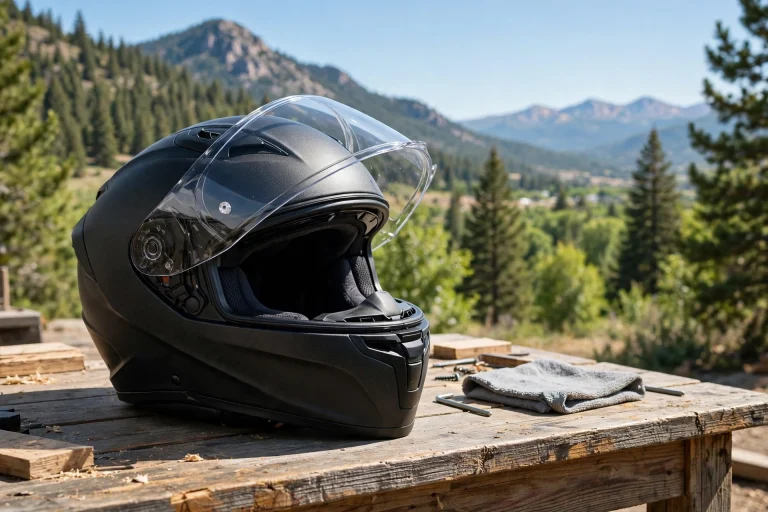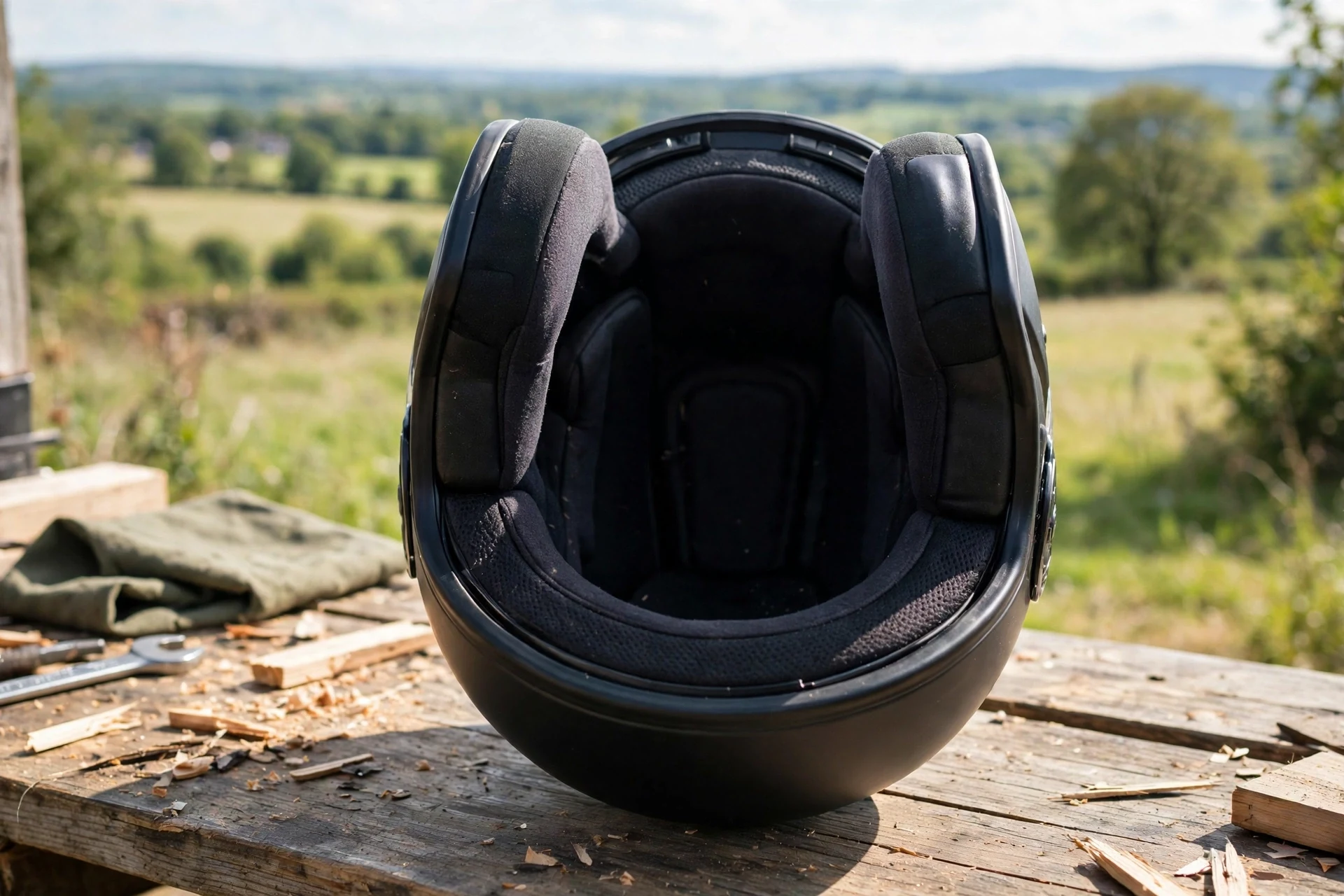
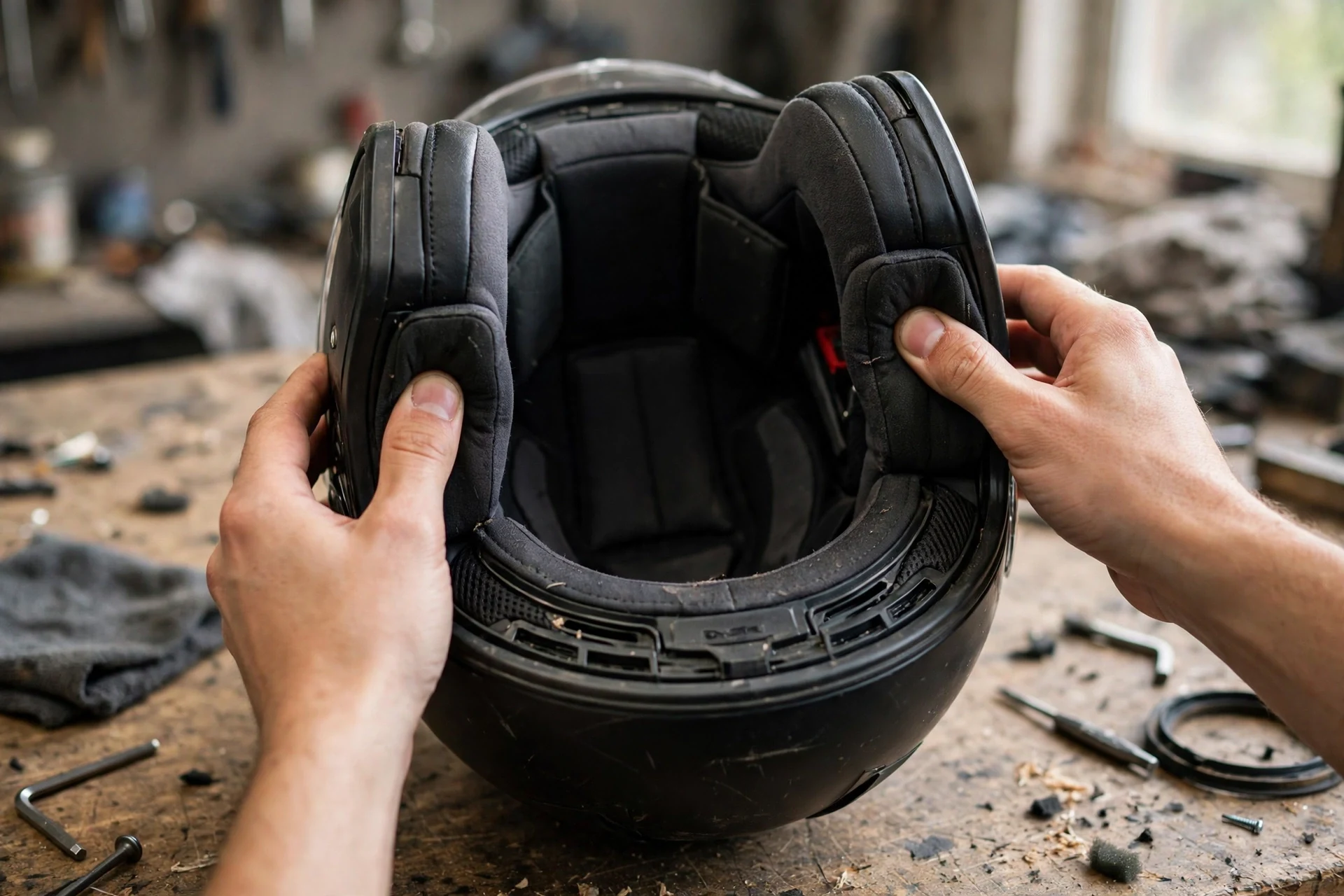
To inspect helmet padding for wear, take the padding out if it is removable, then look and feel for flattening, thinning, tears, loose stitching, hard spots, and any smell or dampness that was not there before. Padding is the soft layer between your head and the hard shell: it makes the helmet comfortable, holds it steady, and helps it fit as it should. Because padding wears gradually, the change is easy to miss until the helmet feels loose, so a regular check is worth a few minutes. If the padding is badly worn or torn, or no longer holds the helmet snugly, replace it or the helmet before you ride again.
What Does Helmet Padding Do?
Helmet padding, often called the comfort liner, is the soft foam and fabric lining the inside of the helmet. Its first job is comfort: it cushions your head against the shell and stops pressure points on longer rides. Its second is fit: it fills the gap between shell and head, so the helmet sits level and does not rock or slide. A helmet that fits well stays in place in a crash, which is part of how it protects you.
The padding also absorbs sweat and manages moisture, keeping the fit stable and the inside more pleasant on hot days. Some padding is removable so it can be washed; other padding is fixed in place. In general terms, the padding works with the impact liner underneath it, but they are not the same: the comfort padding is soft, made for fit and comfort, while the firmer liner below absorbs impact energy. Both matter, and both deserve a check.
How Can You Tell if Helmet Padding Is Worn?
The clearest sign of worn padding is a helmet that feels looser than it used to. Put the helmet on, fasten the strap, and shake your head gently side to side. If the helmet moves easily, or you can rock it forwards and backwards with little resistance, the padding has probably compressed and no longer holds the helmet snugly. Gradual loosening is easy to get used to, so compare how it feels now with how it felt when it was new.
Look for flattening and thinning. Press the padding gently: it should spring back when you let go. If it stays flat, feels hard, or has thin patches where you can almost feel the shell, it has lost its cushioning. Check the crown pad at the top and the cheek pads at the sides, since these take the most pressure and wear fastest. In general terms, padding that is visibly thinner on one side, or that has lost its shape, is nearing the end of its useful life.
What Signs of Damage Should You Look For in the Padding?
Look for tears and splits in the fabric, which let the foam underneath show through and can spread with use. Run your fingers over the liner, feeling for rips, holes, or places where the fabric has come away from the foam. Check the seams too: loose threads or undone stitching can let a pad shift out of place, changing how the helmet fits and feels.
Feel for hard spots, lumps, or crumbling foam. Foam that has gone hard, brittle, or crumbly has lost its cushioning and will not spring back as fresh foam does. Dark patches or staining can point to sweat, damp, or mould built up over time. Check the fasteners holding removable padding in place, such as snaps or hook-and-loop tabs: if they are broken or no longer grip, the padding can move around inside the helmet. Any one of these faults is a reason to replace the padding; several together mean the helmet is overdue for new padding or a new helmet.
How Do You Check Padding for Smell, Damp, and Mould?
Smell is often the first clue that padding needs attention. Take the helmet out of its bag and smell the inside: a strong, sour, or musty smell usually means sweat and moisture have built up. A helmet used often, especially in hot weather, picks up sweat, and if stored damp in a closed bag, that moisture has nowhere to go.
Feel the padding for dampness, particularly after rain or a hot day. Padding that stays damp can develop mould, showing up as dark spots or a musty smell that does not go away after airing. If you can remove the padding, look at both sides, including the back against the shell, where mould and staining often start. In general terms, padding that still smells bad after washing, or shows mould you cannot clean off, should be replaced, because it will not get better with use.
How Should You Clean and Care for Helmet Padding?
If the padding is removable, take it out and wash it by hand in lukewarm water with mild soap, following the helmet maker’s instructions. Rinse well, press the water out gently without wringing, and let it dry fully in the air, away from direct heat. Never use a tumble dryer or radiator to dry padding, because heat can shrink the fabric and damage the foam. Let it dry completely before putting it back: damp padding in a closed helmet will start to smell again quickly.
If the padding is fixed, wipe it gently with a damp cloth and a little mild soap, then let the helmet air dry with the visor open in a ventilated place. After every ride, leave the helmet somewhere airy rather than sealing it straight into a bag. In general terms, regular cleaning slows wear and keeps padding fresher for longer, but it cannot restore padding that has already gone flat or hard. If washing makes no difference to fit or smell, the padding has reached the end of its life.
When Should You Replace Helmet Padding?
Replace the padding when the helmet feels loose even with the strap fastened, when the foam stays flat or feels hard, or when the fabric is torn and foam is showing. Replace it too if the smell or mould will not wash out, or if the fasteners no longer hold the pads in place. Many helmets have replacement padding from the maker, and a fresh set can make an old helmet feel new again, as long as the shell and impact liner are still in good condition.
If the padding is not replaceable, or the helmet is old, damaged, or has been in a crash, replacing the whole helmet is the safer choice. A helmet that moves on your head because its padding has worn out cannot protect you as it should. To understand more about how modern helmets protect your head, it helps to read about what MIPS is for helmets. In general terms, if damage is found or protection is in doubt, replace the padding or the helmet rather than taking a chance on your next ride.
Can I wash helmet padding in a washing machine?
It is safer to wash removable padding by hand in lukewarm water with mild soap. A washing machine can damage the foam and the fabric, so check the helmet maker’s instructions and hand wash unless they say otherwise.
How often should I check my helmet padding?
Give it a quick feel and smell check every few weeks, and a full check, with the padding taken out if possible, every few months or after a long hot season of riding. Regular checks catch wear before the helmet starts to fit loosely.
Can worn padding make a helmet unsafe?
Yes, in general terms worn padding can make a helmet less safe, because a helmet that fits loosely can move on your head in a crash. If the padding no longer holds the helmet snugly, replace the padding or the helmet.

Olivia
Writer at Helmet Today, covering helmet reviews, fit and riding safety.