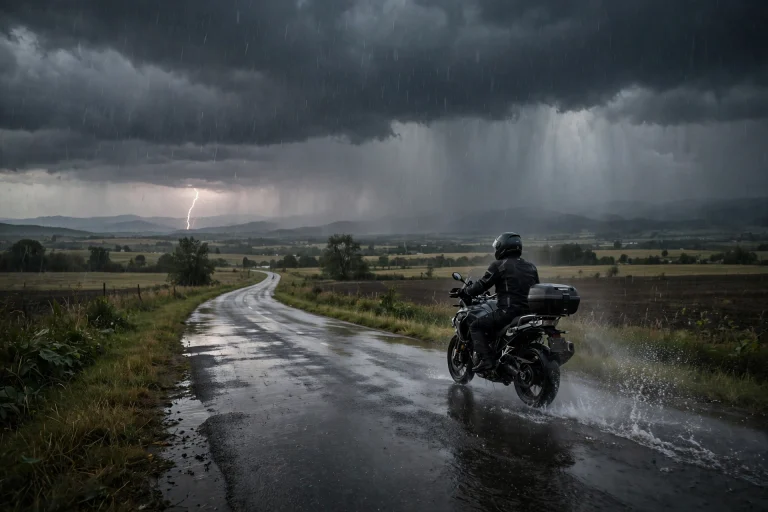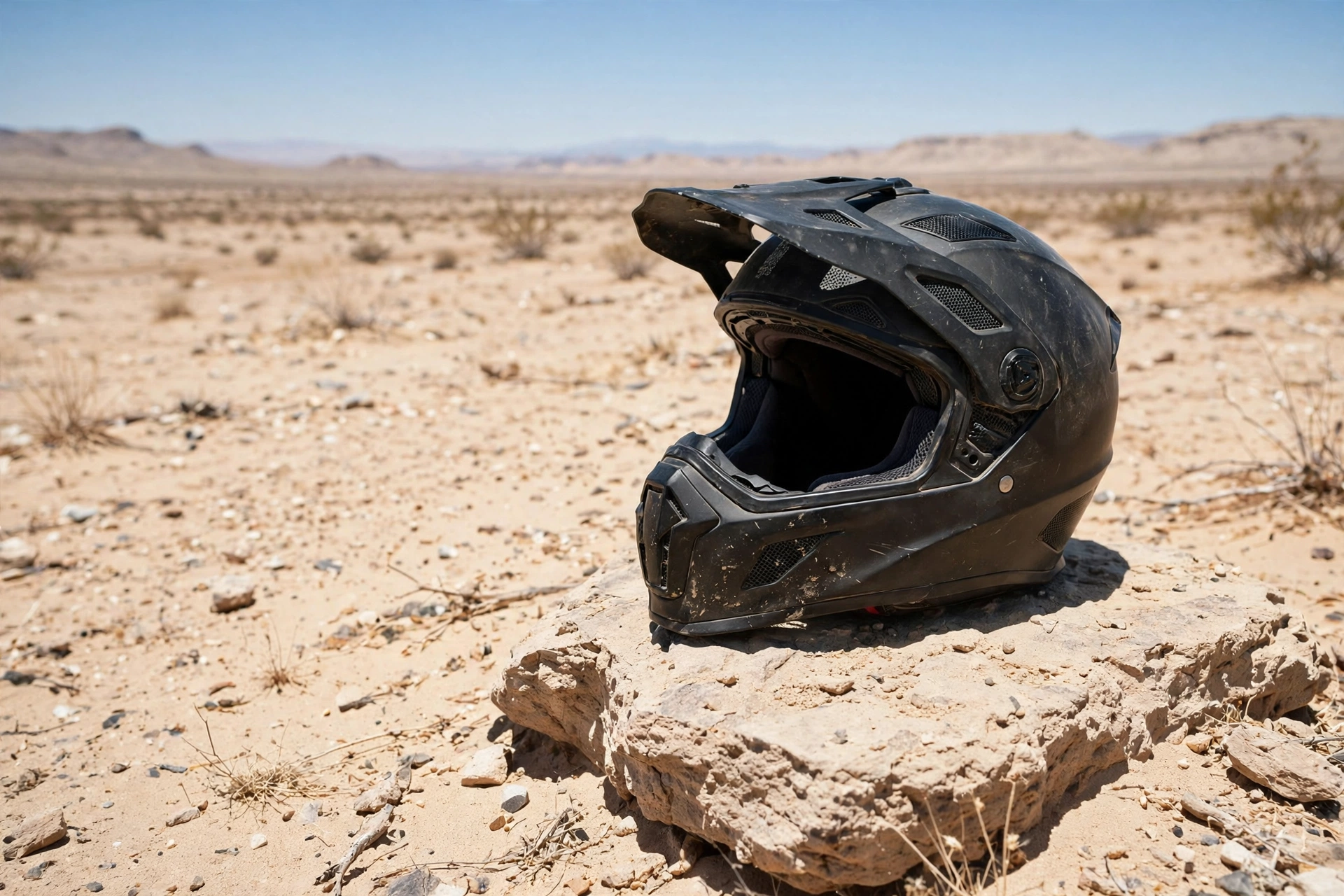
Yes, in general terms, helmets can age faster in hot climates, because heat, strong sunlight, and sweat all wear down the materials inside a helmet more quickly than mild weather does. That does not mean a helmet fails after one hot summer, but a helmet used and stored in constant heat is likely to show signs of wear sooner than the same helmet used in a cooler place. The shell, the foam liner, the padding, and the straps all age, and heat speeds up that process. Knowing what to look for, and how to store your helmet, helps you get the most out of it safely.
How Does Heat Affect a Helmet?
Heat affects a helmet mainly by drying out and weakening its materials over time. The hard outer shell can become more brittle if it spends long periods in very hot conditions, and the foam liner that absorbs impact can slowly lose its spring and structure. The glue and fasteners that hold the liner and padding in place can also weaken, so pads may come loose or shift. None of this happens overnight, but a helmet left in a hot car or a sun-baked garage day after day will age faster than one kept in a cool, shaded place.
The inside of a car on a hot day can get far hotter than the air outside, which is why a helmet left on a car seat or in a boot is at greater risk. In general terms, short spells in the heat are not a problem, but repeated, long exposure adds up over months and years. If you ride in a hot climate, the heat is part of everyday use, so the best you can do is avoid adding extra heat when the helmet is not being worn.
Does Sunlight Damage a Helmet Shell?
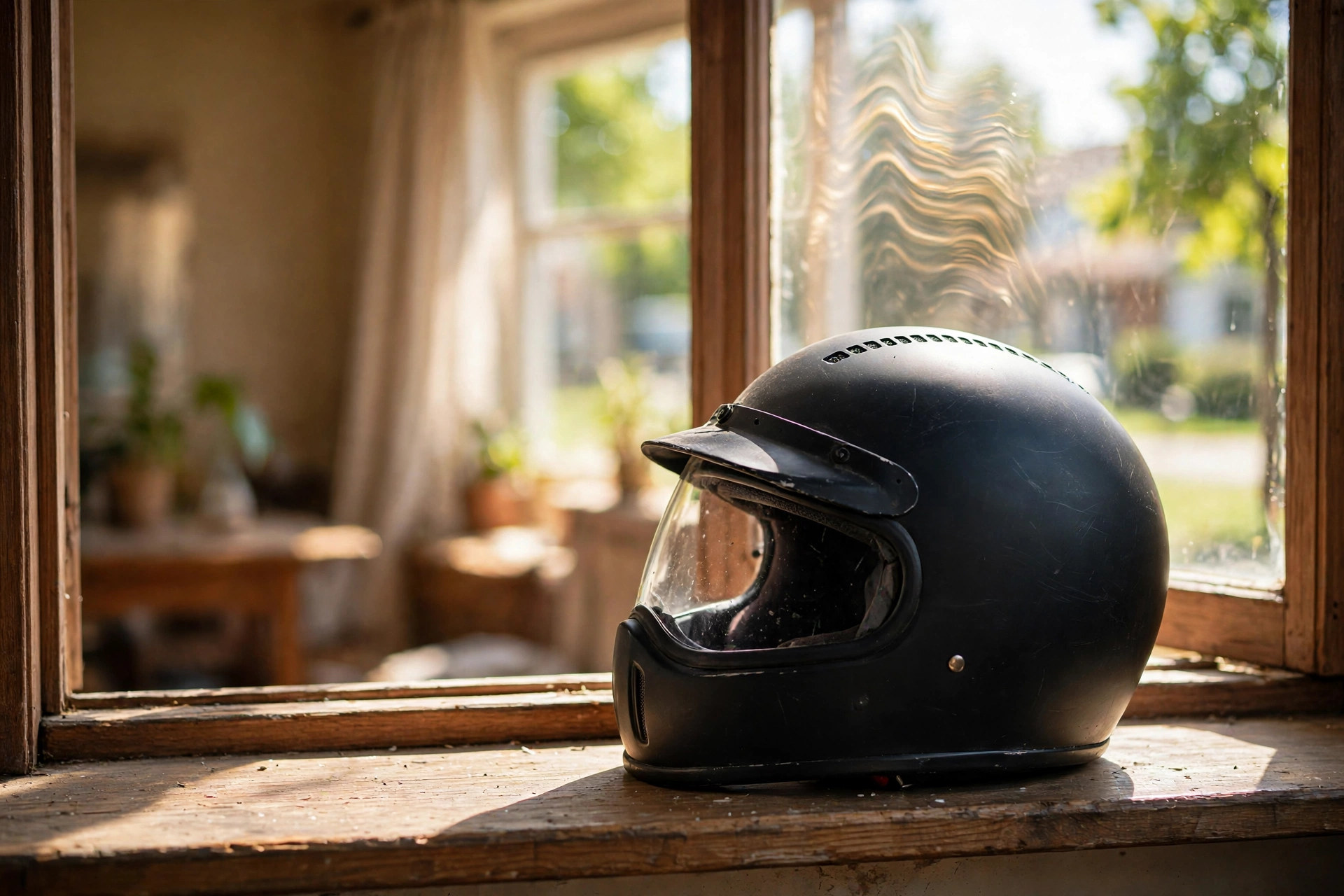
Yes, strong sunlight can damage a helmet shell over time, mainly through ultraviolet light. UV rays slowly break down the surface of the shell, which can lead to fading, a chalky or dull finish, and small surface cracks. The visor can be affected too, becoming cloudy or scratched more easily as its coatings wear. A helmet that lives outdoors or on a sunny windowsill will show these changes sooner than one stored in a dark cupboard.
Paint and stickers can also suffer, peeling or fading in strong sun, although this is mostly cosmetic. What matters more is the shell underneath: if you can see fine cracks, a rough texture, or a colour change across the shell, the material may be weakening. In general terms, sunlight alone will not ruin a good helmet quickly, but combined with heat and heavy use it shortens its life. Keeping the helmet out of direct sun when you are not wearing it is one of the simplest ways to slow this down.
How Does Sweat Affect a Helmet in Hot Weather?
Sweat is a big part of why helmets age faster in hot climates. On a hot ride you sweat more, and that sweat soaks into the comfort padding and the straps. Over time, salt and moisture can break down the padding foam, weaken stitching, and leave a smell that is hard to remove. Damp padding can also develop mould if the helmet is stored before it has dried, which damages the fabric and the foam underneath.
To slow this down, air the helmet out after every ride. Leave it somewhere with good airflow, visor open, so the inside can dry fully before you put it away. If the padding is removable, wash it now and then following the maker’s instructions, and let it dry completely before refitting. In general terms, a helmet that is allowed to dry between rides lasts longer and stays more comfortable than one that is sealed away damp in a bag or box.
What Are the Signs a Helmet Has Aged Too Soon?
The signs of a helmet ageing too soon are usually easy to spot once you know them. Look for a shell that feels brittle, has fine cracks, or has faded badly in the sun. Check the foam liner for hard spots, crumbling edges, or areas that stay flat when pressed. Padding that has gone thin, torn, or no longer springs back is another warning sign, as are straps that feel stiff, frayed, or no longer hold their adjustment.
Smell is another clue: a helmet that smells musty even after cleaning may have mould or deep sweat damage in the padding. If the helmet feels looser than it used to, even with the strap fastened, the padding or liner has probably compressed. In general terms, any one of these signs on its own may not mean the helmet is finished, but several together mean it is time to think about a replacement. When in doubt, have it checked or replace it rather than taking a chance.
How Should You Store a Helmet in a Hot Climate?
Store your helmet in the coolest, driest, darkest place you can find at home. A cupboard or shelf inside the house, away from windows, is far better than a garage, shed, or car boot, where temperatures climb high in the sun. Keep it out of direct sunlight and away from radiators or other heat sources. A helmet bag can help keep dust off, but only use it once the helmet is fully dry, or trapped moisture will work against you.
Rest the helmet on a flat surface or a helmet stand, rather than hanging it by its strap, which can stretch the strap over time. Keep it away from fuel, solvents, and strong cleaning chemicals, since fumes and splashes can damage the shell and liner. In general terms, good storage in a hot climate is simple: cool, dry, dark, and ventilated. These habits cost nothing and can add useful life to your helmet.
When Should You Replace a Helmet in Hot Weather?
Replace a helmet when it shows clear signs of ageing, has been in a crash, or no longer fits snugly, whatever the climate. In hot weather, check it more often, because wear shows up sooner. If the shell is cracked, the liner is crumbling or hard, the padding will not stay in place, or the straps are damaged, do not keep riding in it. A helmet that has been dropped hard or involved in a crash should be replaced even if the damage is not visible.
Many riders follow a rough replacement guide of a few years of regular use, but the real answer depends on how much you ride, how hot it is, and how well you look after the helmet. A lightly used helmet stored well may last longer, while a daily rider in a hot climate may need a new one sooner. To understand more about how modern helmets protect your head, it helps to read about what MIPS is for helmets. In general terms, if you are unsure whether your helmet is still safe, replacing it is the safer choice.
Do helmets expire faster in hot climates?
Yes, in general terms, heat, sunlight, and sweat can age a helmet sooner, so a helmet used in a hot climate may need replacing earlier than the same helmet used in cooler weather.
Can I leave my helmet in a hot car?
It is best not to. A car in the sun can get far hotter than the air outside, and repeated heat like that can weaken the shell, liner, and padding over time.
How can I make my helmet last longer in hot weather?
Keep it out of direct sun, let it dry fully after every ride, wash removable padding now and then, and store it in a cool, dry, dark place inside your home.

Olivia
Writer at Helmet Today, covering helmet reviews, fit and riding safety.