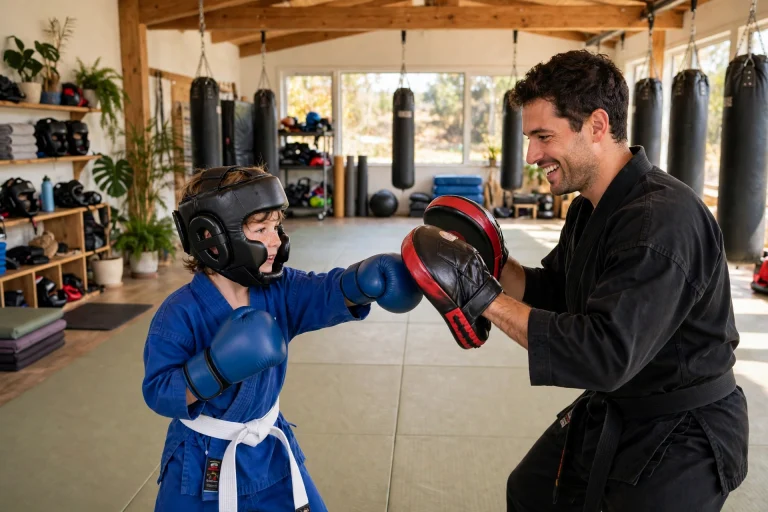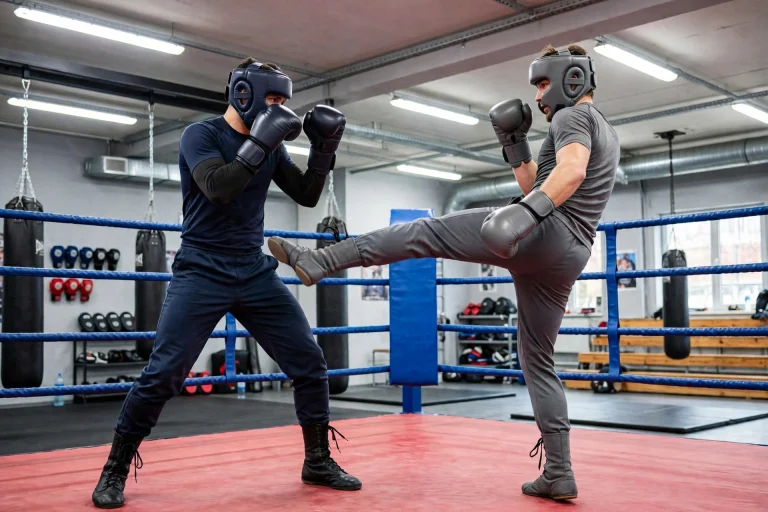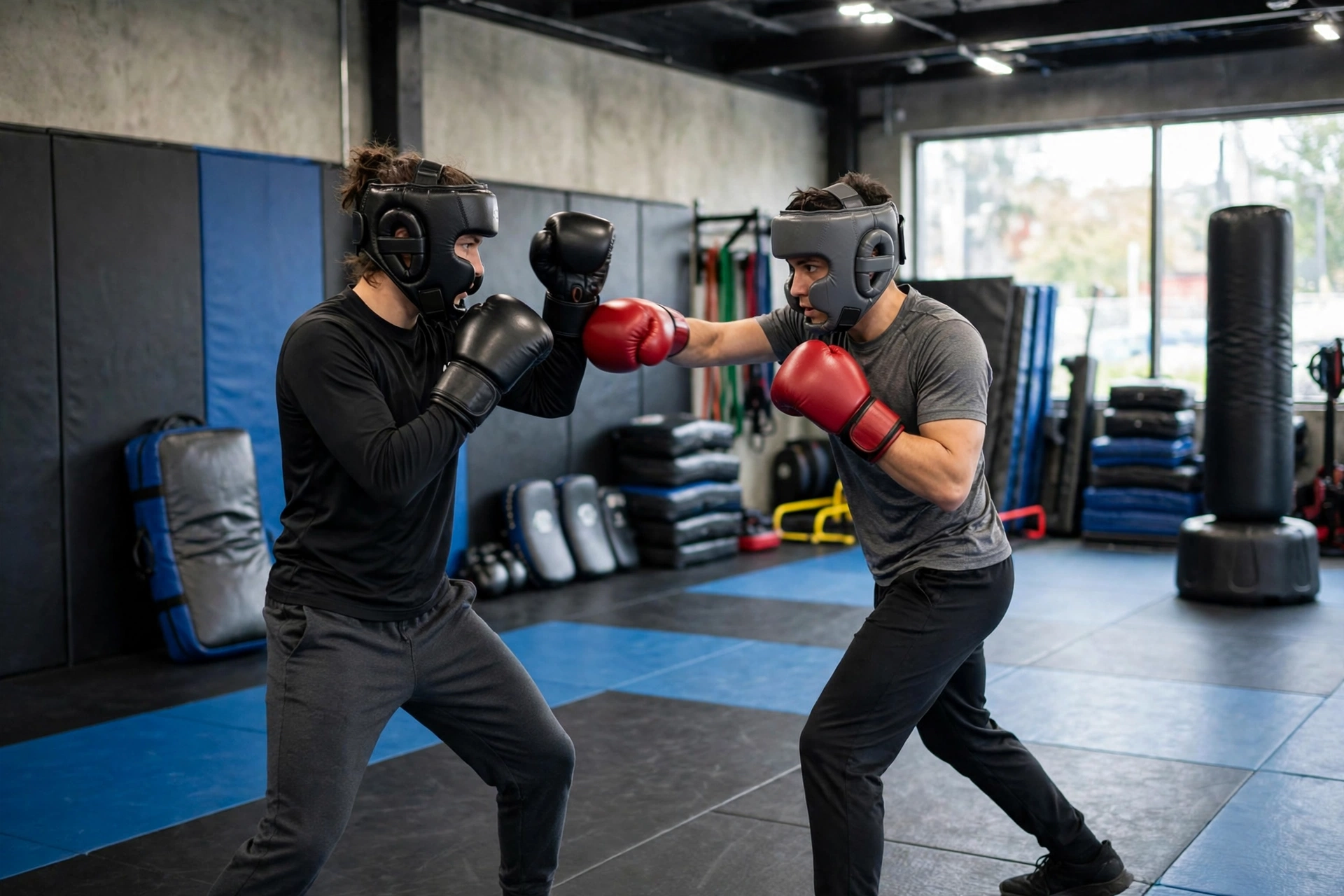
Krav Maga training headgear is padded protective gear worn during contact drills and sparring to reduce cuts, bruises, and ear injuries while practising self-defence techniques. Krav Maga is a practical self-defence system, not a sport, so there are no competitions and no standard bout rules — but training still involves punches, elbows, knees, and grabs aimed at the head. Headgear is worn for the contact parts of a class, where partners practise defences against realistic attacks at controlled speed and power.
Because Krav Maga training is about real-world defence, the contact can be intense: partners attack with intent, and the defender has to react under pressure. That makes protection important, especially for beginners who are still learning to keep their guard up. This guide explains what Krav Maga training headgear is, why it is used, what kind suits the system, and how to fit and replace it.
What Is Krav Maga Training Headgear?
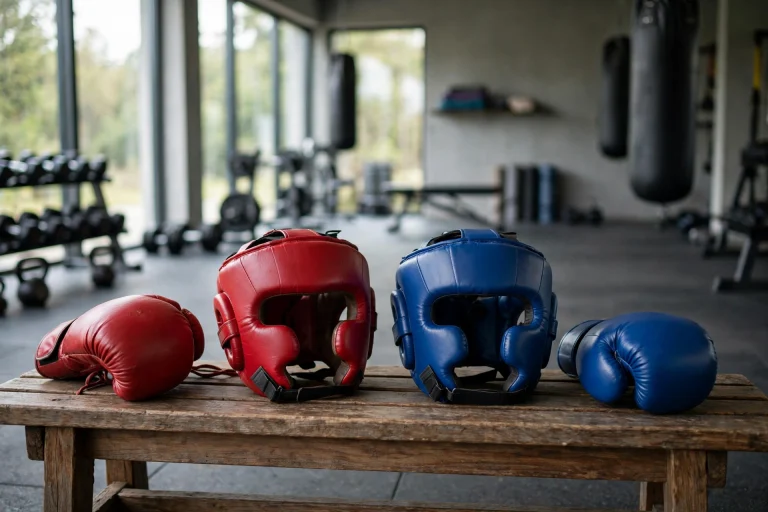
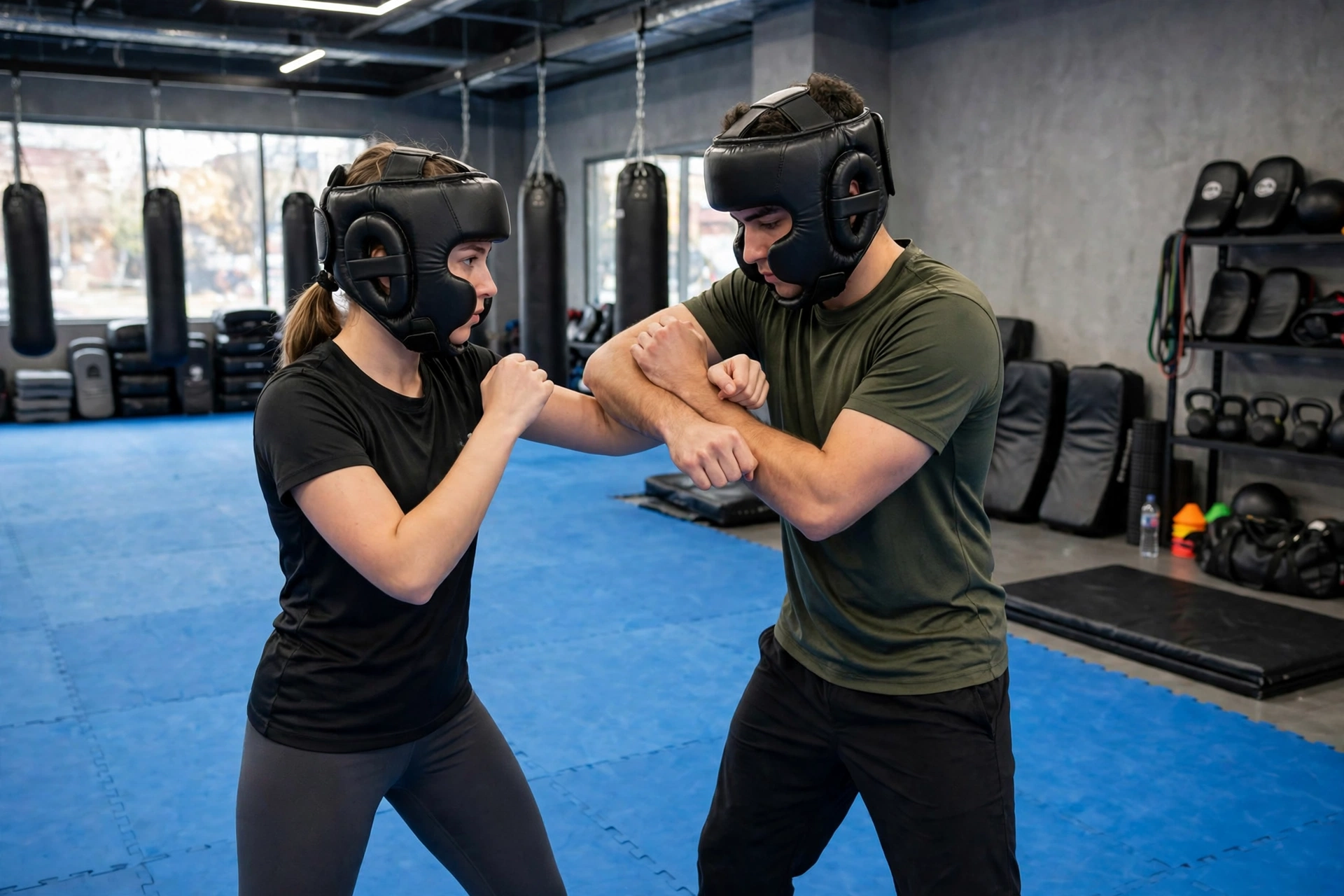
Krav Maga training headgear is a padded guard that covers the forehead, temples, cheeks, ears, and the back of the head, fastened with straps under the chin. It is usually made from synthetic leather or vinyl over layers of foam, in a design very similar to boxing or kickboxing headgear. The face stays open so the wearer can see, breathe, and keep a mouthguard in place during drills.
There is no single official Krav Maga head guard: schools use headgear borrowed from boxing, kickboxing, or mixed martial arts, depending on the type of drill. For striking drills, a boxing-style guard with good forehead and cheek coverage works well. For ground work and clinch drills, a lighter guard or a wrestling-style ear guard may be more practical, because a bulky guard can get in the way when the head is pressed against a partner’s body.
Why Is Headgear Used in Krav Maga Training?
The main reason is to keep training safe enough to repeat. Krav Maga drills are designed to be realistic, which means partners attack with genuine speed and intent, even if the power is controlled. Without headgear, even a controlled punch can cause a cut above the eyebrow or a swollen cheek, and a knee or elbow in the clinch can do worse. A padded guard takes the edge off those contacts and lets the class keep training week after week.
Headgear also helps students learn without fear. A beginner who is afraid of being hit will flinch, turn away, or freeze, and none of those reactions help them learn to defend themselves. When the student knows their head is protected, they can focus on the technique — the block, the counter, the movement — instead of worrying about the next strike. That confidence is an important part of learning self-defence, where hesitation can be costly.
What Kind of Headgear Suits Krav Maga Training?
For most Krav Maga classes, an open-face boxing or kickboxing guard is the best starting point. It gives good coverage of the forehead, temples, and cheeks, protects the ears, and leaves the face open for vision and breathing. The padding should be thick enough to soften a punch or an elbow, but not so bulky that it blocks your peripheral vision — you need to see attacks coming from the side, which is a big part of self-defence training.
If your classes include a lot of ground work or clinch drills, consider a lighter guard. A heavy, bulky head guard can make it hard to move on the ground, and it can be grabbed by a partner, which creates problems that do not exist in a striking-only class. Some students keep two guards: a padded striking guard for stand-up drills and a slim wrestling-style ear guard for ground work. That is not essential, but it can be a practical solution if your school trains both areas regularly.
How Should Krav Maga Headgear Fit?
A good fit is snug all round without pressing hard on any one spot. The guard should sit level, with the brow padding just above the eyebrows, and it should stay in place when you shake your head, duck, or turn quickly. If it slips during a drill, it will distract you and may leave part of your head exposed — which is exactly when you need it most. Try it on with your mouthguard in, as you would wear it in class.
Check your vision carefully. Look straight ahead, then glance left and right, and up and down: you need to see a partner’s hands, elbows, and knees clearly, and you need to notice movement at the edges of your view. A guard with very thick cheek padding can narrow that view, so balance protection against visibility. You should also be able to hear your instructor through the ear padding — if the guard muffles sound too much, try a different design.
The chin strap should fasten firmly and hold the guard in place without digging in. Velcro straps are the most common choice, because they are quick to adjust between drills and easy to tighten or loosen as needed. Lace-up designs take longer to put on but can be adjusted more precisely. Whichever fastening you choose, test it by moving through a few defences — a block, a duck, a turn — and check that the guard stays where it should. If you are learning about how helmets handle different kinds of impact, reading about what MIPS is for helmets can help you understand one of the technologies used in modern helmet design.
When Should You Replace Training Headgear?
Replace headgear when the foam stops springing back after you press it, or when the padding has gone flat in the places where blows land most often. Flat foam does not absorb impact evenly, so a guard that looks fine on the outside may no longer be doing its job. Press the padding all over before each class: if it feels thin, hard, or lumpy, it is time for a new one.
Check the straps and stitching just as carefully. Velcro loses its grip over time, especially if it picks up dust and fluff, and a strap that comes loose during a drill leaves the guard flapping. Stitching along the edges can come apart with regular use, and once a seam opens, the padding inside can shift or bunch up. A guard with a broken strap or an open seam should be repaired or replaced before the next class, not after.
In general terms, a guard used several times a week will last a year or two of regular training before the padding and straps start to wear out. That depends on how hard the training is and how well the guard is looked after: wiping it down after each session, letting it air-dry, and storing it away from heat will all extend its life. Keep an eye on the condition, and do not wait for it to fail during a drill to decide it needs replacing.
Frequently Asked Questions
Q: Is headgear required for Krav Maga training?
A: In general terms, yes, for contact drills and sparring in most schools — but there is no single governing body, so the exact rules depend on your instructor and your school.
Q: Can I use boxing headgear for Krav Maga?
A: In general terms, yes. A boxing or kickboxing guard suits most Krav Maga striking drills well, though a lighter guard may be better for ground work and clinch drills.
Q: Does Krav Maga headgear prevent concussion?
A: In general terms, no. It reduces cuts and bruises and softens blows, but it cannot stop the brain moving inside the skull, so training power should always stay controlled.

Olivia
Writer at Helmet Today, covering helmet reviews, fit and riding safety.