
Michigan off road vehicle laws can look simple until you get into permits, age limits, helmets, roads, and local rules. I found that the biggest issue is not finding places to ride. It is knowing exactly where your ORV is legal and what you need before you go.
I dug through the current Michigan DNR rules and state law to make this easier. Below, I’ll cover ORV licenses, trail permits, youth rules, helmets, road use, equipment, private land, and common mistakes.
What Counts as an ORV in Michigan?
Michigan uses the term ORV for several types of off-road vehicles. That can include ATVs, trail bikes, side-by-sides, and some other motorized vehicles built for off-road use.
The rules can change based on the machine, where you ride, and the rider’s age. That is why two people on different machines may have different legal requirements.
| Vehicle | Common example | Key point |
|---|---|---|
| ATV | Four-wheeler or quad | Youth age rules apply |
| Off-road motorcycle | Dirt bike or trail bike | Some trails are motorcycle-only |
| UTV/SxS | Side-by-side | Passenger and seat-belt rules matter |
Michigan has more than 4,000 miles of designated ORV trails, routes, eligible roads, and other riding areas.
That sounds like endless freedom, but there is a catch: you cannot simply ride anywhere that looks like a trail.
Michigan ORV License and Trail Permit Rules
This is one of the first things I would check before loading an ATV or dirt bike. A trail permit and an ORV license are not the same thing.
The current Michigan DNR fee is $26.25 for an ORV license. A trail permit costs $10, so both together cost $36.25. Both are valid from April 1 through March 31 of the following year.
| Where you ride | ORV license | Trail permit |
|---|---|---|
| Private land you own/control | Not required | Not required |
| State forest road open to ORVs | Required | Usually no |
| Designated ORV trail | Required | Required |
A street-licensed vehicle can have different requirements on certain designated routes. So I would not assume that a license plate automatically covers every ORV trail.
The DNR also notes that an ORV trail permit is not a stand-alone permit. The ORV license is required too when both are called for.
Where Can You Ride an ORV in Michigan?
This is where I think many new riders get into trouble. A dirt road, two-track, or open-looking path does not automatically mean ORVs are allowed.
Michigan has designated ORV trails and routes, state forest roads, scramble areas, and some local roads that may be open under local rules. The DNR provides maps showing current routes, trails, closures, and forest roads.
Can You Ride an ORV on Michigan Roads?
Sometimes, yes. But not every road is open.
Michigan counties may adopt rules that allow ORVs on certain roads. Before riding on a public roadway, the DNR advises checking with the local sheriff or county office to confirm which roads are open.
You also cannot simply use an M-road or U.S. highway because it connects two legal riding areas. Michigan law has specific limits, and approved ORV connector routes are limited segments rather than a blanket opening of state highways.
| Road situation | What to do |
|---|---|
| Designated ORV route | Check signs and map |
| Local county road | Check local ordinance |
| M or U.S. highway | Do not assume it is legal |
| Approved connector route | Follow the marked segment |
The practical lesson is simple: check the map before the ride, not after a conservation officer stops you.
Michigan ORV Laws for Kids
The youth rules are more detailed than many parents expect. Children under 16 generally need an approved ORV safety certificate and direct visual supervision by an adult.
The adult must be at least 18 and remain in constant visual contact.
How Old Do You Have to Be to Drive an ATV in Michigan?
A child under 10 generally cannot operate a four-wheel ATV. There is a narrow exception for private land during farm work.
Ages 10 and 11 have another limited exception for land owned by the child’s parent or guardian, with direct supervision and a safety certificate. Ages 12 through 15 can operate a four-wheel ATV with direct adult supervision and a valid ORV safety certificate.
| Age | 4-wheel ATV | Supervision |
|---|---|---|
| Under 10 | Generally no | Special farm exception |
| 10–11 | Limited private-land use | Adult + certificate |
| 12–15 | Yes | Adult + certificate |
| 16+ | Yes | Youth rules no longer apply |
No one under 16 may operate a three-wheel ATV.
There is also an important road-crossing rule. A child under 12 may not cross a street, highway, or county road while operating an ORV. Riders 12 and older may cross at right angles when the required supervision and safety certificate rules are met.
Are Helmets Required Under Michigan ORV Laws?
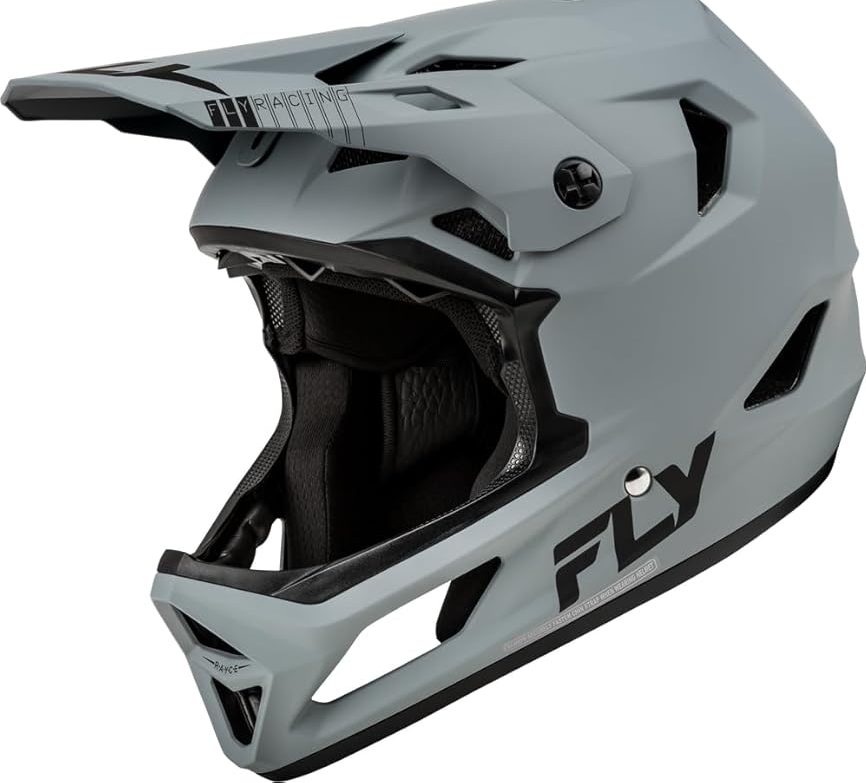
Yes, Michigan generally requires an ORV operator and passenger to wear a crash helmet and protective eyewear approved by the U.S. Department of Transportation.
There are legal exceptions, including certain private-property situations and some ORVs equipped with a qualifying roof when occupants use properly adjusted seat belts.
Even when an exception applies, I would still wear a helmet. Michigan DNR itself recommends always wearing one when riding.
When Can You Skip a Helmet?
The private-property exception has limits. For example, it does not apply to riders under 16. A 16- or 17-year-old needs parental or guardian consent to use that exception. Other exceptions also exist for specific situations, so the exact circumstances matter.
The safest approach is to treat a helmet and eye protection as standard gear rather than something to leave in the truck.
What Equipment Does Michigan Require on an ORV?
Michigan law covers more than permits. ORVs must meet equipment and operating requirements, including rules for brakes, brake lights in certain nighttime use, throttles, and lighting.
An ORV operated from one-half hour after sunset to one-half hour before sunrise must display a lighted headlight and taillight.
| Equipment or rule | Why it matters |
|---|---|
| Headlight and taillight | Required for certain nighttime operation |
| Braking system | Must meet state requirements |
| Helmet and eye protection | Required in most situations |
| Passenger seating | Vehicle must be made to carry passengers |
One rule that is easy to miss concerns passengers. You cannot carry a passenger unless the ORV was manufactured with provisions for carrying passengers.
That means putting a friend on the back of a single-seat ATV is not something to treat casually.
Michigan ORV Speed and Driving Rules
Michigan does not give you one simple maximum speed for every designated ORV trail.
Instead, the law says an ORV cannot be operated faster than is reasonable and proper for the conditions, or in a careless manner.
That matters because trail conditions change fast. Mud, loose sand, blind corners, rocks, dust, and two-way traffic can make a speed that feels fine on one section unsafe on another.
Michigan DNR says speed is the main contributing factor in ORV and snowmobile crashes and fatalities.
I would also remember that designated trails can have riders coming toward you. Staying to the right is not just polite. It is part of safe trail riding.
What Is Illegal While Riding an ORV?
Some rules have little to do with the machine itself. They focus on how you operate it.
Michigan law prohibits careless operation and several other activities, including using an ORV to pursue or kill animals, leaving litter, and carrying open alcoholic liquor in prohibited situations.
| Common mistake | Better approach |
|---|---|
| Riding after drinking | Ride sober |
| Carrying an open drink | Keep alcohol properly stored |
| Chasing wildlife | Stay focused on riding |
| Leaving the trail | Follow signs and designated areas |
| Carrying extra passengers | Use only approved seating |
These rules can also protect access to trails. Noise, trespassing, and careless riding can cause landowners to stop allowing routes across their property. Michigan DNR has noted that private property is part of some trail systems.
Can You Ride an ORV on Private Property?
Yes, but private land does not mean every ORV rule disappears.
Michigan exempts ORVs from the license and trail-permit requirement when they are operated exclusively on land owned or controlled by the owner.
Still, age, helmet, equipment, and other rules can apply.
One detail I would never overlook is permission. A piece of land that looks unused is not automatically public riding land. Private property rights still apply, including on some forest lands where public recreation is allowed only under specific rules.
Michigan ORV Laws at Silver Lake Are Different
If you plan to ride at Silver Lake State Park, do not rely only on the general rules.
The Silver Lake ORV Area has special requirements. Depending on the vehicle, these can include an orange safety flag, seat belts, eye protection, a DOT-approved helmet, noise limits, and a spark arrester.
The area also has special age and licensing rules. For example, operators 16 and older must have a valid, unrestricted driver’s or chauffeur’s license there.
This is a good example of why checking the rules for the exact riding area matters.
Mistakes I Would Avoid Before an ORV Ride
When I compared the rules, the biggest theme was that small assumptions can create big problems. The permit, road, age, and equipment rules all depend on the situation.
Here are the checks I would make before leaving home:
- Check the current DNR map.
- Confirm the road or trail is open.
- Buy the required ORV license.
- Add the trail permit when required.
- Carry a youth safety certificate if applicable.
- Check helmets and eye protection.
- Make sure passengers have approved seating.
- Check lights and brakes.
- Look for seasonal closures.
- Follow local signs and posted rules.
The DNR maps are especially useful because roads and trails can close or change. Michigan has thousands of miles of state forest roads open to ORV use, but not every forest road is open at every time.
Final Thoughts on Michigan Off Road Vehicle Laws
The biggest thing I learned from digging into Michigan off road vehicle laws is that there is no single rule that covers every ride. Your machine, age, location, road, permit status, and even the type of trail can change what is required.
My practical advice is to check the Michigan DNR rules and current map before every ride. Spend a few minutes doing that at home, and you are far less likely to spend your riding day dealing with a ticket, closed trail, or avoidable safety problem.
FAQ
Do you need an ORV license in Michigan?
Yes, for most public ORV riding. Private land owned or controlled by the owner is generally exempt. Check the DNR rules for your exact riding area.
How much is an ORV license in Michigan?
The Michigan ORV license costs $26.25. A trail permit costs $10 more when required, making the total $36.25.
Can you ride an ATV on Michigan roads?
Only on roads where ORV use is allowed. Local rules matter, and M and U.S. highways are not generally open to ORVs.
Does a child need an ORV safety certificate in Michigan?
Yes. Riders under 16 must pass an approved ORV course, carry the certificate, and have direct visual supervision by an adult.
Are helmets required on ORVs in Michigan?
Yes, in most cases. Michigan law requires a DOT-approved crash helmet and protective eyewear, with limited legal exceptions.

Olivia
Writer at Helmet Today, covering helmet reviews, fit and riding safety.