
When I first looked into Michigan side by side helmet laws, I noticed how easy it is to mix up a side-by-side with an ATV. They are both off-road vehicles, but Michigan treats them differently in some important ways.
The biggest thing I learned is that Michigan’s ORV helmet rule has an exception for a vehicle with a qualifying roof when everyone is wearing a properly adjusted and fastened seat belt. That makes the rules for a side-by-side different from the simple helmet rule many riders know for an ATV.
What Are the Michigan Side by Side Helmet Laws?
Michigan law generally requires people operating or riding as passengers on an ORV to wear a crash helmet and protective eyewear approved by the U.S. Department of Transportation. However, the law provides an exception when the ORV has a roof that meets or exceeds the applicable crash-helmet standard and the operator and each passenger wear a properly adjusted and fastened safety belt.
That exception is the part I would pay the most attention to if you own a side-by-side.
| Side-by-side setup | Helmet rule |
|---|---|
| Qualifying roof + seat belts worn | Helmet exception may apply |
| No qualifying roof | Helmet required |
| Roof present but seat belt not worn | Helmet exception does not apply |
So, saying “Michigan requires helmets on every side-by-side” is too simple.
The vehicle’s equipment and how the occupants are secured both matter.
Does Michigan Require a Helmet on a UTV or Side-by-Side?
Not always.
Michigan classifies a side-by-side or UTV as an ORV, rather than an ATV. The state’s DNR specifically says that SXS/UTV vehicles do not fit the legal definition of an ATV.
For a side-by-side with a qualifying roof and properly used seat belts, Michigan’s ORV law provides an exception to the helmet requirement.
This is one of those details that can save you from following the wrong advice. A four-wheel ATV and a four-wheel side-by-side may look like they belong under the same rule, but they do not have the same setup.
Why does the roof matter?
The law treats a qualifying roof as an alternative form of head protection.
But the exception is tied to both the roof and properly adjusted, fastened safety belts. Having a roof alone is not enough.
| What you have | What matters |
|---|---|
| Roof | Must meet the required standard |
| Seat belt | Must be properly adjusted and fastened |
| Both together | Helmet exception can apply |
I would not assume that any aftermarket roof automatically qualifies. If you have modified the vehicle, it is worth checking the exact requirements rather than guessing.
Do You Need a Helmet on a Side-by-Side With a Roof?
If the side-by-side has a roof that meets or exceeds the required crash-helmet standard and every occupant wears a properly adjusted and fastened safety belt, the Michigan ORV law provides an exception to the helmet requirement.
This is probably the most useful answer for most side-by-side owners.
Still, I would personally keep helmets available for everyone. Off-road riding can involve rocks, branches, rollovers, jumps, and sudden changes in terrain. A roof helps, but it does not make the vehicle crash-proof.
Michigan DNR itself tells ORV riders to always wear a helmet as part of its general “Ride Right” safety guidance.
What if one passenger does not wear a seat belt?
This is where people can get into trouble.
The exception applies when the operator and each passenger are wearing a properly adjusted and fastened safety belt. If an occupant is not secured, I would not rely on the helmet exception.
The simple habit is to buckle everyone before moving.
Are Seat Belts Required in a Michigan Side-by-Side?
Seat belts are a major part of the side-by-side rules, especially where the vehicle is equipped with automotive-style seating.
At Silver Lake State Park, for example, Michigan DNR requires a seat belt for each occupant of a side-by-side. Its rules also require eye protection and/or a windshield for side-by-sides.
Michigan DNR’s broader land-use rules also address seat-belt use for ORVs in areas under DNR control.
| Occupant situation | Practical rule |
|---|---|
| Driver | Buckle the seat belt |
| Front passenger | Buckle the seat belt |
| Rear passenger | Use the installed restraint |
I think this is one of the easiest things to overlook. People climb into a side-by-side, start chatting, and someone forgets to buckle up. That small mistake can affect whether the helmet exception applies.
Does the Michigan Helmet Rule Apply to Passengers?
Yes. Michigan’s ORV helmet provision covers both the person operating the ORV and passengers.
That means you should not think of the helmet rule as something that applies only to the driver.
The same roof-and-seat-belt exception can apply to passengers when the legal conditions are met.
Can passengers sit anywhere in a side-by-side?
They should use the seating positions designed for occupants.
Michigan DNR enforcement reports show that improper passenger placement can lead to citations. In one 2025 case, officers stopped a side-by-side with juveniles riding in the bed even though seats were available inside the cab.
That is a good real-world lesson: having room somewhere in the vehicle does not mean that spot is a legal passenger seat.
| Passenger location | Better practice |
|---|---|
| Factory seat | Use it and buckle up |
| Cargo bed | Do not treat it as a passenger seat |
| Unsecured area | Keep passengers out |
What Are the Michigan Side by Side Helmet Laws at Silver Lake?
Silver Lake State Park deserves special attention because it has its own detailed ORV requirements.
Michigan DNR lists side-by-side/UTV requirements that include an orange safety flag, a seat belt for each occupant, eye protection and/or a windshield, a 94 dB sound limit, and a USFS-approved spark arrester exhaust system. The listed side-by-side requirements do not include the same DOT helmet requirement listed for ATVs and motorcycles.
Silver Lake’s general ORV equipment rules also state that automotive-style vehicles must have individual seat belts and rollover protection for occupants.
Are Silver Lake rules different from normal trail riding?
They can be.
Silver Lake has special operating rules because it is a busy, managed ORV area. The DNR specifically tells riders to learn the rules before arriving.
So if your trip is to Silver Lake, I would check its current rules instead of relying only on what you normally do on a local trail.
Do Kids Have Different Side-by-Side Rules in Michigan?
Yes. Youth ORV rules are an important part of Michigan law.
Michigan DNR says operators under 16 who ride ORVs on public or private land must complete an approved ORV education course, carry an ORV safety certificate, and have direct visual supervision by an adult.
The age chart also has specific rules for different types of ORVs.
| Rider age | General ORV rule |
|---|---|
| Under 10 | Strict limits apply |
| 10–15 | Certificate and supervision rules apply |
| 16+ | Youth certificate rule no longer applies |
There is another important point here: Michigan DNR says side-by-sides are ORVs, not ATVs. So do not use the ATV age chart as though it automatically describes every SXS situation.
Can a child drive a side-by-side?
This depends on the specific vehicle, location, and applicable rules.
At Silver Lake State Park, Michigan DNR specifically says SXS/UTV vehicles cannot be operated there by anyone under 16.
That is a good example of why location matters.
A rule for one ORV area should not automatically be treated as the statewide rule for every piece of private or public property.
What Helmet Should You Wear on a Michigan Side-by-Side?
Even when the law gives a side-by-side occupant an exception, wearing a helmet can still be a smart safety choice.
Michigan DNR recommends that ORV riders always wear helmets. Its safety guidance also recommends riding at a safe speed, staying sober, keeping lights on, and carrying passengers only when the machine was made to carry them.
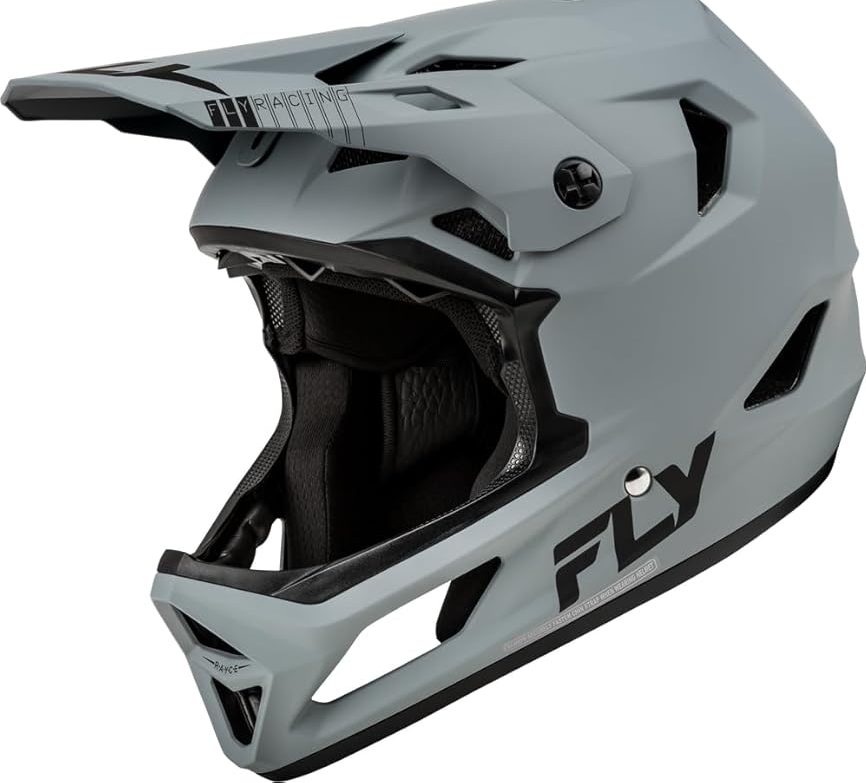
If you choose to wear one, I would use a proper motorcycle or powersports helmet rather than a thin novelty helmet.
For an ATV or another ORV where a helmet is required, Michigan law specifies a crash helmet and protective eyewear approved by the U.S. Department of Transportation.
| Riding situation | My practical choice |
|---|---|
| Side-by-side with legal helmet exception | Still wear a helmet |
| ATV | Wear required helmet and eye protection |
| Rough or rocky trail | Helmet is especially sensible |
The legal exception answers the question of what you may be allowed to do. It does not mean going without a helmet carries no risk.
What Other Safety Rules Matter for Michigan Side-by-Sides?
Helmet rules are only one small part of Michigan ORV law.
Your side-by-side also needs to meet applicable equipment, operating, licensing, and trail rules. Michigan DNR says ORV riders must operate at a reasonable speed and avoid careless operation.
At managed areas such as Silver Lake, additional equipment rules can apply.
| Item | Why it matters |
|---|---|
| Seat belts | Keep occupants secured |
| Eye protection/windshield | Protects eyes from dust and debris |
| Safety flag | Helps improve visibility |
| Spark arrester | Required in specified riding areas |
The exact list can change by riding area, so I would check the local rules before loading the machine onto the trailer.
Common Mistakes With Michigan Side-by-Side Helmet Laws
The mistakes I see most often when researching these rules come from mixing different ORV types or assuming one riding area has the same rules as another.
Here are the ones I would avoid.
| Mistake | Better approach |
|---|---|
| Treating a SXS like an ATV | Check the ORV classification |
| Assuming a roof alone removes helmet rules | Check the roof and seat-belt exception |
| Ignoring passenger restraints | Buckle every occupant |
| Using an old internet post | Check current Michigan DNR rules |
Michigan DNR enforcement reports show that officers do issue citations for ORV safety violations, including helmet and eye-protection violations.
So this is not just paperwork that nobody checks.
What I Would Check Before a Michigan Side-by-Side Ride
Before riding, I would take a few minutes to confirm the vehicle and the riding area.
My basic checklist would be:
- Is the side-by-side properly equipped?
- Does every occupant have a proper seat?
- Are all seat belts working?
- Is everyone buckled?
- Is the roof the type required for the helmet exception?
- Do you need eye protection or a windshield?
- Does the riding area have extra rules?
- Does the driver meet the age and license requirements?
For younger operators, I would also confirm the ORV safety certificate and direct adult supervision requirements. Michigan DNR says these requirements apply to operators under 16 on public or private land.
Final Thoughts
The most important thing I learned about Michigan side by side helmet laws is that the answer is not simply “helmets are required” or “helmets are optional.” Michigan’s ORV law has a specific exception for an ORV with a qualifying roof when the operator and every passenger are wearing properly adjusted and fastened safety belts.
For me, the practical approach is even simpler. Buckle everyone in, use the seats the vehicle was built for, follow the rules for the riding area, and wear a helmet even when the law gives you an exception. It adds one more layer of protection when the trail gets rough or something unexpected happens.
Frequently Asked Questions
Do you have to wear a helmet in a side-by-side in Michigan?
Not always. A qualifying roof and properly worn seat belts can create an exception to Michigan’s ORV helmet rule. Check the riding area’s rules too.
Is a side-by-side considered an ATV in Michigan?
No. Michigan DNR says a side-by-side or UTV does not fit the legal definition of an ATV. It is classified as an ORV.
Can you ride a UTV without a helmet in Michigan?
A helmet exception can apply when the UTV has a qualifying roof and all occupants wear properly adjusted and fastened seat belts.
Do side-by-side passengers need helmets in Michigan?
The ORV helmet rule covers passengers, but the roof-and-seat-belt exception can apply. Local riding areas may add their own requirements.
Do kids need an ORV safety certificate in Michigan?
Yes. Michigan DNR says ORV operators under 16 must complete an approved course, carry the certificate, and have direct adult supervision.

Olivia
Writer at Helmet Today, covering helmet reviews, fit and riding safety.