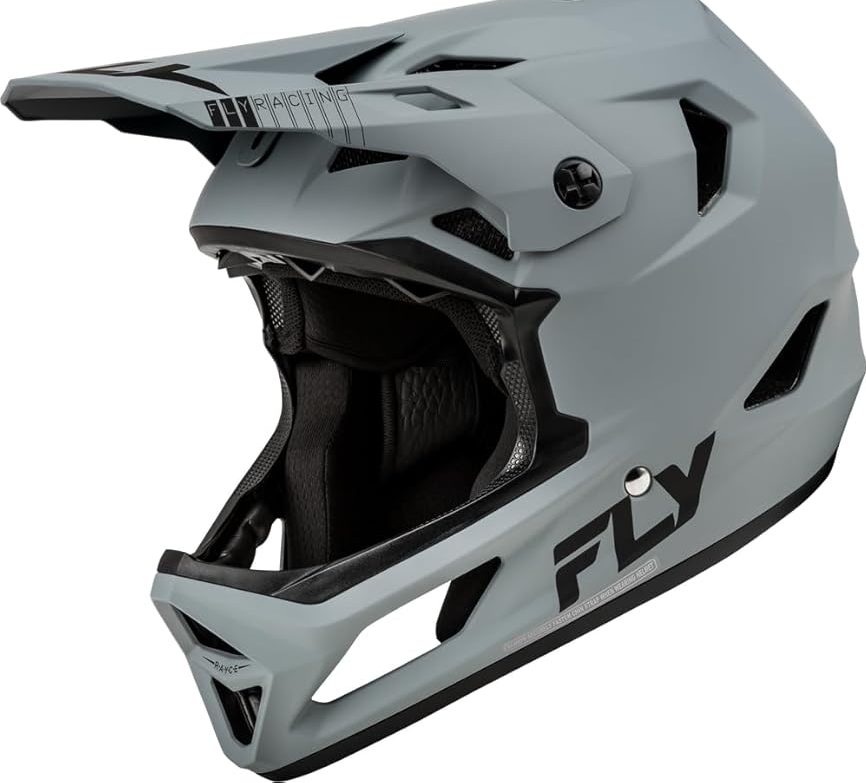

If you are searching for the used ATV helmet law in Michigan, there is one thing I would clear up first: Michigan’s ORV law does not create a special helmet rule just because the helmet is used. The key question is whether the helmet meets the required standard and is suitable for use.
I found this worth checking closely because buying a used helmet can be tempting. It may look fine on the outside but still have hidden damage. Michigan requires an ORV operator or passenger to wear a crash helmet and protective eyewear approved by the U.S. Department of Transportation, unless a legal exception applies.
Does Michigan Allow a Used ATV Helmet?
Yes. Michigan law does not say an ATV helmet must be brand new.
The rule is about the helmet standard, not where you bought it. A used helmet can be legal if it meets the required DOT standard and is in safe condition.
| Used helmet question | What matters |
|---|---|
| Was it bought secondhand? | That alone does not make it illegal |
| Is it DOT compliant? | This matters |
| Does it have damage? | Replace it if damaged |
| Does it fit correctly? | A proper fit is important |
That said, I would be careful with a secondhand helmet. This is one of those cases where saving money can create a problem you cannot see.
What Does Michigan’s ATV Helmet Law Require?
Michigan treats an ATV as an ORV. Under MCL 324.81133, an individual operating or riding as a passenger on an ORV must wear a crash helmet and protective eyewear approved by the U.S. Department of Transportation.
The Michigan DNR also tells ORV riders to always wear a helmet as part of its safety guidance.
So, if you are riding a normal four-wheel ATV on a Michigan trail, the basic rule is easy.
Wear the required helmet and eye protection.
Does “Used” Change the Law?
No. The law does not create one rule for new helmets and another for used helmets.
What changes is the condition of the helmet. A used helmet with cracks, damaged padding, a bad strap, or an unknown crash history is a poor choice even if it once met the DOT standard.
| Helmet condition | My take |
|---|---|
| Used but clean and undamaged | May be usable |
| Used with unknown crash history | Avoid |
| Cracked shell or damaged liner | Replace |
| Missing or damaged strap | Replace |
The Michigan State Police also warns that helmets bought from individuals, swap meets, shows, or non-reputable dealers may not comply with federal standards. It recommends checking the helmet’s markings and paperwork.
How Do I Check a Used ATV Helmet?
This is the part I would spend the most time on.
A used helmet can look almost new while hiding a problem. I would check the outside, inside, strap, fasteners, and certification markings before putting it on.
Look for the DOT Marking
Michigan’s helmet guidance points riders toward helmets that meet U.S. Department of Transportation standards. The Michigan State Police says compliant helmets should have the proper DOT indication and related manufacturer information.
Do not stop at a sticker, though. A suspiciously cheap helmet with vague markings deserves extra caution.
| Check | What to look for |
|---|---|
| DOT marking | Proper compliance label |
| Shell | No cracks or major damage |
| Liner | No crushed or damaged areas |
| Strap | Strong and secure |
| Buckle | Works correctly |
I would also check the brand and model. If the seller cannot tell you where the helmet came from, I would rather walk away than guess.
Should You Buy a Used ATV Helmet?
You can, but I would be selective.
The biggest issue is not that the helmet is secondhand. The issue is that you may not know what happened to it before you got it.
A helmet can absorb impact during a crash without showing dramatic damage on the outside. That is why an unknown history bothers me more than a few scratches.
A Used Helmet’s History Matters
If someone tells you, “It was never crashed,” that is useful. But you still need to inspect it.
I would be much more comfortable buying a used helmet from someone I trust who can explain its history than buying an unknown helmet from a random seller.
| Seller situation | Risk level |
|---|---|
| Friend with known history | Lower |
| Reputable used-gear seller | Moderate |
| Unknown online seller | Higher |
| Helmet with unknown crash history | Avoid |
The Michigan State Police specifically cautions that helmets purchased from individuals and non-reputable dealers may not comply with federal standards.
When Should You Throw Away a Used ATV Helmet?
A used helmet should go straight to the trash if it has obvious damage or signs of a serious impact.
I would not try to repair a cracked helmet or replace random pieces and assume it is good again. A helmet is safety gear, not a piece of furniture.
Look for:
- Cracks in the outer shell
- Crushed or damaged inner padding
- Broken straps
- A damaged buckle
- Loose parts
- Heavy wear from an old crash
- Missing certification information
- Signs of heat or chemical damage
Michigan’s motorcycle helmet guidance also says helmets should have no obvious defects, such as cracks, loose padding, or frayed straps, and should fasten securely.
What About an Old but Unused Helmet?
Age alone is not the same as crash damage.
Still, an old helmet deserves a careful inspection. Materials can wear over time, especially if the helmet was stored in heat, sunlight, moisture, or poor conditions.
If the history is unclear, I would not gamble with it.
Does Michigan Require Eye Protection With an ATV Helmet?
Yes. Michigan’s ORV helmet rule covers both the crash helmet and protective eyewear.
That means buying a used ATV helmet does not finish your safety checklist.
Dust and small bits of debris can make trail riding miserable. Eye protection also helps when another ORV is ahead of you on a dry trail.
| Gear | Purpose |
|---|---|
| DOT-approved helmet | Head protection |
| Goggles or other eye protection | Protects eyes |
| Gloves | Better grip and hand protection |
| Boots | Protect feet and ankles |
The Michigan DNR specifically lists DOT-approved helmets and eye protection for ATVs at the Silver Lake ORV Area.
Are There Exceptions to Michigan’s ATV Helmet Rule?
Yes. Michigan law has specific exceptions.
The most notable one applies when an ORV has a roof that meets or exceeds the standards for a crash helmet and the operator and passengers are wearing properly adjusted and fastened safety belts.
That exception is more relevant to side-by-sides and other sit-in ORVs than to a normal ATV.
| Situation | General result |
|---|---|
| Normal ATV riding | Helmet required |
| Side-by-side with qualifying roof + belts | Exception may apply |
| ATV at a special riding area | Check local rules |
| Unclear situation | Wear the helmet |
For example, Silver Lake has its own rules. The Michigan DNR says DOT-approved helmets are required there, along with eye protection and other vehicle equipment.
So I would never assume that a statewide exception applies at every ORV park.
What About Kids Riding Used ATVs?
The helmet rule is only one part of the picture for young riders.
Michigan DNR has separate age restrictions for ORVs. Children under 16 generally need an approved ORV safety course, must carry the safety certificate, and must have direct visual supervision from an adult.
For four-wheel ATVs, Michigan’s DNR guidance says children under 10 generally cannot operate one, with a limited farm-work exception on private land. Ages 10–11 have another limited exception, while ages 12–15 can operate a four-wheel ATV with an ORV safety certificate and direct adult supervision.
| Age | Four-wheel ATV rule |
|---|---|
| Under 10 | Generally not allowed |
| 10–11 | Limited private-land exception |
| 12–15 | Certificate + direct supervision |
| 16+ | Different youth restrictions no longer apply |
A used helmet does not change these age rules.
Common Used ATV Helmet Mistakes
There are a few mistakes I would avoid.
The first is assuming that a helmet is safe because it looks clean. The second is trusting a cheap online listing that says “DOT approved” without checking the helmet itself.
Michigan DNR records show that conservation officers do enforce helmet rules. In one 2026 report, an ATV operator was cited for failing to wear the required helmet and eye protection.
| Mistake | Better choice |
|---|---|
| Buy based only on appearance | Check shell, liner, strap, and label |
| Ignore crash history | Ask the seller directly |
| Trust a vague DOT claim | Check compliance markings |
| Skip eye protection | Carry proper eye protection |
| Assume private land changes everything | Check the exact legal exception |
One particularly bad idea is treating a novelty helmet as an ATV safety helmet. Looking like a helmet and being approved as a crash helmet are two very different things.
My Simple Used Helmet Check
If I were looking at a used ATV helmet, I would take a few minutes before handing over any money.
First, inspect the shell. Then check the liner and strap. Look for the required DOT information. Ask the seller whether it has ever been in a crash.
If the seller gets vague when you ask about its history, that is my signal to move on.
A Quick Buying Checklist
You can use this simple check when shopping for a used helmet:
- Check the DOT compliance marking.
- Inspect the shell for cracks.
- Press and inspect the inner liner.
- Test the chin strap.
- Check the buckle.
- Look for loose or missing parts.
- Ask about crashes.
- Ask how the helmet was stored.
- Make sure it fits your head well.
- Replace it if its history is unknown.
A helmet that does not fit properly is not a good bargain. Comfort matters too because a helmet that moves around or causes pressure points can become distracting on a long trail ride.
Final Thoughts
The used ATV helmet law in Michigan does not ban secondhand helmets. Michigan’s rule focuses on wearing a crash helmet and protective eyewear that meet the required U.S. Department of Transportation standard, unless a specific ORV exception applies.
My biggest takeaway is simple: used is not automatically unsafe, but unknown history is a problem. If you can confirm the helmet’s condition, compliance, fit, and history, you have a much better starting point. If you cannot, buying a new approved helmet is the safer choice.
FAQs About Used ATV Helmet Law in Michigan
Can you use a used ATV helmet in Michigan?
Yes. Michigan does not ban used ATV helmets. The helmet must meet the required DOT standard, fit well, and be free from damage that could reduce protection.
Does Michigan require a DOT helmet on an ATV?
Yes. Michigan’s ORV law requires riders to wear a crash helmet and protective eyewear approved by the U.S. Department of Transportation unless an exception applies.
Can I sell a used ATV helmet in Michigan?
Yes. Michigan’s ORV law does not ban the sale of used helmets. Buyers should still check the helmet’s DOT marking, condition, fit, and crash history.
Should I buy a used ATV helmet?
You can, but check it with care. Avoid helmets with cracks, worn liners, bad straps, or an unknown crash history. A new helmet is often the safer choice.
Do ATV passengers need helmets in Michigan?
Yes. Michigan’s ORV helmet rule applies to both operators and passengers. A specific legal exception must apply before a rider can go without the required helmet.

Olivia
Writer at Helmet Today, covering helmet reviews, fit and riding safety.