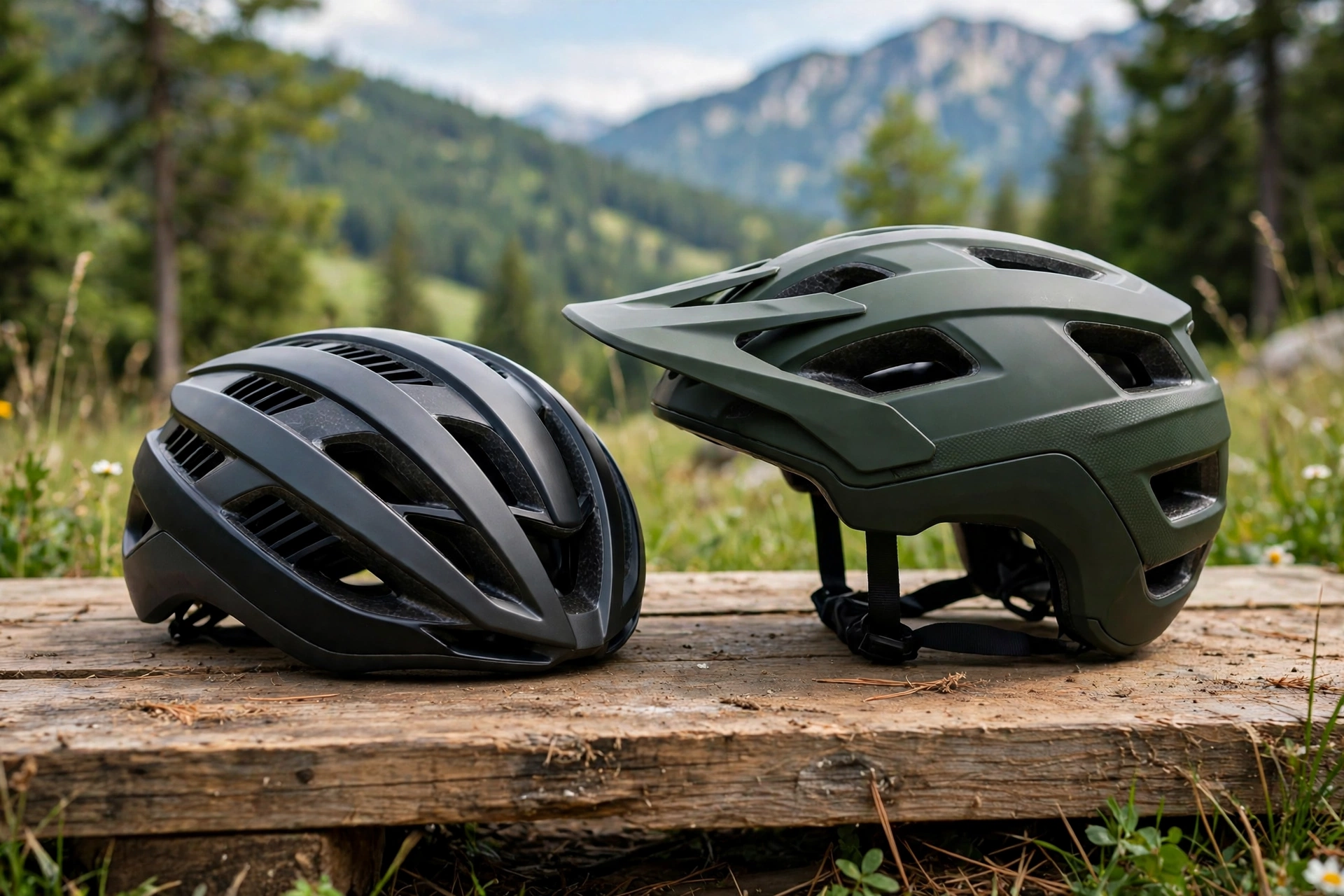
Road bike helmets and mountain bike helmets are tested to the same safety standard, but they are built for different jobs: a mountain bike helmet drops lower over the back and sides of your head and adds a visor and goggle-friendly shape, while a road helmet is lighter, more heavily vented, and shaped for aerodynamics.
Neither is “safer” overall in the lab — both must pass the same CPSC test to be sold in the US. The real difference is which risks each design expects. Here is how to choose, and when one helmet can honestly do both jobs.
How Does Coverage Differ Between Road and Mountain Bike Helmets?
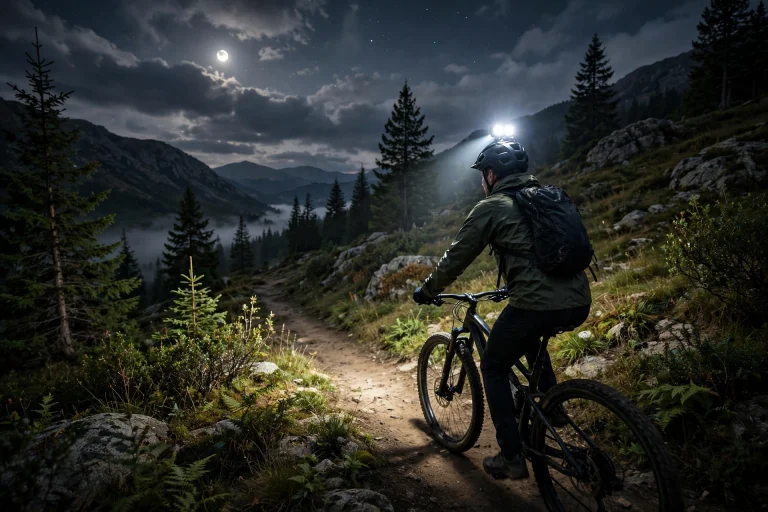
Coverage is the biggest difference. Mountain bike helmets extend lower at the back and sides, wrapping more of the occipital and temporal areas. Trail crashes are unpredictable — over the bars, sideways off a loose corner, backward down a slope — so the shell guards more of the skull, especially the back of the head.
Road helmets sit higher and trim coverage to the areas most at risk in road crashes, which keeps weight down and ventilation up. The trade-off is real, though: that exposed lower back of the head is exactly what trail riders hit in backward falls, which is why borrowing a road helmet for the trails leaves a genuine gap in protection.
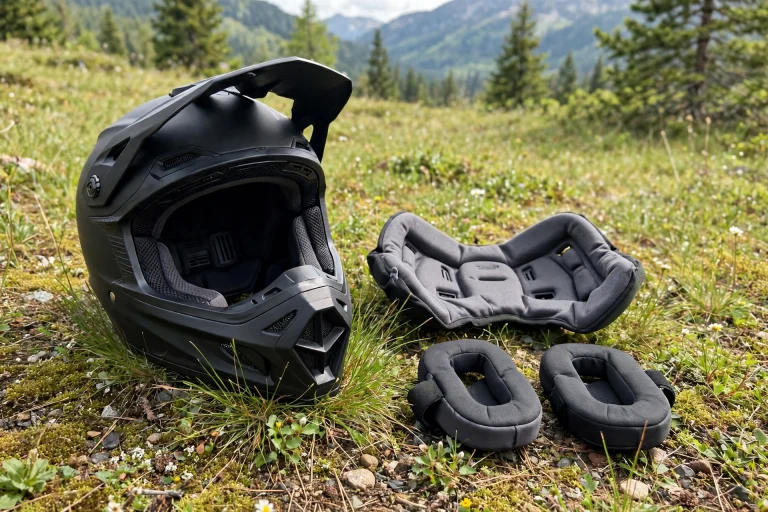
Half-shell trail helmets sit between full-face and road designs, while enduro and downhill riders step up to full-face models. But within the common half-shell category, “more coverage at the back” is the quickest way to recognize a mountain bike helmet on the shelf.
Why Do Mountain Bike Helmets Have Visors and Road Helmets Don’t?
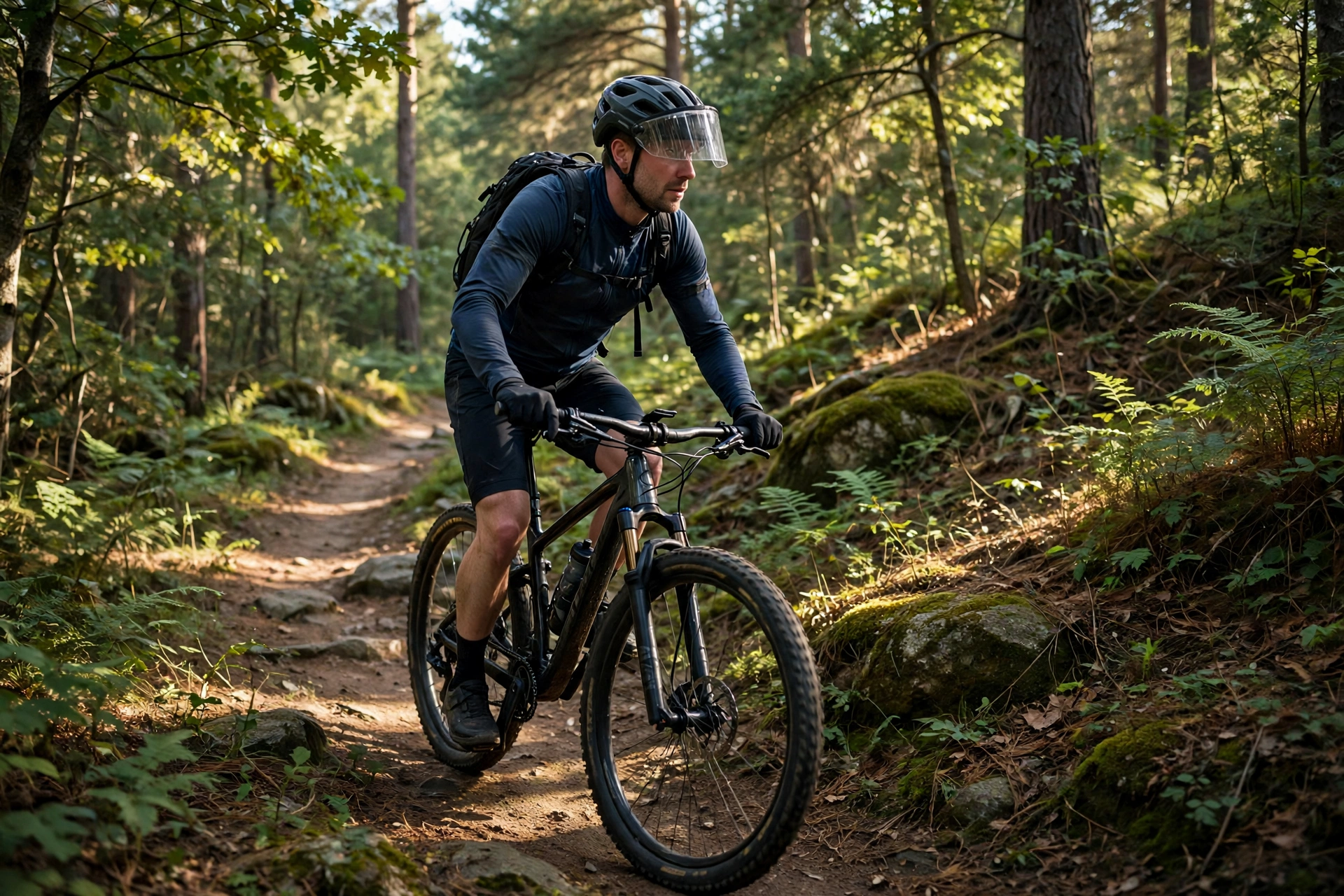
The mountain bike visor is a working tool, not a style cue. It shades your eyes from low sun flickering through trees, deflects branches and roosted dirt, and sheds some rain. Most are adjustable or removable, and on enduro helmets they lift high enough to park goggles underneath.
Road helmets skip the visor because it catches air. At road speeds a visor creates drag and turbulence and can force the head up; road riders use sunglasses for glare and debris instead, and value an uninterrupted aerodynamic profile. A small number of commuter and gravel helmets include short, fixed visors as a compromise — fine at city speeds, less ideal for fast road riding.
If you ride trails in a road helmet, you will feel the missing visor most at dawn and dusk, squinting into low sun with nothing to shade it.
Which Helmet Breathes Better, and Which Weighs Less?
Road helmets win both contests. They use more and larger vents, because road riders generate heat steadily at higher speeds with constant airflow to exploit. Less shell coverage also means less material, so road helmets are typically the lightest bike helmets you can buy, and their shapes are wind-tunnel refined to reduce drag.
Mountain bike helmets have fewer, smaller vents — the shell needs that material for coverage — and they rely on internal channeling to pull air through at lower trail speeds. They run warmer on a hot road climb, and they are a little heavier, though modern trail helmets have closed much of the gap.
Rotational-impact liners are equally available in both categories; whichever type you pick, our guide to what MIPS is for helmets explains what that extra protection layer does. Venting and weight are comfort decisions — coverage is the protection decision.
Are Road and Mountain Bike Helmets Tested to the Same Standard?
Yes. In the United States, every bicycle helmet — road, trail, commuter, or kids’ — must meet the same CPSC standard, which tests impact absorption at set points with a single hard strike. There is no separate, tougher certification that mountain bike helmets must pass, despite the chunkier look.
Price does not change that pass bar either: an inexpensive certified helmet and a premium model meet the same minimum test, and the extra money goes to lower weight, better venting, finer fit systems, and finish rather than a higher safety threshold.
That said, the standard is a minimum, not a ranking. Independent testing programs publish comparative ratings that show meaningful differences between individual models in both categories, and features like extended coverage and rotational liners address real-world crash motions the base test does not fully capture. Use the CPSC sticker as your non-negotiable baseline, then choose the design that matches your riding.
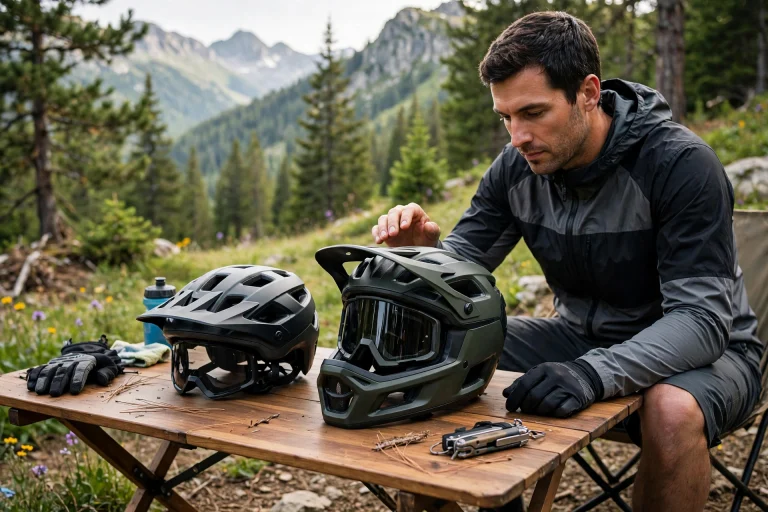
Goggle compatibility is the other practical divider: trail helmets are shaped to work with goggles, with a flatter rear for the strap and grippers to hold it in place, while road helmets assume sunglasses and include slots or docks for the arms on some models.
Can You Use One Helmet for Both Road and Trail Riding?
A mountain bike helmet on the road is completely workable. You give up some ventilation and aerodynamic efficiency, and it will feel warmer on long summer rides, but your protection is fully intact — arguably better than intact at the back of the head. Plenty of commuters and gravel riders happily use a trail helmet for everything.
The reverse is the risky direction. A road helmet on trails leaves the lower back and sides of your head exposed to exactly the falls trail riding produces, and offers no visor or goggle fit. For an occasional smooth fire road it is a judgment call; for real singletrack, it is the wrong tool.
If you ride both regularly and want a single helmet, buy the mountain bike helmet — or look at the growing number of gravel and all-road designs that split the difference with mid-level coverage, modest venting, and an optional visor. Choose by where you ride most, and let the second discipline adapt.
Frequently Asked Questions
Is a mountain bike helmet safer than a road helmet?
Both must pass the same CPSC impact standard, so neither is certified “safer.” A mountain bike helmet does cover more of the back and sides of the head, which suits trail falls, while a road helmet is optimized for weight and cooling.
Can I remove the visor from a mountain bike helmet for road riding?
On most models, yes — many visors unclip or are designed to detach. Removing it makes a trail helmet a bit more aerodynamic for road use, though it will still vent less and weigh slightly more than a dedicated road helmet.
Do I really need two helmets if I ride road and trails?
Not necessarily. One mountain bike helmet covers both safely. Two helmets only make sense if road performance and cooling genuinely matter to you, or if you ride trails often enough that the road helmet’s missing coverage is a real concern — in which case, the trail helmet is the one to prioritize.

Olivia
Writer at Helmet Today, covering helmet reviews, fit and riding safety.