

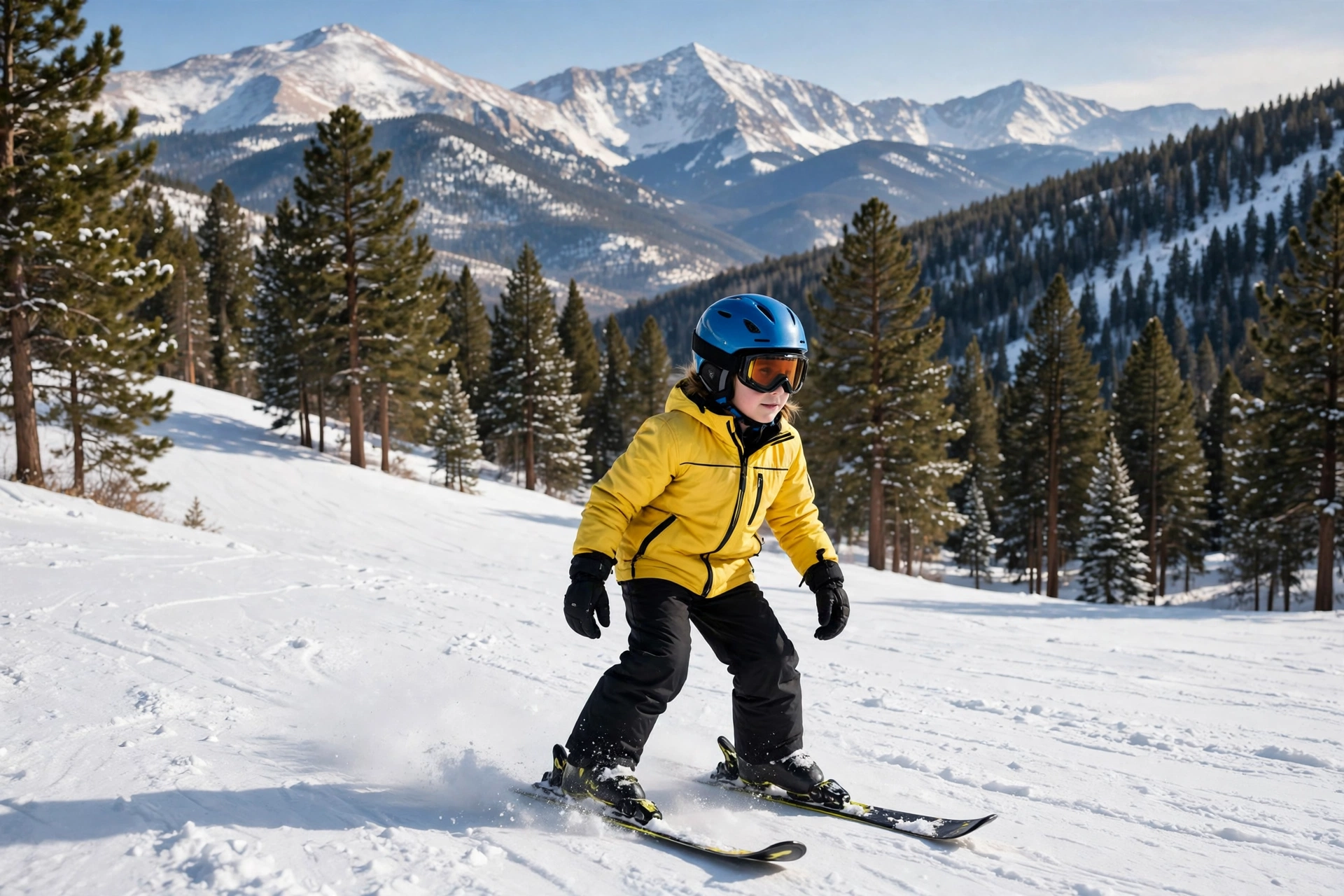
Colorado does not have a state law requiring children to wear a helmet while skiing or snowboarding. The Colorado Ski Safety Act, the law that governs skiing in the state, does not mandate helmets for children or for adults. Resorts, ski schools, and parents can still set their own expectations, so a helmet may be required for a lesson even though the state does not require one.
What the Colorado Ski Safety Act Does, and Does Not Do
The Ski Safety Act is mainly about responsibilities. It sets out the duties of skiers and snowboarders, such as skiing in control, yielding to people below them on the slope, and using lifts properly. It covers what ski area operators must do about signage, trail marking, and equipment, and it defines the inherent risks of skiing that participants accept when they take part.
Helmets are simply not part of that legal framework. There is no age in Colorado law below which a ski or snowboard helmet becomes mandatory, and no penalty in the Act for a child skiing without one. If you are used to states that set helmet ages for cycling or other sports, it helps to compare: our overview of which states do have helmet laws shows how varied these rules are from state to state and sport to sport. Colorado’s position on snow sports is clear: the decision is left to families and to the resorts they visit.
That also means you should not assume a rule you met on a trip elsewhere applies at home, or the other way around. Another state’s resort, a school trip policy, or a race program can take a different line, and their rule governs while you are there. For a wider picture of how these requirements change across state lines, see our helmet laws by state guide before you travel.
Resort, Ski School, and Rental Rules Can Still Require One
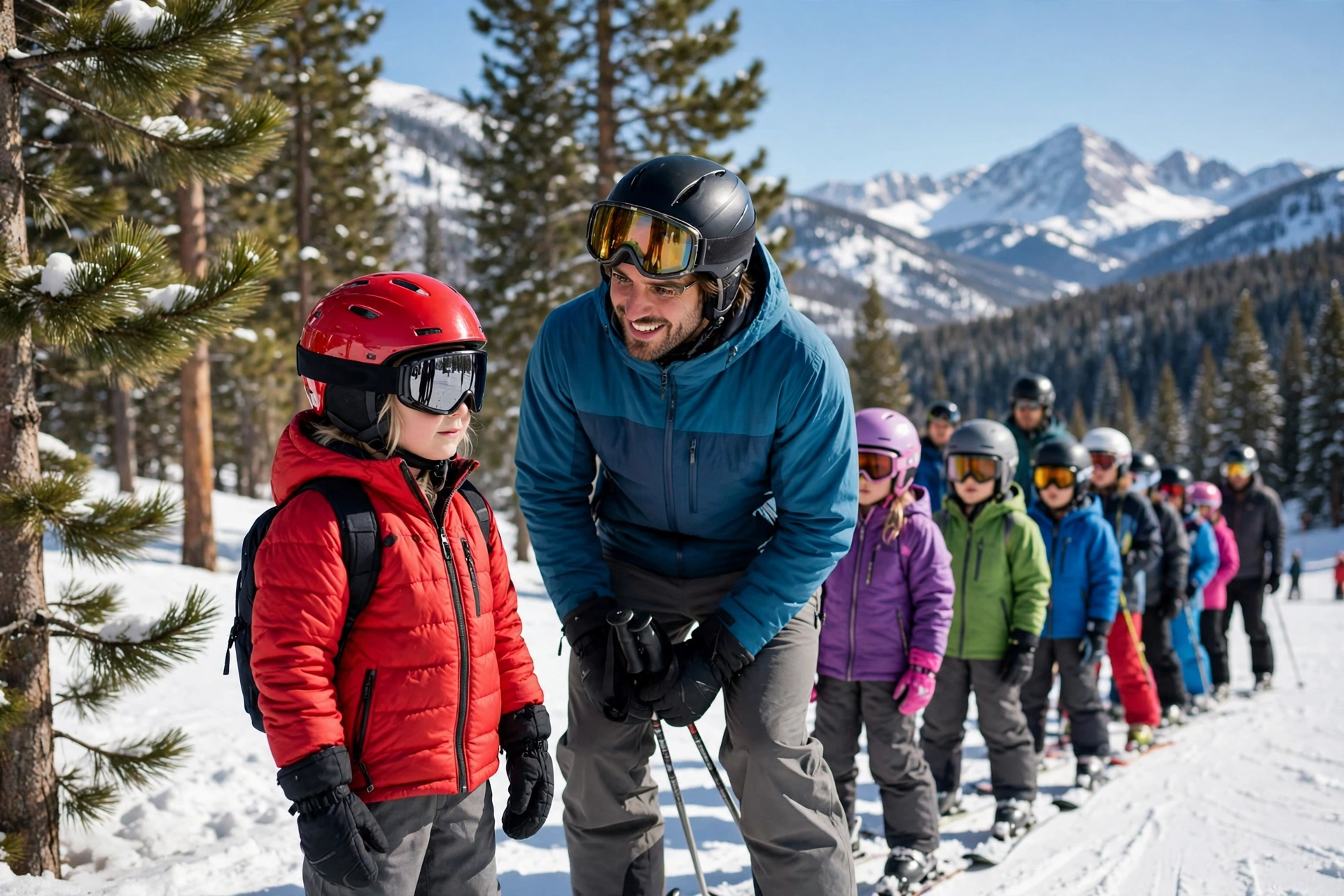
No state mandate does not mean no rules at the mountain. A resort can set conditions for its own programs, and this is where children most often encounter an actual requirement. Many ski and snowboard schools expect, and in plenty of cases require, helmets for children in lessons. Race teams, freestyle programs, and school-organized trips commonly do the same. If your child is booked into a lesson or program, check its equipment list before you arrive rather than at the check-in desk.
Rentals make the decision easy in practice. Children’s rental packages at Colorado resorts very often include a helmet, or offer one as a simple add-on, because resorts would rather see young skiers wearing them. If you are renting, ask what is included, and take the helmet even though the law does not force the issue. It costs little, it is fitted on the spot, and it doubles as warm headwear on a cold lift.
Parents, of course, can simply make it their own rule. Plenty of Colorado families treat a helmet like a seat belt: not a debate, just part of getting ready at the car. That approach also ends the slope-side argument about whether today counts as a day when it is needed.
Why Most Colorado Kids Wear a Helmet Anyway
The case for a helmet on snow is practical, not legal. Beginners fall a lot, and they fall on surfaces that range from soft powder to hard, icy patches that are closer to concrete than to a cushion. Children are learning speed control, turning, and awareness of other people at the same time, usually on slopes shared with faster skiers and snowboarders. A fall backwards, a collision, or a catch of an edge can all bring a head into contact with the snow, a lift structure, or another person.
A proper snow sports helmet is also built for the job in ways a bicycle helmet is not. Ski and snowboard helmets are designed and tested for winter use, typically to a snow sports standard such as ASTM F2040, with coverage around the back and sides of the head, insulation for warmth, and a shape that works with goggles. A bike helmet has vents and coverage designed for a different activity and a different season, and it is not a good substitute on the mountain. Likewise, a ski helmet should not be pressed into service as a bike helmet in summer.
Warmth is an underrated part of the argument for younger children. A well-fitted ski helmet is often warmer and stays in place better than a hat under changing wind on a lift, and a comfortable child is a child who stays out longer and complains less. Protection and comfort point the same way here.
Choosing and Fitting a Ski Helmet for a Child
Fit matters more than brand or color, and growing heads make renting or buying carefully a yearly question for many families. Keep these points in mind:
- Measure, then try on: measure around the head just above the eyebrows and start with the size that matches. Never buy big to grow into; an oversized helmet moves when it is needed most.
- Snug all around: the helmet should feel evenly snug, with no pressure points and no wobble when your child shakes or nods their head with the strap open.
- Goggles together: try helmet and goggles as a pair. There should be no big gap on the forehead, and the goggles should sit comfortably without being pushed down the nose.
- Thin layers only: a thick hat underneath ruins the fit. If extra warmth is needed, use a thin liner made for wear under a helmet.
- Strap done up: the chin strap should be fastened and comfortably snug on every run, including the last, shortest one back to the lodge.
Replace a ski helmet after a significant impact, even if it looks undamaged, because the liner absorbs a hit by deforming. Follow the maker’s guidance on age and care, store it dry and out of extreme heat, and re-check the fit at the start of every season. Children can outgrow a helmet before they wear it out.
Frequently Asked Questions
Does Colorado law require adults to wear a helmet?
No. Colorado has no state ski or snowboard helmet mandate for any age, adult or child. The requirement, where one exists, comes from a resort, a ski school, or a program, not from state law.
Can a ski school refuse to teach my child without a helmet?
Yes, a ski school or program can set its own equipment rules for its lessons. Check the program’s equipment list when you book, and rent a helmet with the rest of the gear if needed.
Is the rule different for snowboarding?
No. Colorado law does not require a helmet for snowboarding either, for children or adults. The same resort and lesson rules, and the same fitting advice, apply to both sports.

Olivia
Writer at Helmet Today, covering helmet reviews, fit and riding safety.


