No, do not wash a football helmet in a dishwasher. The high heat, harsh detergents, and strong water jets can weaken the shell, break down padding and adhesives, fade decals, and may void the manufacturer’s warranty. The safe way to clean a football helmet is by hand, with lukewarm water, mild soap, and a soft cloth.
Why a Dishwasher Can Ruin a Helmet
A dishwasher is built to strip baked-on food from plates, not to care for safety equipment. Its wash cycles run far hotter than the lukewarm water helmet makers recommend, and that heat can soften or warp parts of the shell and the padding inside it. Even if the helmet looks fine afterward, heat can age the foam so it no longer manages impact the way it was designed to do.
Dishwasher detergents are another problem. They are strongly alkaline and often contain abrasives and rinse agents meant for glass and ceramic. On a helmet, those chemicals can attack the shell’s finish, dry out and crack vinyl pad covers, break down the glues that hold padding in place, and leave residue against your skin. The pounding water jets can also force moisture deep into padding and seams, where it stays trapped and starts to smell, and the racks can scratch the shell and tear decals as the helmet shifts during the cycle.
There is also the warranty issue. Helmet manufacturers publish care instructions, and using a cleaning method they warn against can void coverage if the helmet later fails or needs repair. In short, the dishwasher risks the one thing the helmet exists for, your protection, to save a few minutes of hand washing that is honestly not much work at all.
What You Need to Clean It by Hand

Hand cleaning takes only basic supplies, most of which you probably already have at home or in the team room.
- Two soft cloths or microfiber towels, plus an old soft toothbrush for tight spots.
- A bowl or sink of lukewarm water with a small amount of mild soap or helmet-safe detergent.
- A second bowl of clean, plain water for rinsing.
- A dry towel and a well-ventilated spot for air drying, out of direct heat and sunlight.
- Optional: manufacturer-approved helmet deodorizer or disinfectant spray for the inside.
Avoid bleach, ammonia cleaners, solvent-based sprays, and abrasive pads. If a cleaner does not clearly say it is safe for helmets or sports gear, do not use it on the padding. When in doubt, mild soap and water is the combination almost every manufacturer accepts.
How to Clean a Football Helmet, Step by Step
Set aside about fifteen unhurried minutes after a game or practice. Cleaning little and often is easier than rescuing a helmet that has sat dirty in a bag for a month.
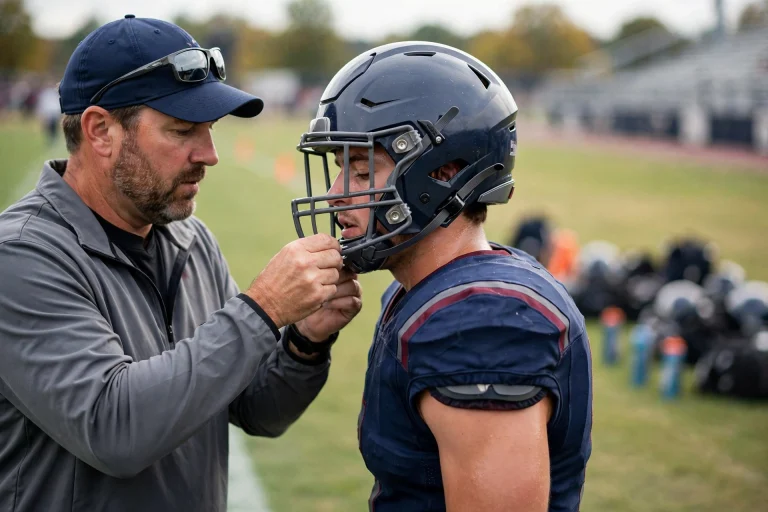
- Remove what comes off. If your helmet has removable pads or a removable liner, take them out following the manual. Unclip the chin strap as well. Keep the hardware together so nothing gets lost.
- Wipe down the shell. Dip a soft cloth in the soapy water, wring it out well, and wipe the whole outside of the shell. Use the toothbrush gently around facemask mounts, vents, and decal edges where grime collects.
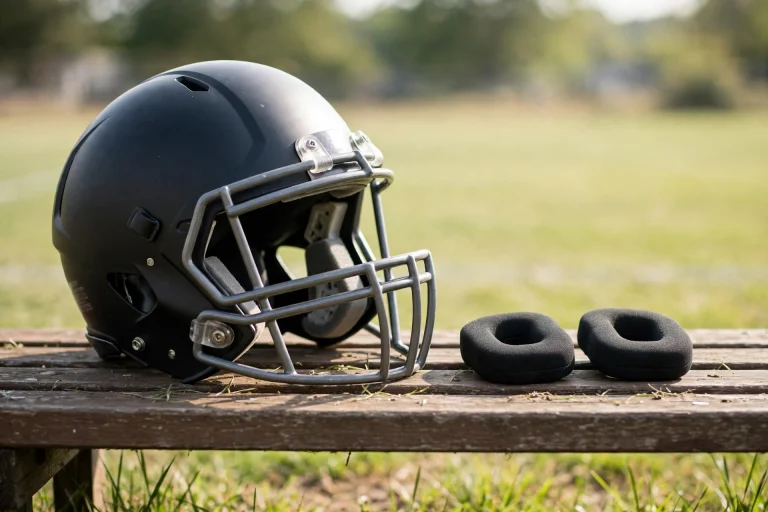
- Wash the pads and liner. Wipe foam and vinyl pads with the soapy cloth, or hand wash removable pads in the bowl if the manual allows it. Never twist or wring foam pads hard, because that can tear them.
- Clean the chin strap and facemask. Wash the strap webbing with the soapy cloth, rinse it, and wipe the facemask, checking for bent bars, chipped coating, or loose screws as you go.
- Rinse with a damp cloth. Go over everything again with a cloth dampened in clean water. Soap left behind can irritate skin and attract more dirt.
- Dry everything completely. Pat parts dry with a towel, then let the helmet air dry fully in a ventilated place before reassembling. Never use a hair dryer, radiator, or hot car to speed this up, because heat is exactly what you are avoiding.
- Reassemble and inspect. Refit the pads and chin strap, make sure every snap and screw is secure, and check that the helmet still fits properly before its next use.
Getting Rid of Smell Between Deep Cleans
Most helmet odor comes from sweat trapped in padding, so the best deodorizer is air. After every practice, take the helmet out of your gear bag and let it dry in moving air. A helmet sealed in a damp bag overnight will smell worse each week, whatever spray you use.
Between full washes, wipe the inside pads with a cloth lightly dampened with water, and use a helmet-safe deodorizing spray if your program allows one. Some players place a dry towel inside the helmet after use to absorb moisture, then remove it the next morning. Avoid stuffing the helmet with scented products that leave residue on pads, because buildup against your forehead and cheeks can irritate your skin during hot games.
If the smell survives a proper hand wash and full drying, the padding may simply be worn out. Old foam holds odor in a way new foam does not, and replacing a pad set through your equipment manager is usually a better answer than stronger chemicals.
Other Cleaning Mistakes to Avoid
The dishwasher is the worst shortcut, but it is not the only one. Do not put a helmet or its pads in a washing machine or tumble dryer, for the same heat and agitation reasons. Do not pressure wash it, soak the whole helmet for long periods, or use steam cleaners. Each of these can push water into places it should not be, damage adhesives, or age the padding.
Be careful with household disinfectant wipes and sprays, too. Some contain chemicals that dry out vinyl and foam, and school or league programs often have an approved list of cleaning products for shared helmets. If you are cleaning a team-issued helmet, follow your program’s rules first. They may recondition and sanitize helmets professionally on a schedule, and your job is simple surface cleaning between those services.
Finally, treat cleaning time as inspection time. Cracks in the shell, compressed or torn pads, rusty hardware, loose facemask mounts, and worn chin strap stitching are all reasons to hand the helmet to a coach or equipment manager and stop using it until it is checked. A clean helmet that is quietly damaged is not a safe helmet, and no wash, however careful, fixes structural problems.
Frequently Asked Questions
Can I put just the pads in the dishwasher?
No. The pads are the part most at risk, because heat and strong detergent break down foam and vinyl covers and can ruin the adhesives inside them. Hand wash removable pads gently in lukewarm water with mild soap, then air dry them.
How often should I clean my football helmet?
Wipe the inside down and air it out after every use, and give it a full hand wash whenever it looks dirty, smells strong, or at least every few weeks during the season. Shared or team helmets should follow the program’s cleaning schedule as well.
Will a dishwasher actually void my helmet warranty?
It can. Manufacturers set care instructions, and cleaning a helmet with heat and detergents against those instructions may void warranty coverage for damage. Hand cleaning with mild soap and water follows the guidance brands publish, so it keeps you on safe ground.

Olivia
Writer at Helmet Today, covering helmet reviews, fit and riding safety.