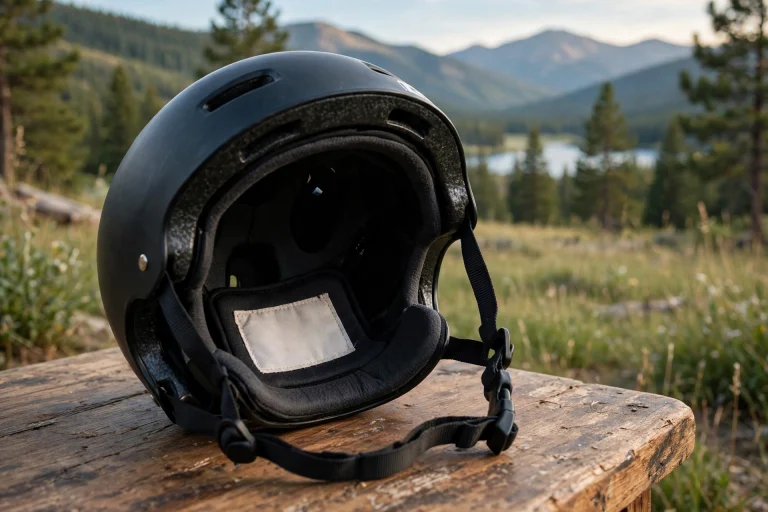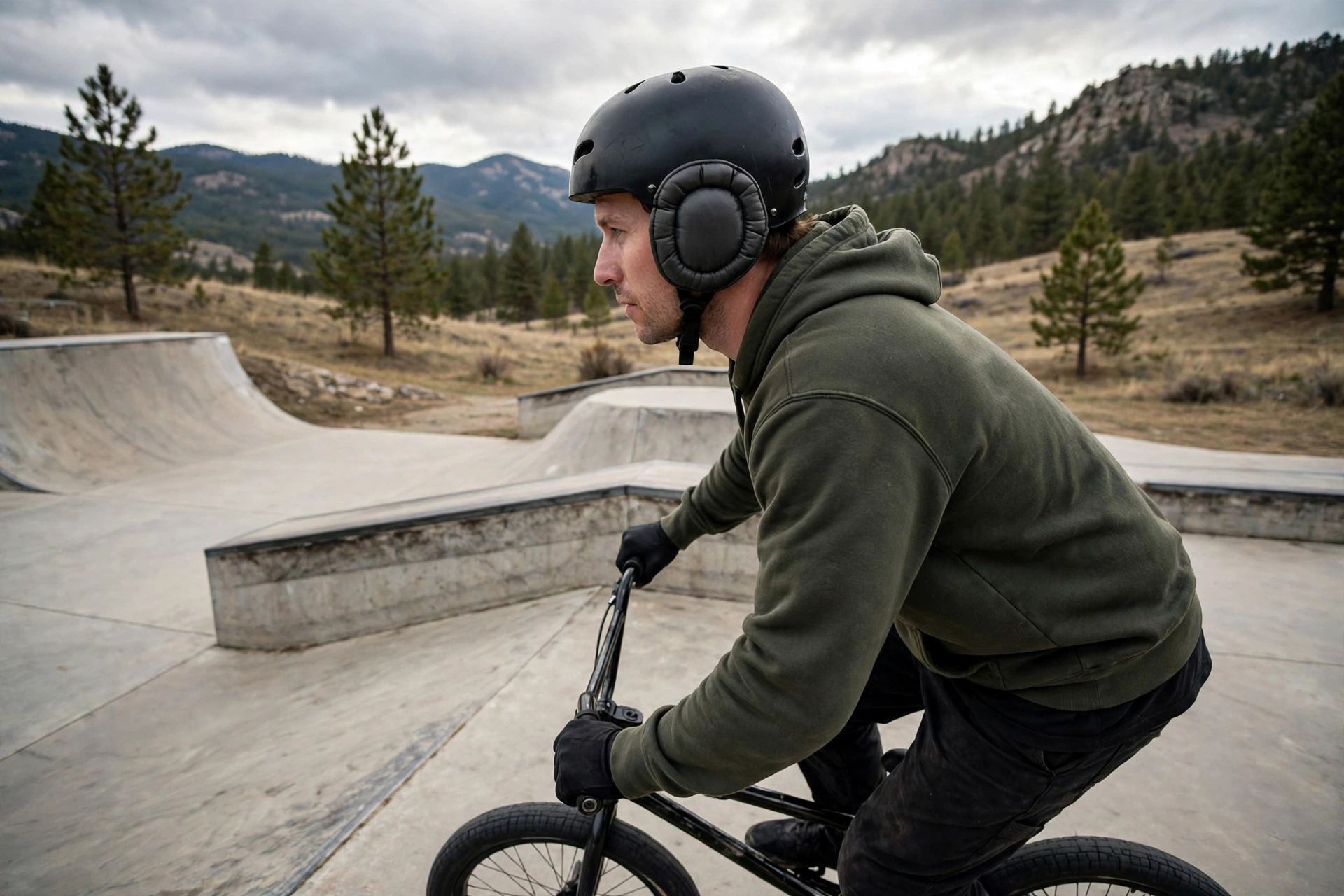
A BMX helmet with ear coverage protects your ears and the sides of your head from scrapes and impacts, but it can muffle sound, feel warmer, and make it harder to hear other riders. In general terms, ear coverage is a trade-off: more protection for your ears and temples in exchange for less hearing and airflow around the ears.
Ear coverage on BMX helmets usually means pads or shell extensions that sit over or around the ears, rather than a full ear cup. Some helmets cover the ears fully, others leave the ear open with padding around it. Which design suits you depends on how you ride, where you ride, and how much you value hearing your surroundings.
What Does Ear Coverage on a BMX Helmet Actually Mean?
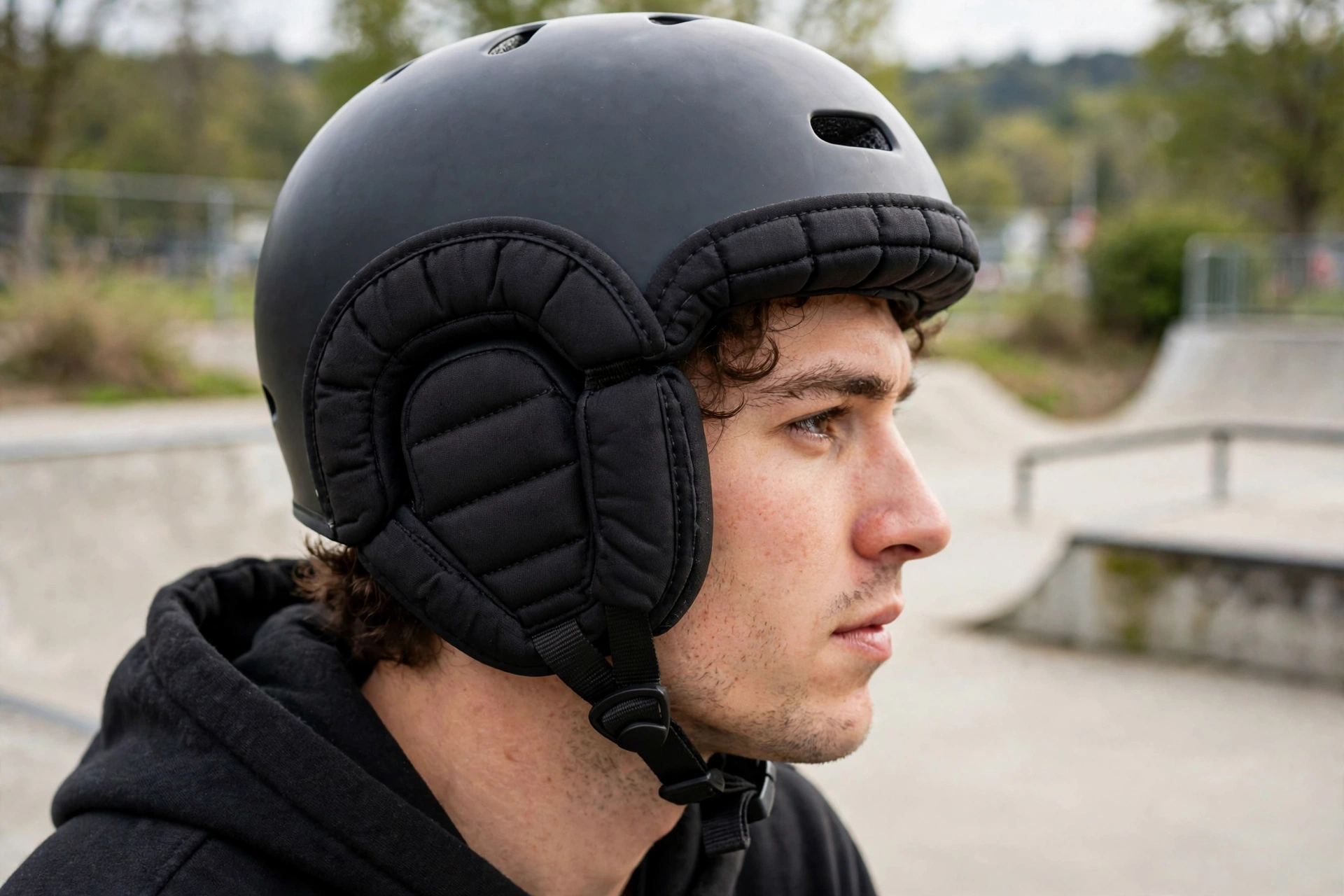
On most BMX helmets, ear coverage refers to how far the shell and padding extend down the sides of the head. A helmet with full ear coverage has pads that sit over the ears, sometimes with cut-outs for hearing. A helmet with partial coverage has padding around the ears but leaves the ear itself open. A helmet with no ear coverage sits above the ears entirely, leaving them fully exposed.
The distinction matters because the sides of the head, including the temples and the area around the ears, are vulnerable in sideways falls — exactly the kind of fall BMX riders have often. A helmet that extends lower on the sides covers more of that area. Skate-style freestyle helmets often sit lower than racing helmets for this reason.
Ear coverage is not the same as hearing protection. BMX helmet ear pads are not designed to block noise the way ear defenders do, and they will not protect your hearing from loud environments. Their job is impact and abrasion protection for the side of the head, not sound reduction.
What Are the Pros of Ear Coverage?
The main advantage is protection. In a sideways fall, the side of your head can hit concrete, a ramp edge, or a rail. Padding and shell over the ears spread that impact and prevent direct scrapes to the ear itself, which can be painful and slow to heal. For street and park riders who fall sideways often, that extra coverage is genuinely useful.
Ear coverage also adds warmth in cold weather, which many riders appreciate for winter sessions. And it can improve the secure feeling of a helmet: pads around the ears help the helmet sit planted on your head, reducing the wobble that a higher-sitting helmet can have.
For younger riders and beginners, who fall more often and less predictably, ear coverage is often a sensible default. Parents buying a first BMX helmet frequently choose a model with ear coverage for the simple reason that it protects more of the head.
What Are the Cons of Ear Coverage?
The biggest downside is hearing. Pads over the ears muffle sound, which makes it harder to hear other riders calling out, a bike approaching, or a warning shout in a busy park. In a crowded skatepark, where riders take turns and call their lines, hearing matters for safety as well as etiquette. A rider who cannot hear a call may drop in at the wrong moment.
Ear coverage also traps heat. Pads over the ears reduce airflow around the sides of the head, which can make a helmet feel warmer during long summer sessions. Riders who overheat easily may find ear coverage uncomfortable, especially in a full-face helmet where the coverage is even greater.
Comfort is another consideration. Some riders find pads pressing on their ears annoying, particularly if they wear glasses, whose arms can conflict with ear pads. Others find that ear coverage interferes with earbuds or a helmet speaker. If a helmet is uncomfortable, a rider is less likely to wear it consistently — and that is a safety problem in itself.
Who Should Choose a Helmet With Ear Coverage?
Ear coverage suits riders whose falls are often sideways, who ride in colder weather, or who are still learning and falling frequently. Street riders, park riders, and beginners all fit this profile well. If you ride alone or in quiet parks, the hearing trade-off matters less, which makes ear coverage an easier choice.
Ear coverage suits racers and pump track riders less, because those riders value hearing and airflow, and their falls tend to be forward rather than sideways. A racing helmet that sits above the ears gives better hearing and ventilation, which matters on a track where you need to hear the gate, other riders, and officials.
There is also a middle ground worth considering: helmets with removable ear pads. These let you ride with coverage when you want it and remove the pads when you want hearing and airflow. If you ride in different settings, a helmet with removable pads gives you both options without buying two helmets. When comparing models, it is also worth understanding the safety features on offer — for example, what MIPS is for helmets explains one system you will see listed on many helmets.
How Do You Test Ear Coverage Before Buying?
Try the helmet on and check three things. First, does the padding sit comfortably over or around your ears without pressing painfully? Second, can you hear normal conversation at a normal distance while wearing it? Third, does it work with your glasses, if you wear them, without the arms digging in?
Also check how the helmet feels when you move your head. Shake your head gently: the helmet should stay put without the ear pads shifting awkwardly. If the pads fold, bunch, or press unevenly, the fit is wrong for your head shape, even if the size label says otherwise.
Finally, think about your riding environment. If you ride busy parks where calls and warnings matter, prioritise hearing. If you ride street spots alone, prioritise coverage. The right answer is personal, and a helmet that suits a friend’s riding may not suit yours.
Frequently Asked Questions
Q: Do ear pads on a BMX helmet protect your hearing?
A: No. BMX helmet ear pads are for impact and abrasion protection, not noise reduction. They may muffle sound slightly, but they are not hearing protection.
Q: Can I remove ear pads from a BMX helmet?
A: On many helmets, yes. Removable ear pads are held by hook-and-loop tabs or poppers. Check your helmet’s design before removing them, and keep them safe so you can refit them later.
Q: Is ear coverage required for BMX racing?
A: In general terms, no. Racing rules focus on safety certification rather than ear coverage, and many racing helmets sit above the ears. Check your race organisation’s rules for the specific requirements that apply to you.

Olivia
Writer at Helmet Today, covering helmet reviews, fit and riding safety.