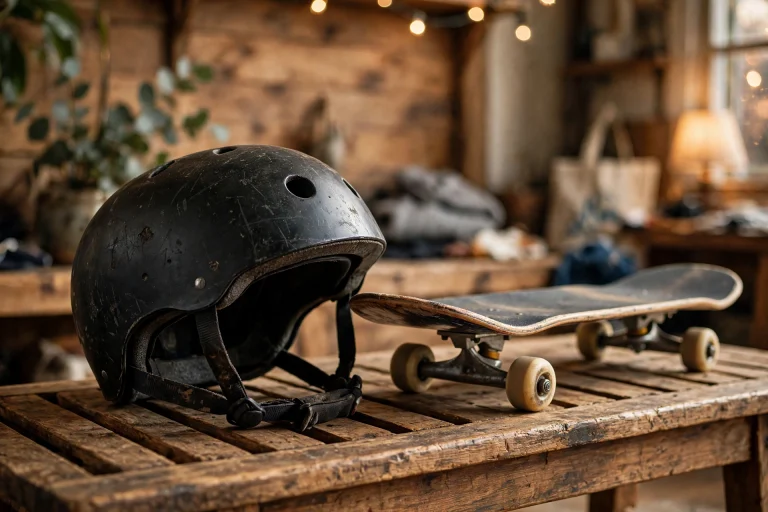
For inline skating, check that your helmet carries a recognised skate or multi-sport certification, such as the ASTM F1492 skate standard or a dual skate and bicycle certification. In general terms, a certification label means the helmet has passed laboratory impact tests for that activity, which is a much stronger guarantee than a maker’s own claims.
Certification labels are small, technical, and easy to overlook when you are comparing colours and prices. But they are the one thing that separates a real protective helmet from a lookalike. This guide explains what the labels mean, which ones matter for inline skating, and how to check them before you buy.
Why Does Helmet Certification Matter for Inline Skating?
Inline skating involves speed, hard surfaces, and falls at angles that are hard to predict. A certified helmet has been tested by dropping it onto anvils at set speeds and measuring how much force reaches the head inside. Those tests are designed to mimic real crashes, and a helmet must keep the force below a set limit to pass.
Without certification, you are relying on trust alone. A helmet might look solid, feel comfortable, and still fail to absorb impact properly, because the foam density, shell strength, and coverage all affect performance in ways you cannot judge by holding the helmet. Certification moves that judgement from guesswork to testing.
Certification also tells you what the helmet was designed for. A helmet certified only for cycling was tested for cycling-style impacts, while one certified for skating was tested for the repeated, multi-directional impacts common in skating. That distinction matters when you are choosing between two helmets that look almost identical.
Which Certifications Should You Look For?
For inline skating, the most relevant standard is ASTM F1492, which covers helmets for skateboarding and trick roller skating. It tests for multiple impacts, reflecting the way skaters fall often. If a helmet lists ASTM F1492, it has been tested with skating falls in mind.
Many helmets also carry a bicycle standard, such as CPSC in the United States or EN 1078 in Europe. A helmet that lists both a skate standard and a bicycle standard is often called dual-certified or multi-sport, and it is a practical choice if you cycle as well as skate. In general terms, more recognised certifications mean broader testing, not weaker protection.
Be cautious with helmets that list no standard at all, or that mention only vague phrases like “safety tested” without naming a standard. Real certifications come with a specific code and are usually printed on a label inside the helmet. If you cannot find a code, ask the seller or choose a different helmet.
How Do You Check a Certification Before Buying?
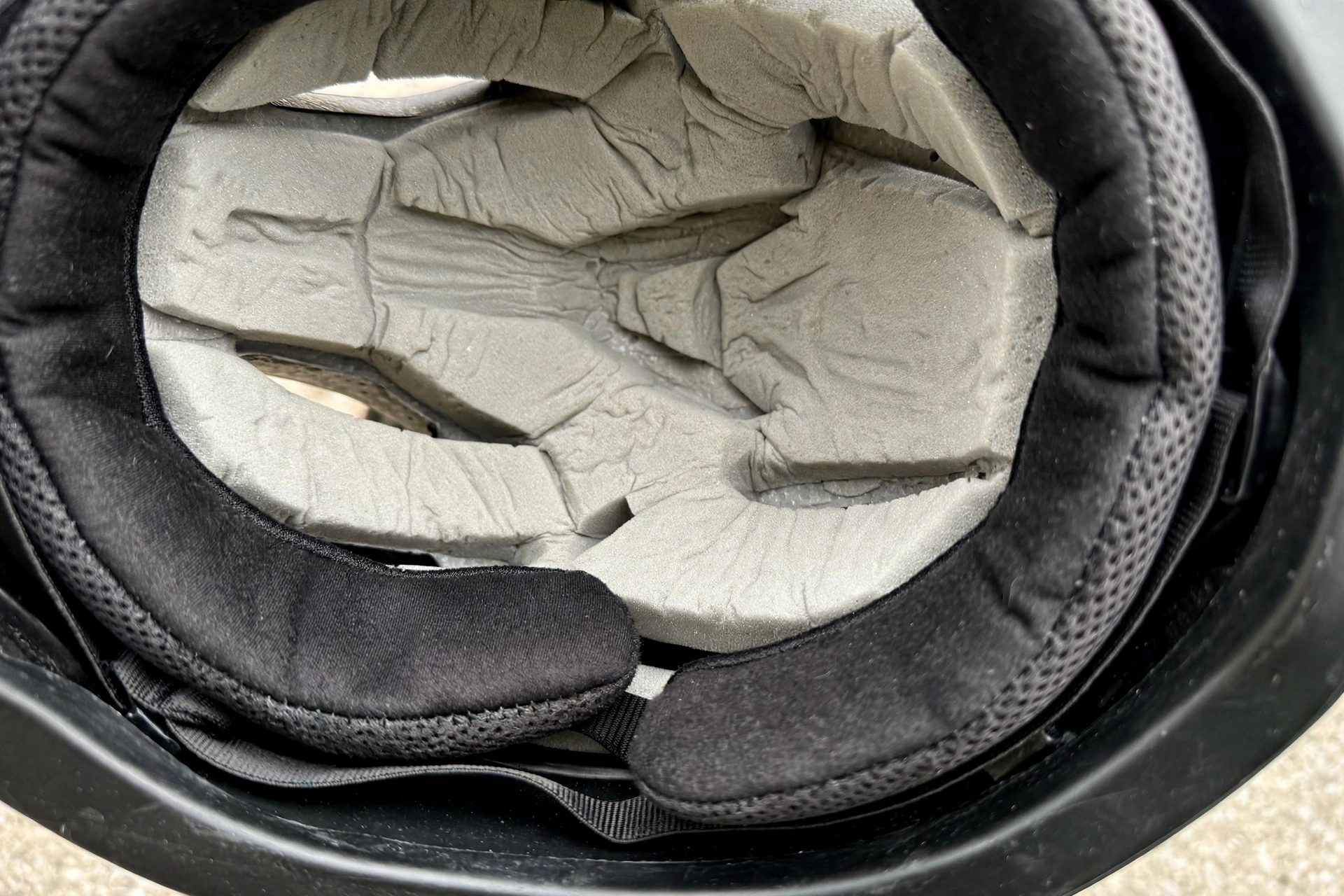
Start inside the helmet. Certified helmets carry a label, usually stuck to the foam liner or shell, naming the standard and often the testing body. In a shop, flip the helmet over and look before you try it on. Online, check the product specifications section, not just the marketing copy, and look for the standard code spelled out in full.
Next, check that the certification matches how you will use the helmet. An inline skater who also rides a bike benefits from dual certification, while a skater who only skates can choose a skate-certified model with confidence. There is no need to chase every possible standard, but the skating one should be there.
Watch out for counterfeits and misleading listings. Very cheap helmets from unknown sellers sometimes display certification logos they have not earned. Buying from a reputable retailer, checking reviews, and being suspicious of prices far below the usual range all help. If a deal looks too good to be true, the certification may be the thing that is missing.
Does Certification Replace a Good Fit?
No, certification and fit work together. A certified helmet that is too large, sits too high, or has a loose chin strap will not protect you properly, because it can shift or come off in a fall. Certification describes what the helmet can do when it is worn correctly, not what it does when it is worn badly.
Always fit the helmet after checking the label. It should sit level, low on your forehead, and snug enough that it moves with your head when you shake it. Adjust the straps into a V under each ear and tighten the chin strap so it is snug but comfortable. A few minutes spent fitting is worth more than any label.
It is also worth understanding extra features on their own terms. For example, if a helmet advertises a slip liner, read what MIPS for helmets means so you know what that layer is designed to do. Features like this sit on top of certification, they do not replace it.
When Should a Certified Helmet Be Replaced?
Replace your helmet after any hard impact, even if it looks undamaged. Certification tests a new helmet, not one that has already absorbed a crash, and hidden foam damage can reduce protection in the next fall. If your head hit the ground, retire the helmet.
Age and wear matter too. Padding compresses, straps stretch, and shells weaken with sun and heat over time. In general terms, a helmet skated in several times a week for a few years deserves replacement even without a crash. Keep a rough note of when you bought it, so the decision is not a guess.
When you replace it, check the certification again. Standards and models change, and a new helmet may carry updated certifications or a better fit system than your old one. Repeating the label check takes a minute and keeps your protection current.
Frequently Asked Questions
Q: Is a bike helmet certification enough for inline skating?
A: A bike-certified helmet is better than no helmet, but a skate or dual certification is preferable, since skating falls differ from cycling falls. If you skate regularly, choose a helmet that names a skate standard.
Q: Where do I find the certification on my helmet?
A: Look for a label inside the helmet, usually on the foam liner or shell, naming the standard code. If there is no label, check the maker’s website or product specifications, and be wary if no standard is named anywhere.
Q: Does a more expensive helmet mean better certification?
A: Not necessarily. Certification is a pass-or-fail test, so a mid-priced certified helmet has met the same standard as a pricier one. Price usually buys comfort, ventilation, weight, and finish rather than a higher level of certification.

Olivia
Writer at Helmet Today, covering helmet reviews, fit and riding safety.