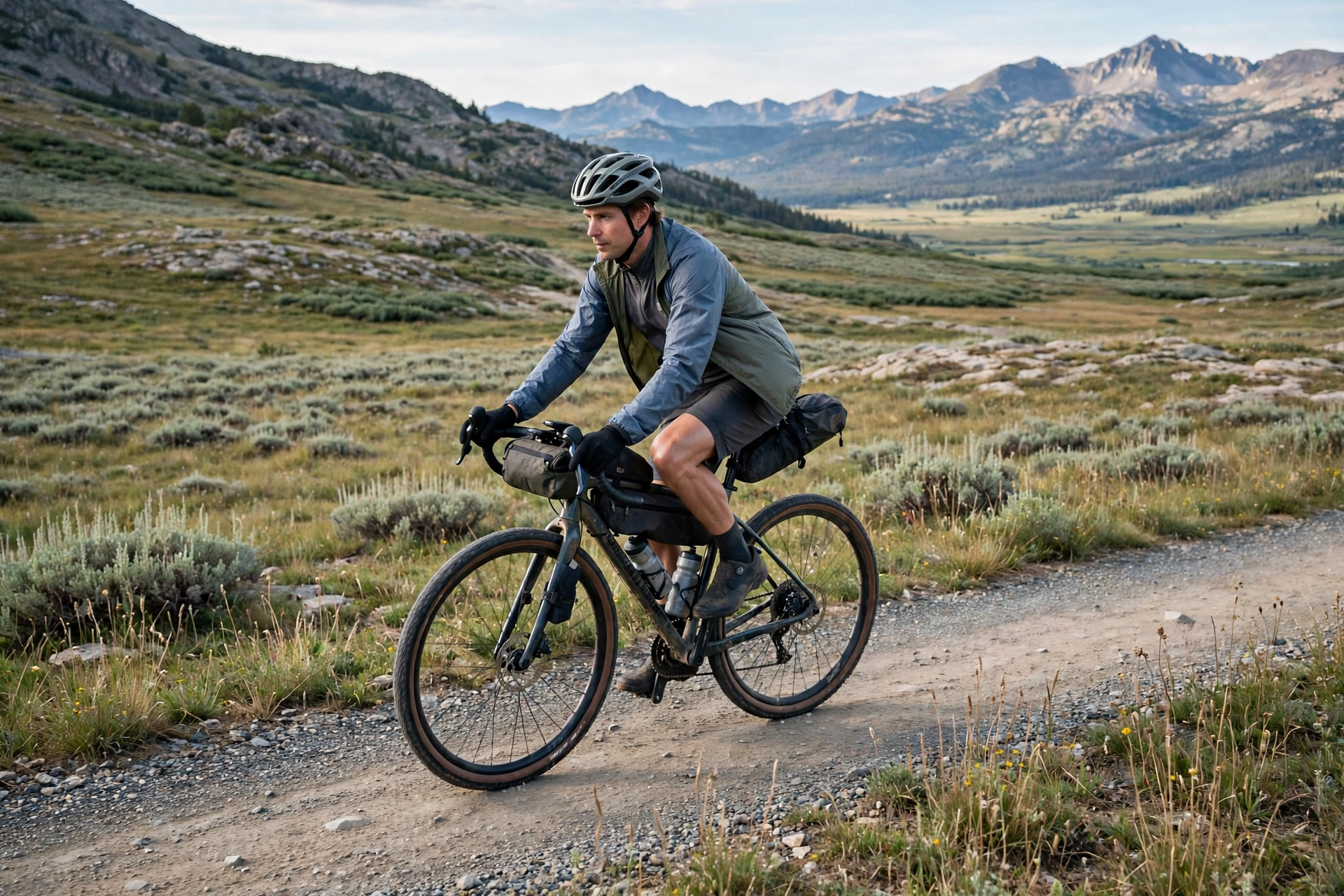
In general terms, an MTB helmet for bikepacking should be light, well ventilated, and comfortable enough to wear all day, because bikepacking means long hours in the saddle over mixed terrain with no support vehicle. Unlike a bike park day, where you can swap helmets between runs, bikepacking asks one helmet to do everything: protect you on descents, breathe on climbs, and stay comfortable from morning to evening, day after day. Weight and comfort therefore matter more than outright downhill protection.
Bikepacking also adds practical demands that other riding does not. Your helmet has to live with your luggage, survive being packed and unpacked, and work with the other gear you carry. This guide covers what to prioritise and what to leave behind.
Why Does Weight Matter So Much for Bikepacking?
Because you feel every gram over a long day. A helmet that feels light for an hour can feel heavy after eight, and neck fatigue builds quietly until it affects your riding. On multi-day trips the effect compounds: a heavy helmet worn day after day is a constant, low-level drain.
Weight also interacts with your packing. Bikepackers count grams across their whole setup, and a helmet is one of the larger single items you carry. Choosing a lighter helmet frees weight for water, food, or tools — things that matter more on a remote route. On a multi-day trip the effect is not just physical either: a helmet that drags on your neck all day saps concentration, and tired, distracted riders make mistakes on technical ground.
That does not mean choosing the lightest helmet regardless of protection. It means finding the lightest helmet that still gives you the coverage and certification your riding needs. For most bikepacking routes, a well-ventilated trail helmet with extended rear and side coverage hits that balance.
What Kind of Helmet Suits Bikepacking?
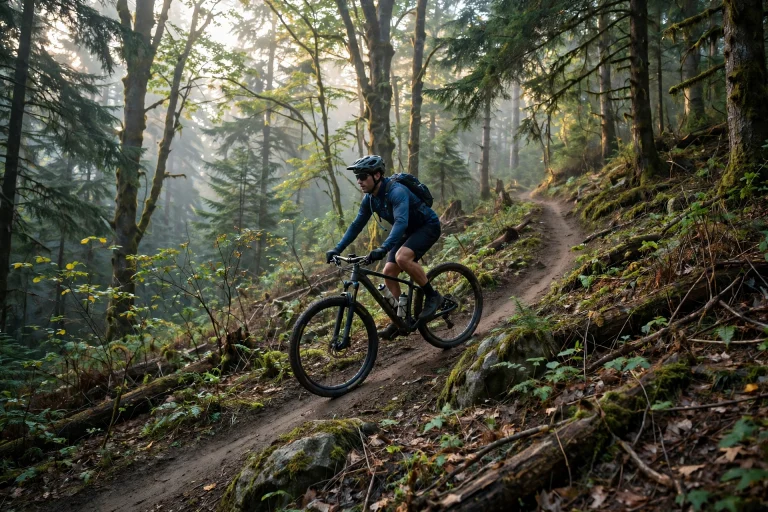
An open-face trail helmet is the usual choice. It is lighter and cooler than a full-face helmet, it works with glasses or sunglasses, and it is comfortable for the long, mixed days bikepacking involves. Extended coverage at the back and sides protects against the falls bikepackers actually have — low-speed tumbles on loose gravel, rocky singletrack, and technical hike-a-bike sections.
A full-face helmet is rarely the right bikepacking choice. It is heavier, hotter, and harder to live with over long days, and the descents on most bikepacking routes do not demand it. The exception is a route with genuinely steep, technical descents, where a lightweight full-face or convertible helmet may be worth the weight penalty.
Whatever style you choose, make sure it is comfortable with the rest of your kit. A helmet that clashes with a cap, a buff, or sunglasses will annoy you for days, and a helmet that presses on your ears under a hood is miserable in bad weather.
How Do You Balance Comfort and Protection?
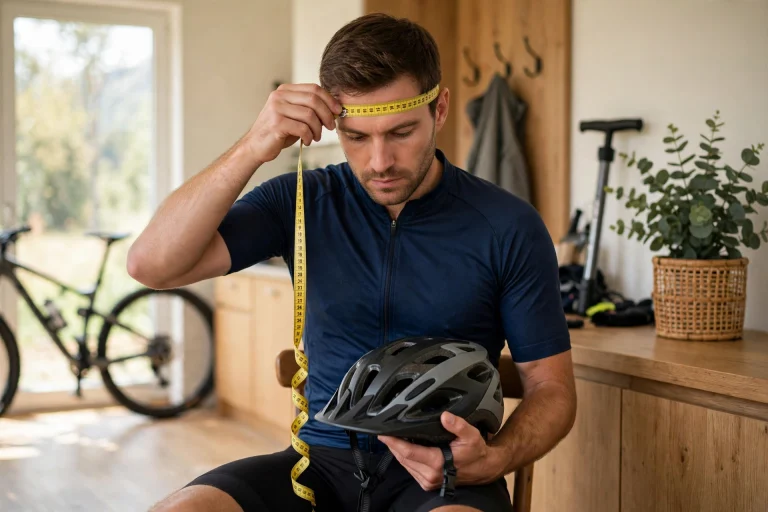
Comfort comes from fit, ventilation, and weight together. The helmet should sit level, feel snug without pressure points, and stay stable when you look around — important when you are navigating unfamiliar routes. Ventilation matters because bikepacking days are long and often hot, and a helmet that traps heat will sap your energy.
Protection comes from coverage, certification, and rotational impact systems. Extended rear and side coverage is worth having on mixed terrain, and a helmet certified for mountain biking is the baseline. Rotational impact protection is a sensible addition for the angled falls common on loose surfaces. This guide to what MIPS means for helmets explains how one such system works.
The balance is personal, but a useful test is the all-day test: if you would happily wear the helmet for eight hours, it passes on comfort; if it covers the back and sides of your head and meets mountain biking certification, it passes on protection. A helmet that fails either test is the wrong bikepacking helmet.
What Practical Features Help on a Bikepacking Trip?
A washable liner is a big plus. On a multi-day trip you cannot wash a helmet properly every night, but a liner you can rinse and dry overnight stays fresher than one you cannot. Removable pads also let you adjust fit as conditions change — thicker pads in cold weather, thinner ones when it is hot.
A peak visor is useful for sun, rain, and branches, and an adjustable one lets you tune it as the light changes. Ponytail-compatible fit systems matter for riders with long hair, and a helmet that works with a cap underneath is valuable on cold mornings.
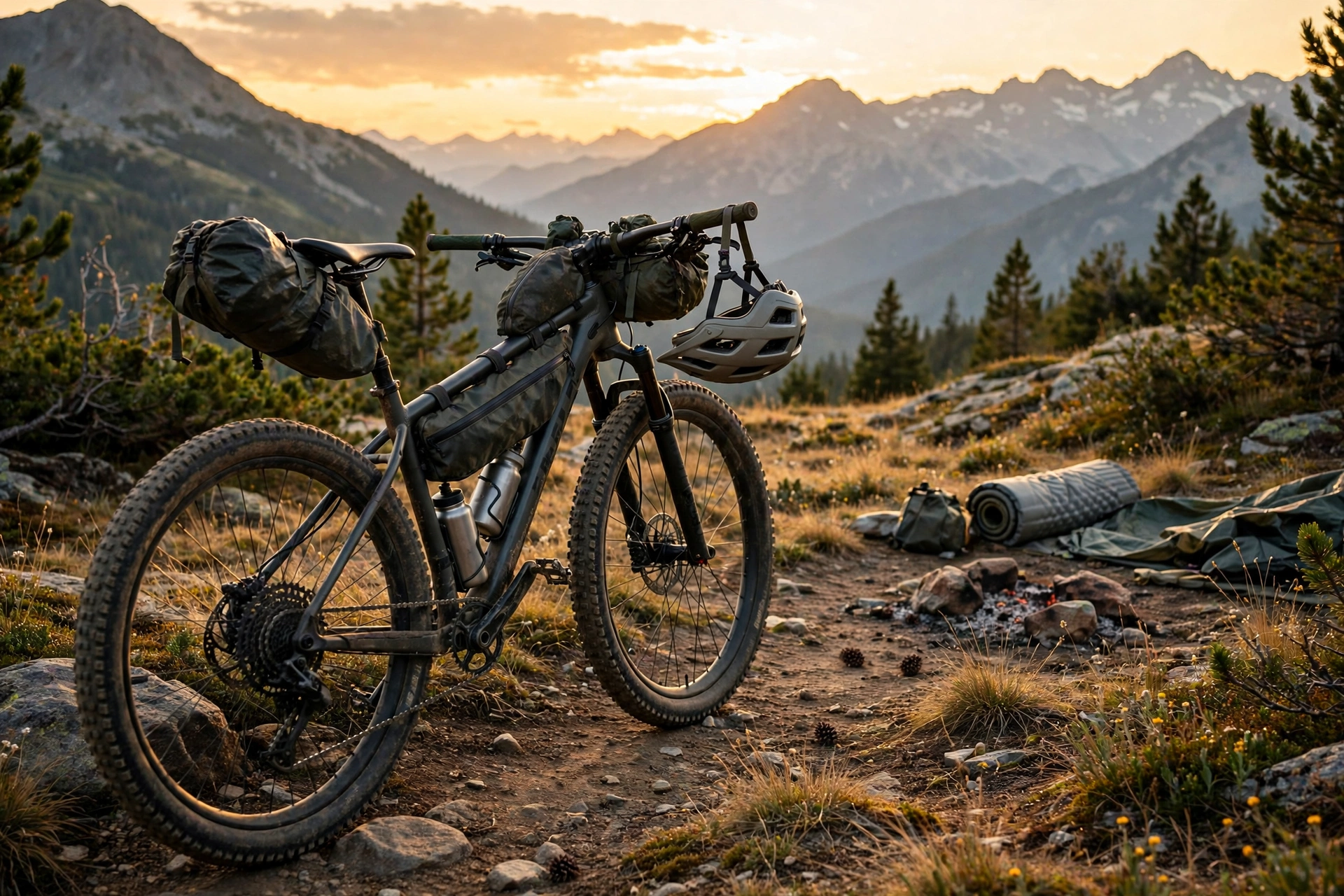
Think about packing too. Your helmet will spend nights strapped to a bike or a bag, and possibly squeezed into luggage on transport days. A helmet bag or a soft stuff sack protects the shell and visor, and keeping the helmet’s liner facing inward guards the pads from knocks.
How Do You Look After a Helmet on a Long Trip?
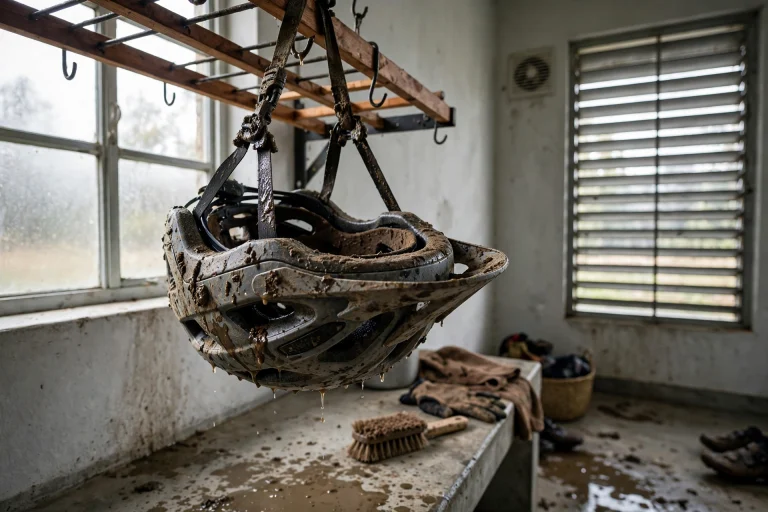
Clean it when you can. A quick wipe of the shell and a rinse of the pads at a campsite keeps the helmet comfortable and lets you spot damage early. Check straps, buckles, and the fit system regularly — grit and wear accumulate over days on the trail, and a strap that slips is a problem best found at camp, not on a descent.
Store the helmet sensibly overnight. Keep it out of direct sun and away from heat sources, and do not pile heavy bags on top of it. If the helmet takes a hard knock or a crash on the trip, treat it as you would at home: inspect it carefully, and if there is damage or doubt, replace it at the next town rather than riding on in a compromised helmet.
Finally, remember that a bikepacking helmet works hardest when you are tired. Long days, remote routes, and heavy loads all raise the chance of a simple fall, which is exactly when a comfortable, well-fitting helmet earns its place. Choose it carefully, look after it, and it will look after you.
Frequently Asked Questions
Q: Should I wear a full face helmet for bikepacking?
A: In general terms, no — a light, well-ventilated trail helmet suits most bikepacking better. A full-face helmet is only worth it on routes with steep, technical descents.
Q: How light should a bikepacking helmet be?
A: As light as you can get without sacrificing coverage and certification. Comfort over eight hours matters more than a small weight saving on paper, so try the helmet on before you buy.
Q: Can I wash my helmet on a bikepacking trip?
A: Yes — rinse removable pads in clean water with a little mild soap and air-dry them overnight. A quick wipe of the shell keeps vents clear and the helmet fresh.

Olivia
Writer at Helmet Today, covering helmet reviews, fit and riding safety.