In general terms, a fire helmet face shield gives broad, flip-down protection against heat, sparks, and falling debris, while goggles give a sealed fit that keeps out smoke, dust, and fine particles. Many firefighters use both at different times, because the two types of eye protection suit different phases of an incident, and neither one is ideal for every situation.
Choosing between them is not just a matter of preference. The eye protection you wear affects your vision, your breathing apparatus fit, and your comfort over a long incident. Understanding the strengths and limits of each option helps you pick the right protection for the work in front of you.
What Does a Face Shield Protect Against?
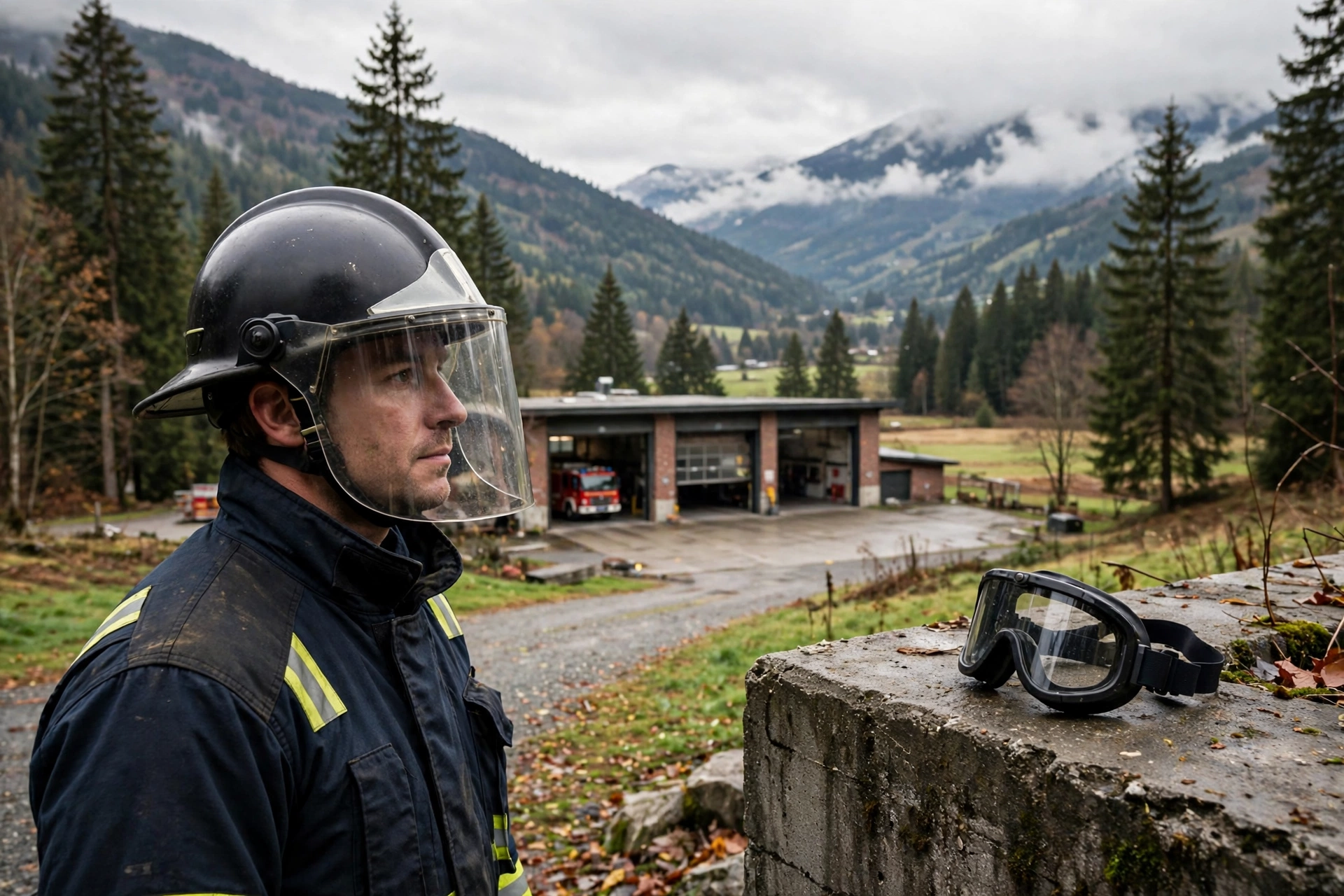
A face shield is a clear or tinted panel attached to the front of the helmet that can be lowered over the face or flipped up when not needed. It protects the eyes and much of the face from radiant heat, flying sparks, falling debris, and water spray. Because it is attached to the helmet, it is always there when you need it, and it can be lowered with one hand, even while wearing gloves.
The shield’s main advantage is coverage. It protects a larger area than goggles, including the cheeks and forehead, and it does not press against the face, which some firefighters find more comfortable over a long incident. It also works well with a breathing apparatus mask, since it sits outside the mask rather than interfering with its seal.
The shield’s weakness is that it is not sealed. Smoke, dust, and fine particles can drift in around the edges, especially in windy conditions or when moving quickly. A face shield reduces exposure to heat and large debris, but it does not keep fine smoke particles out of the eyes, and in heavy smoke, vision through a shield can still be obscured by particles reaching the eyes from the sides.
What Do Goggles Protect Against?
Goggles form a sealed barrier around the eyes, held in place by a strap that goes around the head or attaches to the helmet. That seal is their main strength: it keeps out smoke, dust, ash, and fine particles far more effectively than an open shield, and it protects the eyes during overhaul, when dust and debris are stirred up, or during wildland work in smoky, windy conditions.
Goggles also stay in place during vigorous movement. A face shield can bounce or shift when running, crawling, or working overhead, while goggles, properly strapped, remain sealed against the face. For work that involves a lot of movement, or for firefighters who wear prescription glasses, goggles designed to fit over glasses can be a practical solution.
The trade-offs are fogging and fit with breathing apparatus. Goggles can fog up in heat and humidity, especially when worn with a breathing apparatus mask that directs warm, moist air upward. Anti-fog coatings and ventilation help, but fogging remains a common complaint. Goggles can also interfere with the mask seal if they press against the mask or its straps, so the combination needs to be checked during fitting.
Can You Wear Both at the Same Time?
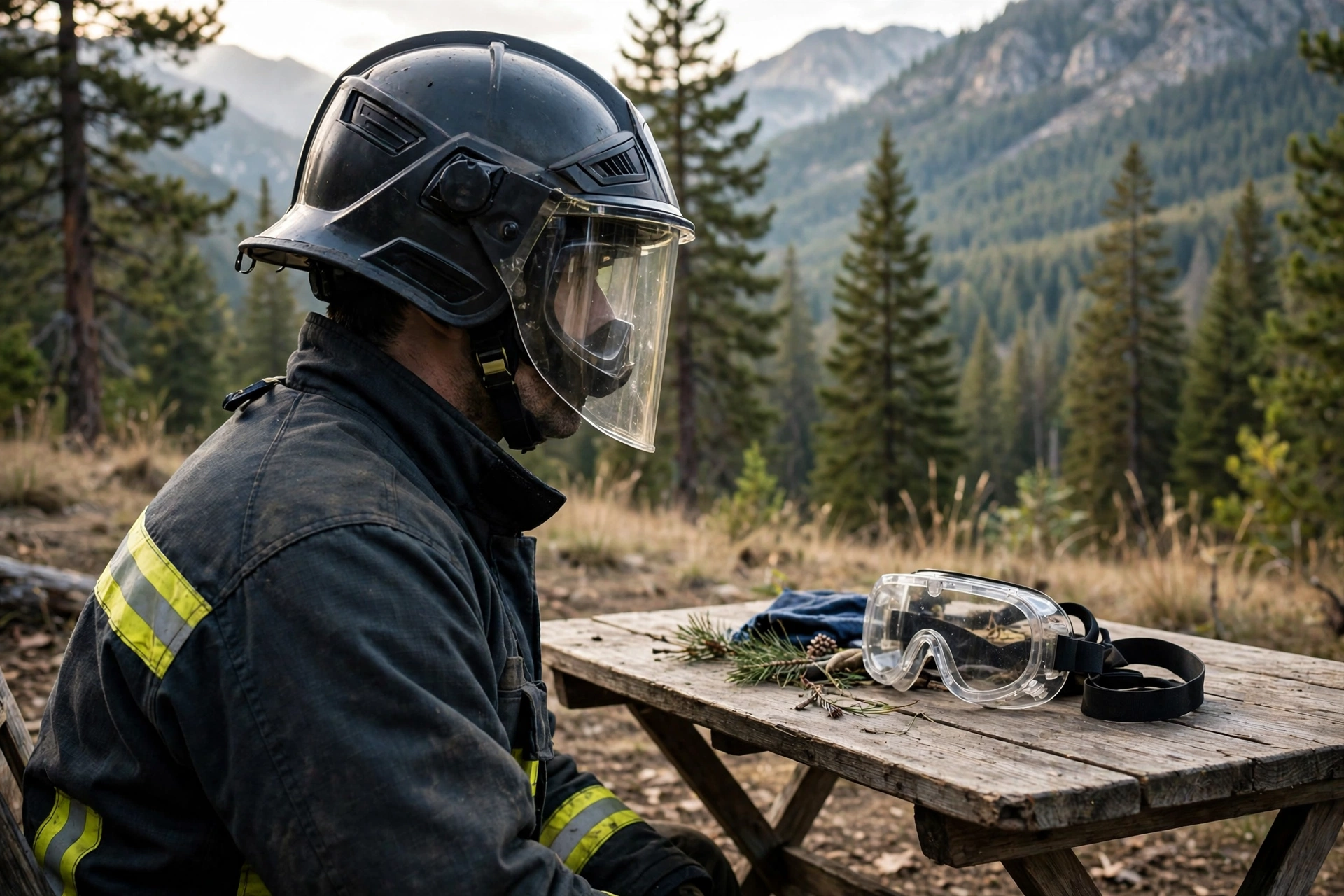
In general terms, yes, and many firefighters do. A common approach is to wear goggles for sealed eye protection and lower the face shield over them for extra protection against heat and debris. This combination gives the best of both worlds: the seal of the goggles plus the broad coverage of the shield.
The combination is not without drawbacks. Two layers can reduce clarity, especially if either layer fogs or becomes coated with soot, and the extra weight and bulk can be uncomfortable. It also takes longer to put on and adjust, which matters when time is short. For that reason, many firefighters use the combination only when conditions justify it, such as during overhaul or in heavy smoke, and use one layer alone for routine work.
If you plan to wear both, check the combination during training, not at a fire. Make sure the shield lowers fully over the goggles without pressing them out of position, and that the breathing apparatus mask still seals properly. A combination that looks good on paper but interferes with the mask seal is worse than either option alone.
Which Is Better for Different Types of Incident?
For structural firefighting, the face shield is often the default, because it integrates with the helmet and the breathing apparatus, and it protects against the heat and debris encountered inside a building. Goggles may be added during overhaul, when the fire is out but dust and ash are in the air, or when the breathing apparatus is removed and the eyes still need protection.
For wildland firefighting, goggles are often preferred, because wind-blown smoke, ash, and dust are constant, and a sealed fit matters more than broad heat protection. Wildland helmets are often paired with goggles as standard, and the combination suits the open, windy environment.
For road rescue and technical rescue, either option can work, depending on the hazards. Cutting and spreading tools throw debris and dust, and eye protection against flying particles is essential. Goggles give a sealed fit that suits dusty cutting work, while a face shield gives broader coverage against larger debris. Many rescue helmets accept both, and crews choose per task.
How Do You Keep Shields and Goggles in Good Condition?
Clean shields and goggles after each use with a soft cloth and mild soap, and check for scratches, cracks, and heat damage. A scratched lens reduces visibility, which is a safety issue in smoke and darkness, so badly scratched lenses should be replaced. Store shields in the raised position or with a protective cover, and store goggles where the lenses will not be scratched by other equipment.
Anti-fog treatments can help with goggles, but they wear off and need reapplying, and they should be compatible with the lens material. Avoid touching the inner surface of a lens with bare hands, since skin oils smear coatings and worsen fogging. If fogging is a persistent problem, try a different goggle model or ventilation setting, and raise the issue with your equipment officer, since several models may be available.
Finally, remember that eye protection is only one part of head protection. The helmet, the eye protection, and the breathing apparatus must work together as a system, and a change to one part can affect the others. Check the full combination regularly, and replace any part that is damaged or no longer fits properly. That systems thinking applies to all helmet safety, including the impact technology explained in this guide to what MIPS means for helmets.
Frequently Asked Questions
Q: Is a face shield enough eye protection for firefighting?
A: In general terms, a face shield protects against heat, sparks, and falling debris, but it is not sealed, so smoke and fine dust can still reach the eyes. In heavy smoke or dusty overhaul work, goggles add valuable sealed protection.
Q: Do goggles fog up with a breathing apparatus?
A: They can, especially in heat and humidity, since warm air from the mask rises toward the lenses. Anti-fog coatings, ventilation, and a good fit help, but fogging remains a common issue worth testing during training.
Q: Can I wear goggles under a face shield?
A: Yes, many firefighters do, lowering the shield over the goggles for combined protection. Check the combination during training to make sure the shield does not press the goggles out of position or break the breathing apparatus seal.

Olivia
Writer at Helmet Today, covering helmet reviews, fit and riding safety.