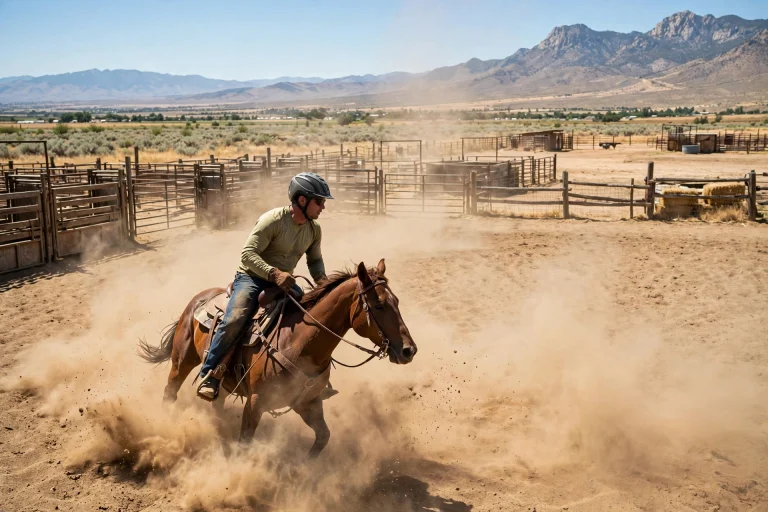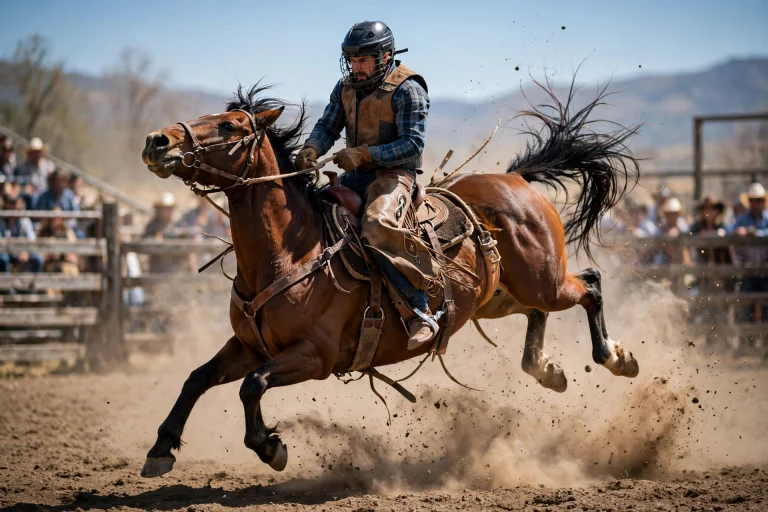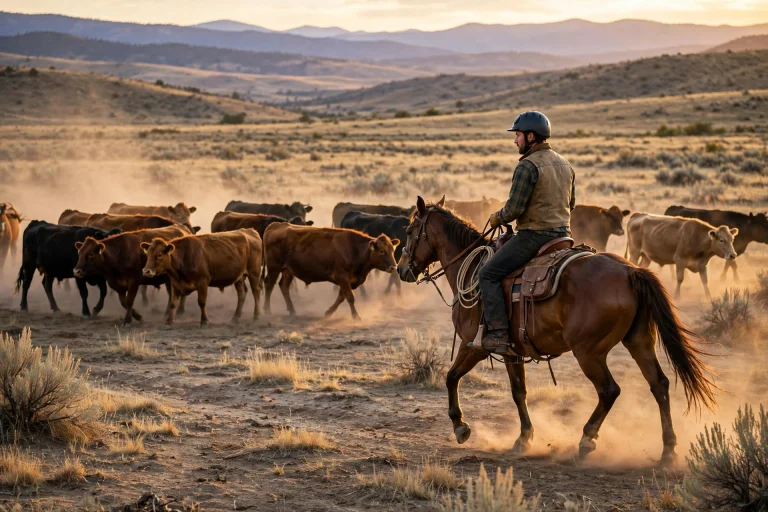
In general terms, many western pleasure riders do not wear helmets, but a helmet is the safer choice every time you get in the saddle. Western pleasure is one of the few riding disciplines where a cowboy hat is still the expected headwear in the show ring, and that tradition is strong. Yet the risks of riding are the same whatever hat you wear: a fall from a horse can happen to a quiet, well-trained horse on a good day, and a helmet is the only headwear designed to reduce the force of that fall.
This guide explains what western pleasure riding involves, why helmets are uncommon in the ring, what the rules actually say, and how to choose a helmet that suits the discipline if you decide to wear one. Whether you ride for pleasure at home or compete at shows, the choice is yours — but it should be an informed one.
What Is Western Pleasure Riding?
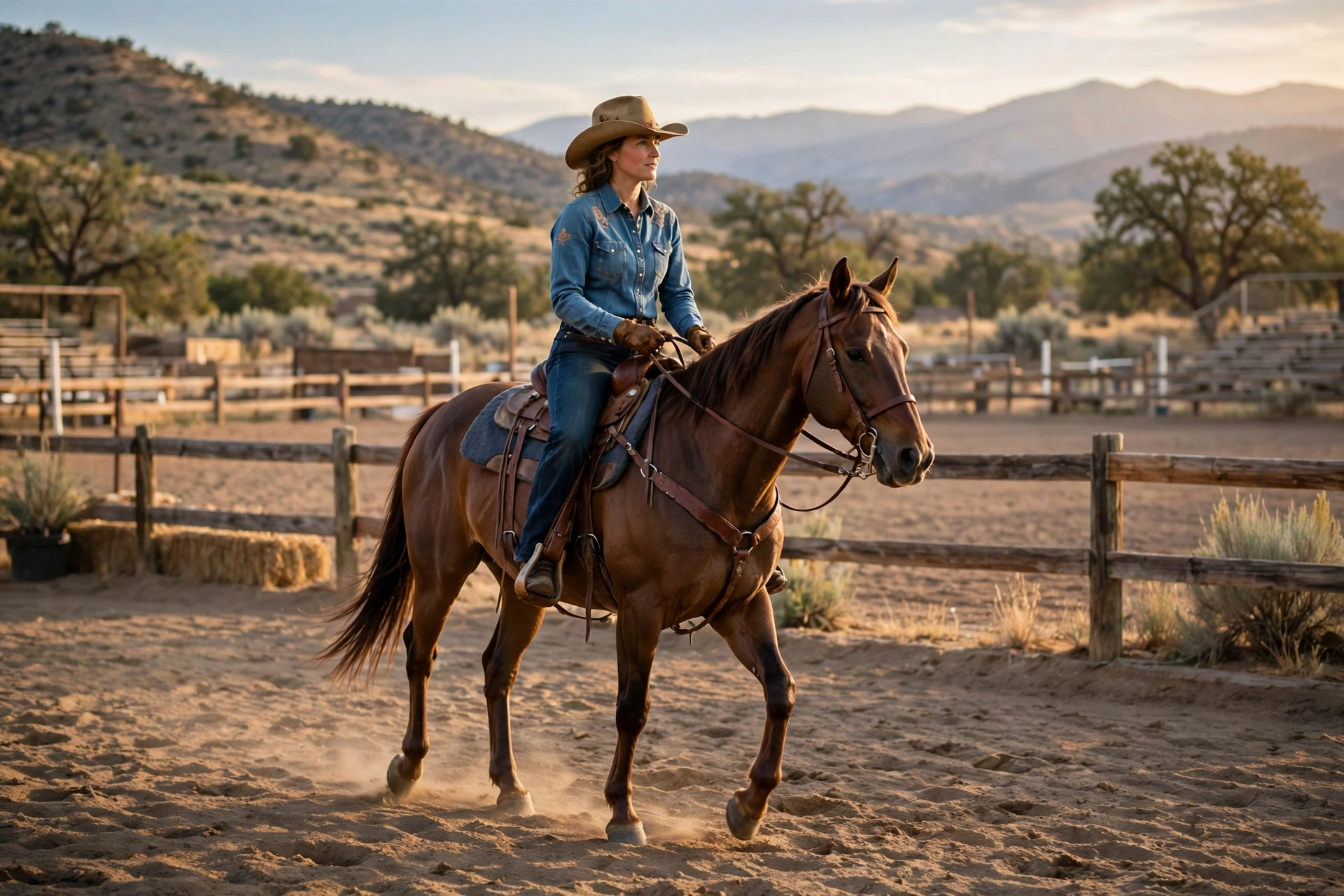
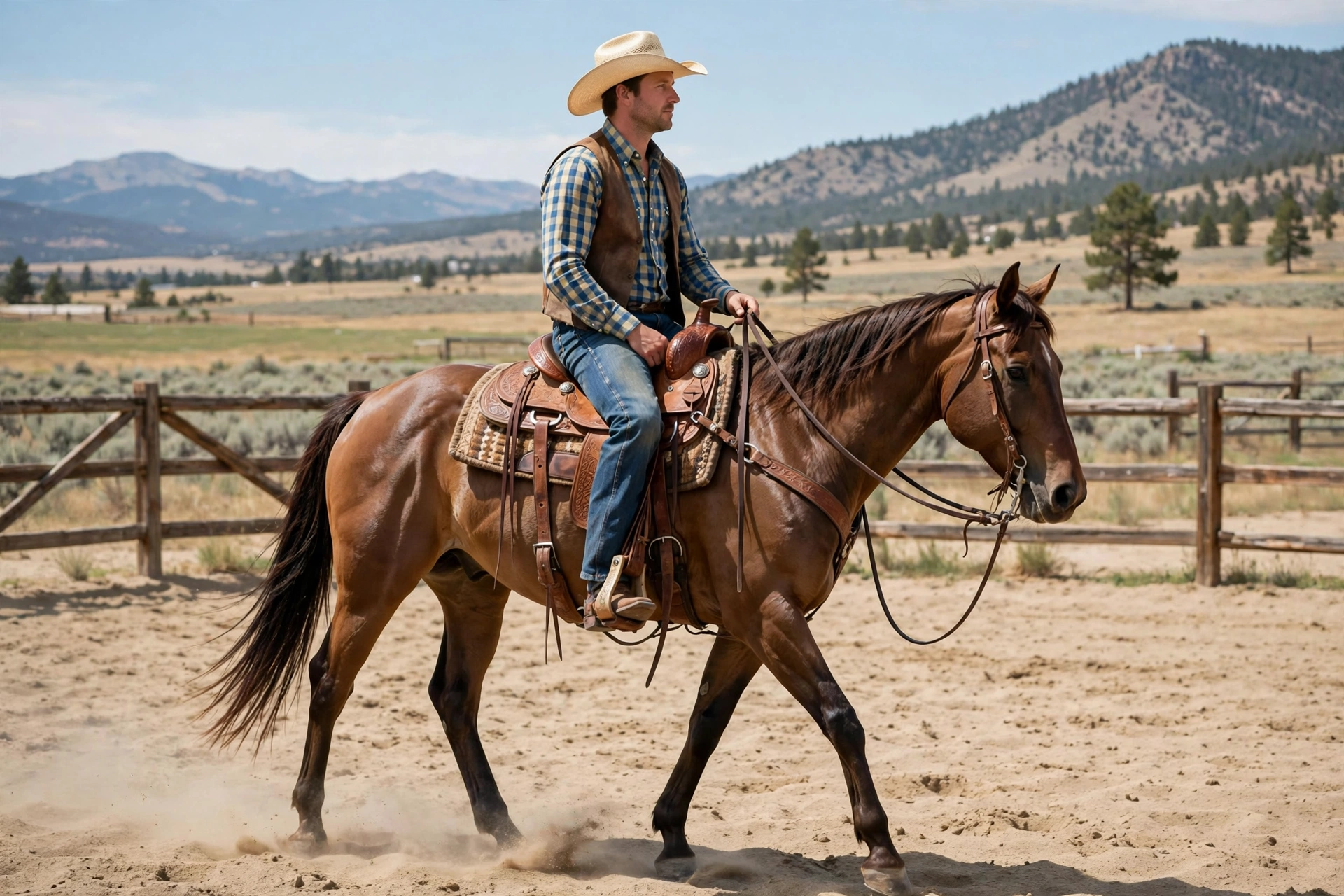
Western pleasure is a show discipline in which horse and rider are judged on how calm, smooth, and enjoyable the horse is to ride. The horse moves at a slow, relaxed walk, jog, and lope, with a low head carriage and a steady, unhurried rhythm. The rider sits deep in a western saddle, with a loose rein and a quiet seat, and the overall picture should look effortless.
The discipline grew out of ranch riding, where a comfortable, steady horse that could work all day was worth more than a flashy one. That heritage shapes everything about western pleasure, including the turnout: western saddle, western bridle, western boots, a long-sleeved shirt, and a cowboy hat. The look is part of the tradition, and judges expect riders to present themselves in the classic western style.
Do Western Pleasure Riders Usually Wear Helmets?
In the show ring, most western pleasure riders still wear a cowboy hat rather than a helmet. That is the honest answer, and it reflects a long-standing tradition in western showing. The cowboy hat is part of the expected turnout, and many riders feel that a helmet would look out of place in a class judged partly on presentation. For some, the hat is also a matter of identity: western riding and the cowboy hat go together in a way that is hard to separate.
Outside the show ring, the picture is different. Many western pleasure riders wear a helmet when schooling at home, hacking out, or working a young or green horse. Riders who have had a fall, or who have watched a friend have one, often make the switch for everyday riding even if they keep the hat for shows. In general terms, helmet use in western riding has been growing slowly, particularly among younger riders and those who also ride in other disciplines where helmets are the norm.
It is worth saying plainly that a cowboy hat offers no impact protection. It shades you from the sun and completes the look, but it is not designed to absorb the force of a fall. A riding helmet, by contrast, is built for exactly that purpose. The choice between them is not a choice between two kinds of protection: it is a choice between tradition and protection.
What Do Show Rules Say About Helmets?
Show rules vary between organisations, so there is no single answer that covers every western pleasure class. In general terms, most western show associations do not require a helmet for adult riders in western pleasure classes, and a cowboy hat remains the standard headwear. Some associations require helmets for youth riders, and some allow a helmet as an alternative to a hat without penalty. The details change from one organisation to another, and from one country to another, so checking the rule book for the association you show under is the only way to know for certain.
What has changed in recent years is that more associations now permit helmets without penalising the rider. Where that is the case, a rider who wears a helmet in the ring should not lose marks for turnout. That is an important shift, because it removes one of the main reasons riders gave for not wearing one. If your association allows helmets, the decision becomes a personal one rather than a rule-bound one.
Why Do Some Riders Choose Not to Wear a Helmet?
Tradition is the biggest reason, and it deserves to be taken seriously rather than dismissed. Western pleasure has a look, and the cowboy hat is central to it. Riders who have grown up in the discipline often feel that a helmet changes the picture they have worked hard to present. There is also a social element: when nobody else in the class is wearing a helmet, being the only one can feel conspicuous, especially for a young rider.
Comfort plays a part too. Some riders find helmets hot, particularly in summer, and a western pleasure class can involve a long wait in the sun before you ride. A helmet that fits poorly is a genuine distraction, and a rider who is thinking about their helmet is not riding at their best. These are real concerns, but they are also solvable: a well-fitted, well-ventilated helmet is far more comfortable than a poor one, and trying several models is the best way to find one you forget you are wearing.
How to Choose a Helmet That Suits Western Pleasure?
If you decide to wear a helmet for western pleasure, look for one that is certified to a recognised equestrian helmet safety standard for your region. The label inside the helmet will state which standard it meets. Beyond certification, fit matters more than anything else: the helmet should sit level, low on your forehead, snug without pressure points, and it should not rock or slide when you shake your head.
Style is a practical consideration in this discipline. Some helmet makers now produce helmets with a low profile and a western look, including models designed to sit neatly under a hat-shaped cover or in colours that blend with show turnout. A dark, low-profile helmet is less visually jarring in the ring than a brightly coloured one, and many riders find that helps them feel comfortable wearing it in front of a judge. If you are learning about helmet technology, reading about what MIPS is for helmets can help you understand one of the safety features you may see listed on the box.
Frequently Asked Questions
Q: Can I wear a helmet in a western pleasure show class?
A: In general terms, many western show associations now allow helmets without penalty, though a cowboy hat remains the traditional headwear. Check your association’s rule book before the show, as rules vary between organisations.
Q: Do youth western pleasure riders have to wear helmets?
A: Some associations and shows require helmets for youth riders, while others leave it to the rider or parent. Check the rules for your association and your show, and when in doubt, a helmet is the safer choice for a young rider.
Q: Will a helmet hurt my score in western pleasure?
A: Where helmets are permitted, they should not affect your score, as judging is based on the horse’s movement and manners. A low-profile helmet in a dark colour is the least distracting option if presentation worries you.

Olivia
Writer at Helmet Today, covering helmet reviews, fit and riding safety.