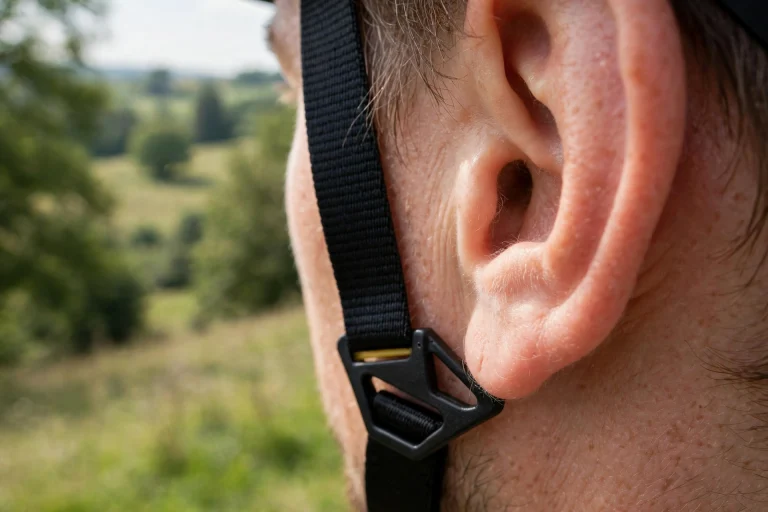
Helmet ear pockets are recessed spaces in a helmet’s padding around the ears, designed to leave room for hearing aids, cochlear implant processors, and other devices worn behind the ear. Instead of padding that presses flat against the side of your head, a helmet with ear pockets has a hollow or a thinner pad in the ear area, so a device sitting behind the ear has somewhere to go. For hearing aid wearers, that small space can be the difference between a comfortable ride and a painful one.
Ear pockets are not a standard feature on every helmet, and they are not always labelled clearly on the box. This guide explains what they are, which helmets have them, how they work, and what to do if your helmet does not have them.
What Exactly Is a Helmet Ear Pocket?
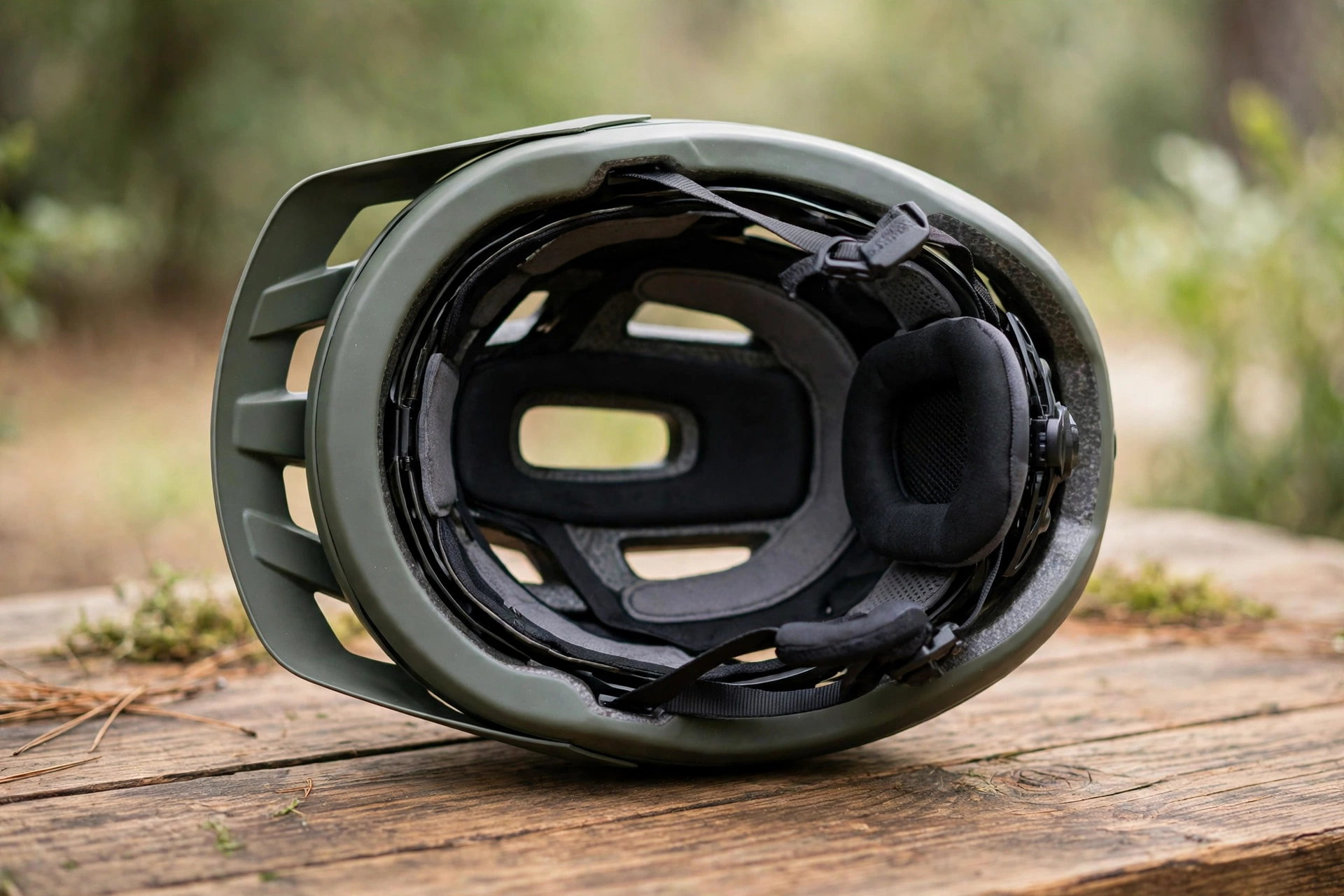
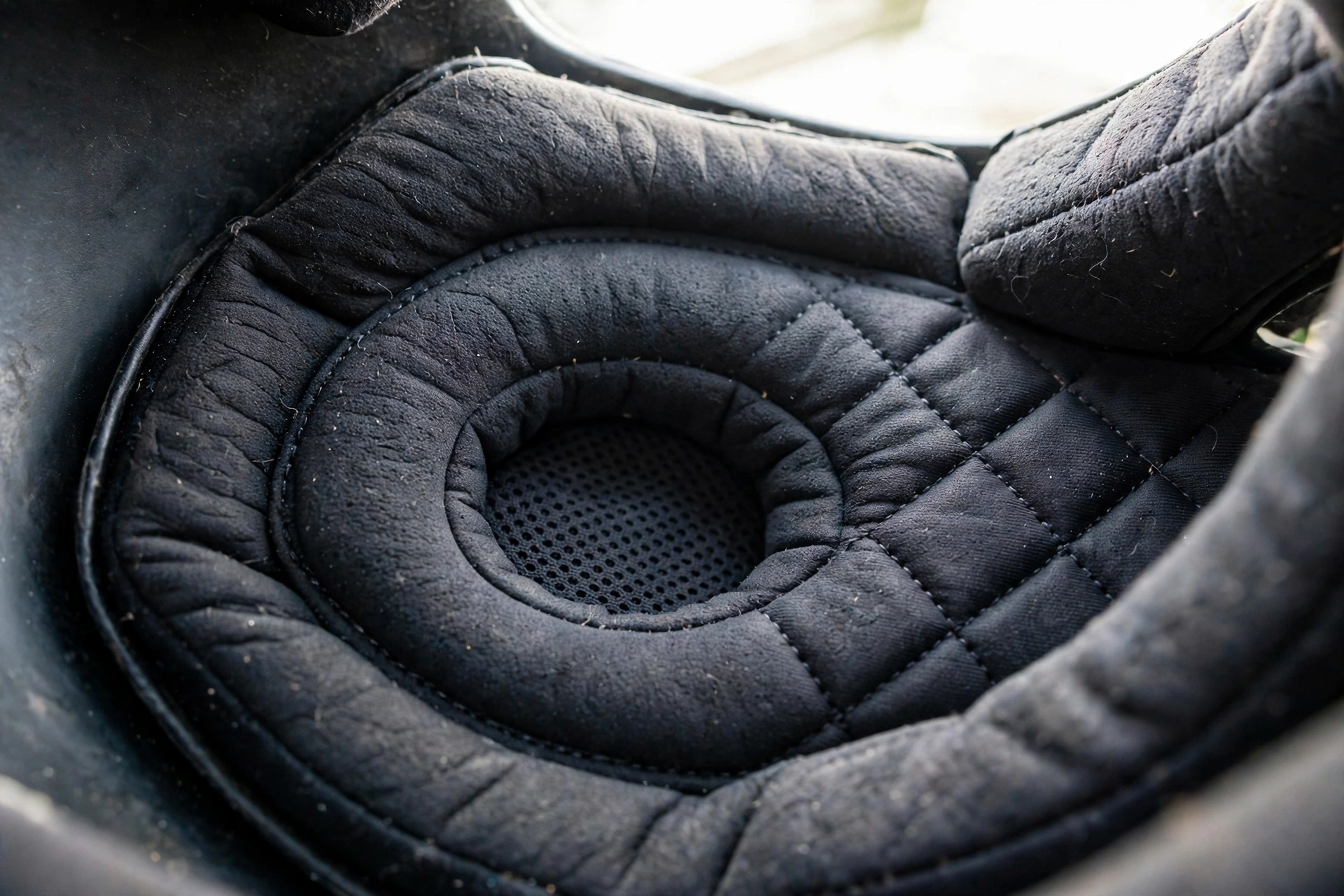
An ear pocket is a shaped hollow in the helmet’s comfort padding, positioned where your ear and any device behind it sit. In some helmets it is a visible cut-out in the foam; in others it is simply a thinner section of padding, or a pad that can be removed to create space. The idea is the same in each case: the padding does not press on the ear or the device behind it.
Ear pockets are different from the ear flaps or ear covers on winter helmets, which are meant to keep ears warm. A pocket is about space, not warmth, and it works even in a light, well-ventilated summer helmet. Some helmets combine both — a warm ear flap with a pocket inside it — but the pocket itself is the part that helps hearing aid wearers.
In general terms, ear pockets help in three ways. They reduce pressure on the aid or processor, which stops soreness on long rides. They reduce feedback, because the aid is not squeezed against padding that covers its microphone. And they reduce the chance of the aid being knocked out of place when the helmet moves.
Which Helmets Have Ear Pockets?
Ear pockets are most common on helmets designed for cold weather or for sports where ear coverage matters, such as ski helmets and some equestrian helmets. Many ski helmets have padded ear flaps with a pocket built in, and some have audio-ready pockets designed to hold small speakers — which can also hold a hearing aid comfortably.
On cycling helmets, ear pockets are less common but not rare. Some commuter and touring helmets have removable ear pads that create a pocket when taken out, and some mountain bike helmets have thicker padding that can be swapped for thinner pads around the ears. The feature is rarely advertised with the words “ear pocket”, so it helps to look at the helmet in person, or to ask the shop to show you the padding around the ears.
Motorcycle helmets often have the most developed ear pockets, because they are designed around intercom speakers that sit in the ear area. A motorcycle helmet with speaker pockets gives a hearing aid or processor a ready-made space. If you ride a motorcycle and wear hearing aids, speaker pockets are worth asking about specifically.
How Do Ear Pockets Help Hearing Aid Wearers?
The main benefit is pressure relief. A behind-the-ear hearing aid sits in a small case that sticks out from the head, and flat padding presses directly on it. A pocket gives the case room, so the helmet’s pressure is spread across the head instead of concentrated on the device. On a long ride, that difference is easy to feel.
Ear pockets also help with sound. A hearing aid’s microphone needs a clear path to the air, and padding pressed over it can muffle sound or cause a whistling feedback loop. With a pocket, the microphone sits in open space, so sound reaches it more naturally and feedback is less likely. An aid sitting in a pocket is also less likely to be caught and flicked away when you take the helmet off, because the padding is not gripping it.
What If Your Helmet Has No Ear Pockets?
If your helmet has removable ear pads, try taking them out on the side where the aid sits, or swapping them for thinner pads. Many helmets are sold with spare pads of different thicknesses, and a thinner pad can create the same effect as a built-in pocket. Check with the maker first, because pads are part of the helmet’s fit system, and removing them changes how the helmet sits.
If the pads are fixed, a different helmet may be the better answer. Try helmets with a deeper shell or a rounder shape, which can leave more room around the ears even without a named pocket feature. Bring your aids to the shop and test the fit with them in place — a helmet that feels fine without aids can press hard with them in. If you are comparing helmet features, reading about what MIPS is for helmets can help you understand one of the liner systems you may see listed, since some liners sit closer to the head than others.
Never cut, carve, or compress the helmet’s impact liner to make a pocket. The liner — usually the hard foam layer under the comfort padding — is part of the helmet’s protection, and cutting it can weaken the helmet. Only the soft comfort padding can be changed, and only in the ways the maker allows.
How Do You Test an Ear Pocket Before You Buy?
Put your hearing aids in, switch them on, and put the helmet on in the shop. Feel around the ear: can you slide a finger between the padding and the aid? Is there a visible gap or hollow? Turn your head, nod, and listen for whistling. Talk, or ask the shop assistant to talk, and check that speech still sounds clear and natural.
Wear the helmet for several minutes, not just a few seconds. Pressure that feels minor at first can become sore after ten minutes, and feedback may only start when the helmet settles into place. Walk around the shop, bend forward as if riding, and shake your head gently. The helmet should stay put, and the aids should stay where you put them.
Finally, practise taking the helmet off with the aids in. Lift it straight up, slowly, with one hand steadying the aids. If the helmet catches the aids every time, the pocket is not deep enough, or the helmet shape does not suit you. A good ear pocket should make removal easy, not a careful operation.
Frequently Asked Questions
Q: Do all helmets have ear pockets?
A: No. Ear pockets are common on ski and motorcycle helmets and on some cycling helmets, but many light road helmets have flat padding around the ears. Check the padding in person before you buy.
Q: Can I make an ear pocket in a helmet that does not have one?
A: You can only change the soft comfort padding, such as removing or swapping ear pads where the maker allows it. Never cut the hard impact liner — that is part of the helmet’s protection.
Q: Do ear pockets work for cochlear implant processors too?
A: Yes, in general terms. The same space that relieves pressure on a hearing aid also helps a processor and its coil, though the coil sits higher on the head, so check that area as well as the ear itself.

Olivia
Writer at Helmet Today, covering helmet reviews, fit and riding safety.