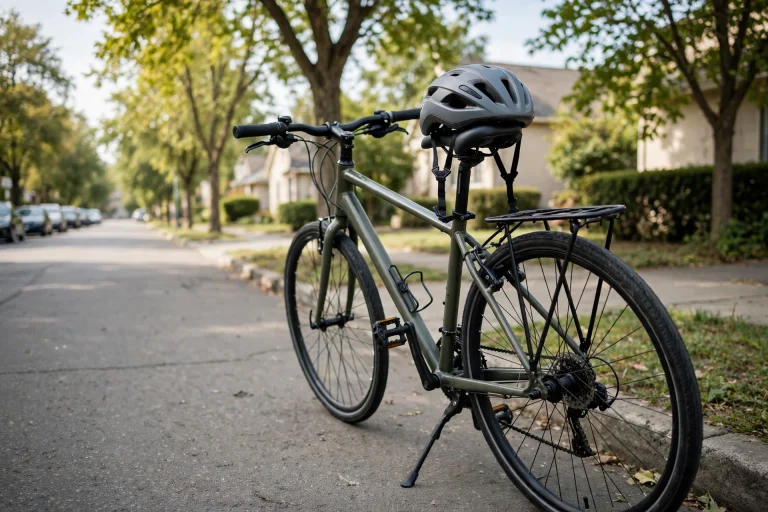
A helmet for a rider with limited grip strength is, in general terms, a standard protective helmet chosen and set up so that its fastenings, adjustments and fit can be managed comfortably with less hand strength. The helmet itself does not need to be a special medical device. What matters most is how easy it is to put on, fasten securely, adjust and take off again, without needing a strong squeeze, a firm pinch or a tight pull.
What Does Limited Grip Strength Mean for a Rider?
Limited grip strength means that gripping, squeezing, pinching or holding something firmly takes more effort than it used to, or is painful or tiring. For a rider, this affects the small jobs around a helmet more than the riding itself. Fastening the chin strap, tightening a fit dial, clipping a buckle shut and pulling the helmet off at the end of a ride all rely on the hands, and each of these can become a small struggle.
Because of this, there is no single helmet that suits every rider with limited grip. The right choice depends on which fastenings cause trouble and how much strength is available. A rider who struggles with a chin-strap buckle needs a different solution from a rider who struggles with a rear fit dial. Working out exactly which part of the process is hard is the first step, because it tells you which feature to look for.
Which Helmet Features Help When Grip Strength Is Limited?
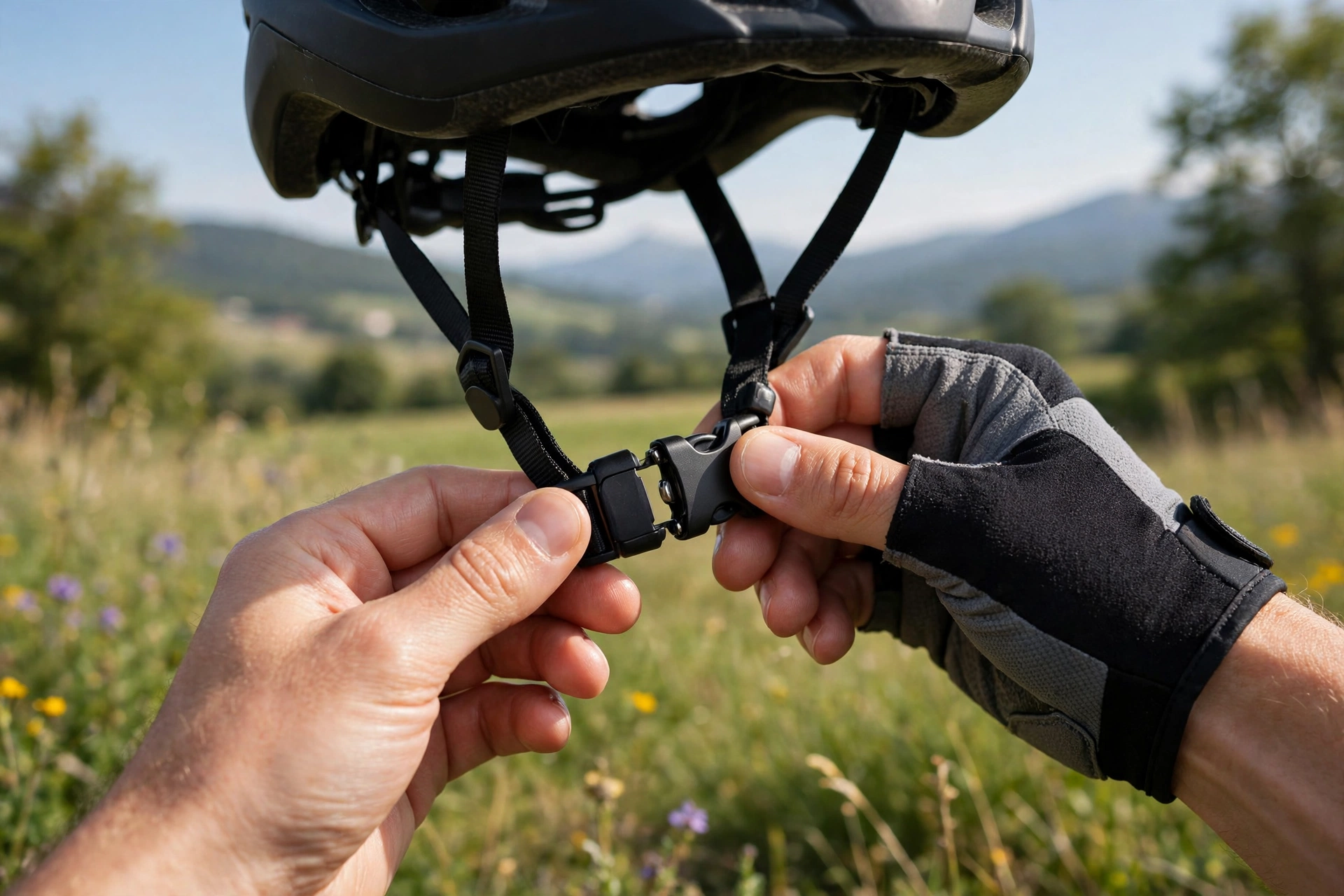
The chin strap buckle is often the biggest obstacle, so it deserves the most attention. Some helmets use a buckle that needs a firm pinch to open or close, while others use a magnetic buckle that clicks together with very little force and releases with a simple slide or twist. A magnetic buckle can be a real help for riders who find pinching difficult, and it is worth trying one in a shop to see how it feels in your own hands.
The fit system at the back of the helmet matters too. Many modern helmets have a dial that tightens the inner cradle around the head. A large, easy-to-turn dial with a good grip surface is far easier to use than a small, smooth one that needs a strong pinch. Some helmets also have a fit system that can be adjusted with a simple lever or a sliding pad, which may suit some riders better. Trying these in person is the best way to tell which one works for you.
Other details can make a difference as well. A helmet with a slightly wider opening may be easier to put on and take off. Straps that are easy to slide through their adjusters, rather than stiff or sticky, save effort every time the helmet is worn. A lightweight helmet is also easier to handle, because lifting and positioning it takes less effort. None of these features is a medical treatment, but together they can make the difference between a helmet that is a chore and one that is simply part of the ride. If you are learning about how helmets handle different kinds of impact, reading about what MIPS is for helmets can help you understand one of the technologies used in modern helmet design.
How Should the Helmet Fit and Feel?
Fit matters just as much for a rider with limited grip as for any other rider, and in some ways it matters more. A helmet that fits well stays in place with less strap tension, which means the straps do not need to be pulled as tight. A helmet that is too loose, on the other hand, will shift around and may tempt the rider to over-tighten the strap, which is exactly the job that is hardest with limited grip.
A good fit means the helmet sits level on the head, covering the forehead without slipping down over the eyes, and feels snug without pressing painfully anywhere. The inner padding should touch the head evenly all the way around. When the helmet is shaken gently from side to side, it should move the skin of the forehead with it rather than sliding freely over the head.
What About Ventilation, Weight and Comfort?
Comfort is not a luxury when grip strength is limited: a helmet that is uncomfortable is a helmet that gets fiddled with, loosened or taken off early. Good ventilation helps here, because a cool head is a comfortable head. Look for vents that can be opened and closed easily, ideally with a simple slider that does not need a strong push. Some helmets have vents that are always open, which removes the question entirely.
Weight is worth considering too. A lighter helmet is easier to lift on and off, and it puts less strain on the neck over a long ride. In general terms, helmets made with lighter materials tend to cost more, but even a modest reduction in weight can be noticeable when handling the helmet with weaker hands. Try lifting a few helmets in the shop and notice how each one feels in your hands, not just on your head.
How Can a Rider Test a Helmet Before Buying?
The best test is a slow, honest one in the shop. Put the helmet on and take it off several times, exactly as you would before and after a ride. Fasten and unfasten the buckle, adjust the fit dial, and slide the straps. If any step feels like a struggle in the shop, it will feel like a struggle at home too, so do not assume it will get easier with practice.
- Fasten and unfasten the chin strap at least three times, with your riding gloves on.
- Adjust the rear fit dial from loose to snug and back again.
- Put the helmet on and take it off without help, as you would at home.
- Shake your head gently to check the helmet stays in place.
- Wear it for five minutes to check for pressure or discomfort.
If a helmet passes all of these tests, it is a good candidate. If it fails one, ask whether a different buckle, a larger dial or a different model would fix it. A good shop will be happy to help you compare, and the time spent testing is time well spent.
Frequently Asked Questions
Q: Is there a special helmet made for riders with limited grip strength?
A: In general terms, there is no single special helmet for limited grip strength. The best approach is a standard helmet with easy-to-use fastenings, such as a magnetic buckle and a large fit dial, chosen to match the rider’s own hands.
Q: Are magnetic helmet buckles secure?
A: Magnetic buckles are designed to hold the chin strap securely when closed, and they are used on helmets that meet the usual safety standards. They should still be checked before every ride to make sure the strap is properly fastened and snug.
Q: Should I ask for help fastening my helmet?
A: There is nothing wrong with asking for help, and a well-fitted helmet that is fastened correctly is far safer than one worn loose. The aim is a helmet you can manage yourself most of the time, with help available when you need it.

Olivia
Writer at Helmet Today, covering helmet reviews, fit and riding safety.