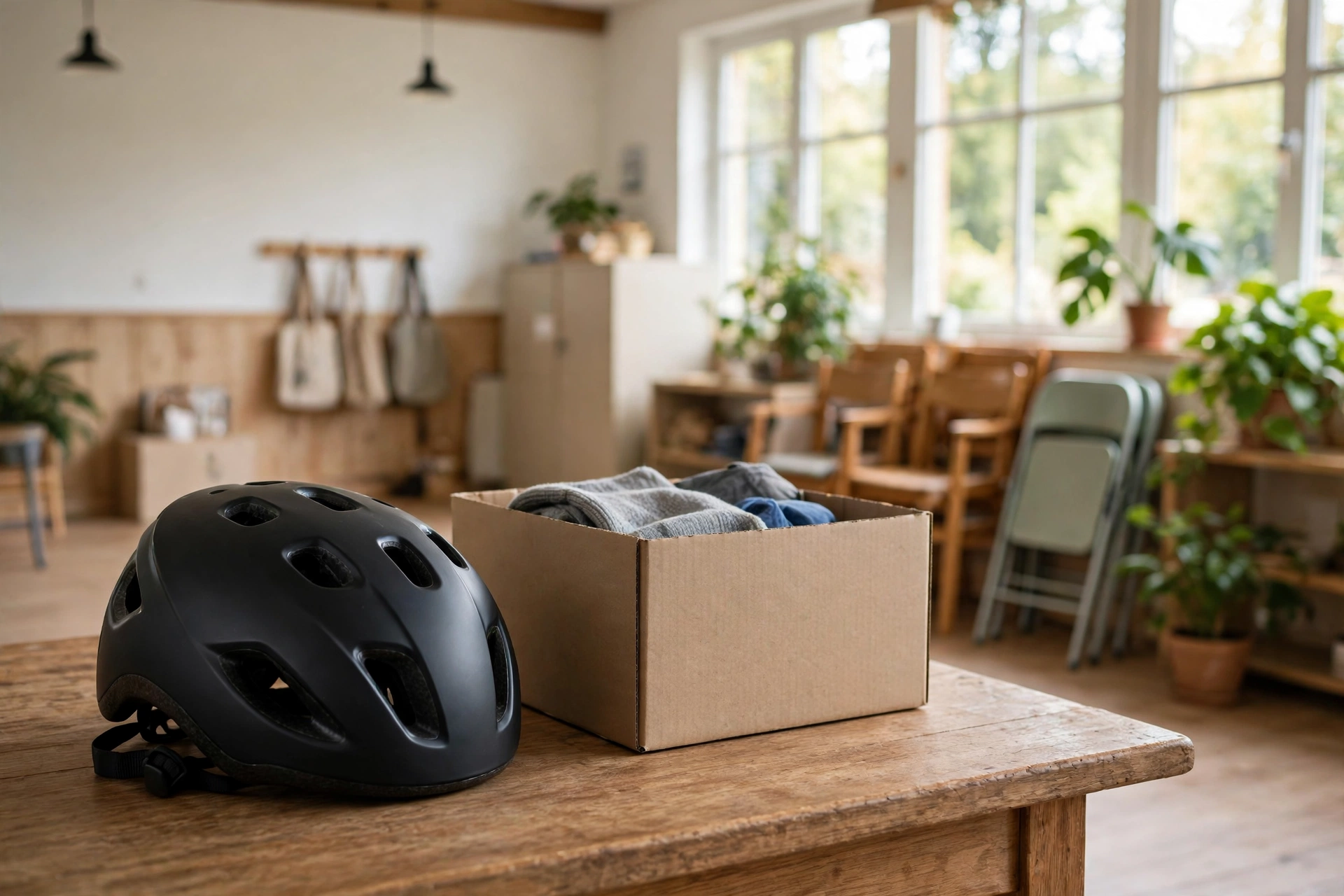
Yes, old helmets can often be donated, but only if they are still safe to use and have never been in a crash. A helmet that is undamaged, within its usable life, and still fits well may be useful to someone else, especially a child or a beginner who cannot afford a new one. A crashed or worn-out helmet should not be passed on, because it may no longer protect properly. In general terms, donation is a good idea when the helmet is genuinely still safe, and a bad idea when there is any doubt about it.
When Is an Old Helmet Safe to Donate?
An old helmet is safe to donate when it has no visible damage, no history of a hard impact, and no signs of wear that affect its protection. Check the shell carefully for cracks, dents, or deep scratches, and check the liner inside for cracks, crumbling, or areas that have gone soft or compressed. The straps should be whole and strong, with buckles that fasten firmly, and the padding should still sit snugly against the head. If the helmet passes all of these checks and still fits the person it is meant for, it may be a suitable donation.
Helmets also wear out over time, because sun, sweat, and everyday knocks slowly weaken the materials. If you are unsure how old a helmet is, or if it has been stored in a hot loft or a damp garage for years, it is better to be cautious and not to donate it as safety equipment.
Who Accepts Donated Helmets?
Several kinds of organisation may accept donated helmets, though not all of them do. Children’s cycling charities, community bike projects, and school cycling programmes sometimes take helmets for children who are learning to ride. Some ski schools and youth sports clubs also accept helmets for beginners, and some reuse and recycling centres will take them for parts or for display rather than for use. It is always worth asking first, because each organisation has its own rules about what it can accept.
Some organisations will not accept used helmets at all, and that is a sensible policy rather than a rejection of your offer. A charity cannot always check a helmet’s full history, so it may prefer to give out new helmets where safety is at stake. In general terms, a phone call or an email before you turn up will save a wasted trip, and it will also let the organisation tell you exactly what condition they need the helmet to be in.
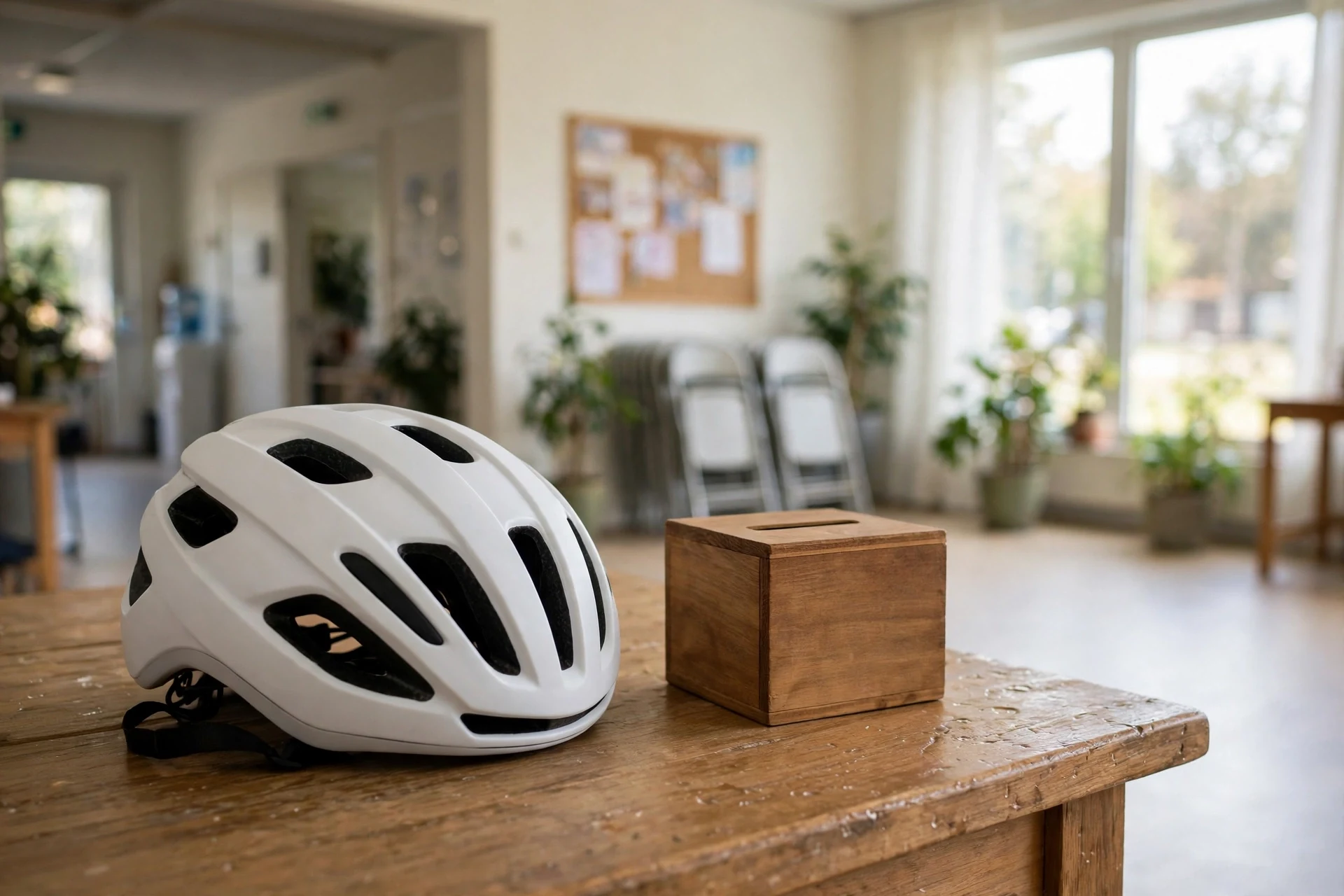
How Should You Prepare a Helmet for Donation?
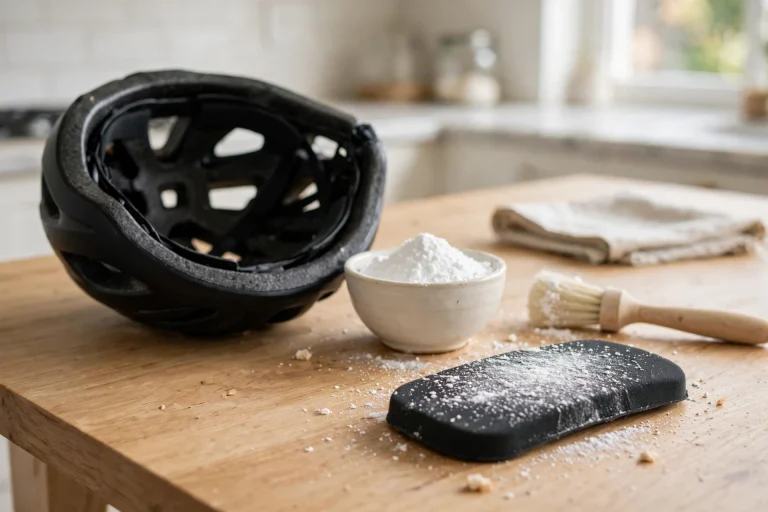
Before donating a helmet, clean it well and check it one more time. Remove the inner padding if it comes out, and wash it gently with mild soap and water, then let it dry fully in the air. Wipe the shell with a damp cloth, and clean the straps and buckles so the helmet looks and smells fresh.
It is also honest and helpful to tell the organisation about the helmet’s history. Say how old it is, how much it was used, and whether it has ever been dropped or involved in a crash. If it has been in any kind of hard impact, do not donate it as safety gear at all, even if it looks undamaged. If you want to understand one of the safety technologies used in modern helmets, reading about what MIPS is for helmets is a useful starting point, and it may help you judge the quality of the helmet you are passing on. Honesty about a helmet’s past is part of making sure the next wearer is properly protected.
What If a Helmet Is Too Old or Damaged to Donate?
A helmet that is too old or damaged to donate should not be passed on as safety equipment, but it does not have to go straight to landfill. Some parts can be reused for craft or display, and some helmet makers and shops run take-back or recycling schemes. Checking with your local council or recycling centre is a good first step, because the rules vary from place to place.
If no recycling option exists near you, the safest choice is to cut the straps before throwing the helmet away, so that nobody can pick it up and use it as safety gear by mistake. This is a small step that prevents a damaged helmet from ending up on someone’s head. In general terms, a helmet that has done its job and is no longer safe should be retired clearly and finally, rather than left in a state where it could be mistaken for a working helmet. That protects the next person just as surely as a good donation does.
Can Donated Helmets Help Children and Beginners?
Donated helmets can make a real difference for children and beginners who might otherwise ride or ski without any head protection. A child who is learning to ride a bike falls often, and a helmet turns many of those falls into small knocks instead of serious injuries. For families on a tight budget, the cost of a new helmet can be a real barrier, and a good donated helmet removes that barrier at exactly the moment it matters most.
Beginners in other sports benefit in the same way. A new skier, skater, or scooter rider is more likely to fall while learning, and a helmet gives them the confidence to keep practising. A donated helmet that fits well and is in good condition can be the difference between a beginner who keeps going and one who gives up after a scare. In general terms, the value of a donation is not just the helmet itself, but the safer start it gives to someone who is new to the sport.
What Should You Check Before Accepting a Donated Helmet?
If you are offered a donated helmet, check it just as carefully as you would check one you were buying. Look for cracks in the shell and the liner, test the straps and buckles, and make sure the padding is clean and intact. Ask how old the helmet is and whether it has ever been in a crash, and do not accept it if the answer is unclear or worrying.
Fit is just as important as condition. A helmet that is too big will wobble and may come off in a fall, while one that is too small will be uncomfortable and may not cover the head properly. Try it on, fasten the strap, and shake your head gently: the helmet should stay put without pressing painfully anywhere. If it does not fit, it is better to wait for one that does. A donated helmet should be a safe helmet, and a poor fit is a sign that it is not the right one for you.
Can I donate a helmet that has been in a crash?
No. A helmet that has been in a crash should be retired, not donated. The liner may be damaged in ways that are not visible, and it may not protect the next wearer properly.
Where can I donate an old helmet?
Children’s cycling charities, community bike projects, school programmes, and some sports clubs may accept helmets in good condition. Always ask first, because some organisations only accept new helmets.
How do I know if my old helmet is still safe?
Check for cracks, dents, and worn straps, and consider its age and history. If it has never been crashed and is still within its usable life, it may be safe to donate, but any doubt means it should be retired instead.

Olivia
Writer at Helmet Today, covering helmet reviews, fit and riding safety.