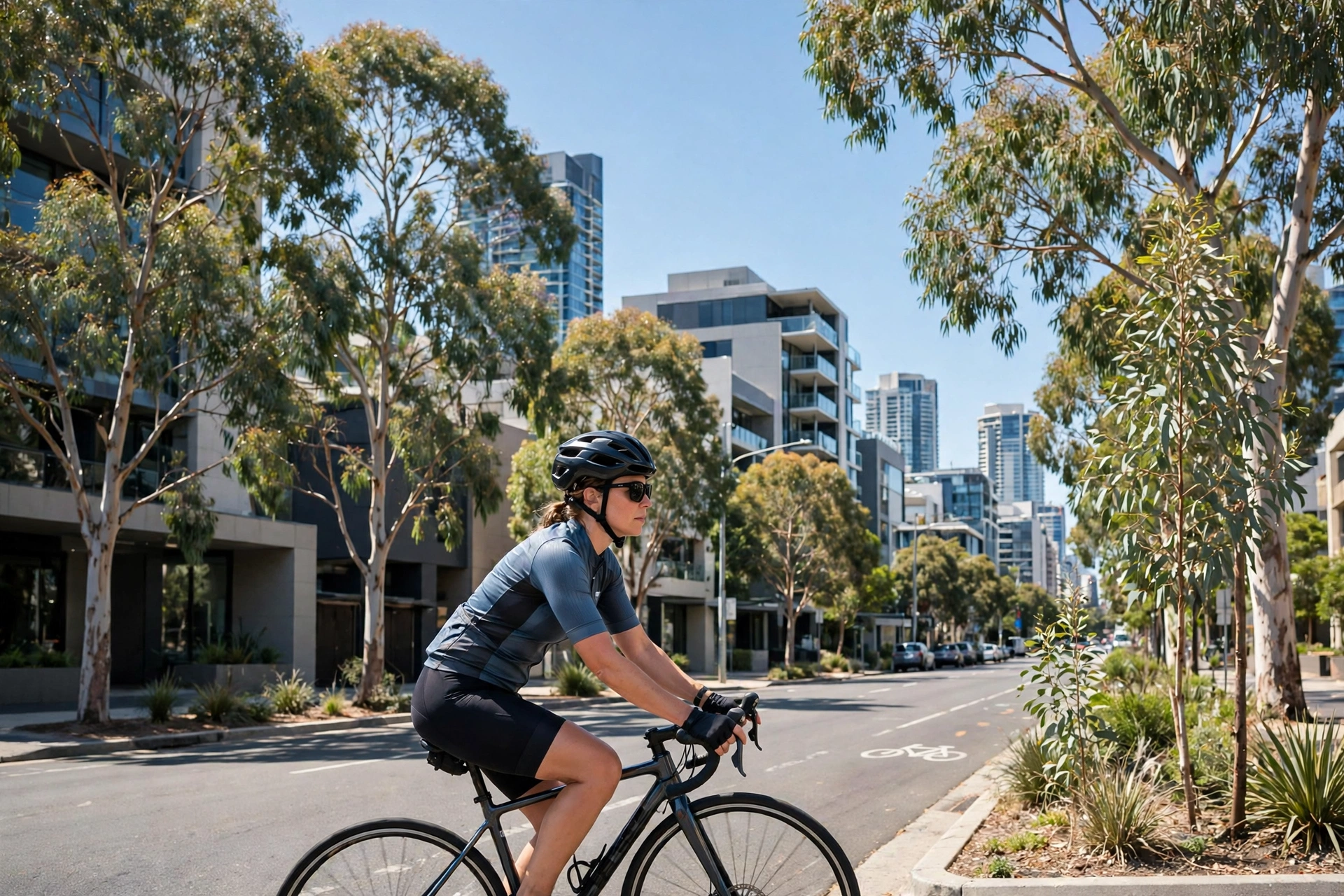
In general terms, bicycle helmet laws in Australia require riders to wear an approved helmet when cycling on public roads and paths, though the exact rules can vary by state or territory. The broad idea is simple: if you are riding a bicycle in a public place, you should be wearing a helmet that fits properly and meets the relevant standard. The details — who must wear one, where the rule applies, and what happens if you do not — are set at state and territory level, so it is worth checking the current local rules before you ride.
Do cyclists have to wear a helmet in Australia?
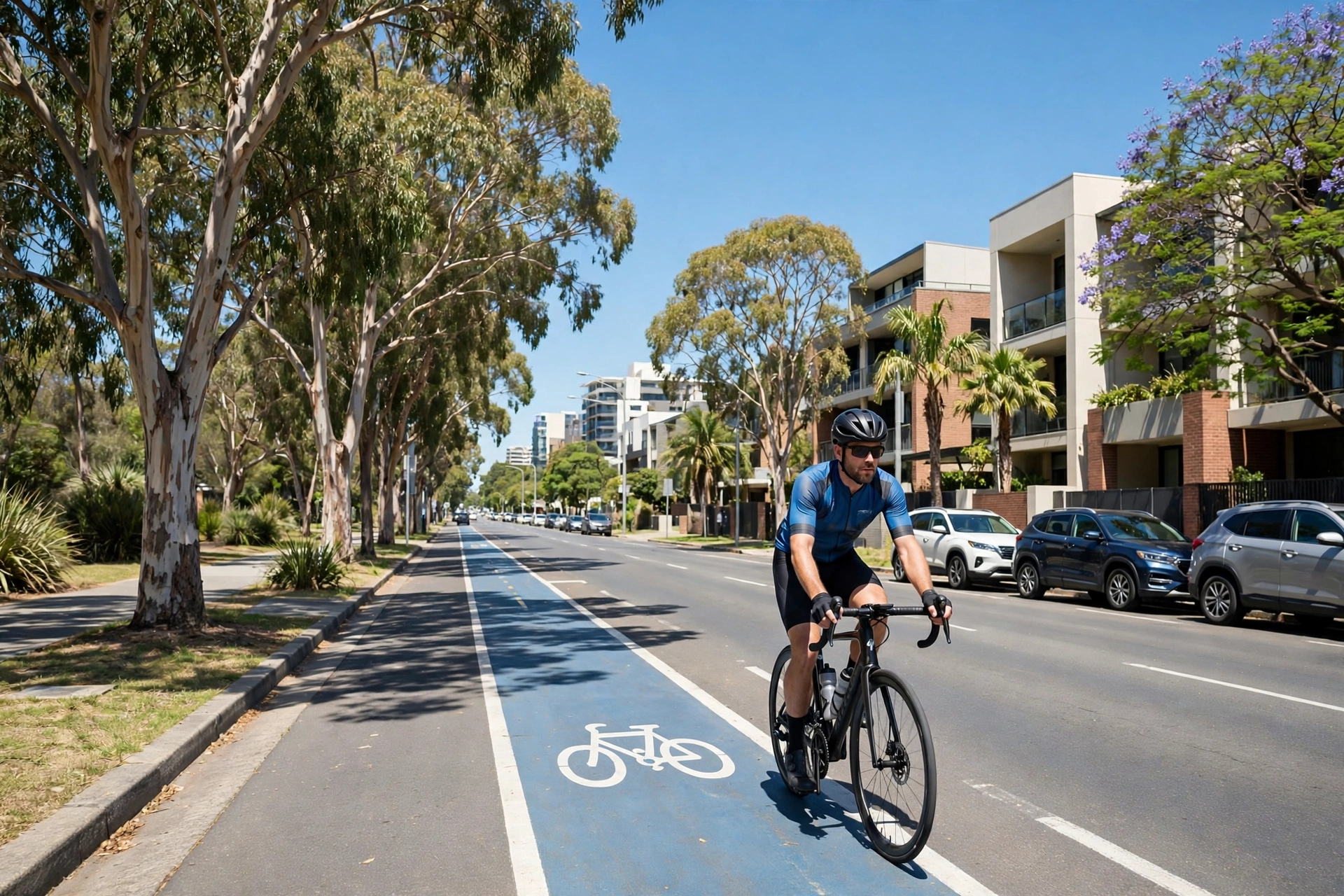
In general terms, yes. Across Australia, cyclists are expected to wear an approved helmet when riding on roads, shared paths and other public places. The rule applies to adults and children alike, and it covers most kinds of cycling, from commuting to weekend rides with the family. The aim is straightforward: a helmet is the one piece of kit that directly protects your head if you fall or are involved in a collision. The rule also generally covers riders of e-bikes and power-assisted cycles used on public roads, since they are treated as bicycles for this purpose in most places.
There are some exceptions and local variations, and the way the rule is written differs from place to place. In some states, for example, there are specific provisions for certain riders or situations, such as people riding on private land or taking part in particular organised activities. Because these details change, the safest approach is to treat the helmet as a normal part of getting on the bike, wherever you are riding.
What counts as an approved helmet?
An approved helmet is one that meets the safety standard recognised in Australia for bicycle helmets. When you buy a helmet, look for the standard marking on the inside or on the packaging, and buy from a reputable shop rather than a market stall or an unknown online seller. A helmet that meets the standard has been tested for impact protection, strap strength and coverage, so it is far more trustworthy than a lookalike with no marking at all.
Fit matters just as much as the standard. A helmet should sit level on your head, low on your forehead, with the straps snug under your chin and the side straps forming a neat shape just below your ears. It should not rock forward, backward or side to side. If it moves around, adjust the fit system or try a different size or model until it stays put. Try the helmet on before buying when you can, and remember that a well-fitting helmet should feel snug without pressing painfully on any one spot.
Do the rules apply to children and passengers?
Children riding their own bikes are covered by the same general expectation as adults, and parents should make sure a child’s helmet fits properly before every ride. A child’s head grows quickly, so check the fit regularly and replace the helmet when it becomes too small, rather than loosening the straps to make it last longer. A helmet that is too big offers far less protection.
Passengers carried on a bicycle, such as a small child in a child seat or trailer, should also wear a helmet. The same applies to children riding in a bike trailer. It is the adult’s responsibility to make sure every passenger is properly protected, just as it is to make sure the bike itself is in good working order before setting off. Before every ride, check that each passenger’s straps are not twisted and that every buckle clicks shut firmly.
Do the rules vary by state or territory?
Yes, the rules can vary by state or territory, and this is the most important thing to understand about Australian helmet laws. Each state and territory writes and enforces its own road rules, so while the broad requirement is similar across the country, the wording, the exceptions and the penalties can differ. What is true in one state may not be exactly true in another, and rules can change over time as well. Some states publish plain-language guides for cyclists, which are a good place to check the current wording without wading through the full road rules.
If you are travelling between states, or moving to a new part of Australia, check the current local rules for that state or territory before you ride. A quick look at the local road authority or government transport website will usually give you the answer. Do not rely on what a friend told you years ago, or on rules you remember from another state, because they may have changed.
What happens if you ride without a helmet?
Riding without a helmet can lead to a fine, and the amount and the way it is enforced depend on where you are. Police can stop cyclists and issue a penalty for riding without an approved helmet, just as they can for other road rule breaches. The exact consequences differ by state or territory, so rather than guessing at a figure, it is better to treat the helmet as non-negotiable every time you ride.
Beyond any fine, the bigger cost is the risk itself. A fall at even a modest speed can cause a serious head injury, and a helmet is designed to reduce that risk. Wearing one is a small habit that protects you on every ride, whether you are cycling to the shops, commuting to work or heading out on a long weekend ride. It is also worth remembering that a helmet should be replaced after a crash or a hard knock, even if it looks fine from the outside, because the foam inside may have been damaged. Some modern helmets also include a slip-plane layer designed to reduce twisting forces in an angled fall — our guide explains what MIPS is and how it works.
Are bicycle helmets compulsory in Australia?
In general terms, yes — cyclists are required to wear an approved helmet on public roads and paths, though the exact rules can vary by state or territory, so check the current local rules where you ride.
Does the helmet law apply to children?
Yes, children riding their own bikes are covered too, and child passengers in seats or trailers should also wear a helmet that fits properly.
What should I do if I am unsure about the rules in my state?
Check the current rules on your state or territory road authority’s website before you ride, and when in doubt, wear an approved, well-fitting helmet.

Olivia
Writer at Helmet Today, covering helmet reviews, fit and riding safety.