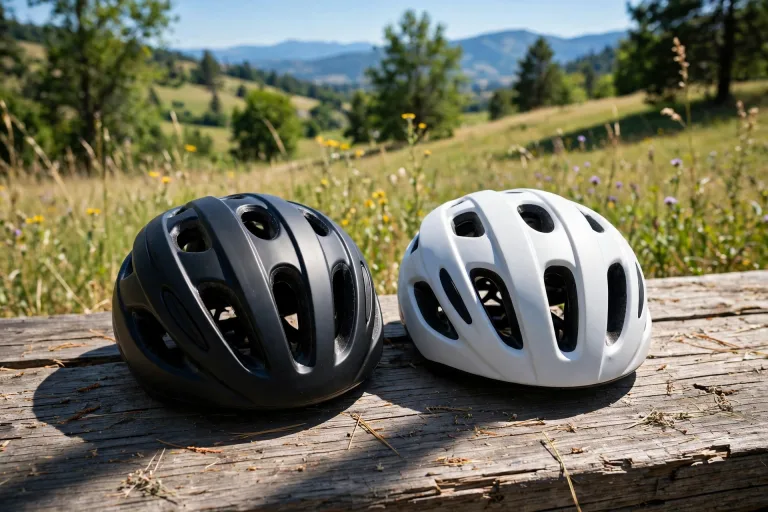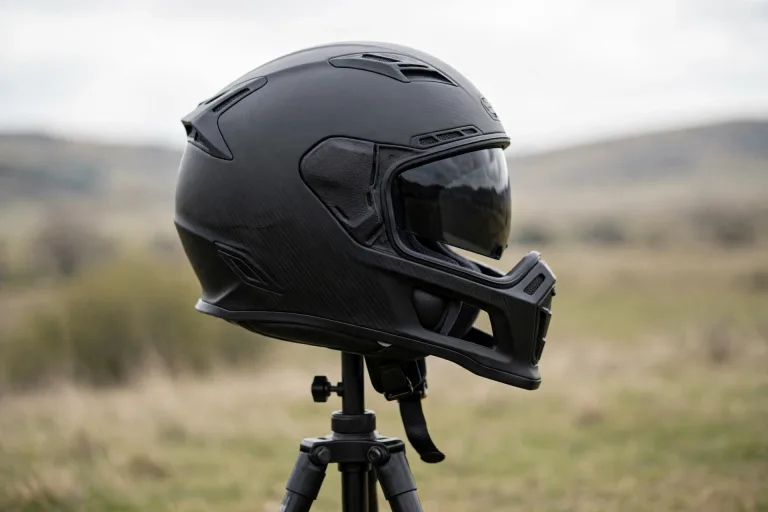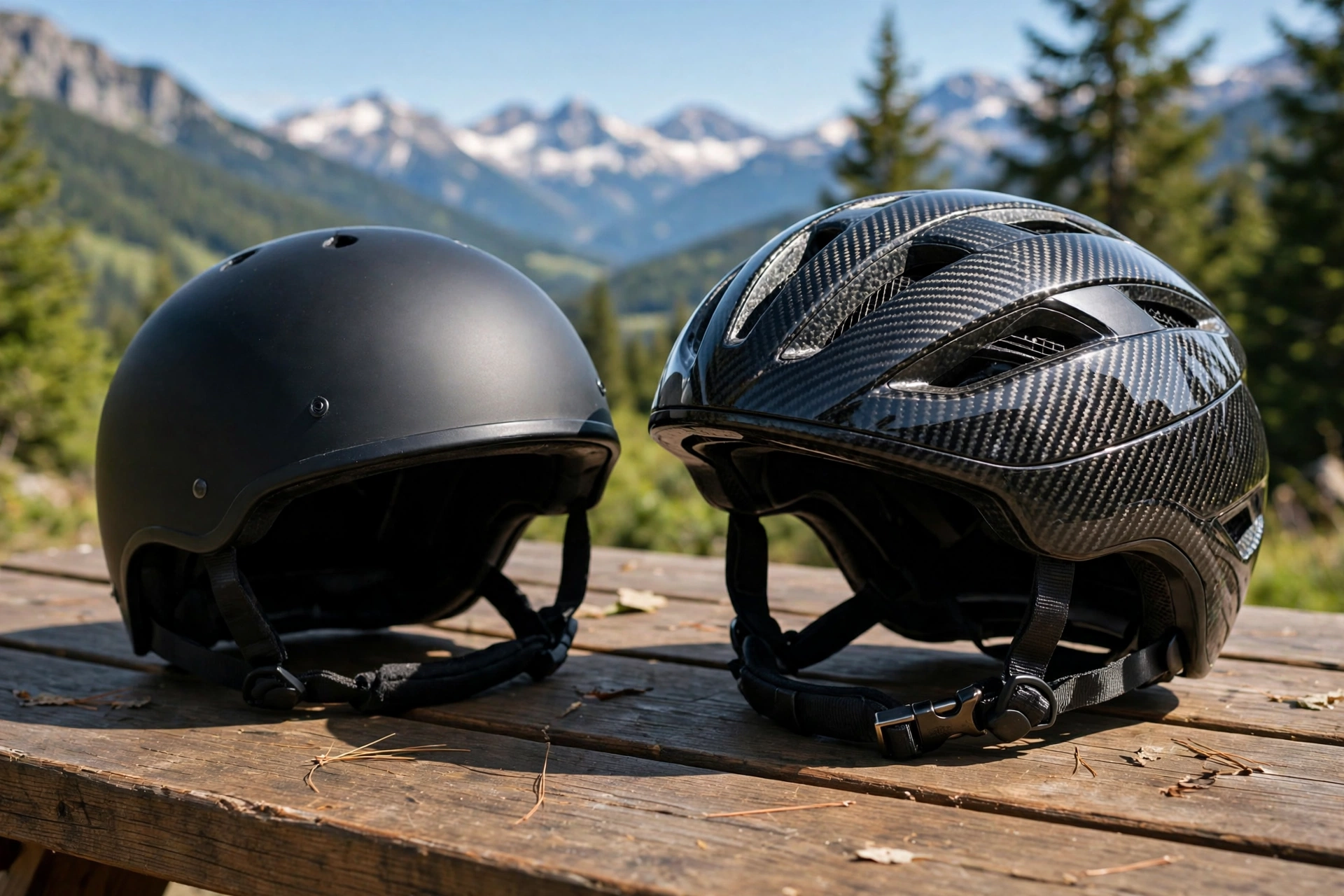
Yes, in general terms a cheap helmet is better than no helmet, as long as it fits well and meets a recognised safety standard. A low-cost helmet still has a hard outer shell and a crushable inner layer that spread and absorb the force of a knock. A bare head has nothing at all between it and the ground. That difference matters in a fall, even a slow one.
Many people ask this question because they see helmets priced from a few pounds to several hundred, and they wonder whether a cheap one is worth wearing at all. Price can reflect weight, ventilation, comfort, and brand, but it is not a direct measure of protection. A helmet that meets a recognised standard has passed the same basic impact tests as an expensive one, and that is what counts when your head hits the ground.
What makes a cheap helmet safe?
A safe helmet, cheap or expensive, has three things: a hard outer shell, an energy-absorbing liner, usually made of expanded polystyrene foam, and straps that hold it firmly on your head. The shell spreads the force of an impact over a wider area, the liner crushes to absorb energy, and the straps keep the helmet in place so it can do its job. If a cheap helmet has all three and meets a recognised standard, it offers real protection.
The standard is the key check. Look for a label or sticker inside the helmet showing the standard it meets, such as EN 1078 in Europe or CPSC in the United States. That label means the helmet has been tested for impact absorption, strap strength, and coverage. A helmet with no marking, no label, and no maker name should not be trusted, however cheap it is. A very cheap helmet that has never been tested may have a thin shell, weak straps, or foam that crumbles, and that is not worth wearing.
Where do cheap helmets fall short?
Cheap helmets usually fall short on comfort, not on basic protection. They tend to be heavier, less well ventilated, and fitted with simpler padding and adjustment systems. The straps may be harder to adjust, the buckle may feel rough, and the fit system may offer fewer sizes. None of that makes the helmet unsafe, but it can make it less pleasant to wear, and a helmet that is uncomfortable is a helmet that gets left at home.
Cheap helmets may also lack features found on pricier models, such as a slip layer that lets the shell move slightly in an angled impact, an idea known as MIPS. They may also be less aerodynamic and less stylish, which matters to some riders and not at all to others. What a cheap helmet should never lack is a proper fit, a working buckle, and a recognised safety standard. If any of those are missing, the price is not the problem, and the helmet is not worth wearing.
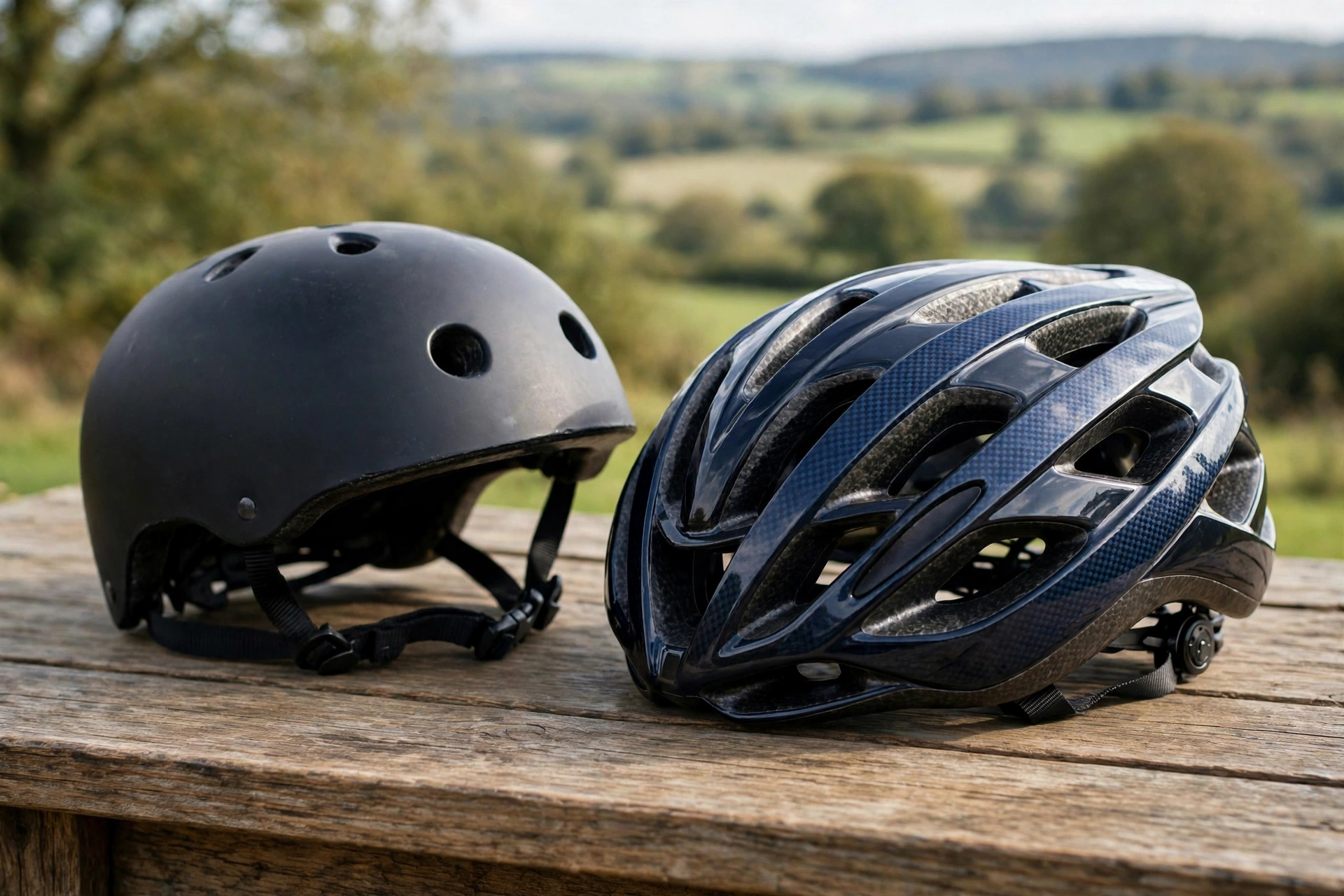
How do you choose a good cheap helmet?
Start with the size. Measure around your head just above your eyebrows and match the number to the maker’s size chart. Try the helmet on and check that it sits level, feels snug all the way around, and does not rock forward or back. The straps should form a V below each ear, and the chin strap should be snug enough that only one or two fingers fit underneath.
Then check the label inside for the safety standard, and look at the build. The shell should feel solid, the foam liner should be even and firmly fixed, and the straps should be stitched neatly where they join the helmet. Try the buckle a few times to make sure it clicks shut firmly and releases easily. If the helmet passes all those checks and feels comfortable, it is a good buy at any price.
When should you not wear a cheap helmet?
Do not wear a cheap helmet if it is second-hand and you do not know its history. A helmet that has been dropped, crashed, or stored in heat may look fine but have a weakened shell or liner, and you cannot tell by looking. The same applies to a helmet bought from an unknown seller with no label, no maker name, and no standard marking. Saving money is not worth the risk of wearing a helmet that has never been tested.
You should also replace a cheap helmet, just as you would an expensive one, after a hard knock, if the straps are frayed, if the buckle will not hold, or if the shell is cracked. In general terms, most makers suggest replacing a helmet after about five years of regular use, because sunlight, sweat, and everyday knocks wear down the materials. A helmet that no longer fits properly, because a child has grown or the padding has flattened, should be replaced too, whatever it cost.
Is it ever better to ride without a helmet?
In general terms, no. Riding without a helmet leaves your head completely unprotected, and even a fall at walking pace can cause a serious head injury if your head hits the ground, a kerb, or a car. A cheap helmet that fits and meets a standard gives you a real layer of protection in that situation, and that is far better than nothing.
Some riders argue that helmets are uncomfortable or that they ride carefully and do not need one. But most falls are not caused by the rider’s own mistake. A pothole, a car door opening, a pedestrian stepping out, or a wet patch can bring a careful rider down without warning. You cannot plan for a fall, so the helmet is there for the fall you did not expect. If cost is the barrier, a basic helmet that meets the standard is a sensible purchase, and it is better to wear that than to ride bare-headed while saving for a premium model.
Is a cheap helmet as safe as an expensive helmet?
In general terms, yes, for basic impact protection, as long as both meet the same recognised safety standard. The expensive helmet may be lighter, better ventilated, and more comfortable, but the cheap one has passed the same impact tests. Fit matters more than price, so choose the helmet that fits your head best.
How can I tell if a cheap helmet is genuine?
Check for a safety standard label inside the helmet, a maker name, and a size marking. Buy from a known shop or a reputable seller, and be wary of helmets with no label, misspelled words, or a price that seems too good to be true. If in doubt, ask the seller for the standard the helmet meets.
Should I buy a cheap helmet for a child?
Yes, as long as it fits the child properly and meets a recognised safety standard. Children grow fast, so check the fit every few months and replace the helmet when it becomes too tight. A cheap helmet that fits is far better than an expensive one that is too big or a ride with no helmet at all.

Olivia
Writer at Helmet Today, covering helmet reviews, fit and riding safety.