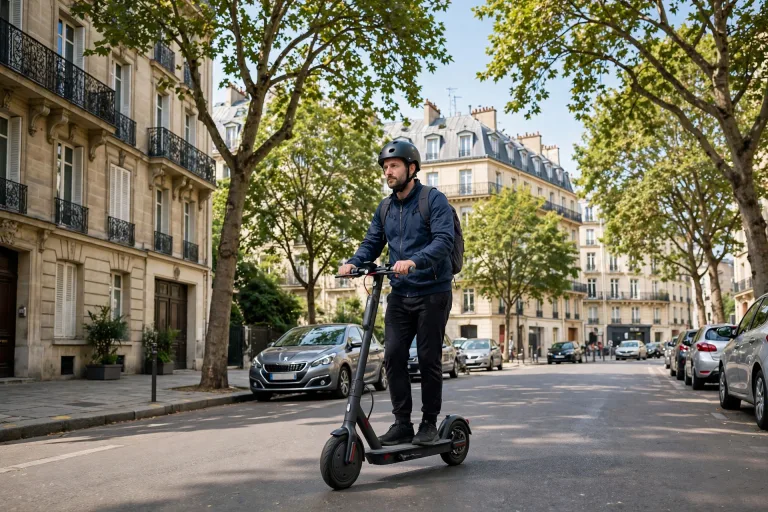
Yes, helmets are required in Australia, and in general terms the rule applies across the country: anyone riding a bicycle on a public road or path must wear an approved bicycle helmet, properly fitted and fastened. The rule covers adults and children, and it applies whether the ride is short or long, on a road or on a shared path.
Australia is one of the few countries in the world with a helmet law that covers all cyclists, and the law has been in place for many years. The exact wording of the rule differs slightly from state to state, because road rules are set by each state and territory, but the core requirement is the same everywhere: a helmet must be worn, it must meet the approved standard, and it must be fastened. A rider who is caught without one can be fined.
Who has to wear a helmet in Australia?
Everyone riding a bicycle in Australia has to wear a helmet, with no general exemption for age or experience. Children must wear a helmet when they ride, and parents are expected to make sure their children are wearing one. Adults riding with children should set the example by wearing their own helmet too, because children copy what they see. Passengers on a bicycle, including children in a child seat or a trailer, are also covered by the rule in most states.
The rule applies on public roads, bike lanes, and shared paths, and it applies to all types of cycling, from commuting to weekend leisure rides. Riding on private land, such as a farm or a private driveway, is generally not covered, but the moment a rider joins a public road or path, the helmet must be on and fastened. Electric bike riders are covered by the same rule, because an e-bike is treated as a bicycle under the road rules.
What standard must an Australian helmet meet?
A bicycle helmet worn in Australia must meet the Australian and New Zealand standard for bicycle helmets, which is known as AS/NZS 2063. A helmet that meets the standard carries a mark or label showing that it has been tested, and the label is usually found inside the helmet, on the liner or on a sticker. Riders should look for that mark when they buy a helmet, because a helmet without it may not count as an approved helmet under the law.
The standard covers the strength of the shell, the liner, the straps, and the buckle, and it sets out how the helmet must be tested. A helmet that meets the standard has been dropped, struck, and pulled in a laboratory to check that it can protect the head in a fall. Helmets made to other standards, such as the European or American standards, may be well made, but they do not automatically count as approved in Australia unless they also carry the Australian mark.
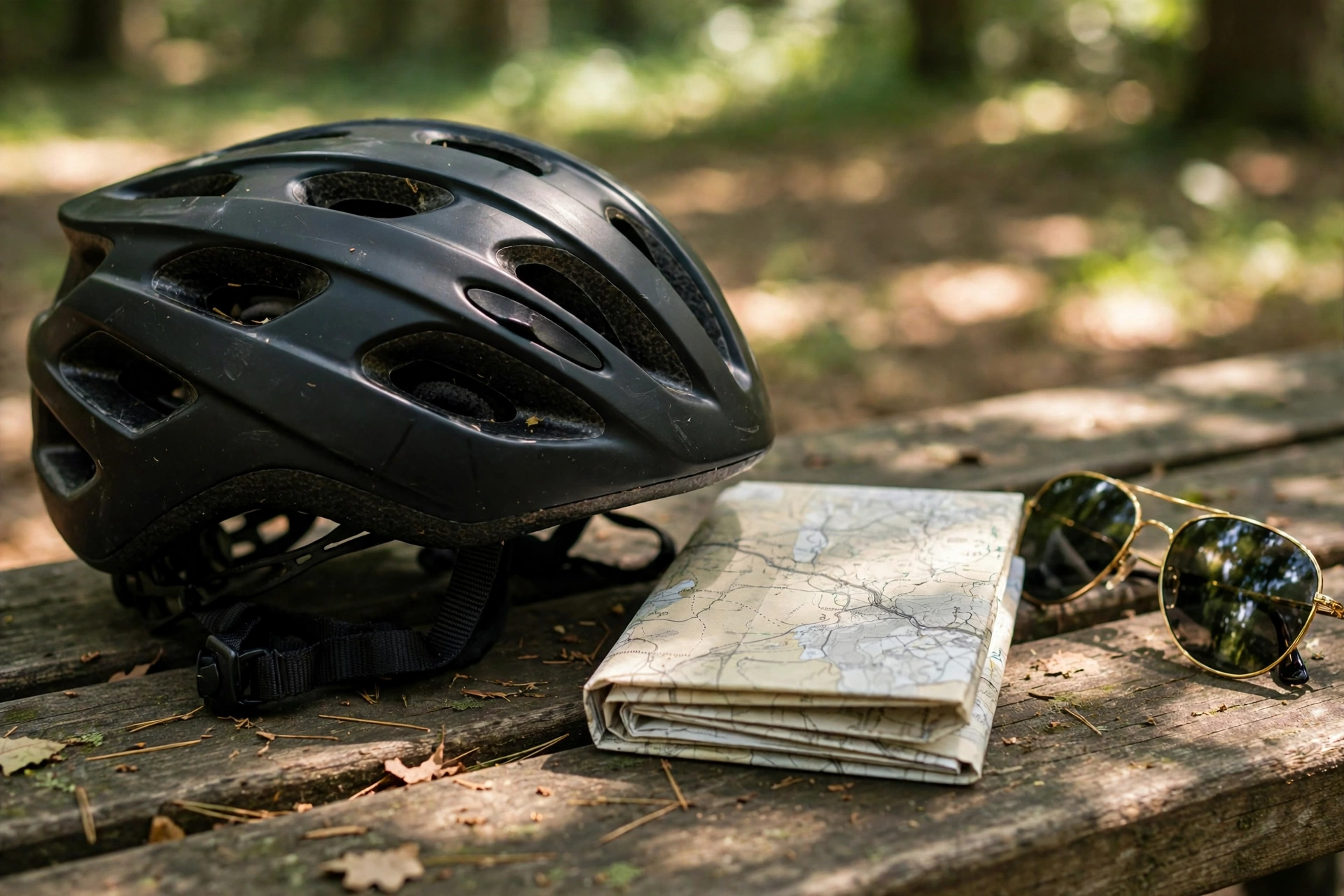
What happens if you ride without a helmet in Australia?
Riding without a helmet in Australia can lead to a fine, and police do enforce the rule. The amount of the fine differs from state to state, and it can change over time, so the exact figure is best checked against the current rules for the state where the riding happens. In some states the fine is a fixed penalty that can be paid without going to court, while in others the rider may be asked to appear before a court for a more serious matter.
Beyond the fine, riding without a helmet carries a real safety risk. A fall from a bicycle can happen at low speed and without warning, and a head injury can have serious consequences. The helmet law exists because head injuries were a leading cause of serious harm to cyclists, and the law was brought in to reduce that harm. A rider who wears a helmet is giving themselves the best chance of walking away from a fall.
Do the rules differ between Australian states?
The core rule is the same across Australia, but the details differ from state to state. New South Wales, Victoria, Queensland, Western Australia, South Australia, Tasmania, the Australian Capital Territory, and the Northern Territory each have their own road rules, and each sets its own fine for riding without a helmet. The wording of the rule and the list of exemptions can also differ slightly, so a rider travelling between states should be aware that the fine and the fine print may change.
One difference is how the rule treats helmets that meet overseas standards. Some states have updated their rules to accept helmets meeting certain international standards, while others still require the Australian mark. Another difference is the fine itself, which can be higher in one state than another. A rider who moves to a new state, or who rides across a state border, should check the rules for that state rather than assuming they are the same as at home.
How should a helmet fit under Australian rules?
Australian rules require the helmet to be worn properly, which means it must sit level on the head, cover the forehead, and be fastened securely with the chin strap. A helmet that sits tilted back, leaving the forehead exposed, is not worn properly, and a helmet with the strap undone is not worn properly either. Police can fine a rider for wearing a helmet incorrectly, not just for not wearing one at all.
Children need extra care with fit, because a helmet that is too big will slip and a helmet that is too small will hurt. Measure the child’s head, try the helmet on, and check it again as the child grows, because children outgrow helmets quickly. Riders choosing a new helmet may also want to learn about features that can help in a fall, including a system designed to reduce rotational forces, such as MIPS, which is found in many helmets sold in Australia. A well-fitting, approved helmet, worn every ride, is the simplest way to meet the law and to stay safe on Australian roads.
Do children have to wear a helmet in Australia?
Yes, children must wear a helmet when riding a bicycle in Australia, just like adults. Parents should check the fit regularly, because children grow quickly and a helmet that fitted last year may be too small now.
Can I wear a helmet bought overseas in Australia?
In general terms, a helmet bought overseas may be accepted in some states if it meets a recognised overseas standard, but the rules differ by state. The safest choice is a helmet that carries the AS/NZS 2063 mark.
Is a helmet required on a shared path in Australia?
Yes, the helmet rule applies on shared paths as well as on roads. A rider on a public path must wear an approved helmet, fastened properly, for the whole ride.

Olivia
Writer at Helmet Today, covering helmet reviews, fit and riding safety.