Cranial & Medical Helmets
6 min read
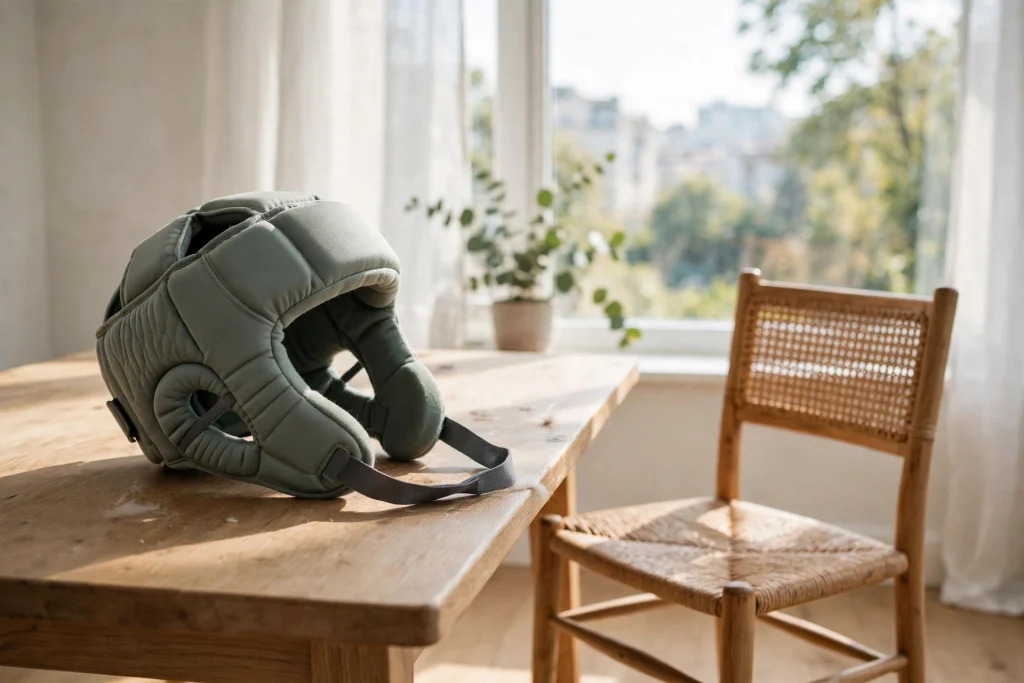
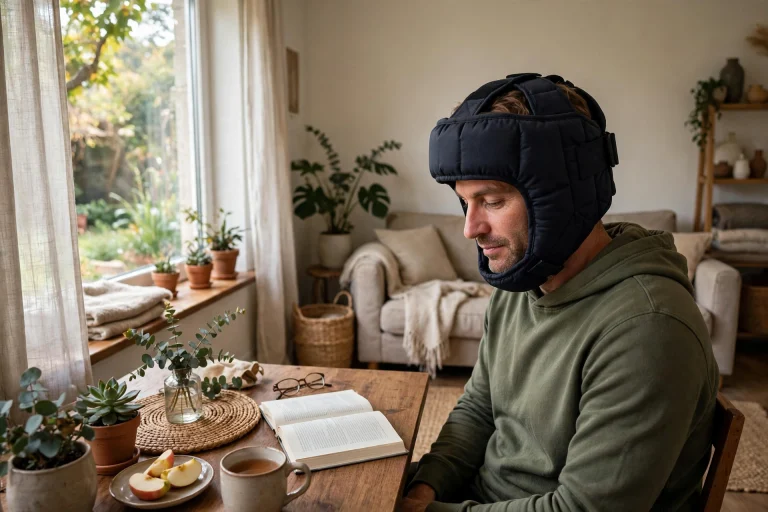
Yes, some adults do wear medical helmets for seizures, in general terms, when a clinician judges that head protection could reduce injury…
How to
6 min read
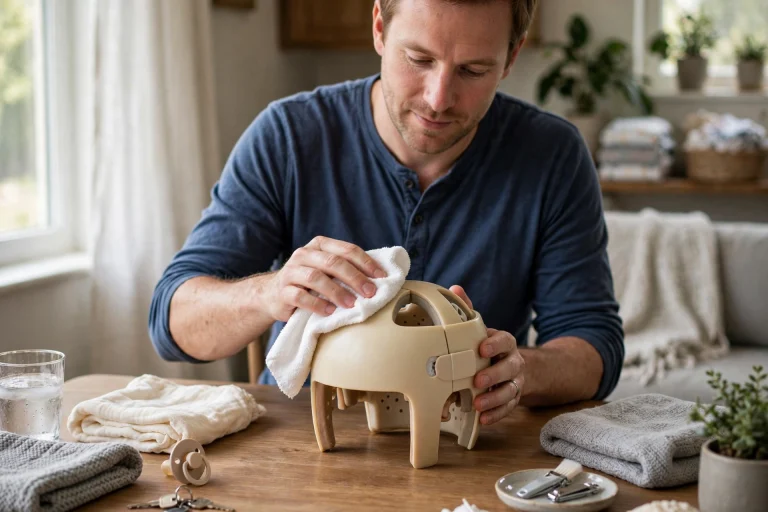
To clean a cranial helmet, wipe the outside and inside with a soft cloth dampened with mild soap and water, then let…
Cranial & Medical Helmets
6 min read
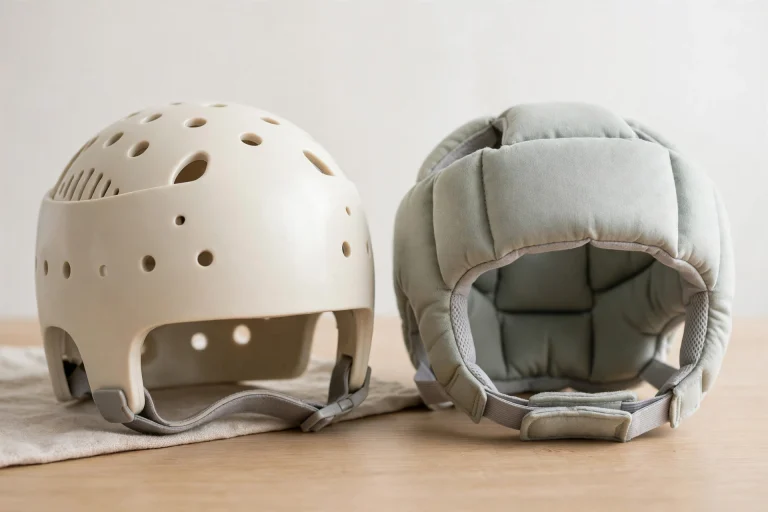
The difference between a cranial helmet and a regular baby helmet is purpose: a cranial helmet is a custom medical device that…

Cranial & Medical Helmets
6 min read
A cranial helmet for babies is a lightweight, custom-shaped helmet worn by an infant to help guide the shape of the head…
Caving, Canyoning & Adventure Helmets
6 min read
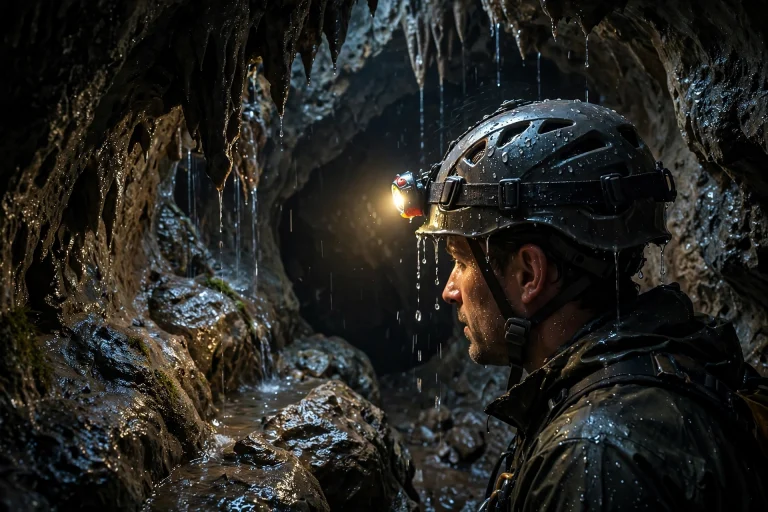
In general terms, drainage on a caving helmet is the set of holes, channels, and open padding that lets water escape instead…
How to
6 min read
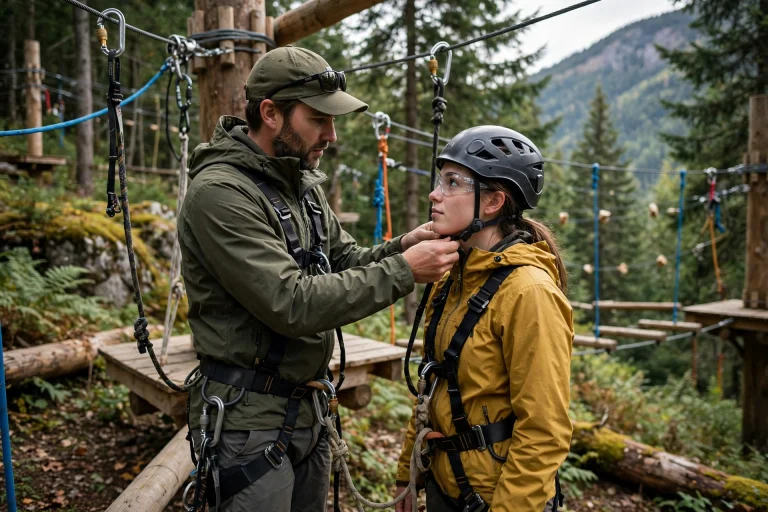
To fit a helmet for a ropes course, set it level on your head covering your forehead, tighten the fit system until…
Caving, Canyoning & Adventure Helmets
5 min read
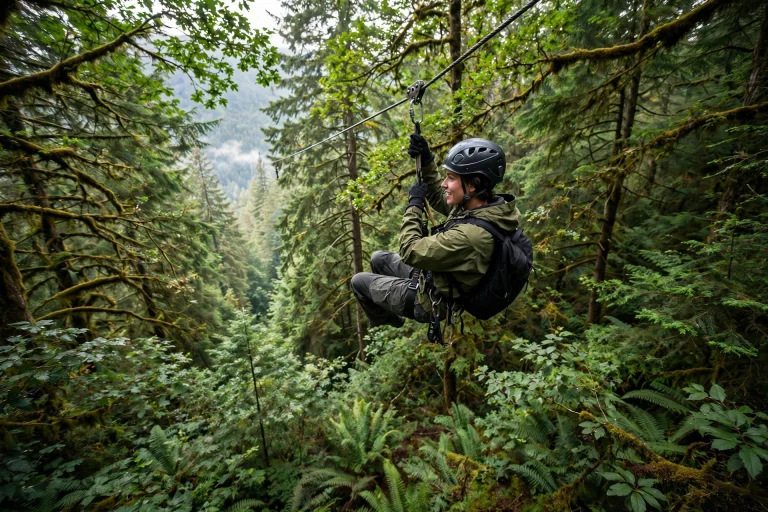
Yes, you need a helmet for zip lining in general terms — organised zip line courses require one, and it protects you…
Caving, Canyoning & Adventure Helmets
5 min read
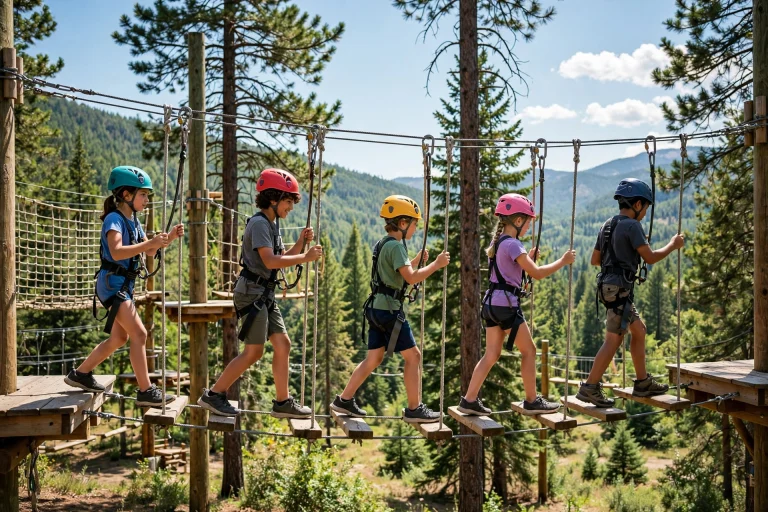
In general terms, adventure parks require helmets for children on ropes courses, zip lines, climbing elements, and other high activities, and the…
Caving, Canyoning & Adventure Helmets
6 min read
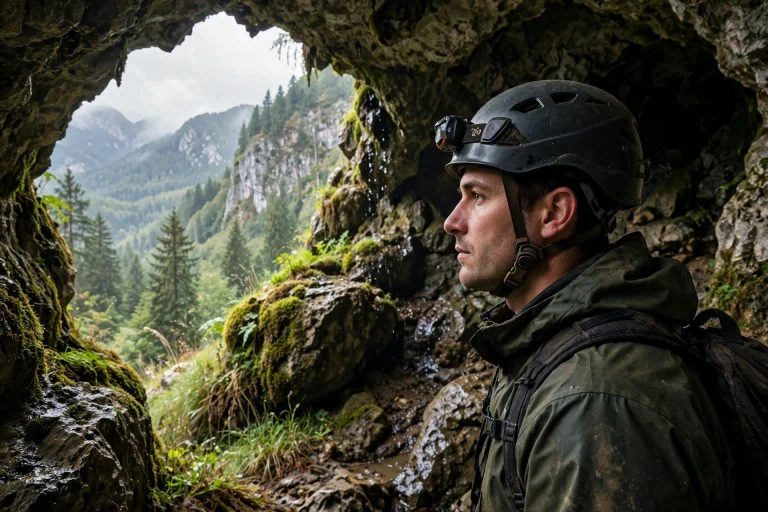
A caving helmet with a chin strap is the safer choice in general terms, because the strap keeps the helmet in place…