Why Do Adventure Helmets Have a Peak Visor?
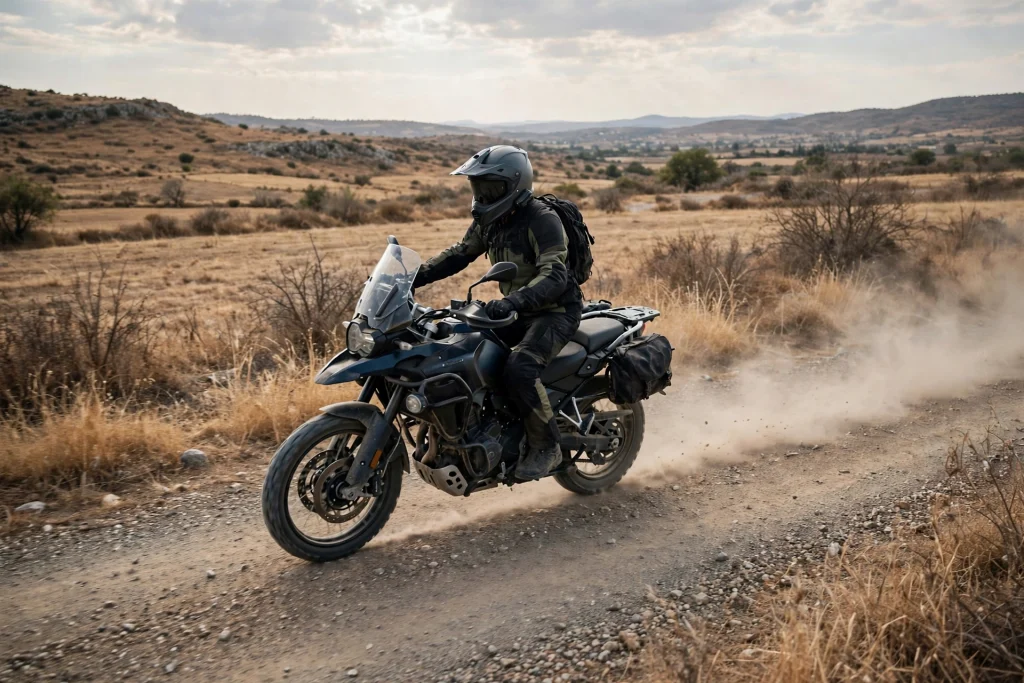
Adventure helmets have a peak visor mainly to shade the rider’s eyes from low sun and glare, and to deflect roost — the dirt, stones, and branches thrown up off-road — while still allowing…
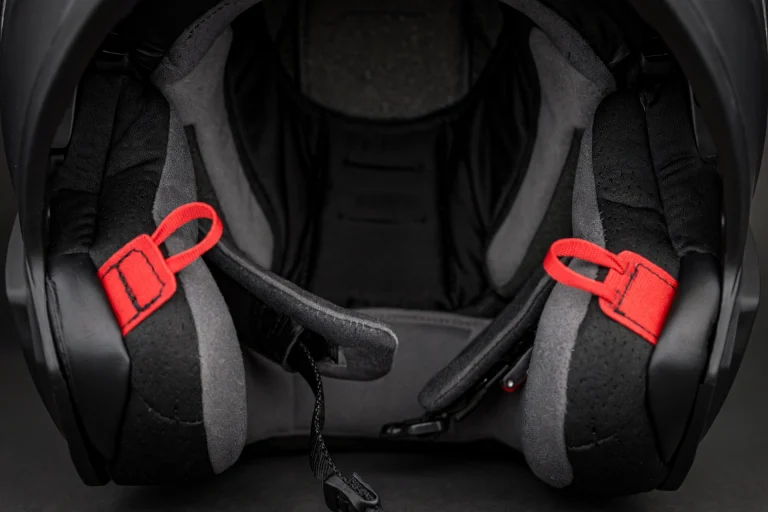
An emergency cheek pad release is a system that lets first responders pull a helmet’s cheek pads out from the outside —…
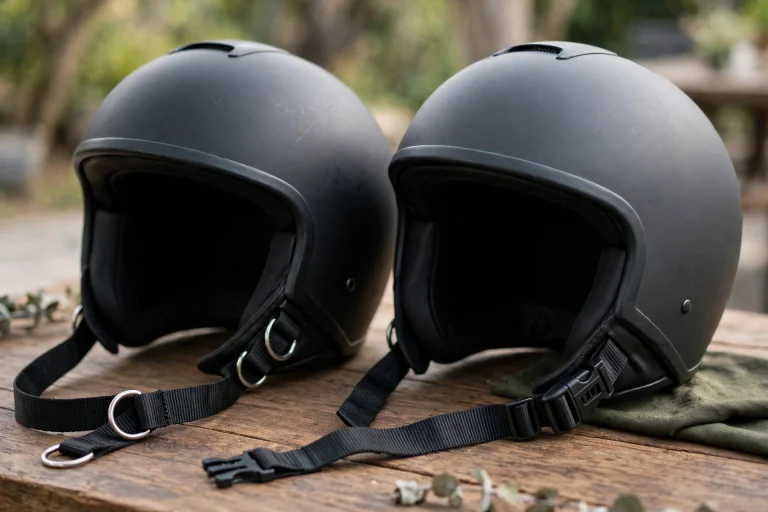
The difference between a double D-ring and a ratchet buckle helmet strap is how you fasten and tension it: a double D-ring…
Helmet buffeting is the rapid shaking, drumming, and pressure pulsing your helmet gets in turbulent air — usually from air spilling over…
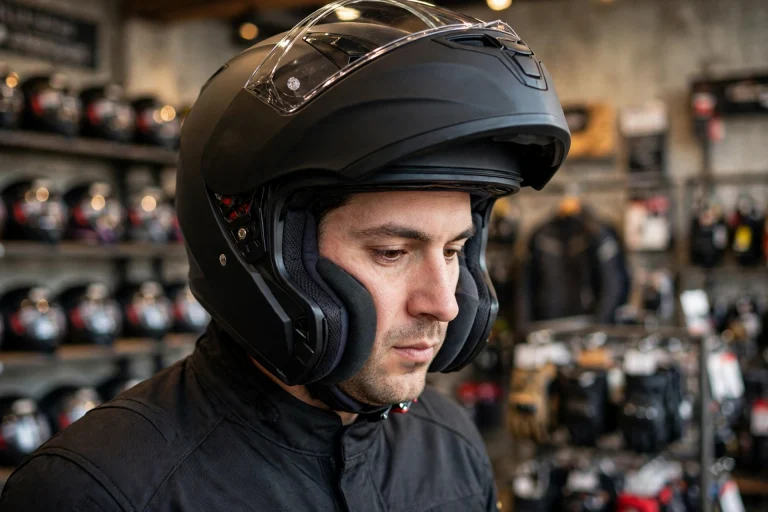
A new motorcycle helmet should feel firm and even around your cheeks — snug enough that the cheek pads gently compress your…
For most glasses wearers, a drop-down sun visor is the simpler everyday choice, because it flips down over your normal prescription glasses…
You reduce neck strain from motorcycle helmet weight mainly by choosing a lighter, well-fitting helmet that sits balanced on your head, keeping…
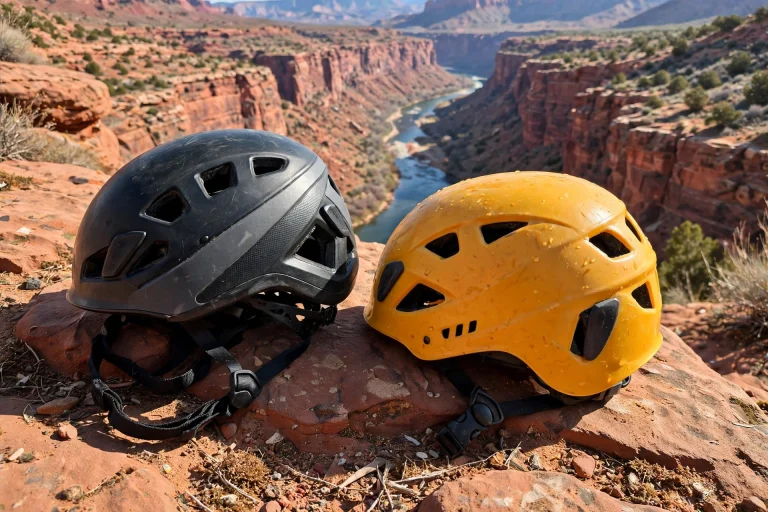
In general terms, no — a climbing helmet is not a good substitute for a whitewater helmet, because it is designed for…
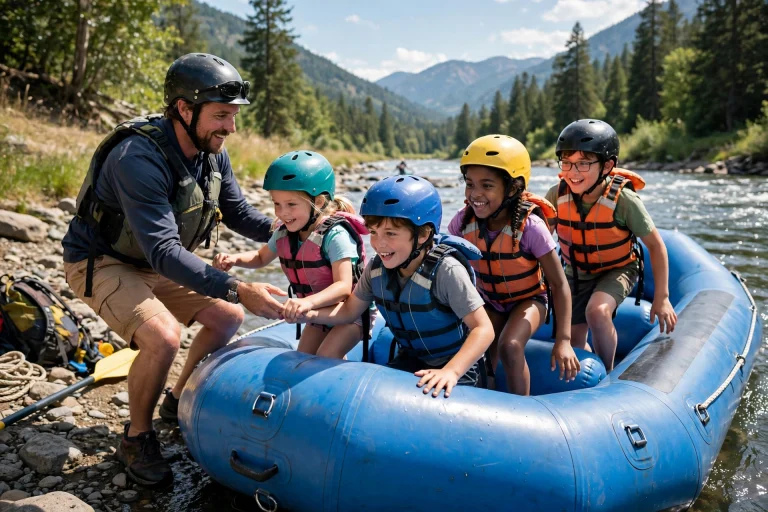
On youth rafting trips, the working rule for parents is simple: the outfitter supplies a helmet for every child, it is worn…
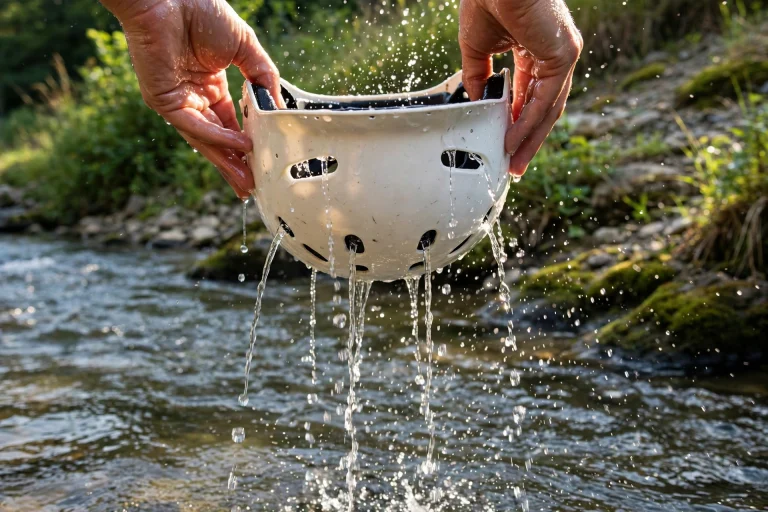
Water sports helmets do not strictly need drainage holes, but most have them — as holes, vents, or gaps in the liner…