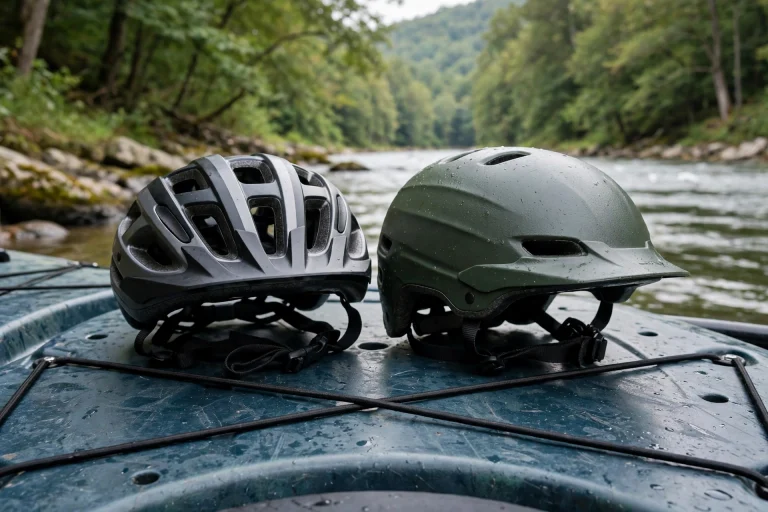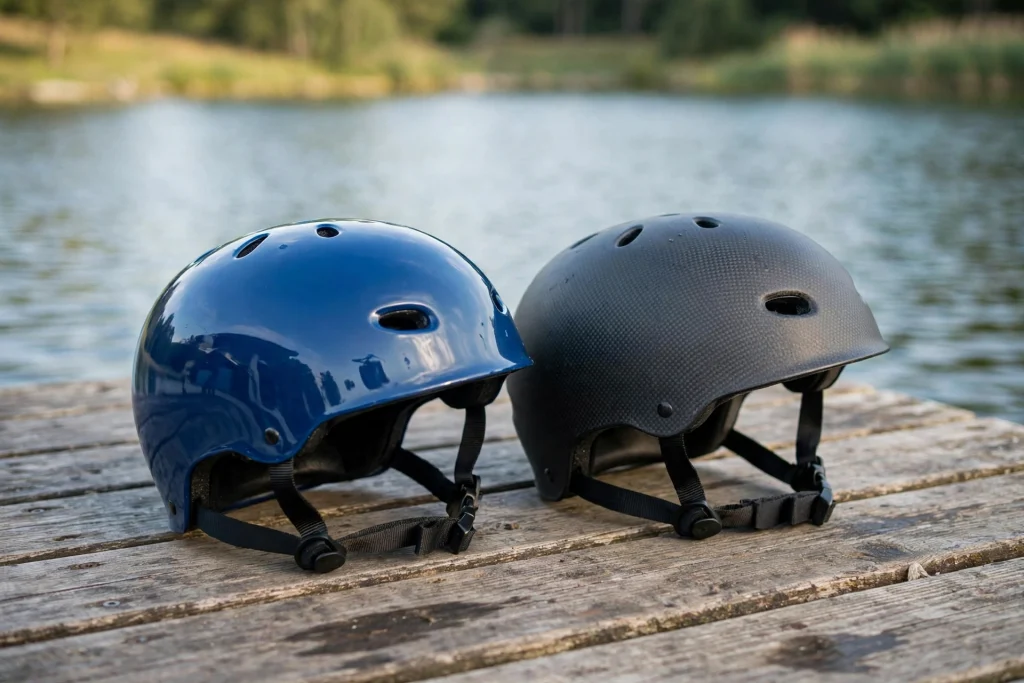
Water Helmet Materials: ABS vs Composite Shells
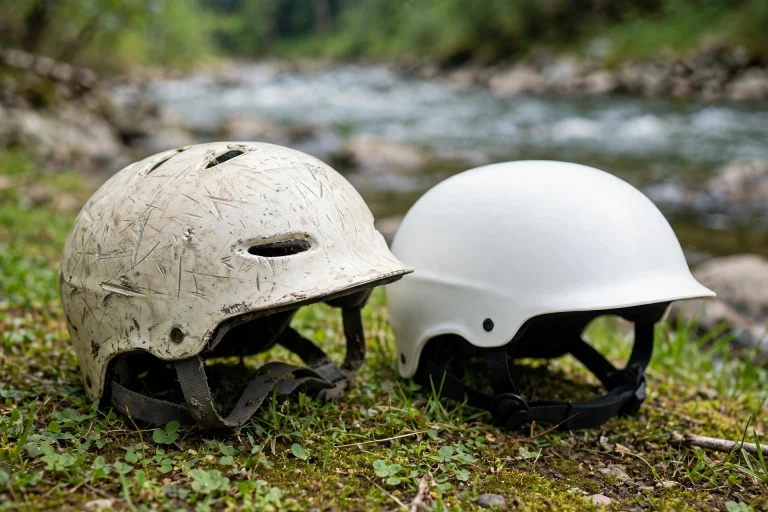
In general terms, an ABS shell water helmet is tough, affordable, and tolerant of everyday knocks, while a composite shell — fibreglass or carbon blends — is lighter and stiffer for its weight and…
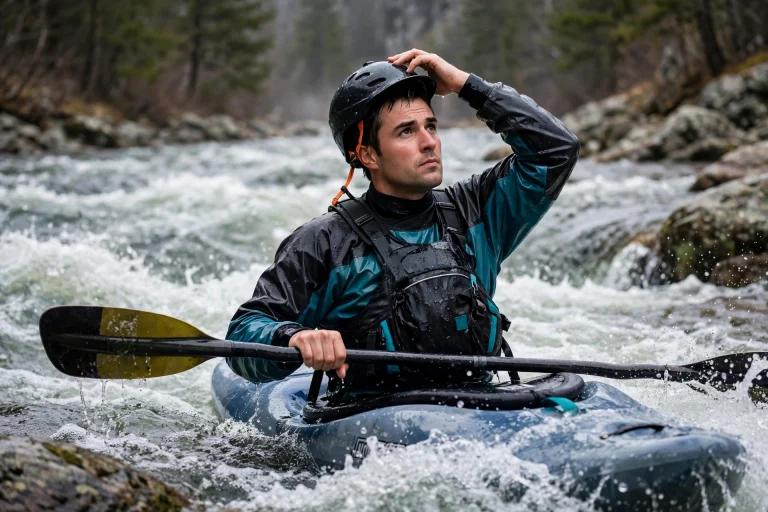

To stop a kayak helmet from slipping in rapids, fix the fit in this order: confirm you have the right size and…
In general terms, no — most flatwater kayakers on calm lakes, slow rivers, and canals do not need a helmet, because there…
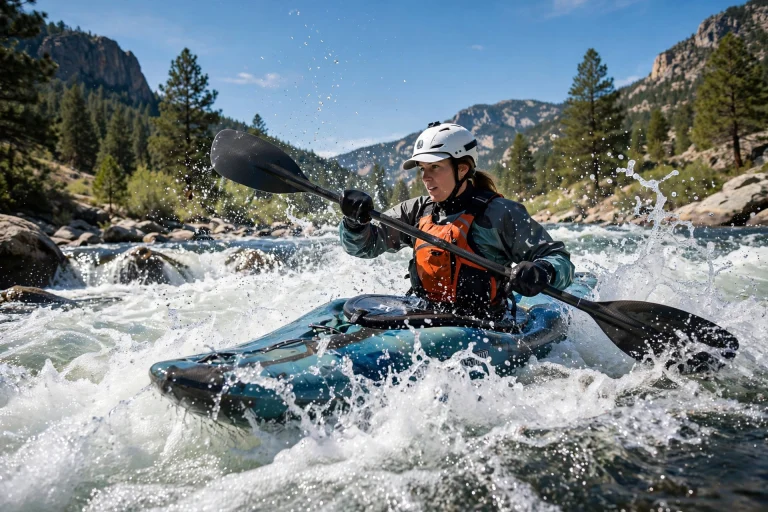
A sea kayak helmet and a whitewater helmet protect against different days: the whitewater helmet prioritises coverage, drainage, and staying put through…
A brim or visor on a water helmet shades your eyes from sun and glare, sheds dripping water away from your face,…
Replace a whitewater helmet after any significant impact, when the foam or shell shows damage, when straps or buckles are worn, or…
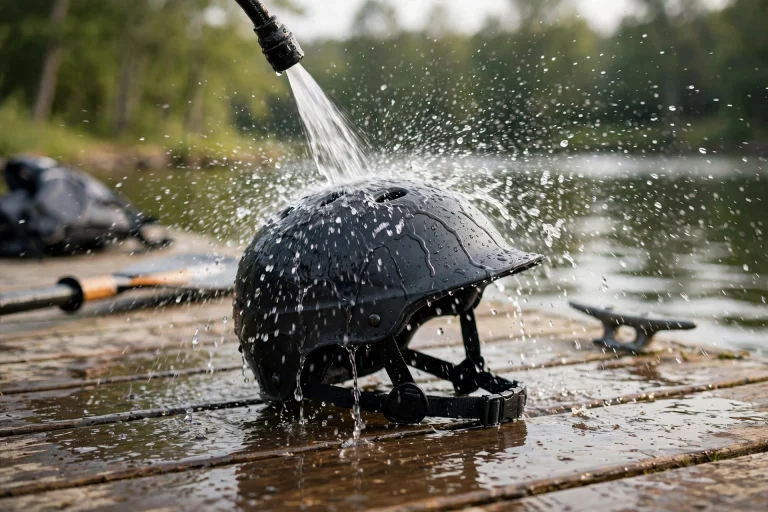
To clean and dry a kayak helmet, rinse it inside and out with clean fresh water after every trip, wash it occasionally…
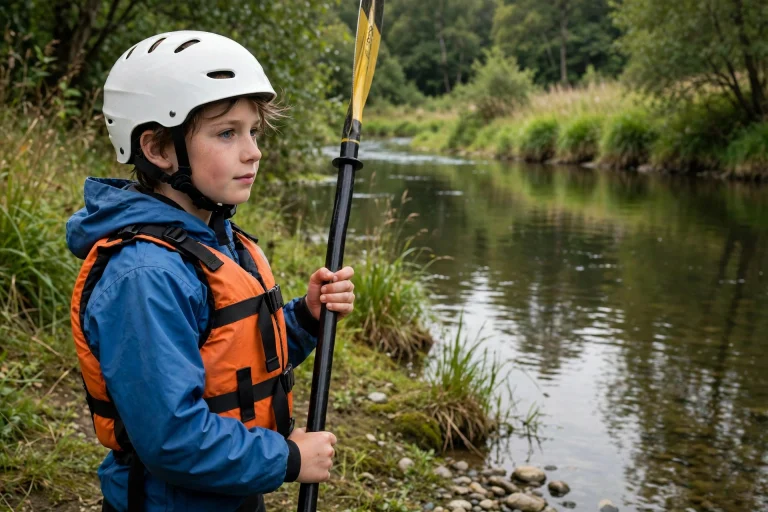
For kids whitewater helmets, measure your child’s head just above the eyebrows, choose a helmet made for children for paddling in that…
Rafting guides in general terms wear helmets made specifically for whitewater: close-fitting, full-coverage paddling helmets with strong chin straps, ear protection, and…
No, in general terms you should not wear a bike helmet for kayaking: a bike helmet is made for dry-land falls, not…