How to Measure for a Whitewater Helmet
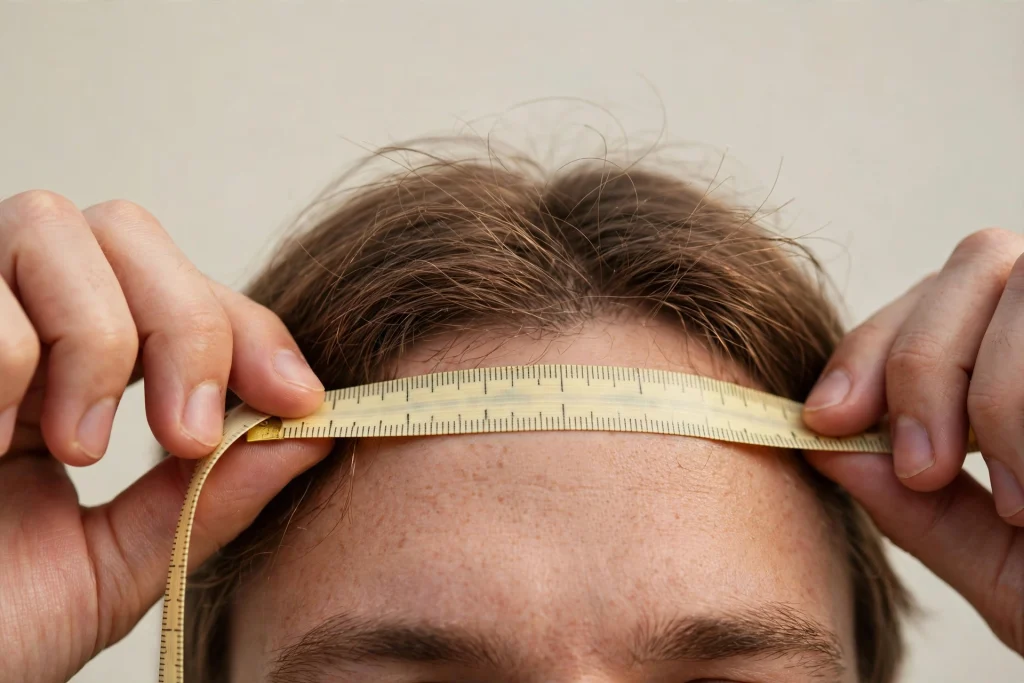
To measure for a whitewater helmet, wrap a soft tape measure around the widest part of your head, just above your eyebrows and ears, keep it level and snug, and use that circumference in…
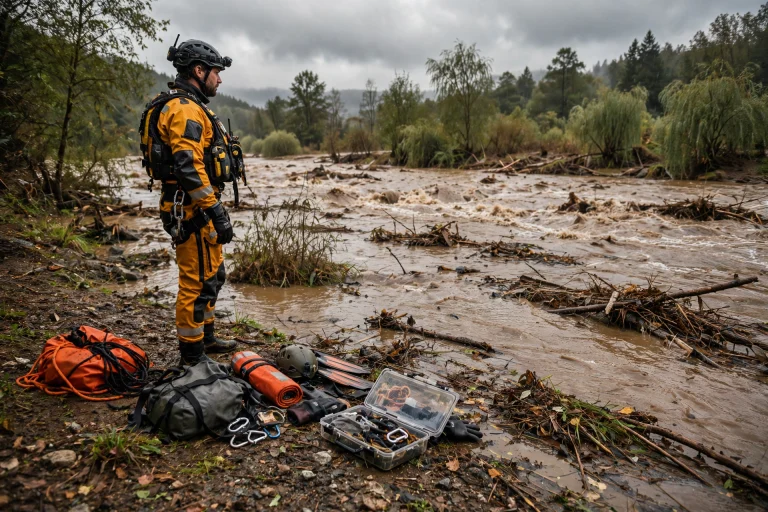
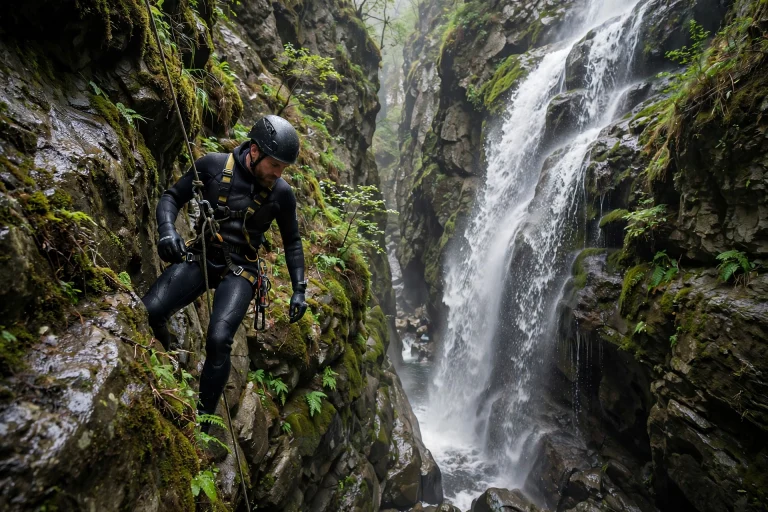
A swiftwater rescue helmet is different because it is built for rescuers who work in moving water on purpose: it offers fuller…
To choose a helmet for canyoning, pick a watersports-rated helmet that fits snugly enough to stay on under waterfalls, drains water fast…
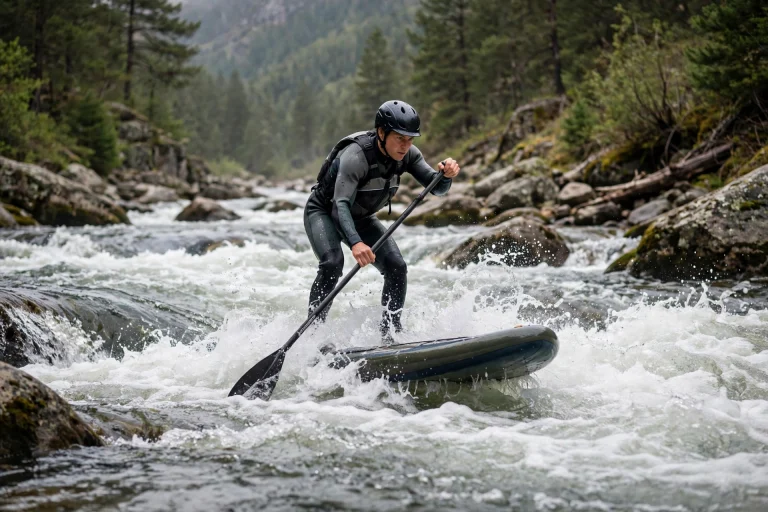
For stand up paddleboarding, a helmet matters far more on the river than on the ocean: on moving water, with rocks, current,…
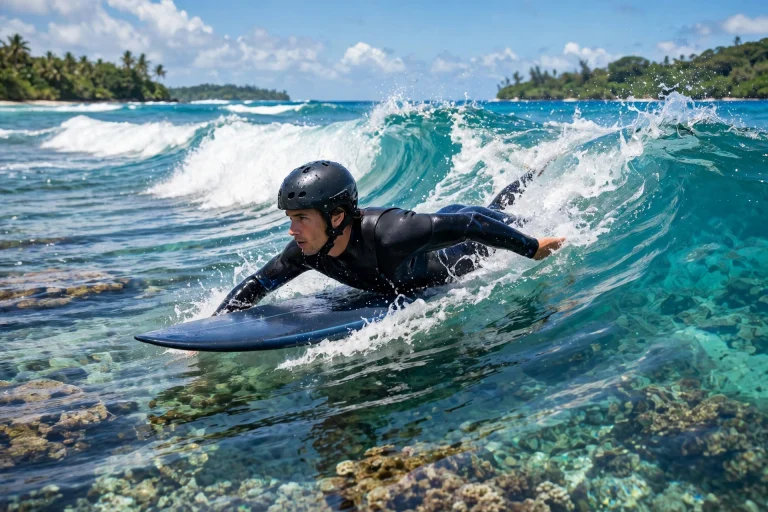
Some surfers do wear helmets, but most surfers at most beaches do not — a surf helmet makes the most sense in…
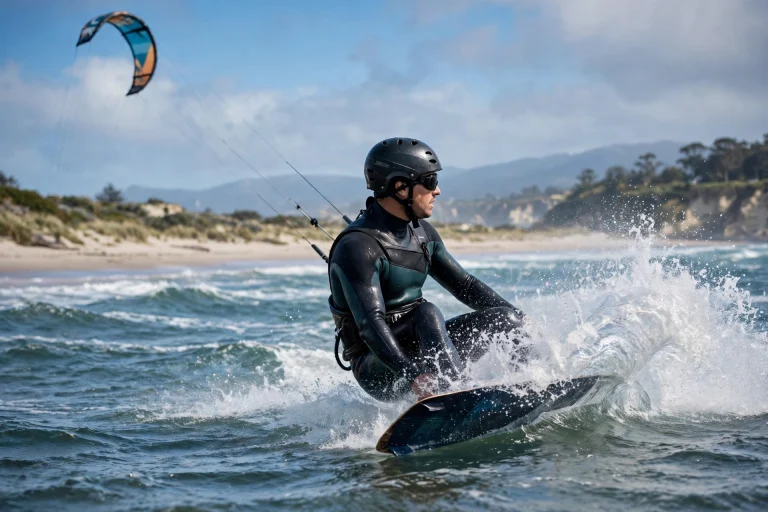
Look for a kiteboarding helmet that is made for water, not land: a low-profile shell with a snug strap system, closed-cell foam…
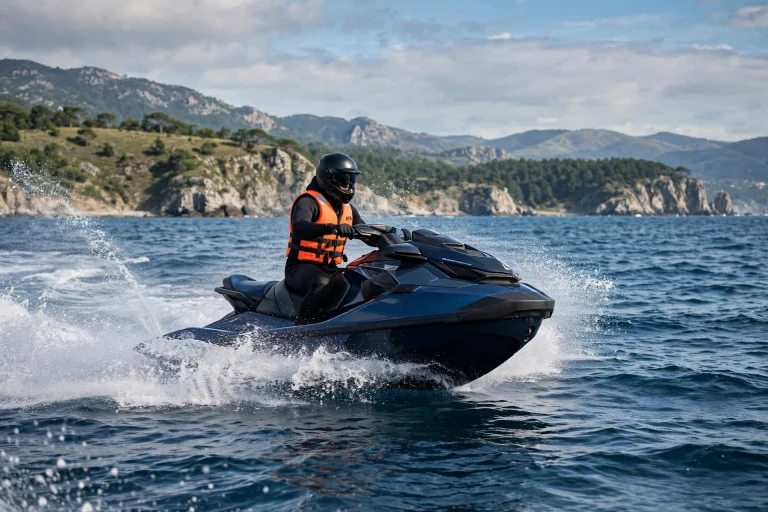
Most jet ski and personal watercraft riders are not required to wear a helmet in general terms, but a watersports or watercraft…
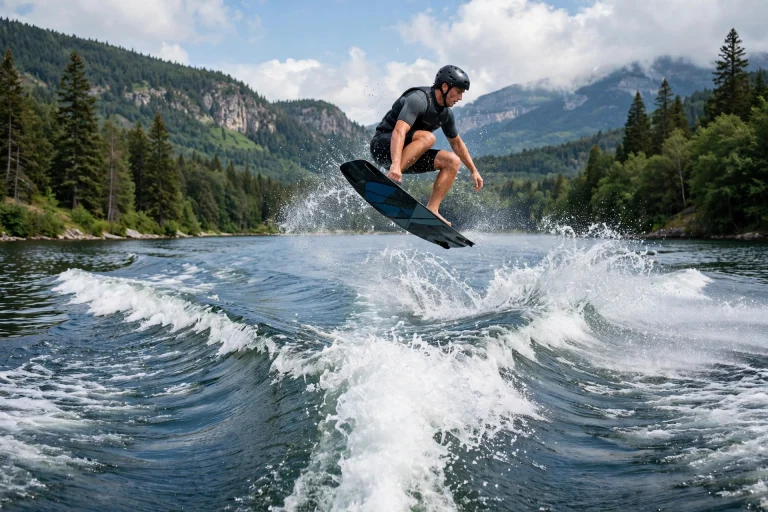
You do not legally need a helmet for wakeboarding in most places, in general terms, but wearing a watersports helmet is a…
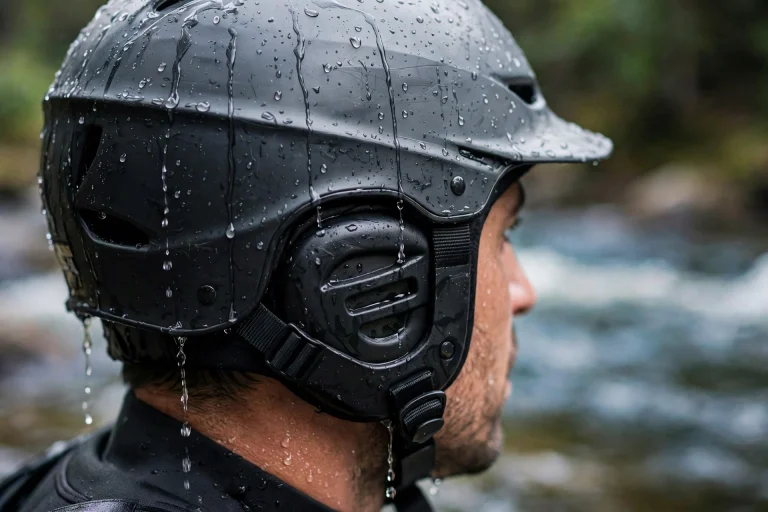
Whitewater helmets cover the ears because the ears and the side of the head are exposed to exactly what rivers contain: rocks…
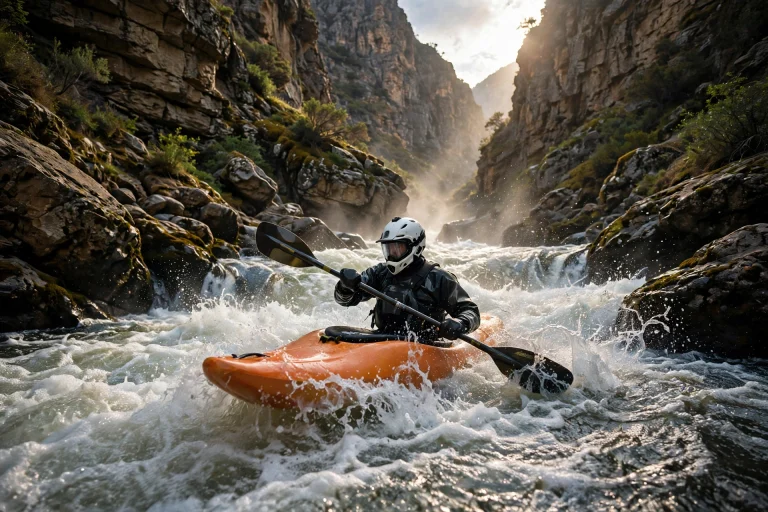
A full face whitewater helmet adds a fixed chin bar or face guard to a normal paddling helmet, and the people who…