In general terms, no — most flatwater kayakers on calm lakes, slow rivers, and canals do not need a helmet, because there is little for the head to strike and a capsize is usually just a swim; but a helmet becomes a sensible choice near rocks, weirs, bridge piers, shallow stony bottoms, in rough conditions, and for anyone learning skills that involve capsizing. Flatwater is about matching protection to surroundings, not to habit.
This guide explains where the risk actually sits on flat water, who should wear a helmet anyway, and what to choose if you do.
Why Do Most Flatwater Kayakers Not Wear Helmets?
A helmet protects against impacts, and ordinary flatwater offers few of them. On a calm lake or a slow, deep river there are no rapids to swim, no boulders at head height, and no current to carry you into anything. A capsize puts you in water beside your boat, and the pressing concerns are getting back in, staying warm, and being seen — none of which a helmet helps with.
That is why typical flatwater kit lists a buoyancy aid as essential and a helmet as optional. The buoyancy aid works every minute of the trip; a helmet on empty calm water is solving a problem that mostly does not exist there.
There are even small downsides: a helmet is hot on a still summer day, can muffle hearing between paddlers spread across a lake, and adds one more item to carry and fit. Comfort matters because kit you dislike quietly gets left behind — and on the days it would matter, that is exactly the wrong outcome.
When Does a Helmet Make Sense on Flat Water?
The answer changes the moment the environment adds hard edges. Rocky shorelines, rocky shallows, harbour walls, weirs, sluices, low bridges, and concrete slipways all turn a simple capsize or a slip while launching into a possible head strike — and launching slips on wet rock and algae are among the most common accidents in all paddling.
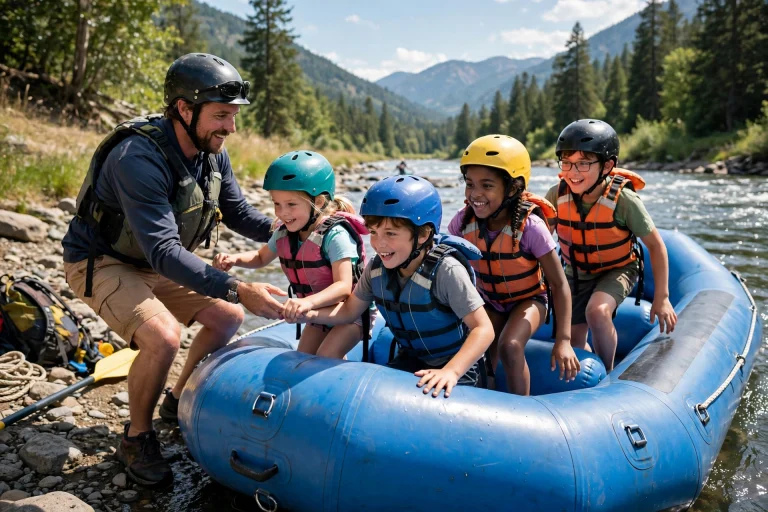
Skills practice changes it too. Learning to roll, practising rescues, and playing with edging and braces all involve repeated deliberate capsizes, sometimes in shallow water near the bank. Beginners capsize unexpectedly as well as deliberately, and they have the least control over where their head goes.
- Rocky or shallow venues: shore, bottom, and launching hazards
- Structures: weirs, piers, walls, moored boats, buoys with hard fittings
- Practice sessions: rolling, rescues, and beginner lessons
- Rough days: wind, waves, and boat traffic that can pile you onto obstacles
Group and lesson rules override general guidance: many schools, clubs, and youth programmes require helmets in specific venues or for specific activities regardless of how calm the water looks, and those rules exist because the organiser knows the local hazards.
What Are the Real Head Risks on Flat Water?
They cluster at the edges, literally. Getting in and out is the riskiest moment: wet rocks, muddy banks, and algae-slick slipways send feet from under people carrying boats, and a fall on the bank strikes harder than anything in deep water. Portages around weirs and locks deserve the same respect.
On the water, the risks are collisions and the unexpected: another boat — especially a larger or powered one — a submerged obstacle just under the surface in shallow water, or being washed against a pier or wall by wind and waves on a day that turned rougher than forecast. None of these is an everyday event; together they are the honest case for a helmet in busier, harder-edged flatwater settings.
What is rarely a risk is the capsize itself in deep, clear water. Understanding that keeps the decision rational: you are not protecting against falling in; you are protecting against falling in near something hard.
If You Wear One, What Kind of Helmet Suits Flat Water?
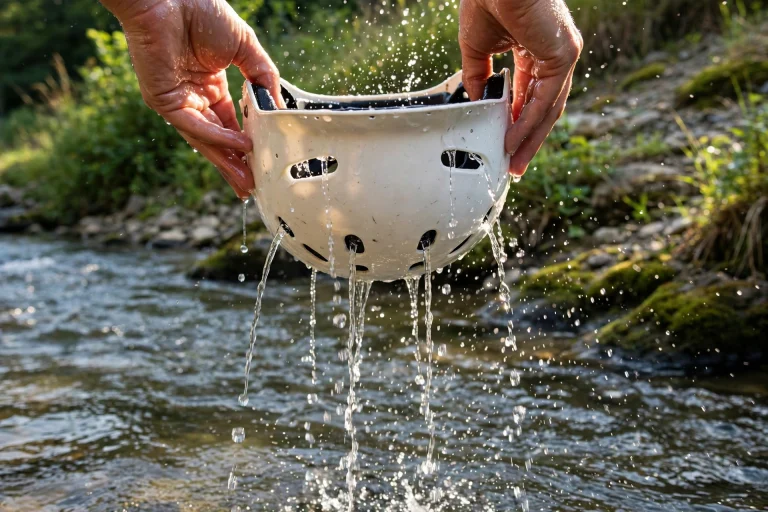
A general watersports helmet is the right tool — the same family used for gentle river and recreational paddling. It should be light and comfortable enough for a full day, quick to drain, and snug enough to stay on in a capsize without needing the locked-in fit of a whitewater creeking helmet. Ear coverage is optional here; choose it if your water is cold or your venues are rocky.
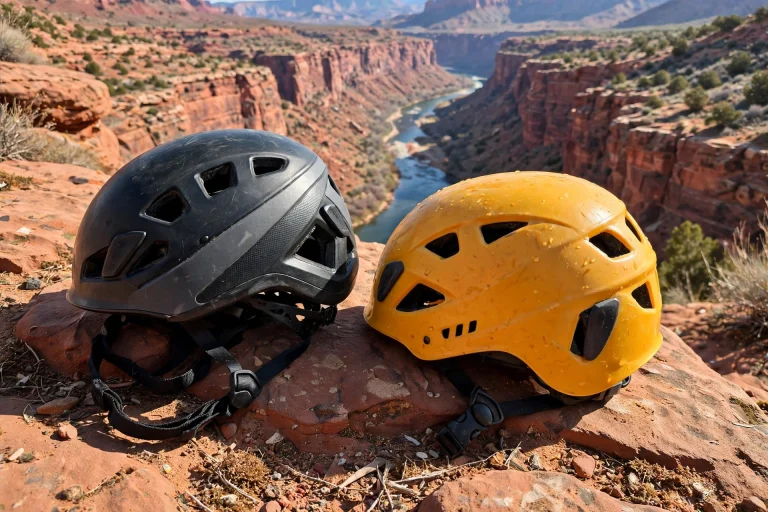
Do not substitute a helmet from another sport. A bike helmet is built for a single hard impact on land and is not made for repeated soaking; a climbing helmet is designed for a different pattern of blows. A watersports helmet’s foam, shell, and straps are chosen for immersion, and that is the environment it will actually work in.
Fit still matters as much as anywhere. Level, snug, no rocking when you shake your head, strap fastened. A loose helmet on flat water fails in exactly the same way as anywhere else, and the protective principles inside are the same ones covered in this explanation of what MIPS is for helmets: shell, foam, and fit working together.
How Do You Decide for Your Own Paddling?
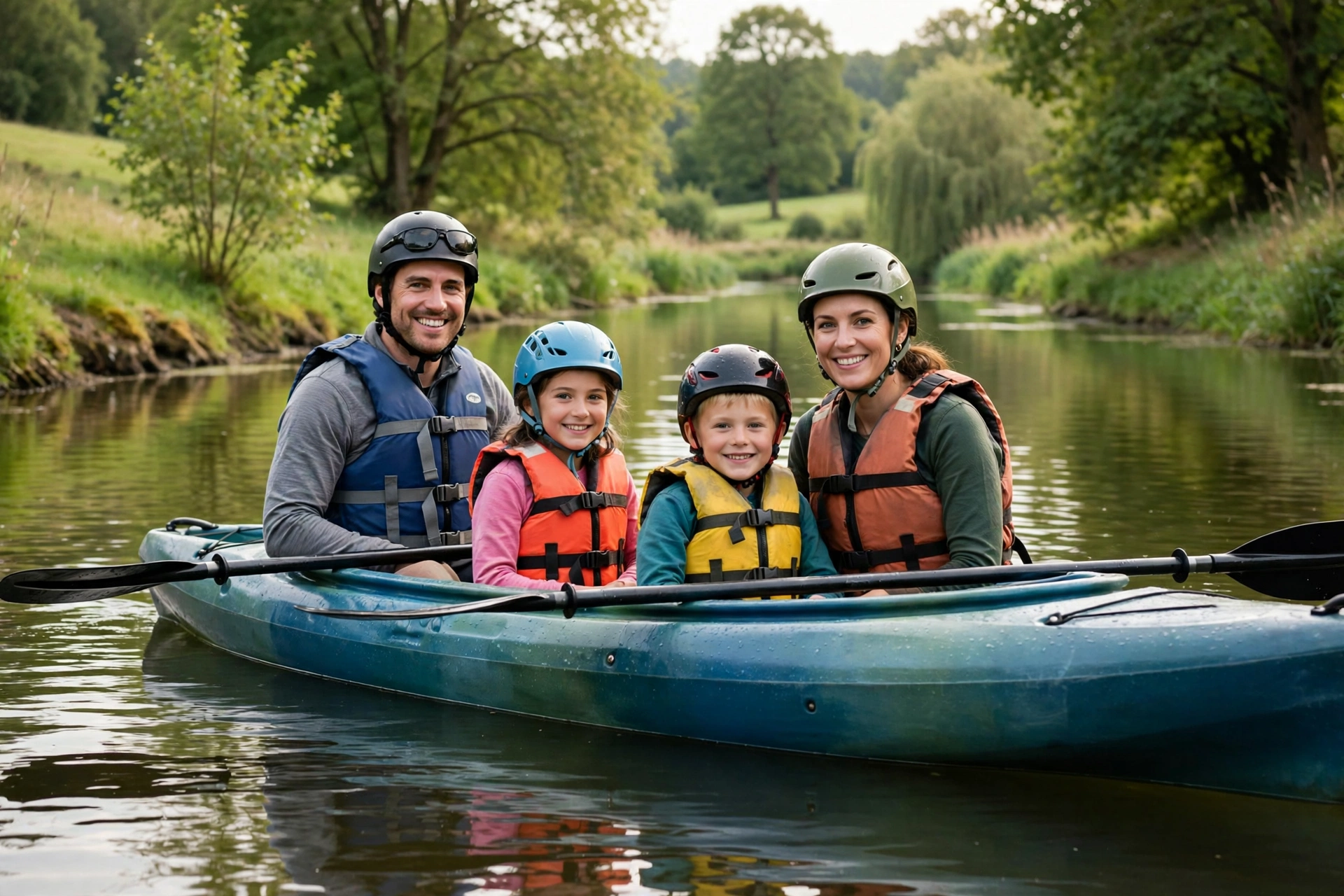
Walk your usual venue with a helmet-decision eye. If your launch is a sandy beach or a grassy bank, your water is deep, and your route is open lake or slow river, most experienced paddlers reasonably go without. If your launch is a stone slipway, your route hugs rocky shores or passes structures, or your session is lessons or skills practice, wear one — it costs little and covers your riskiest moments.
Decide for the session, not for your identity as a paddler. The same person can sensibly paddle a misty dawn lake bare-headed and wear a helmet for an afternoon of rolling practice by a rocky shore. Owning a helmet makes that flexibility possible; it does not oblige you to wear it every time.
And keep perspective on the kit order: on flat water, a correctly fitted buoyancy aid, suitable clothing for immersion, and a way to call for help all rank above a helmet for most trips. Add the helmet where the surroundings argue for it, and you have judged it exactly right.
Frequently Asked Questions
Q: Is a helmet legally required for kayaking on lakes?
A: In general terms, helmets are not a legal requirement for recreational flatwater kayaking in most places, while buoyancy aids often are — but rules vary by place, venue, and organised activity. Schools, clubs, and hire operators may require helmets for their own sessions, and their rules apply when you paddle with them.
Q: Should children wear helmets for flatwater kayaking?
A: It is a sensible precaution in many settings. Children capsize more, learn through lessons and games that involve tipping, and launch from the same slippery banks as everyone else. Many youth programmes require helmets for exactly these reasons. A properly fitting watersports helmet in the child’s own size is the right choice where one is worn.
Q: Can I just wear my whitewater helmet on flat water?
A: Yes. It is more coverage and retention than flat water usually needs, which is the safe direction to err. The only costs are warmth and weight on a long, calm day. If you already own one, it is a perfectly good answer for rocky launches and practice sessions.

Olivia
Writer at Helmet Today, covering helmet reviews, fit and riding safety.