How to Choose a Tinted Shield for Bright Snow Days
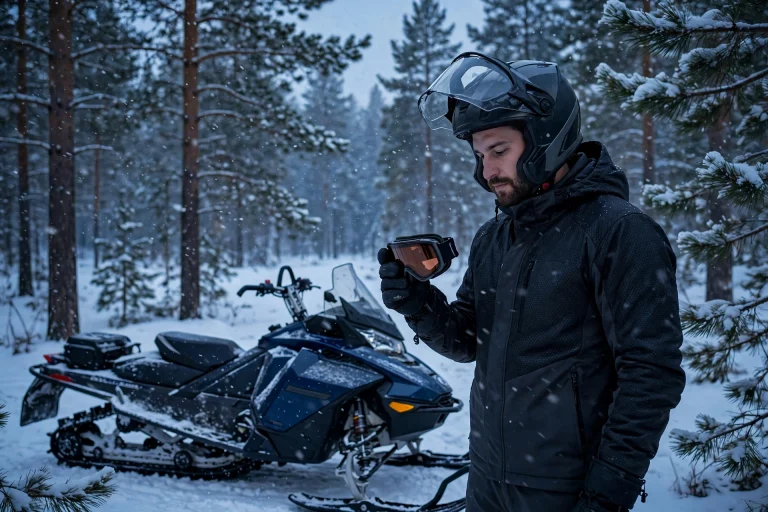
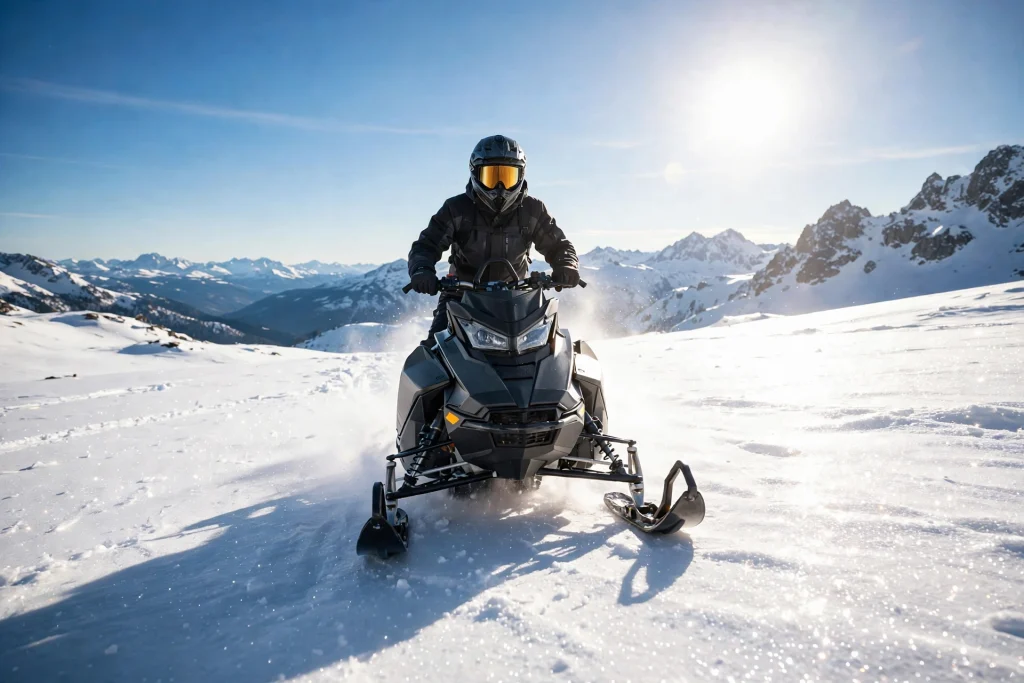
For bright snow days, choose a tinted shield in a smoke, amber, or rose tint that cuts glare without making the trail go flat: a medium smoke is the safe all-round pick, amber and…
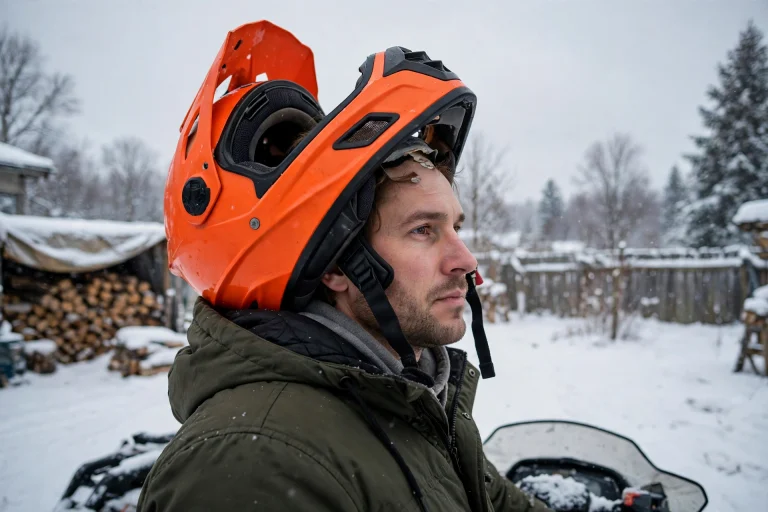
Yes — cold weather does change how a helmet fits. Padding foams stiffen as temperatures drop, so a helmet that feels plush…
A snowmobile helmet is too big if it moves when your head does not: it should not rock side to side, lift…
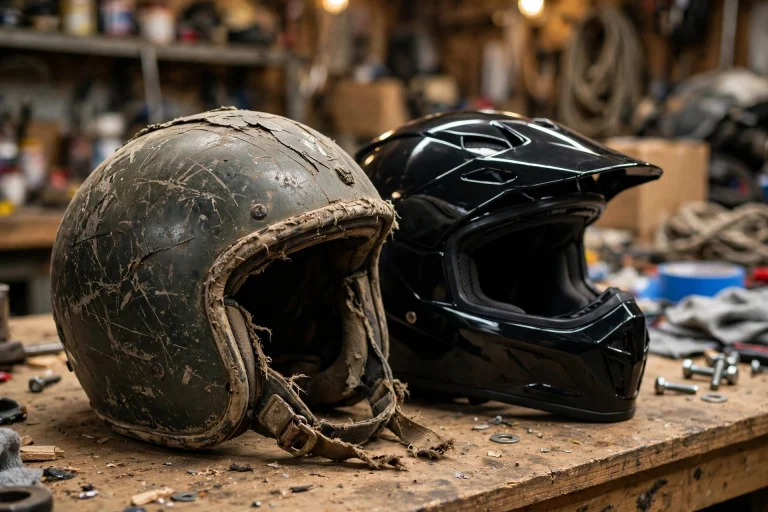
Replace a snowmobile helmet immediately after any crash or hard impact — even if it looks undamaged — and otherwise when it…
For most trail riders, a shield helmet is better: it seals your whole face away from the wind, stays warmer, and is…
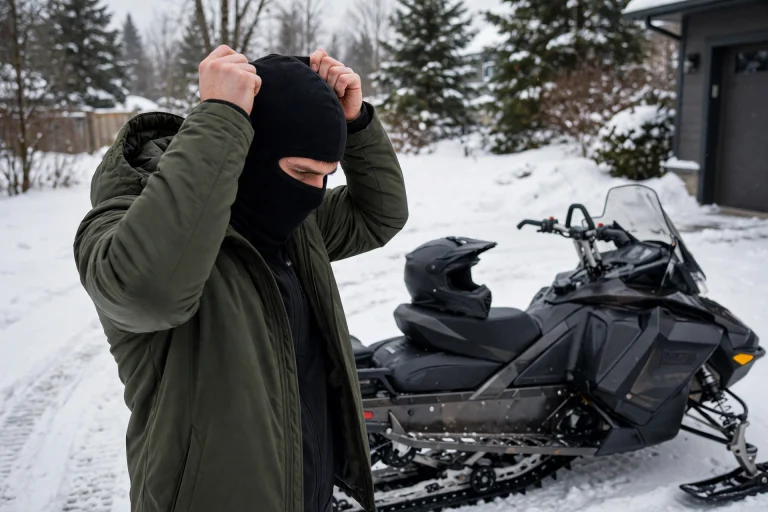
Wear a thin, smooth balaclava under your snowmobile helmet: pull it on first, settle it so the eye opening sits flat with…
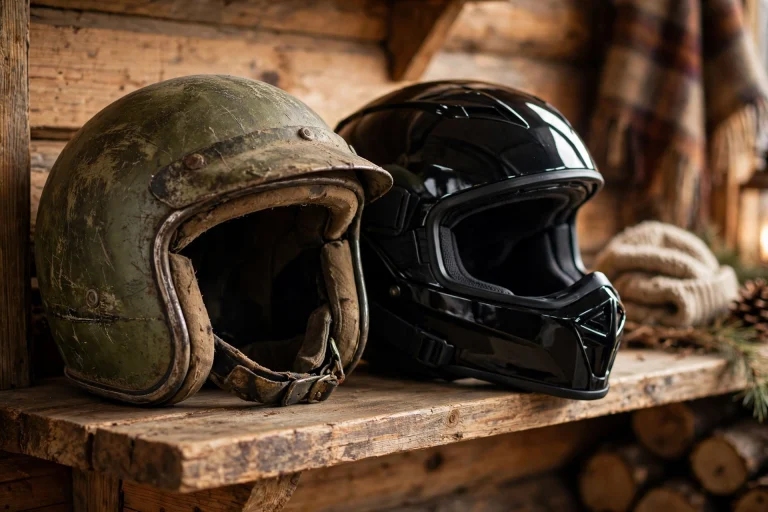
Yes, snowmobile helmets expire in the same way as every other helmet: the foam liner inside the shell ages, hardens, and slowly…
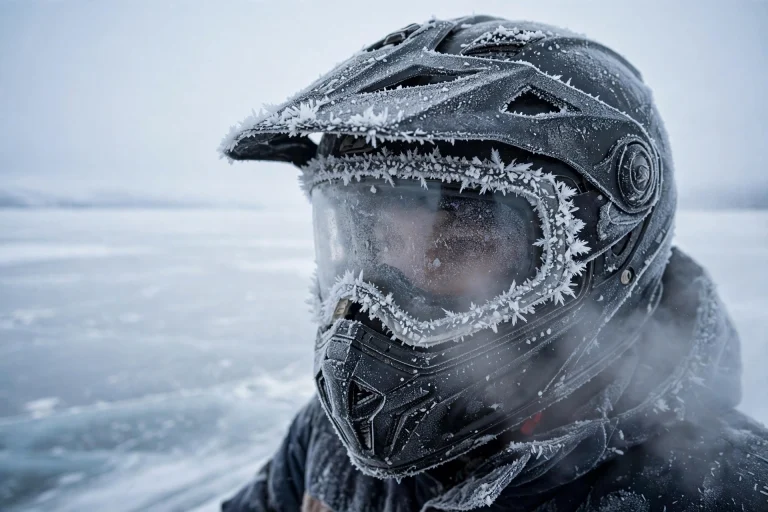
The difference is cold-weather equipment: a snowmobile helmet adds a fog-resistant dual-lens or heated shield, a breath box to route your breath…
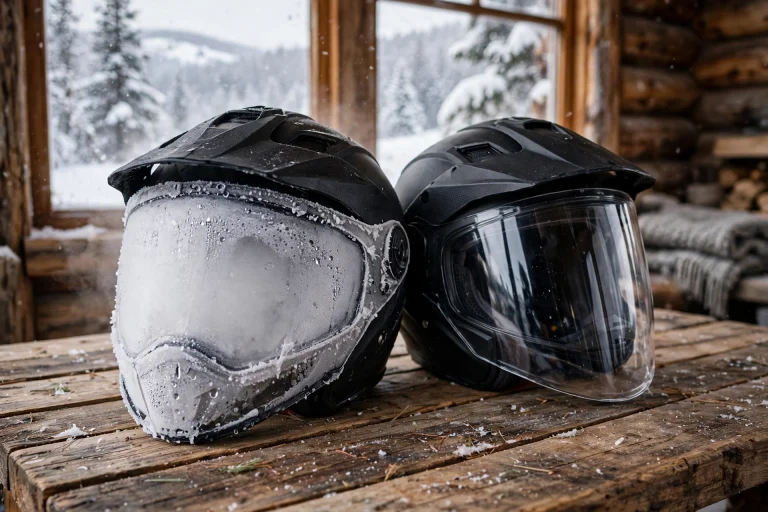
For snowmobile riding, a dual lens shield is better for almost everyone: its two panes with a sealed air gap insulate the…
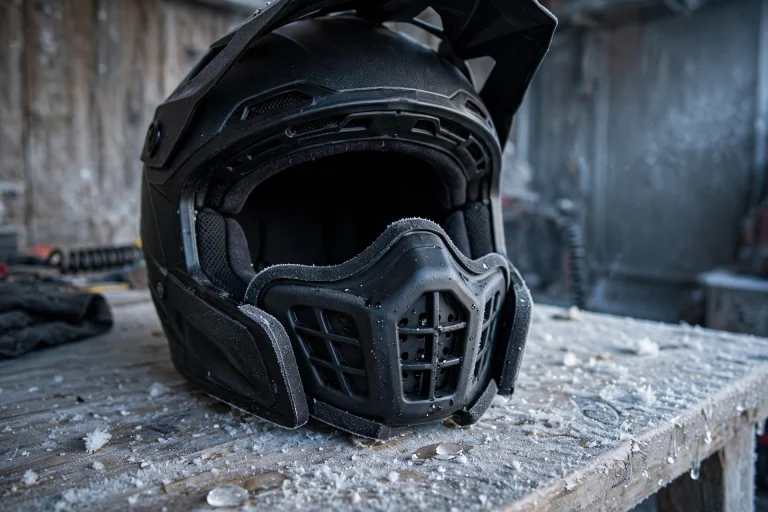
A breath box is the shaped mask inside the front of a snowmobile helmet that seals around your nose and mouth and…