Velodrome Helmet vs Road Helmet Difference
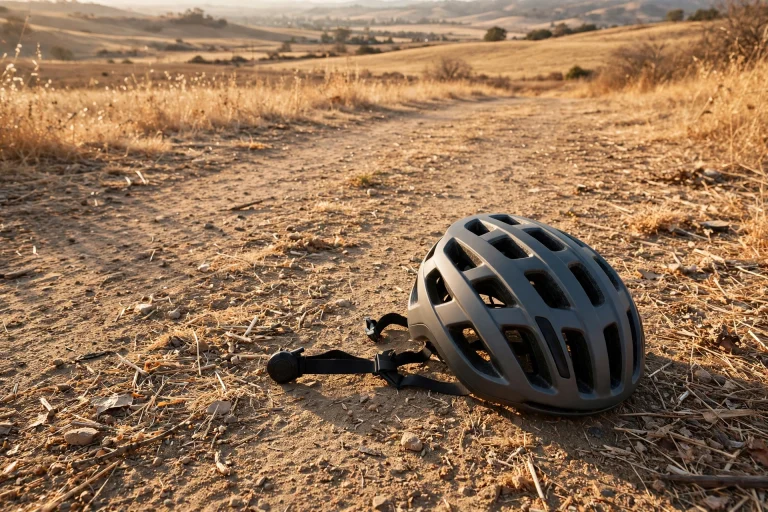
A velodrome helmet and a road helmet are built for different kinds of riding, and in general terms, the main differences are shape, ventilation, and weight. A velodrome helmet is usually smoother and more…


Track cycling helmet rules, in general terms, require riders to wear a properly fitted helmet that meets a recognised safety standard whenever…
To fit a cyclocross helmet for muddy races, start with the right size, sit the helmet level and low on your forehead,…
A cyclocross helmet is different mainly because it is built for short, muddy, stop-start racing: it usually has a little more coverage…
Gravel helmet ventilation for dusty trails works best when the helmet has large, well-placed front vents, clear internal channels, and rear exhaust…
To choose a gravel cycling helmet, pick one that balances road-style ventilation with extra coverage for loose surfaces: a well-ventilated helmet with…
A gravel bike helmet and a road helmet are similar in shape, but a gravel helmet usually gives a little more coverage…
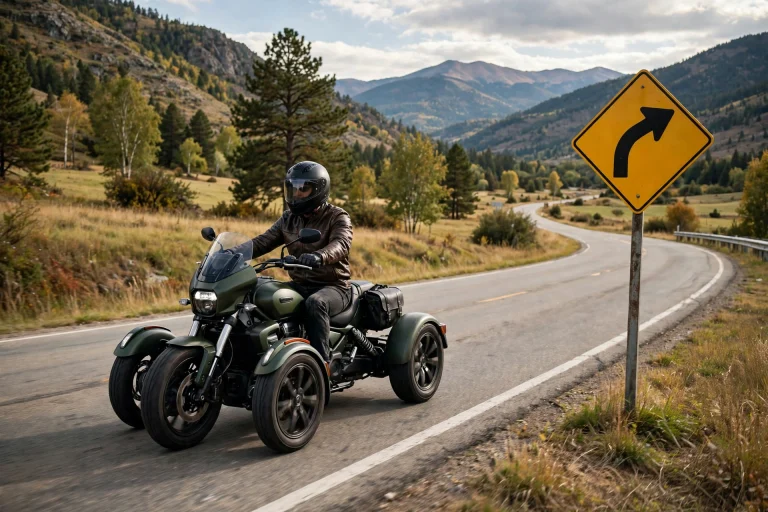
Helmet laws for three-wheeled vehicles vary widely by place: in most countries they follow the motorcycle helmet rules, but some places treat…
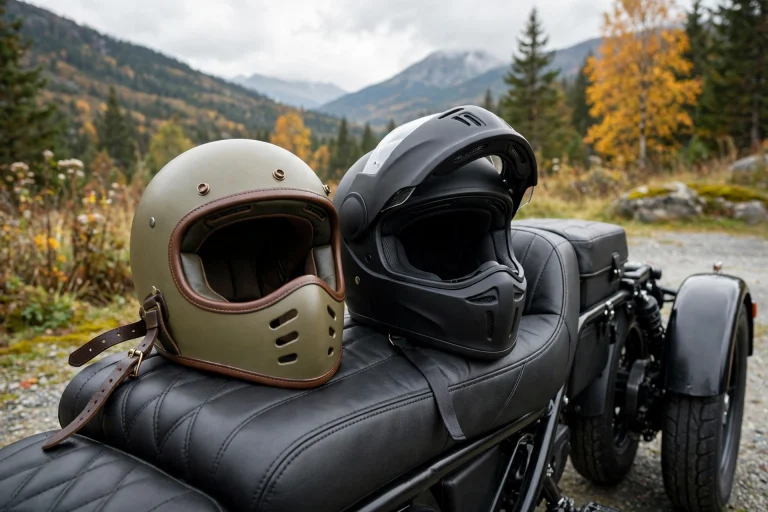
For trike riding, a full-face helmet gives the most protection and weather cover, while an open-face helmet gives a wider view and…
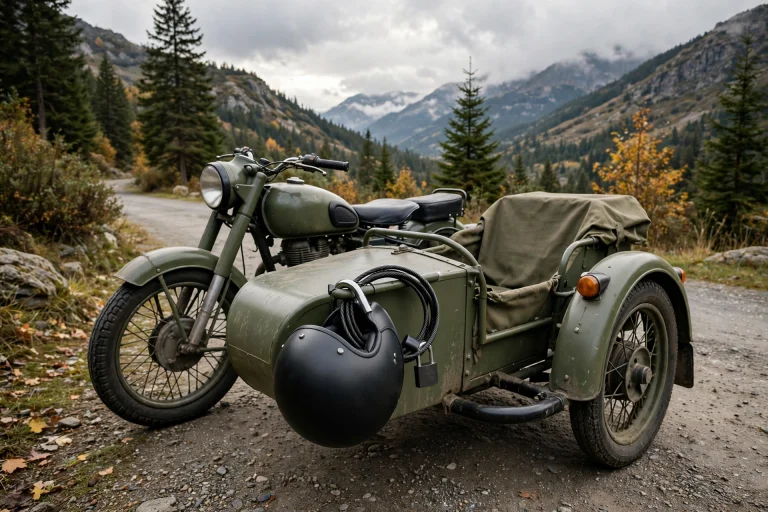
To store a sidecar helmet when parked, lock it to the outfit with a helmet lock, put it in a locked top…