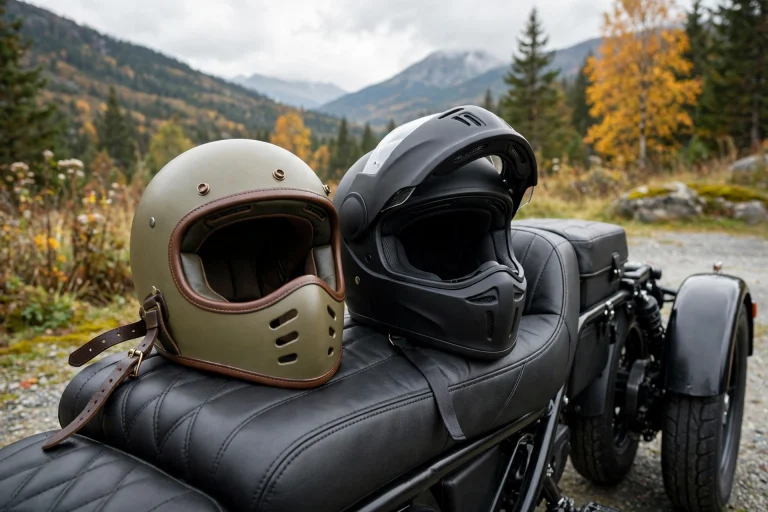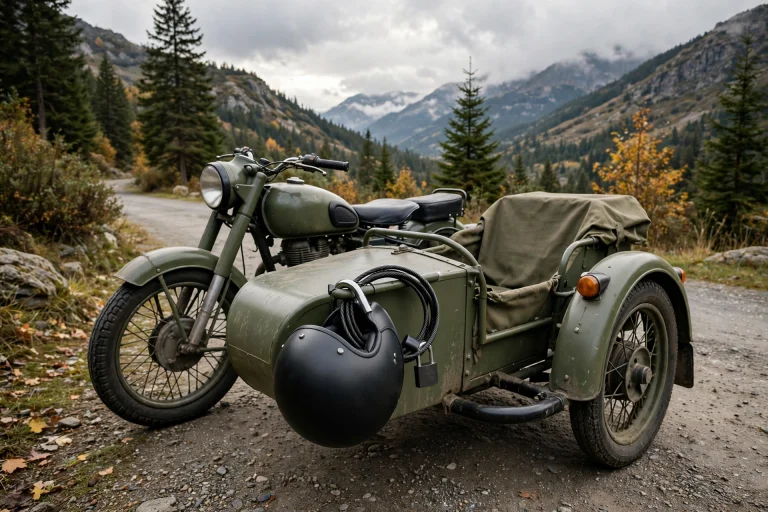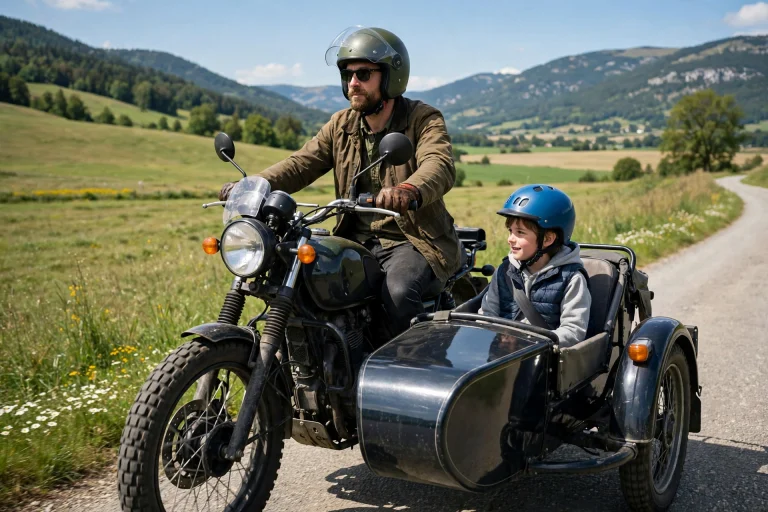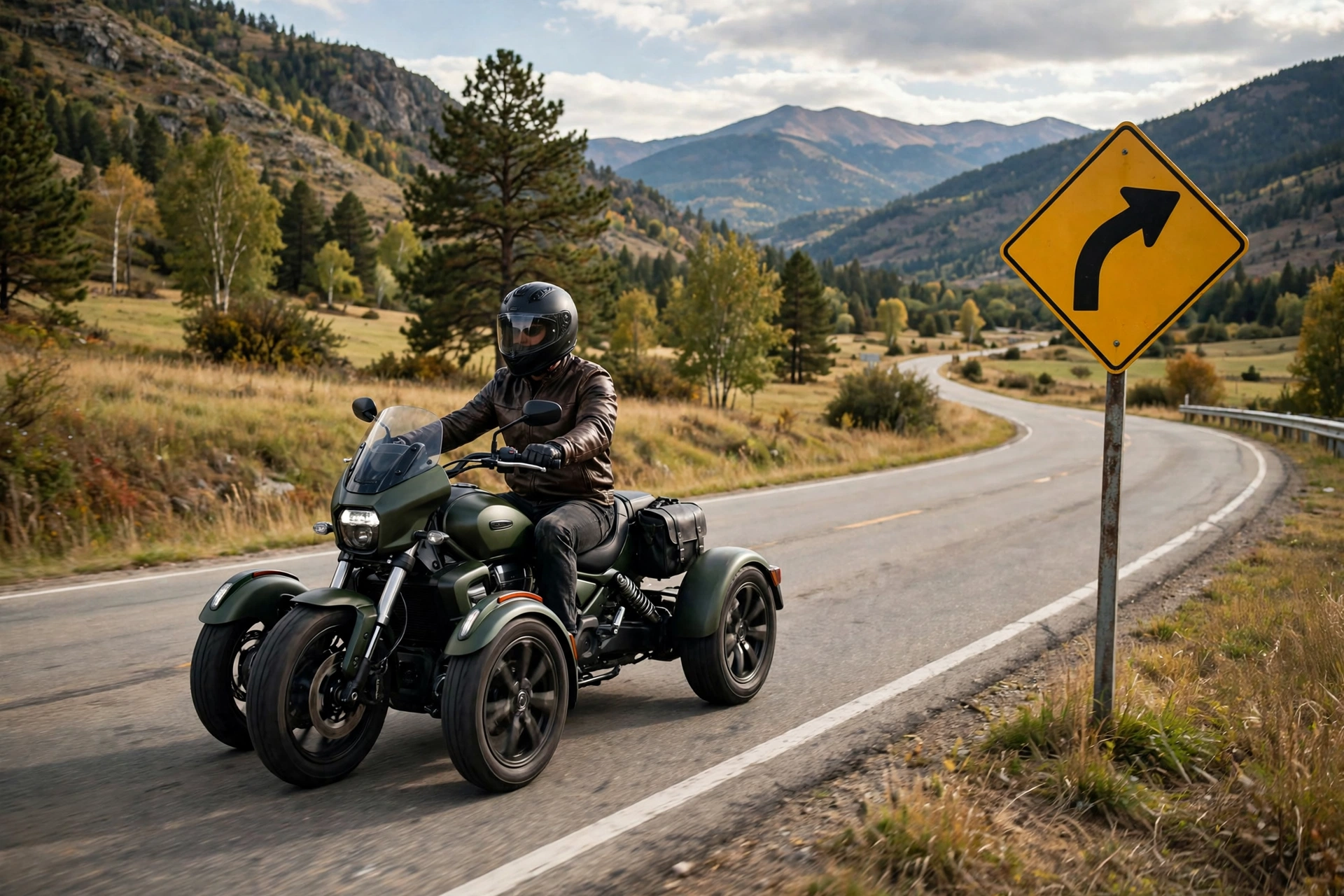
Helmet laws for three-wheeled vehicles vary widely by place: in most countries they follow the motorcycle helmet rules, but some places treat three-wheelers as cars or as a separate category, so the requirement can be different from what a motorcycle rider expects. In general terms, if you ride a three-wheeled motorcycle, you should assume a helmet is required unless you have checked the specific rules for the place you are riding.
This is an overview, not legal advice. Helmet laws change, and they differ between countries and sometimes between regions within a country. The aim here is to explain how the laws usually work, what to check, and why wearing a helmet is wise even where the law does not require one.
How Are Three-Wheeled Vehicles Usually Classified?
Most three-wheeled motorcycles are classed as motorcycles, because they have handlebars, a saddle, and a motorcycle-style engine and controls. That means the motorcycle helmet rules usually apply, and the rider and any passenger must wear a helmet that meets a recognised standard. Traditional trikes, reverse trikes, and leaning three-wheelers are all usually classed this way, though the exact classification can vary.
Some three-wheeled vehicles are classed differently. A three-wheeler with a steering wheel, car-style seats, and a roof may be classed as a car or as a separate category, and the helmet rules may not apply in the same way. A sidecar outfit is usually classed as a motorcycle, so the helmet rules apply to both the rider and the passenger. If you are unsure how your vehicle is classified where you ride, check with the local licensing authority, because the classification affects the licence you need, the insurance, and the helmet rules.
What Do Helmet Laws Usually Require?
Where a helmet law applies, it usually requires the rider and any passenger to wear a helmet that meets a recognised safety standard for that country or region. The standard is often named in the law, and the helmet must carry a label showing it meets that standard. Some laws require a helmet for all riders, while others only require it for riders under a certain age, or only on certain roads. In general terms, the safest approach is to wear a helmet that meets a recognised standard on every ride, whatever the law says.
Penalties for not wearing a helmet where one is required vary, and they can include a fine, points on a licence, or the vehicle being stopped. More importantly, riding without a helmet where one is required can affect an insurance claim if you are involved in a crash, because the insurer may argue that you were not following the law. That is another reason to wear a helmet even if you think the law might not apply to your particular vehicle.
How Do the Rules Differ Between Countries?
Rules differ a great deal. Some countries require helmets for all motorcycle and three-wheeler riders, with no exceptions. Others require helmets only for certain riders, such as those under a certain age, or only on certain types of road. Some countries have no helmet law at all, though that is becoming rare. Within a single country, the rules can differ between states, provinces, or regions, so a ride across a border can mean a change in the rules.
Standards also differ. A helmet that meets the standard in one country may not meet the standard in another, even if the helmets look the same. If you are travelling abroad with a three-wheeled vehicle, check the helmet standard required in each country you will visit, and make sure your helmet carries the right label. Some countries accept helmets that meet a widely recognised international standard, while others require their own national standard. When in doubt, a helmet that meets a well-known international standard is a good starting point, but it is worth checking before you travel.
What About Passengers and Children?
In most places, the helmet law covers passengers as well as riders, including a passenger on a trike or in a sidecar. That means a passenger must wear a helmet that meets the same standard as the rider’s helmet, and it must fit properly. For children, some places have a minimum age for motorcycle passengers, or require a child to be able to reach the footrests, and the helmet must be a child’s size that meets the standard.
If you carry a passenger, check that their helmet fits and that the strap is done up before you set off, and make sure they know how to sit safely. A passenger who is not wearing a helmet, or who is wearing one that does not fit, is at risk, and the rider may be held responsible. If you want to understand the safety features on a helmet, reading about what MIPS is for helmets can help you make sense of what is listed on the box, so you can choose helmets that protect well for both rider and passenger.
How Should You Check the Rules Before You Ride?
Before a ride, especially a ride in a new place or across a border, check the helmet rules for that place. The local transport authority or a motoring organisation is usually the best source, and their guidance is more reliable than a general web search. Note the standard required, whether the law covers passengers, and whether there are any age limits or exceptions.
Keep a note of the rules for the places you ride regularly, and check them again if you hear that the law has changed. Helmet laws do change, and a rule that applied last year may not apply now. And remember that the law is a minimum: wearing a helmet that meets a recognised standard, on every ride, is the safest choice, whether the law requires it or not. A helmet is a small inconvenience compared with a head injury, and it is worth wearing one even where the law does not demand it.
Frequently Asked Questions
Q: Do I need a helmet on a three-wheeled vehicle with a roof?
A: It depends on how the vehicle is classified where you ride. A three-wheeler with a roof and car-style seats may be classed as a car, in which case a helmet may not be required, but you should check the local rules rather than assuming.
Q: Can I use my helmet from home when riding abroad?
A: In general terms, it depends on whether your helmet meets the standard required in the country you are visiting. Some countries accept widely recognised international standards, while others require their own national standard, so check before you travel.
Q: Does the helmet law apply to sidecar passengers?
A: In most places, yes, the helmet law covers anyone on a motorcycle, which usually includes a sidecar passenger. The passenger should wear a helmet that meets the same standard as the rider’s helmet.

Olivia
Writer at Helmet Today, covering helmet reviews, fit and riding safety.