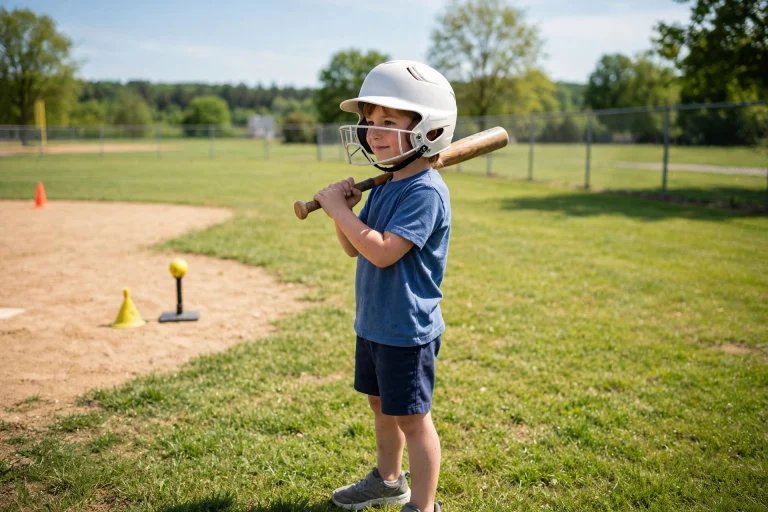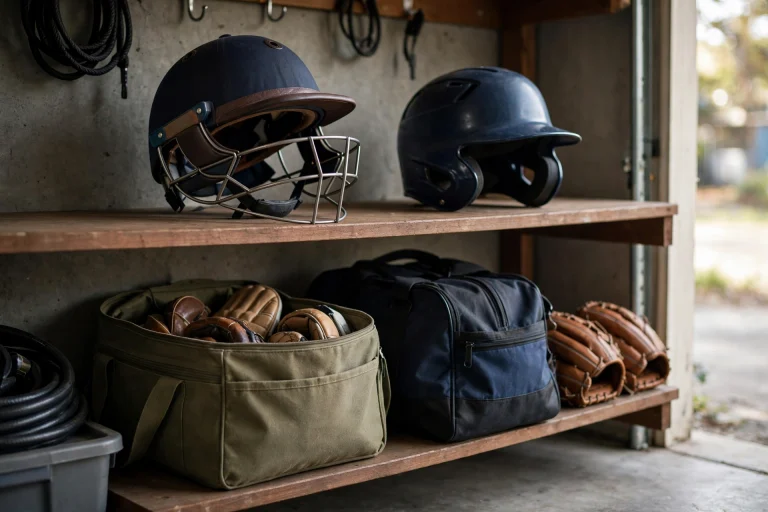
In general terms, a single ear flap protects the ear facing the pitcher, while a double ear flap protects both ears — single flaps suit most adult batters, and double flaps suit switch-hitters and younger players whose leagues often require them. The ear flap is a small feature with a real safety job: it guards the ear and the side of the head from a pitched or thrown ball.
Baseball helmets look simple, but the ear flap choice confuses a lot of buyers, especially parents buying for children and players switching between leagues. This guide explains what each option does, who needs which, and how the rules affect the choice.
What Is a Baseball Helmet Ear Flap For?
The ear flap is the extension of the helmet shell that covers the ear and the side of the head. Without it, the ear and temple area would be exposed to a pitched ball, a wild throw, or a deflection off the bat. A ball striking an unprotected ear can cause serious injury, so the flap is a core safety feature, not a cosmetic one.
Flaps are made from the same hard shell material as the rest of the helmet, with padding on the inside for comfort. They extend down over the ear and slightly forward, protecting the area a pitch is most likely to reach. The flap’s job is to deflect or absorb a ball strike, just as the rest of the shell does.
Every batting helmet has at least one flap. The question is whether it needs one or two, and the answer depends on which side faces the pitcher, whether the batter switches sides, and what the league requires.
How Does a Single Ear Flap Work?
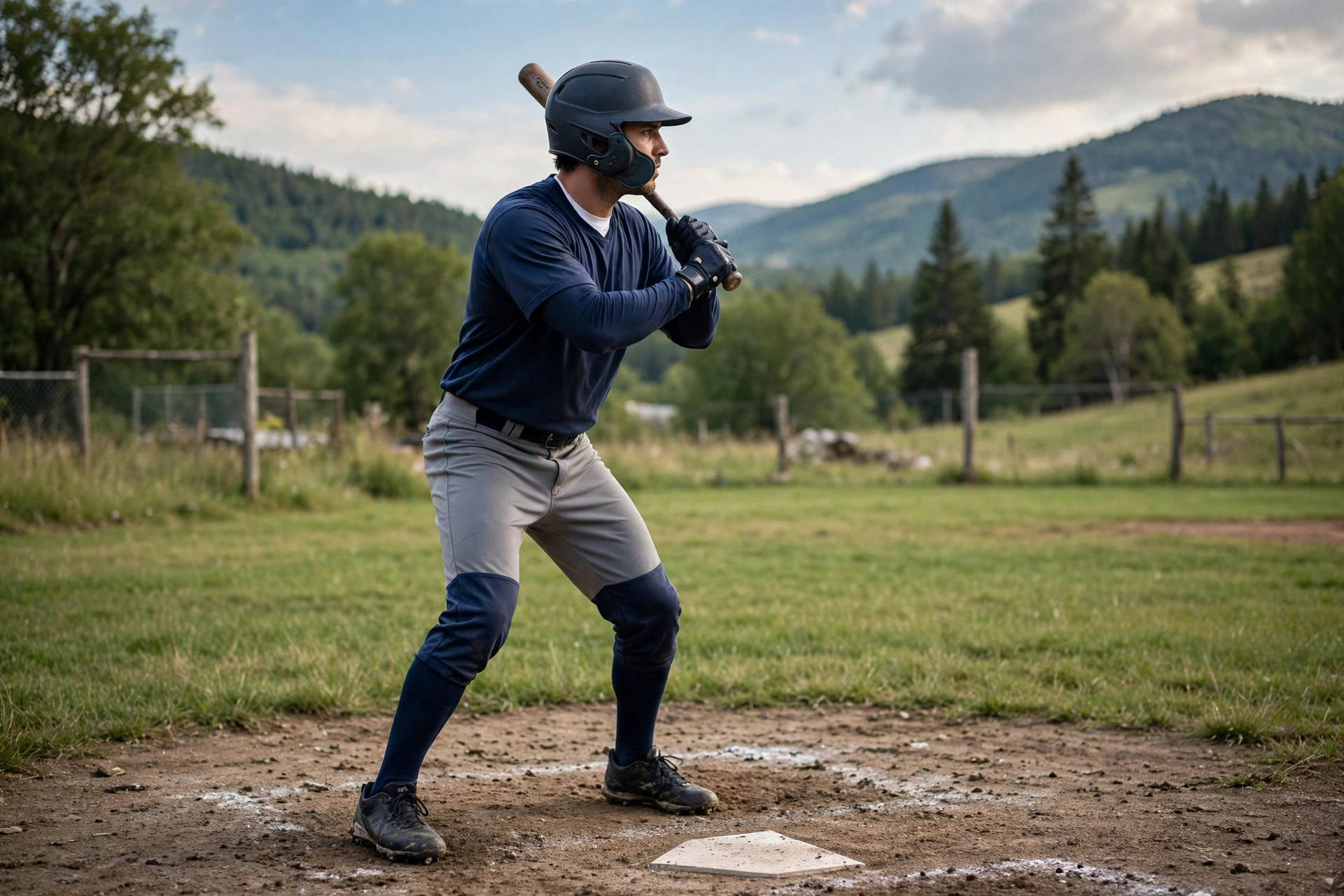
A single-flap helmet protects the ear that faces the pitcher. A right-handed batter faces the pitcher with their left side forward, so a single-flap helmet for a right-handed batter covers the left ear. A left-handed batter needs the flap on the right side. The other ear, facing away from the pitcher, is left uncovered.
Single-flap helmets are the standard for most adult and senior baseball. They are lighter than double-flap helmets, they ventilate slightly better, and they leave the back ear open, which some players prefer for hearing coaches, teammates, and umpires. For a batter who always bats from the same side, a single flap covers the ear that is actually at risk.
The key point is buying the correct handedness. A right-handed batter in a left-handed single-flap helmet has the flap on the wrong side, leaving the exposed ear facing the pitcher. Check the flap position before buying, especially when ordering online, where handedness is easy to get wrong.
How Does a Double Ear Flap Work?
A double-flap helmet covers both ears, so it works for batters from either side of the plate. This is essential for switch-hitters, who bat both right- and left-handed and would otherwise need two helmets or a flap on the wrong side half the time.
Double flaps are also common in youth baseball. Many youth leagues require double-flap helmets for all batters, because young players are still learning, pitchers are less accurate, and the extra coverage is a sensible precaution. Parents buying for children should check league rules first, since a single-flap helmet may not be allowed even if it fits.
The trade-offs are modest: a double-flap helmet is slightly heavier and a little warmer, and it muffles hearing slightly more than a single flap. For most youth players and switch-hitters, those drawbacks are well worth the extra protection and the flexibility to bat from either side.
Which Leagues Require Which Flap?
Rules vary by league, age group, and level, so always check the specific rules that apply to you. In general terms, youth leagues are more likely to require double flaps, while adult and senior leagues usually allow single flaps. Some leagues also have rules about flap condition — a cracked or missing flap can make a helmet illegal for play.
School and college baseball often follows its own governing body’s rules, which may specify double flaps for certain age groups. Tournament play can be stricter than regular league play, so a helmet that is fine for weekend games may not be accepted at a tournament. Check before travelling to an event.
If you play in more than one league with different rules, a double-flap helmet is the safe choice, since it satisfies both single- and double-flap requirements. If you are unsure, ask your coach or league organiser before buying — a helmet that meets the strictest rule you play under will always be accepted, while one that only meets a relaxed rule may not be.
How Should a Flap Helmet Fit?
Fit follows the same principles as any batting helmet: it should sit level, cover the forehead, and stay put when the batter runs and swings. The flap should sit over the ear without pressing painfully on it, and the chin strap should hold the helmet securely without being uncomfortably tight.
Check that the flap does not interfere with hearing too much. A well-fitting helmet muffles sound only slightly, and the batter should still hear coaches and umpires clearly. Also check the helmet with the batting gloves and any cap you wear, so nothing shifts the helmet once you are in the batter’s box. If a flap presses hard on the ear, the size or shape may be wrong, or the padding may need adjusting.
Inspect flaps regularly for cracks, loose fixings, or padding that has worn thin. A damaged flap should be replaced or the helmet retired — a flap that breaks on impact is not protecting the ear. And remember that fit underpins every protection feature a helmet carries, including systems that address angled impacts, as explained in this guide to what MIPS means for helmets.
Frequently Asked Questions
Q: Can a right-handed batter use a left-handed single-flap helmet?
A: No — the flap would be on the wrong side, leaving the ear facing the pitcher exposed. Always match the flap to the side that faces the pitcher.
Q: Do double-flap helmets affect hearing much?
A: Only slightly. Both ears are covered, so sound is a little muffled, but coaches, umpires, and teammates remain clearly audible in general terms.
Q: Are double-flap helmets only for children?
A: No — switch-hitters of any age use them, and any player who wants maximum coverage or plays in leagues requiring double flaps can choose one.

Olivia
Writer at Helmet Today, covering helmet reviews, fit and riding safety.