We may earn a commission when you buy through links on this page, at no extra cost to you. Learn more
An open-face MTB helmet can provide a good balance of protection, ventilation, and comfort for mountain bikers who prefer more airflow than a full-face helmet offers. The best models combine a durable shell, impact-absorbing foam, secure retention systems, and well-placed vents for comfortable trail riding.
Adjustable fit systems can help keep the helmet stable during climbs, descents, and rough terrain, while removable pads can make cleaning easier after sweaty rides. Some designs provide extended coverage around the back and sides of the head for added protection without the weight of a full-face model.
Lightweight construction can also reduce fatigue during longer rides. This guide highlights six open-face MTB helmets based on protection, fit, ventilation, weight, comfort, durability, adjustability, and overall value. The selections offer practical options for trail riding, cross-country cycling, bike parks, and everyday mountain biking.
6 Best Open Face Mtb Helmets
| Image | Title | Best For | Link |
|---|---|---|---|
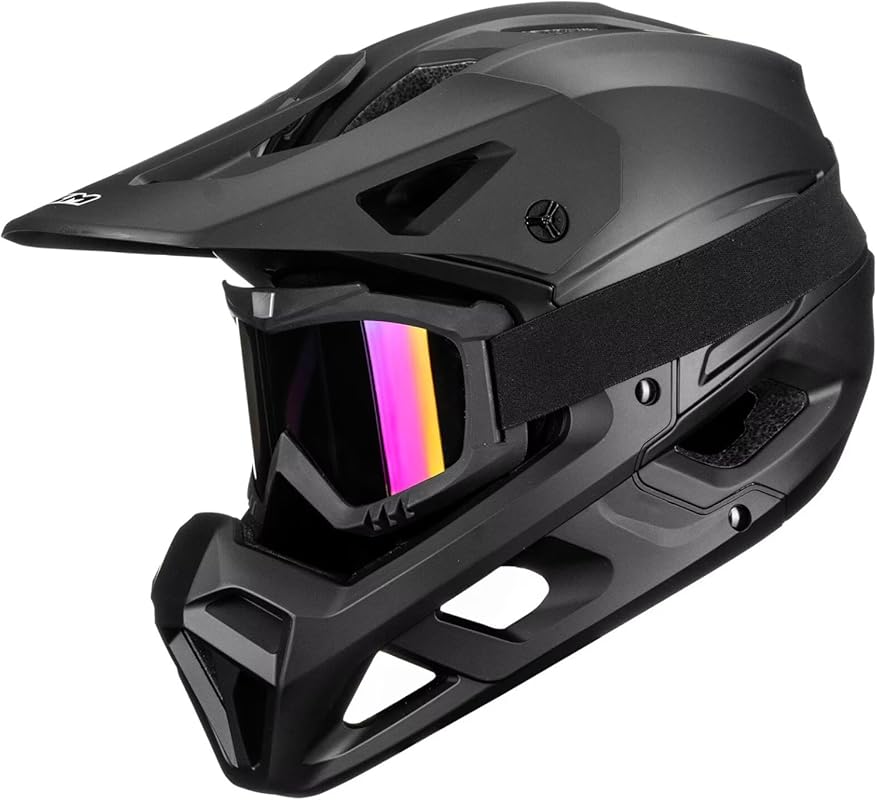 |
ILM HT58 Full Face MTB Helmet | All-around trail protection and value. | View on Amazon |
 |
AP-836 Open Face Helmet | Riders needing dual-visor versatility. | View on Amazon |
 |
Fly Racing Rayce MTB Helmet | Budget-conscious downhill enthusiasts. | View on Amazon |
 |
BEON Retro 3/4 Face Helmet | Vintage aesthetic for casual riding. | View on Amazon |
 |
Fly Racing Rayce MTB Helmet | Consistent performance for gravity riders. | View on Amazon |
 |
ILM HT58 Full Face MTB Helmet | Reliable build for daily trail use. | View on Amazon |
Our Top 6 Best Open Face Mtb Helmets Reviews – Expert Tested & Recommended
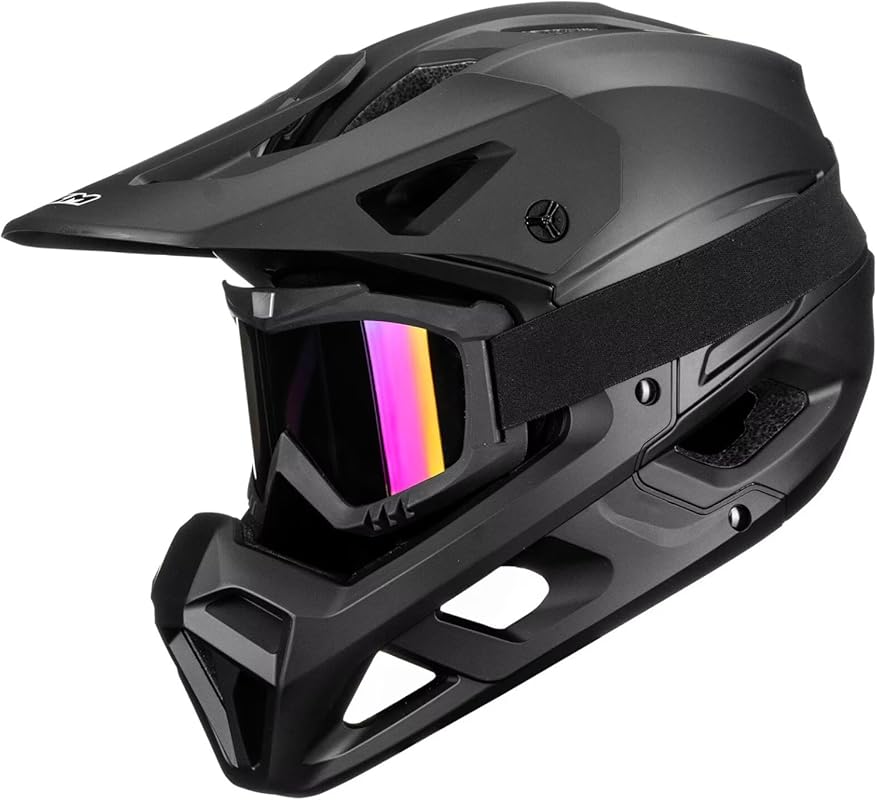
1. ILM HT58 Full Face Mountain Bike Helmet
The ILM HT58 stands out as a reliable piece of gear that doesn’t compromise on safety standards. It is perfect for riders who want extended protection without the bulk of traditional downhill gear.
Key Features That Stand Out
- ✓ ASTM F1447 and CPSC certified safety ratings.
- ✓ Includes integrated goggles for trail protection.
- ✓ Adjustable visor to block sun and debris.
- ✓ EPP-reinforced chin bar for added durability.
Why We Recommend It
This helmet gives you peace of mind with its rigorous testing protocols. The customizable fit system ensures it stays secure even on the bumpiest descents.
Best For
Riders looking for an all-around reliable helmet that balances safety and comfort.
Pros and Cons at a Glance
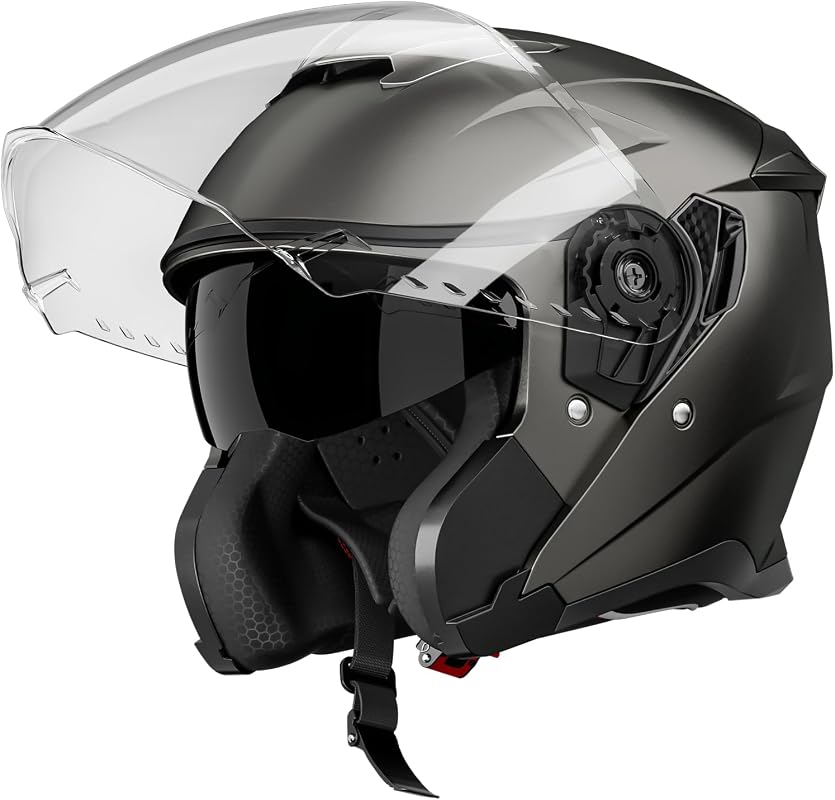
2. AP-836 Open Face Motorcycle Helmet
If you prefer a modular style, the AP-836 offers great versatility with its dual-visor system. It is a robust option that bridges the gap between casual biking and rugged off-road utility.
Key Features That Stand Out
- ✓ DOT certified for high-impact protection.
- ✓ Dual-visor system for varied light conditions.
- ✓ Removable and washable moisture-wicking liners.
- ✓ Sturdy ABS shell construction.
Why We Recommend It
The ability to switch visors makes this incredibly practical for changing weather. Plus, the interior liners make cleaning up after a muddy ride simple and quick.
Best For
Riders who need a dual-purpose helmet for both trail riding and casual cruising.
Pros and Cons at a Glance
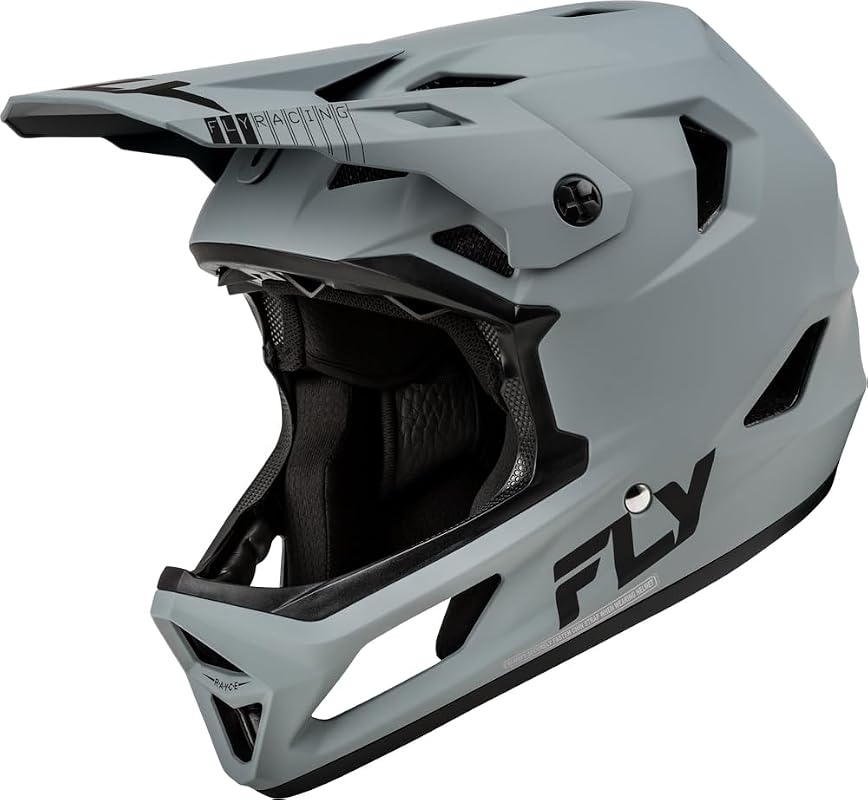
3. Fly Racing Rayce MTB Helmet
The Fly Racing Rayce is the ultimate choice for those who want professional-grade protection without breaking the bank. It is exceptionally lightweight and performs brilliantly on long rides.
Key Features That Stand Out
- ✓ ASTM F1952-15 downhill certification.
- ✓ Lightweight poly-alloy shell reduces neck fatigue.
- ✓ TFV airflow system keeps your head cool.
- ✓ Balanced weight distribution for extended wear.
Why We Recommend It
This is arguably the best “bang for your buck” helmet available today. Its airflow system is genuinely impressive, making it ideal for warmer riding days.
Best For
Downhill and BMX riders who prioritize weight savings and cooling.
Pros and Cons at a Glance
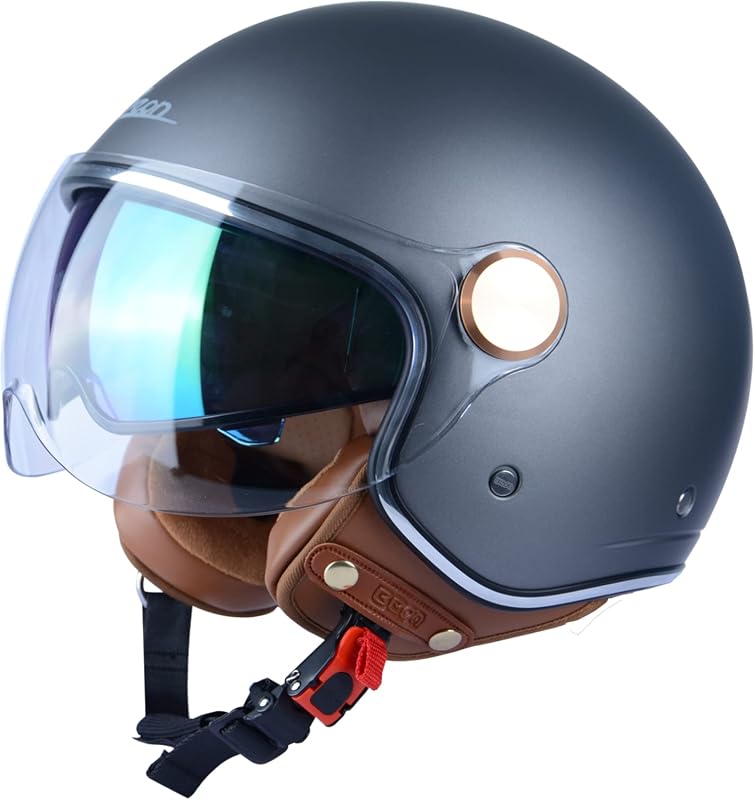
4. BEON Retro 3/4 Face Helmet
If you’re looking for style as much as function, the BEON retro helmet brings a classic vintage look to the trails. It is comfortable and surprisingly well-engineered for its retro appearance.
Key Features That Stand Out
- ✓ DOT and ECE 22.05 safety certified.
- ✓ Convenient Click-n-Secure quick-release buckle.
- ✓ Removable and washable inner mesh liner.
- ✓ Dual-visor configuration for sun protection.
Why We Recommend It
The quick-release buckle is a game-changer for convenience, especially if you ride with gloves. It is a fantastic choice for those who prefer an understated look.
Best For
Casual trail riders and cruisers who value aesthetics and comfort.
Pros and Cons at a Glance
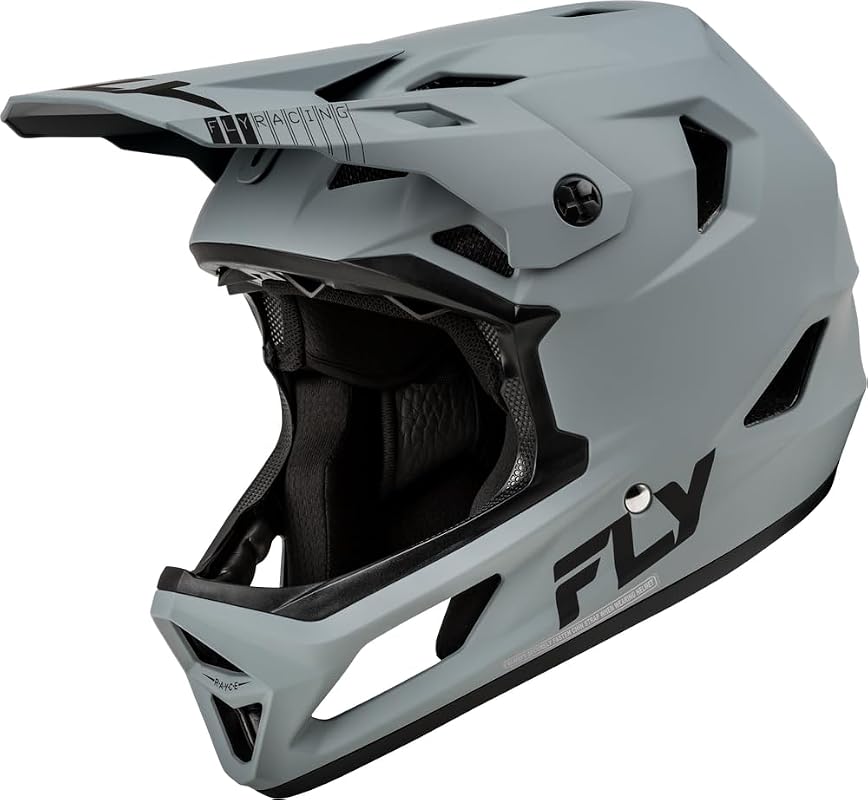
5. Fly Racing Rayce MTB Helmet
Consistency is key, and this version of the Fly Racing Rayce delivers the same high-quality construction as its sibling. It remains a top-tier choice for riders seeking reliability and performance.
Key Features That Stand Out
- ✓ ASTM downhill certification standards.
- ✓ Poly-alloy construction for impact resistance.
- ✓ Advanced airflow ports for heat management.
- ✓ Optimized weight for long-session comfort.
Why We Recommend It
Its reliability makes it a go-to for many experienced riders. It effectively manages airflow during hot days without sacrificing structural integrity.
Best For
Gravity riders and those pushing their limits on technical terrain.
Pros and Cons at a Glance
6. ILM HT58 Full Face MTB Helmet
The ILM HT58 is a reliable standard for riders who want consistent performance. It provides exactly what you need for daily trail shredding without any unnecessary frills.
Key Features That Stand Out
- ✓ CPSC and ASTM F1447 certifications.
- ✓ Included goggles for debris protection.
- ✓ Adjustable visor for custom coverage.
- ✓ Durable reinforced chin bar construction.
Why We Recommend It
It is dependable, robust, and well-designed for the price. If you want a no-nonsense helmet that protects your head, this is a solid choice.
Best For
Weekend riders who need a reliable helmet that does the job well.
Pros and Cons at a Glance
Complete Buying Guide for Open Face Mtb Helmets
Essential Factors We Consider
When selecting the best open face MTB helmets, we look closely at safety certifications like CPSC, ASTM, or DOT. Beyond safety, comfort is king—look for adjustable fit dials, moisture-wicking liners, and adequate ventilation. A good helmet should feel like a natural extension of your head, never shifting when you navigate technical terrain.
Budget Planning
You don’t always need to spend a fortune to get great protection. While premium helmets offer lighter materials and more advanced airflow, budget-friendly options can provide just as much impact protection. Focus your budget on the safety rating first, then consider extra features like visor adjustability or included accessories.
Final Thoughts
Your helmet is the most critical piece of equipment in your kit. Whether you choose the feature-packed ILM HT58 or the lightweight efficiency of the Fly Racing Rayce, ensure you pick a model that fits your specific riding style. Remember to replace any helmet that has sustained an impact, regardless of how minor the damage might appear.
Frequently Asked Questions
Q: What is the main difference between open and full-face helmets?
A: Open face helmets prioritize ventilation and a wider field of view, making them better for long trail rides. Full-face helmets offer extra protection for your jaw and chin, ideal for downhill or high-speed racing.
Q: How do I know if my helmet is the right size?
A: Measure the circumference of your head just above your eyebrows. Most brands provide a size chart; the helmet should fit snugly without being tight, and it should not wobble when you shake your head.
Q: Can I use a motorcycle helmet for MTB riding?
A: It is not recommended. Motorcycle helmets are typically much heavier and have different ventilation needs than mountain bike helmets, which could lead to overheating and restricted movement on the trail.
Q: How often should I replace my helmet?
A: You should replace your helmet immediately after any significant crash, or at least every three to five years even if it hasn’t been crashed, as materials can degrade over time.

Olivia
Writer at Helmet Today, covering helmet reviews, fit and riding safety.