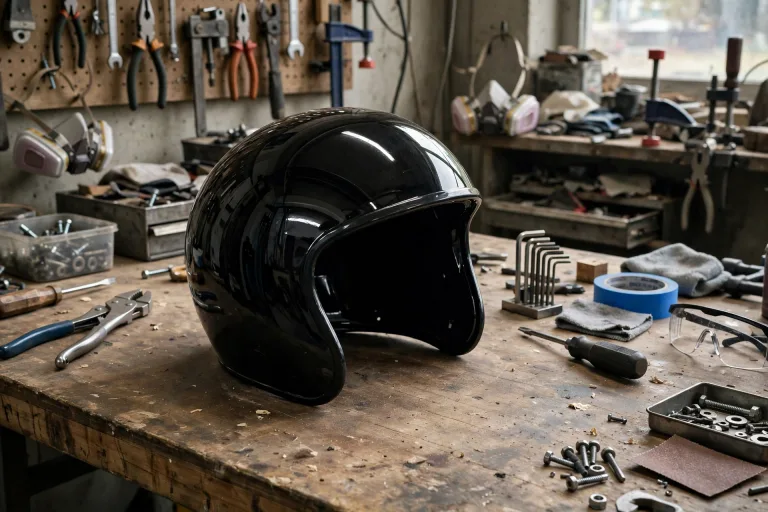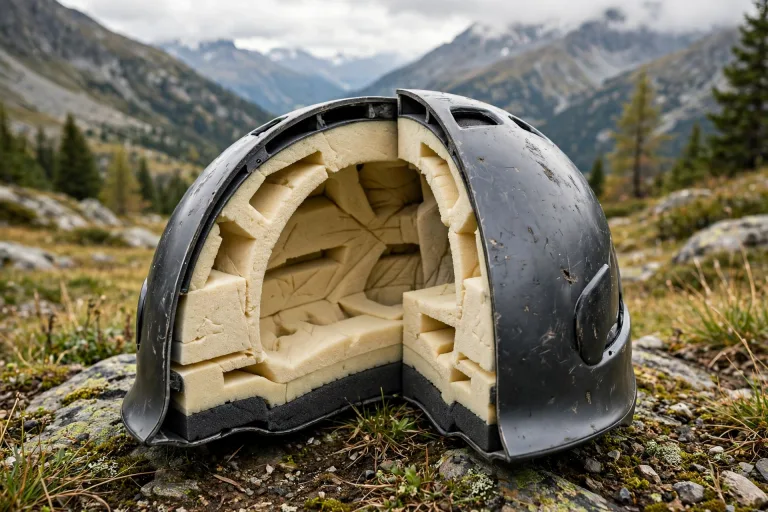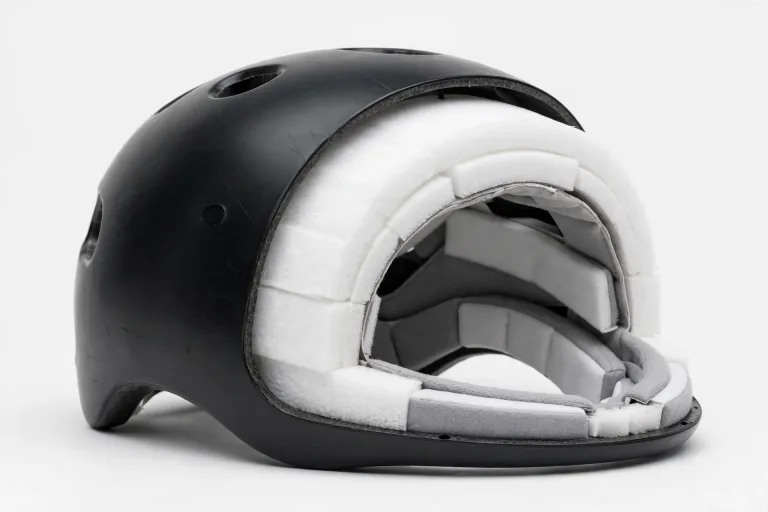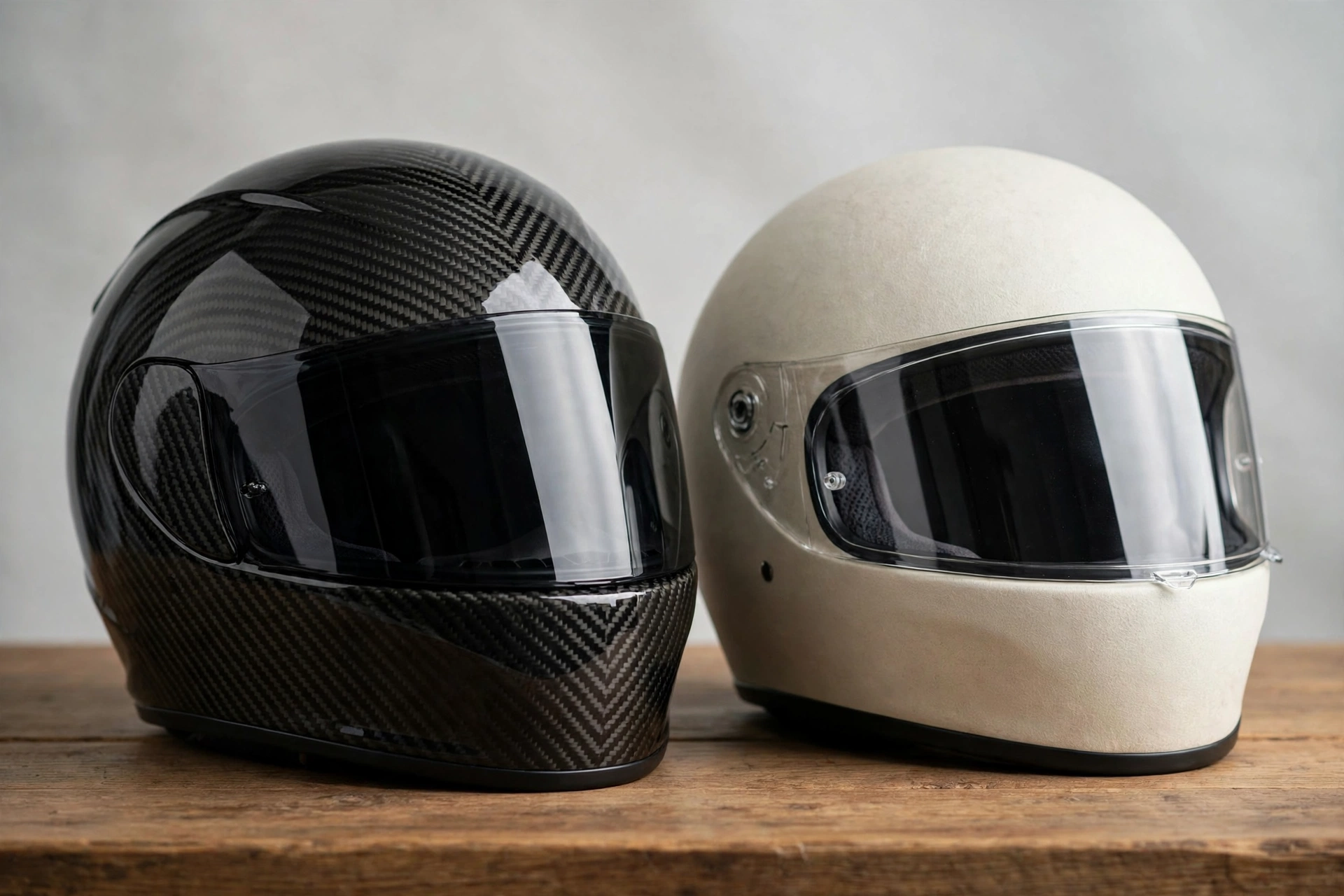
A carbon helmet is made with a shell of carbon fibre, while a fibreglass helmet is made with a shell of layered glass fibre, and in general terms the main difference is weight and cost, with carbon helmets usually lighter and more costly than fibreglass helmets. Both types use a hard outer shell over a crushable inner liner, and both can protect the rider well when they fit properly and meet the same safety standard. The choice between them comes down to how much weight matters to the rider, how much they want to spend, and how the helmet feels on the head.
Carbon fibre and fibreglass are both composite materials, which means they are made by setting strong fibres in a resin that hardens around them. Helmet makers have used both materials for many years, and each one has its own strengths, so the best choice is not always the same for every rider or every sport. Neither material is new, and both have been tested on the road and the track for many years.
What is a carbon helmet made of?
A carbon helmet is made by laying sheets of carbon fibre cloth in a mould and setting them in resin, which hardens into a stiff, light shell. Carbon fibre is made of very thin strands of carbon, and those strands are strong for their weight, which is why the material is used in racing cars, aircraft, and high-end sports equipment. In a helmet, several layers of the cloth are laid up by hand or by machine, and the shell is then cured, trimmed, and finished.
The result is a shell that is very stiff and very light, and that stiffness helps the shell spread the force of an impact across a wider area. Carbon helmets are often the lightest helmets in a maker’s range, and riders who wear a helmet for long hours often notice the difference in neck comfort. The material is also costly to make, because the cloth is dear and the lay-up takes time and care, and that cost is reflected in the price of the helmet.
What is a fibreglass helmet made of?
A fibreglass helmet is made in a similar way, but the shell is built from layers of glass fibre cloth set in resin. Glass fibre is made of very fine strands of glass, and when those strands are woven into cloth and set in resin, they form a shell that is strong, tough, and able to flex a little on impact. Fibreglass has been used in helmets for many years, and makers know the material well, so the shells are consistent and well proven.
A fibreglass shell is usually a little heavier than a carbon shell of the same size, because more layers of glass fibre are needed to reach the same strength. That extra weight is often small, and many riders do not notice it on a short ride, though it can matter on a long day. Fibreglass is also cheaper to make than carbon fibre, which is why fibreglass helmets are often found at lower prices while still meeting the same safety standards as carbon helmets.
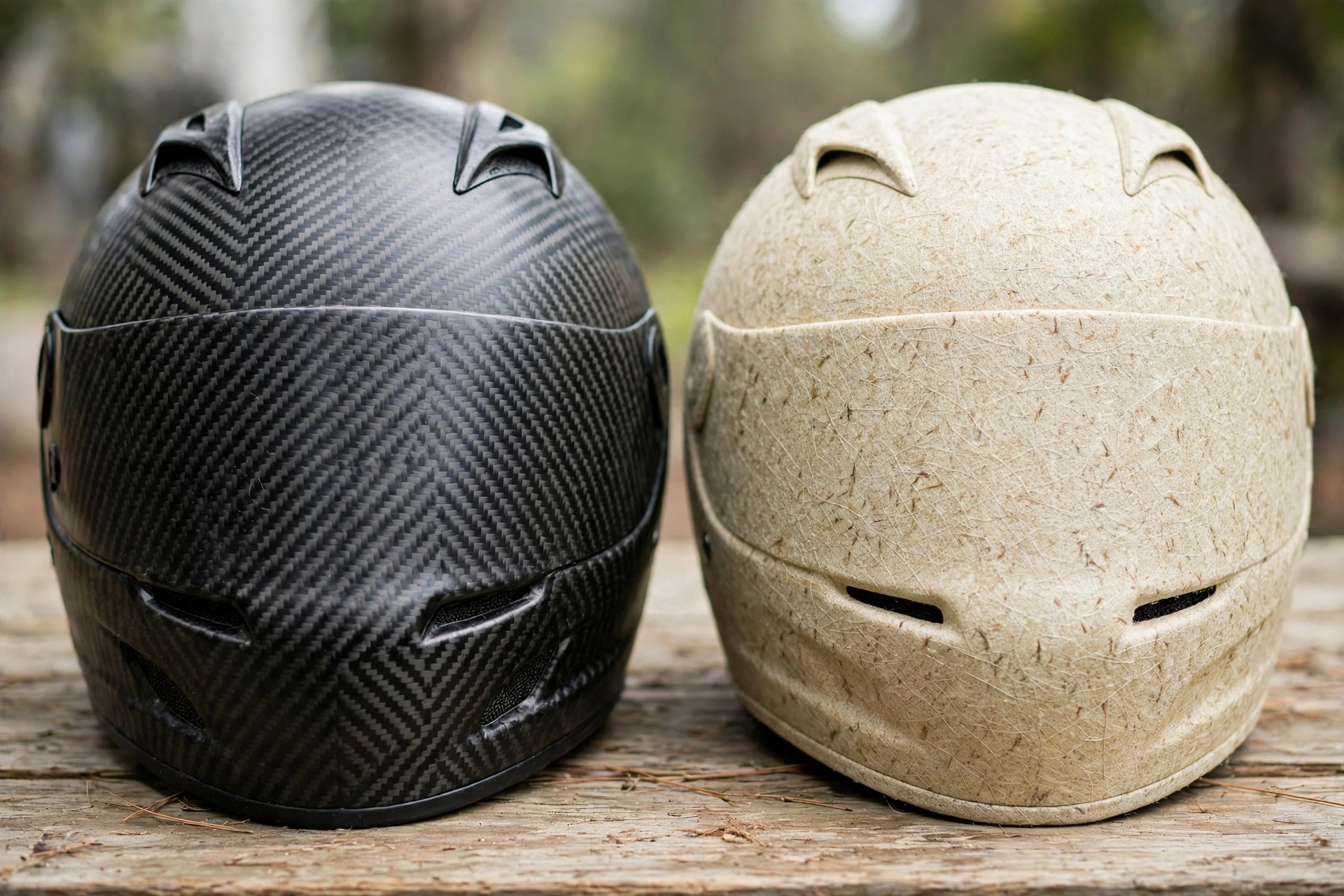
How do carbon and fibreglass helmets compare on weight and comfort?
The clearest difference between the two materials is weight. A carbon helmet is usually the lighter of the two, and the difference can be felt when the helmet is picked up and when it is worn for hours. A lighter helmet puts less strain on the neck, and riders who spend long days on a bike or in a car often value that comfort. A fibreglass helmet is heavier, but the difference is often modest, and many riders find it easy to live with.
Comfort also depends on the fit, the lining, and the ventilation, and those features matter at least as much as the shell material. A well-fitting fibreglass helmet with good airflow can feel more comfortable than a poorly fitting carbon helmet, so the material alone does not decide comfort. Riders should try both types on, wear each one for a few minutes, and pay attention to pressure points, the weight on the neck, and how the helmet feels when the head is turned.
Which helmet is better value for money?
On value for money, fibreglass usually wins, because a fibreglass helmet often costs much less than a carbon helmet while meeting the same safety standard. The saving comes from the cheaper material and the simpler making process, and for many riders that saving is the deciding factor. A rider who buys a fibreglass helmet can often spend the money saved on a better fit, a spare visor, or other riding gear. In general terms, the extra cost of carbon buys lightness rather than extra protection.
Carbon makes more sense when lightness is a real need, such as for riders who wear a helmet all day, race, or suffer from neck strain. For those riders, the lower weight is worth paying for, and the helmet may feel better over a long day. For riders who ride for shorter trips or on a tight budget, a good fibreglass helmet offers strong protection and solid value, and the money saved is better spent elsewhere. Either way, the helmet should meet a recognised safety standard.
Which helmet should you choose?
To choose between carbon and fibreglass, start with the fit and the safety standard, because those two points matter more than the shell material. Try on helmets in both materials, wear each one for several minutes, and check for pressure points, a level fit, and a strap that holds the helmet firmly. A helmet that fits badly will be uncomfortable and may not protect well, whatever it is made of, so fit should come first. Once the fit is right, the choice comes down to weight, budget, and how the helmet will be used.
Riders who want the lightest helmet they can buy and are happy to pay for it will usually lean towards carbon, while riders who want strong protection at a lower cost will usually be happy with fibreglass. Both materials have a long record in helmets, and both can serve a rider well for years when the helmet is looked after. Riders who want to learn more about helmet safety features may also want to read about MIPS, a system designed to reduce rotational forces in some helmets, before they buy.
Is a carbon helmet safer than a fibreglass helmet?
In general terms, no. Both materials can meet the same safety standards, and the fit of the helmet matters more than the shell material. A well-fitting fibreglass helmet protects better than a poorly fitting carbon helmet.
Why are carbon helmets more costly?
Carbon fibre cloth is dear to make, and laying up a carbon shell takes time and care. The higher cost of the material and the making process is reflected in the price of the helmet.
Which helmet is better for long rides?
In general terms, a carbon helmet is often the better choice for long rides, because it is lighter and puts less strain on the neck. A well-fitting fibreglass helmet can still be comfortable, so riders should try both and judge by feel.

Olivia
Writer at Helmet Today, covering helmet reviews, fit and riding safety.