Helmet with a Heart-Rate Monitor Explained
A helmet with a heart-rate monitor is a helmet that measures your pulse while you ride, using a small optical sensor built into the helmet, usually near the forehead or temple. The sensor shines…

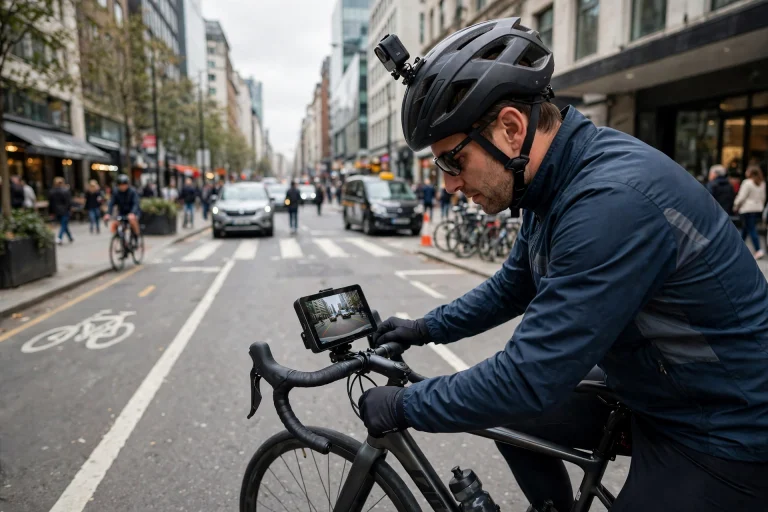
A helmet with a fitness tracker is a helmet that has built-in sensors to record things like your heart rate, calories burned,…
A helmet with a rear-view camera is a helmet that has a small camera built in, or mounted on it, that shows…
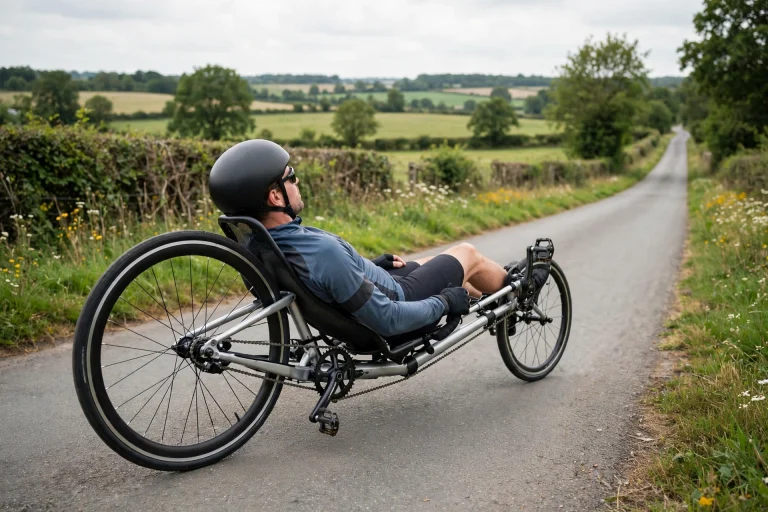
Yes, helmet aerodynamics work differently for recumbent riders — because you ride lying back with your head held higher than your chest,…
Yes, helmet aerodynamics matter in ski racing — a smooth, close-fitting helmet with a well-shaped visor can cut drag and help a…
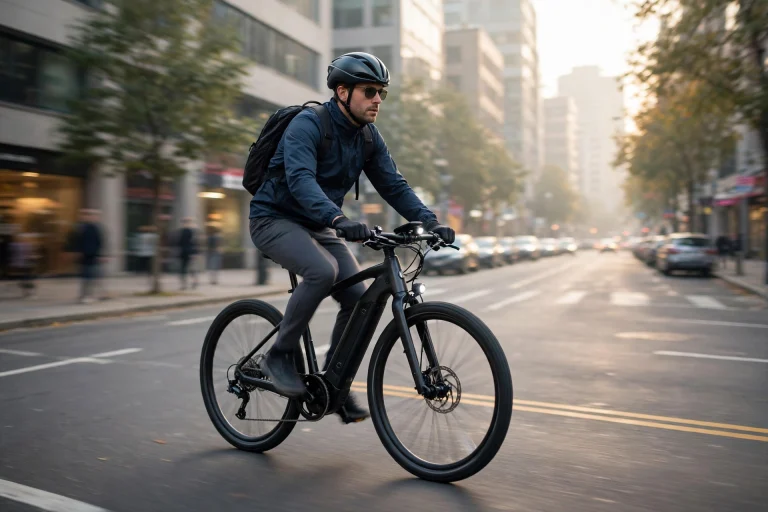
Yes, helmet aerodynamics matter for e-bike commuting at speed — a smooth, well-fitting helmet can cut wind drag and wind noise noticeably…
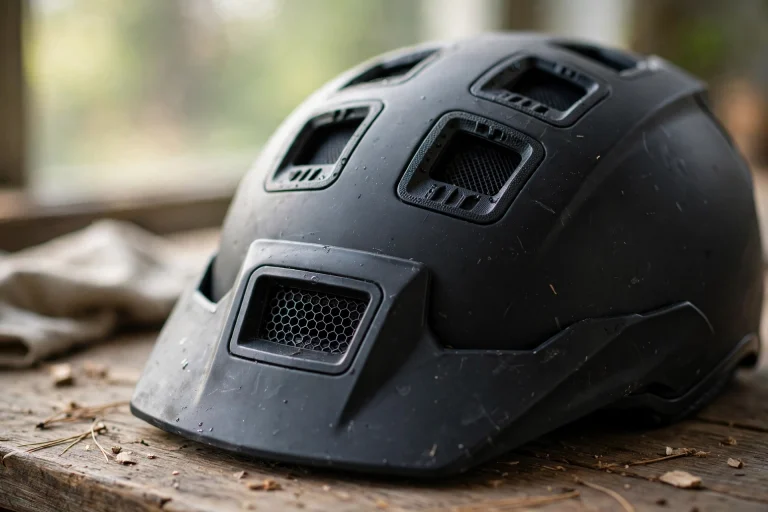
The trade-off between helmet vents and aerodynamics is simple: more vent openings mean better cooling but more drag and noise, while a…
Helmet aerodynamics for downhill mountain biking is about balancing speed, cooling and protection on steep, fast descents — a good downhill helmet…
Helmet aerodynamics for motorcycle touring is about how the helmet’s shape manages airflow at cruising speed — a well-designed touring helmet cuts…
Yes, helmet shape has a large effect on wind noise — a smooth, rounded shell with a tight seal lets air flow…