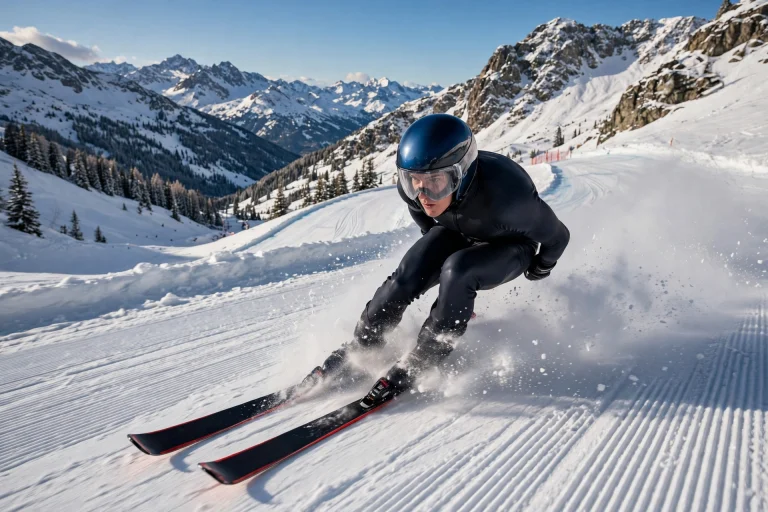
Helmet aerodynamics for motorcycle touring is about how the helmet’s shape manages airflow at cruising speed — a well-designed touring helmet cuts drag and buffeting, keeps the head stable, and stays comfortable over hundreds of kilometres in a day. In general terms, touring aerodynamics is less about top speed and more about reducing the constant push and pull of the wind that tires a rider out on a long day. A helmet that slips through the air cleanly makes the whole journey easier.
Touring riders spend hours at steady motorway speeds, often behind a screen, in changing wind and weather. The helmet is the part of the rider most exposed to the wind, and its shape decides how much drag pulls at the neck, how much buffeting shakes the head, and how much noise reaches the ears. This guide explains how helmet aerodynamics works for touring, what features matter, and how to choose a helmet that stays comfortable on long rides.
What Is Drag and Why Does It Matter on a Tour?
Drag is the resistance the air puts up as the helmet moves through it. At cruising speed, the wind pushes against the front of the helmet and pulls at the back, and the rider’s neck muscles have to work to hold the head steady. Over an hour this is barely noticeable; over eight hours it adds up to real fatigue, with a sore neck and aching shoulders by the end of the day.
Aerodynamic helmets reduce drag by presenting a smooth, rounded shape to the wind. The air flows over the shell and rejoins behind it with as little disturbance as possible. A helmet with a long, tapered rear — sometimes called a tail — helps the air close smoothly behind the head instead of forming a turbulent wake that pulls backwards.
Riding position changes how drag works. A touring rider usually sits upright, so the helmet meets the wind head-on rather than at the tucked angle of a sports bike. A good touring helmet is shaped for this upright position, with the aerodynamic features working when the rider is sitting tall. A helmet designed for a tucked position may perform worse upright, because the airflow meets it at the wrong angle.
How Does Buffeting Happen and How Can a Helmet Reduce It?
Buffeting is the shaking and vibration a rider feels when turbulent air hits the helmet. It often comes from the motorcycle’s own screen: the screen deflects the wind upward, and the disturbed air hits the helmet in an unsteady stream. The result is a rapid shaking that blurs vision, rattles the teeth and wears the rider out.
Helmet shape can reduce buffeting, but it cannot remove it entirely. A smooth shell with a well-shaped rear spoiler helps the disturbed air pass over the helmet more evenly, instead of catching on edges and ridges. A visor that seals tightly also helps, because a loose visor can vibrate in turbulent air and add to the shaking.
Often the best fix for buffeting is a combination of helmet and screen. Adjusting the screen height or angle changes where the disturbed air hits the helmet, and a helmet with a smooth profile copes better with whatever air reaches it. If buffeting is a problem, try small screen adjustments first, and consider a helmet with a cleaner shape if the problem remains.

What Role Do Spoilers and Vents Play?
A rear spoiler is a small wing or lip at the back of the helmet that shapes the airflow as it leaves the shell. On a touring helmet, a modest spoiler helps the air close smoothly behind the head, which reduces drag and steadies the helmet at speed. A very large spoiler, of the kind seen on race helmets, can create lift or extra drag at touring speeds, so a smaller, well-integrated spoiler usually suits touring better.
Vents affect aerodynamics too. Every vent is a break in the smooth surface of the shell, and air passing over it creates turbulence. Touring helmets balance this by using vents that sit flush with the shell when closed and open only as far as needed. Some helmets use internal channels that draw air through the helmet without a large external opening, which keeps the outer surface smoother.
The trade-off is cooling. A helmet with no vents would be very aerodynamic but unbearably hot on a summer tour. Good touring helmets manage this by placing vents where they catch clean air — at the top and front — and exhausting it at the rear, so the airflow through the helmet works with the airflow around it rather than against it.
How Does Helmet Weight Affect Comfort on Long Rides?
Weight and aerodynamics work together on a tour. A heavy helmet pulls down on the neck all day, and when drag adds to that pull, the strain grows. A lighter helmet is easier on the neck, and it is also easier to hold steady when the wind gusts. Many touring riders find that a light helmet with good aerodynamics is the most comfortable combination for long days.
Shell materials affect both weight and shape. Composite shells can be made thinner and lighter while keeping a smooth, aerodynamic profile. A lighter shell also lets the maker shape the helmet more freely, because there is less material to work around. The result is a helmet that is both light and slippery through the air.
Balance matters as much as total weight. A helmet that is heavy at the front or back will pull the head forward or backward, and the neck has to fight that pull constantly. A well-balanced helmet feels lighter than it is, because the weight sits evenly around the head. When trying on a touring helmet, wear it for several minutes and notice whether it pulls in any direction.
What Should You Look for in a Touring Helmet?
Start with the shape. Look for a smooth, rounded shell with a tapered rear and a modest spoiler, designed for an upright riding position. Avoid helmets with a large peak or sharp angular lines, which create turbulence at motorway speeds. The shape should look clean from the side, with no abrupt steps or protrusions.
Next, check the visor and the sealing. A wide, clear visor with a tight seal keeps the wind out and the view clear, and it should open and close smoothly with gloves on. A helmet with a built-in sun visor is useful on a tour, where the light changes through the day. Check that the sun visor does not add a step or a gap to the shell’s profile.
Finally, check the ventilation and the fit. Good touring ventilation keeps you cool without adding noise or drag, and a snug, comfortable fit keeps the helmet stable at speed. If you are learning about the safety technology inside the helmet itself, reading about what MIPS is for helmets can help you understand how modern helmets handle rotational forces in a crash.
Frequently Asked Questions
Q: Does a touring helmet need a spoiler?
A: A small spoiler helps smooth the airflow behind the helmet and can reduce drag and buffeting. A very large race-style spoiler is not needed for touring and can add drag at upright cruising speeds.
Q: Will a taller screen fix buffeting?
A: In general terms, a taller screen changes where the disturbed air hits your helmet, and it often helps. But the helmet’s own shape matters too — a smooth helmet copes better with turbulent air than one with sharp edges.
Q: Are aerodynamic helmets noisier?
A: Not necessarily. A smooth aerodynamic shape usually reduces wind noise, because clean airflow is quieter than turbulent airflow. Vents and a loose visor seal add more noise than the shape itself.

Olivia
Writer at Helmet Today, covering helmet reviews, fit and riding safety.