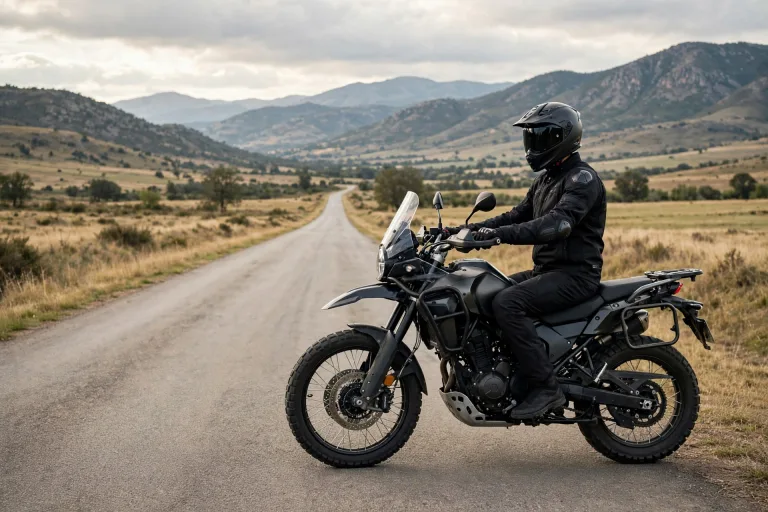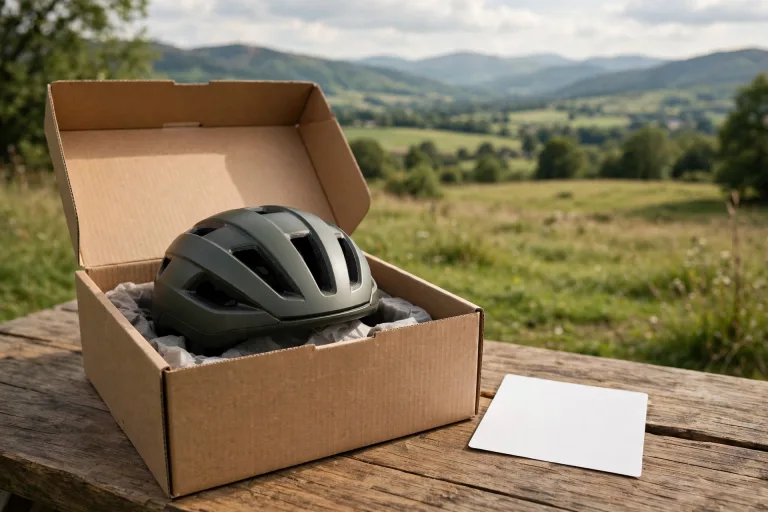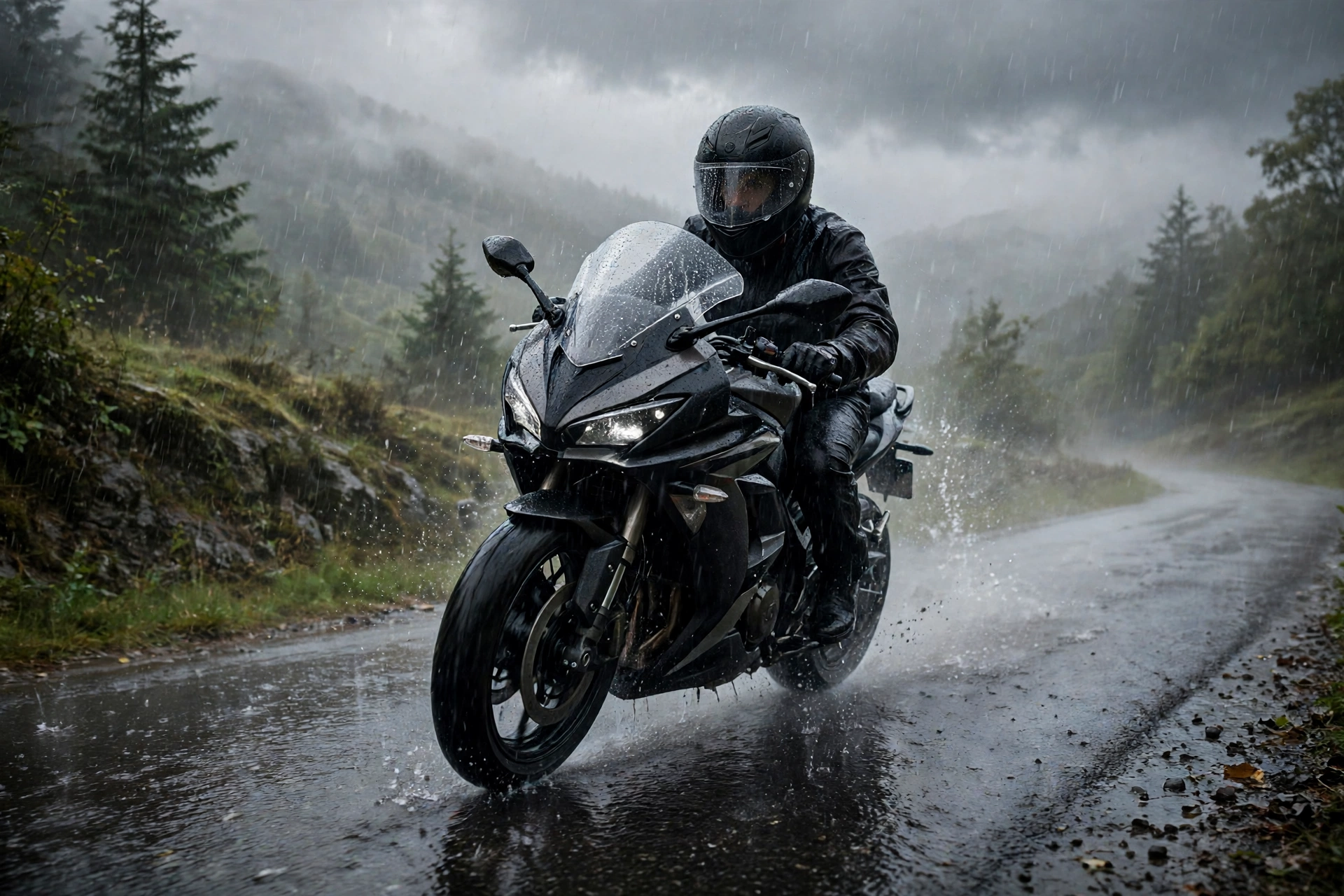
To choose a helmet for rain, pick a helmet with a sealed shell, a visor or peak that keeps water out of the eyes, good ventilation that does not let rain in, and a fit that stays secure when wet, and in general terms a full-face helmet with a clear visor is the best choice for riding in the rain. Rain changes the way a helmet works. Water gets into vents, fogs the visor, and soaks the lining, and a helmet that is fine on a dry day can become uncomfortable and hard to see through in a downpour.
Riding in the rain is a fact of life for many riders, from daily commuters to long-distance tourers. A helmet is the rider’s first defence against the weather, and the wrong one can turn a wet ride into a miserable one. The right one keeps the rain out of the eyes, keeps the head dry enough to stay warm, and keeps working even when the rain is heavy and the road is wet.
Why does rain make helmet choice important?
Rain makes helmet choice important because water affects vision, warmth, and comfort all at once. The most serious problem is the visor. Rain on a visor scatters light and blurs the view, and when the visor also fogs up from the rider’s breath, it can become very hard to see the road. A helmet that keeps the rain off the visor, or that has a visor that sheds water well, makes a real difference to safety.
Water also gets into the helmet through vents and gaps around the edges. Once the lining is wet, it becomes cold and heavy, and the rider’s head loses warmth quickly. A wet lining can also chafe and smell, and it takes a long time to dry out. A helmet with vents that can be closed, or that are shaped to keep rain out, stays drier for longer.
What type of helmet is best for riding in the rain?
The best type of helmet for riding in the rain is, in general terms, a full-face helmet with a clear visor and a good seal around the edges. A full-face helmet covers the whole head and face, so rain cannot reach the eyes, the cheeks, or the chin. The visor closes over the face and, when it is in good condition, keeps the rain out while the rider can still see clearly.
An open-face helmet can be used in the rain, but it leaves the face exposed, and rain on the face at speed stings and makes it hard to keep the eyes open. A rider using an open-face helmet in the rain should wear goggles or glasses with a good seal, and should expect to get wet. A modular helmet, which flips up at the front, can work well in the rain when it is closed, and it has the advantage of being easy to open at a stop without taking the helmet off.
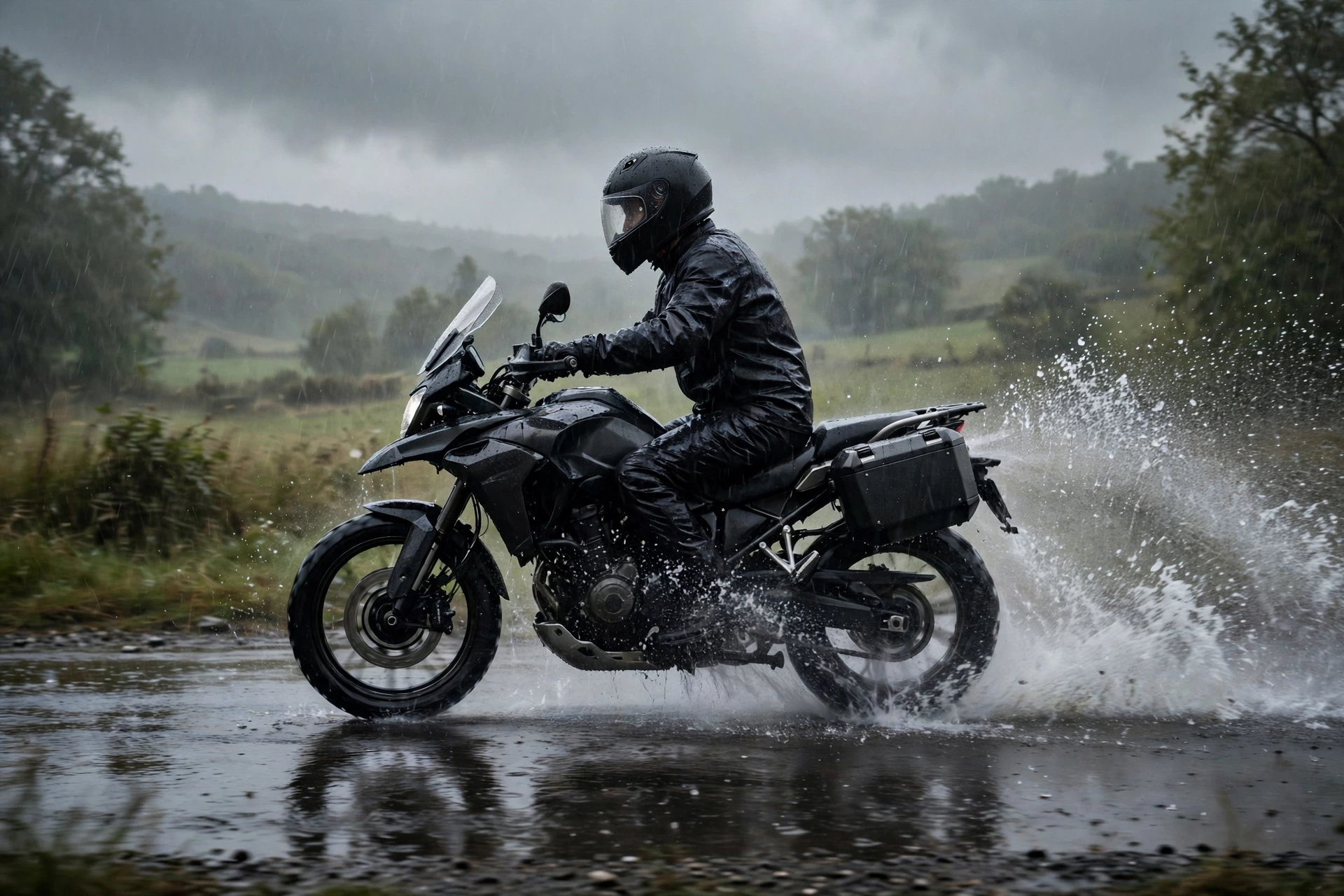
What should you look for in a rain helmet?
When choosing a helmet for rain, the first thing to look for is a visor that sheds water and resists fogging. A visor with a water-repellent coating, often called a hydrophobic coating, lets rain bead up and blow off at speed, so the rider can see through it more easily. An anti-fog insert, such as a Pinlock insert, sits inside the visor and stops it from fogging up from the rider’s breath, which is a common problem in cold rain.
The second thing to look for is ventilation that can be controlled. Vents that open and close let the rider shut out the rain when it is heavy and open the vents again when it eases, so the helmet does not become hot and stuffy. Vents that are shaped to keep water out even when open are a bonus, and a helmet with a chin vent that can be closed is useful in heavy rain.
How do you keep a visor clear in the rain?
Keeping a visor clear in the rain starts with the visor itself. A clean visor sheds water better than a dirty one, so the visor should be washed with mild soap and water and dried with a soft cloth before a ride. Scratches on a visor make the rain scatter more, so a scratched visor should be replaced, not polished, because polishing can make the scratches worse.
A water-repellent treatment can be applied to the outside of the visor to help rain bead and blow off. These treatments are sold as sprays or wipes, and they need to be reapplied from time to time. An anti-fog insert on the inside of the visor deals with the other problem, which is fogging from the rider’s breath. The insert should be fitted correctly and kept clean, because a dirty insert can fog more than a clean one.
How should a rain helmet be looked after?
A helmet used in the rain should be looked after by drying it out properly after every wet ride, because a helmet that stays damp will smell, and its lining and foam can break down sooner. After a ride, the helmet should be left open in a place with good airflow, with the visor open and the vents open, so the lining can dry. It should not be put away wet in a bag or a closed cupboard.
The rider should also check the visor seal and the vents from time to time, because a worn seal lets more water in and a blocked vent lets less air through. Riders who are choosing a new helmet may also want to read about safety features that help in a fall, including MIPS, a system designed to reduce rotational forces in some helmets. A helmet that is dry, clean, and well looked after will keep working in the rain, ride after ride.
Can any helmet be used in the rain?
Yes, in general terms, any helmet in good condition can be used in the rain, because helmets are made to be used outdoors. A full-face helmet with a clear visor and a good seal is simply more comfortable and easier to see through in heavy rain.
Should you wear a rain cover over a helmet?
A rain cover can help, especially on a cycling helmet with large vents, because it keeps water out of the vents and off the lining. On a motorcycle helmet it is less common, and a cover should never block the vents or the visor.
How do you stop a visor from fogging in the rain?
An anti-fog insert is the most effective fix, in general terms, and opening a vent or lifting the visor a crack at low speed also helps. A clean visor fogs less than a dirty one, so regular cleaning matters too.

Olivia
Writer at Helmet Today, covering helmet reviews, fit and riding safety.