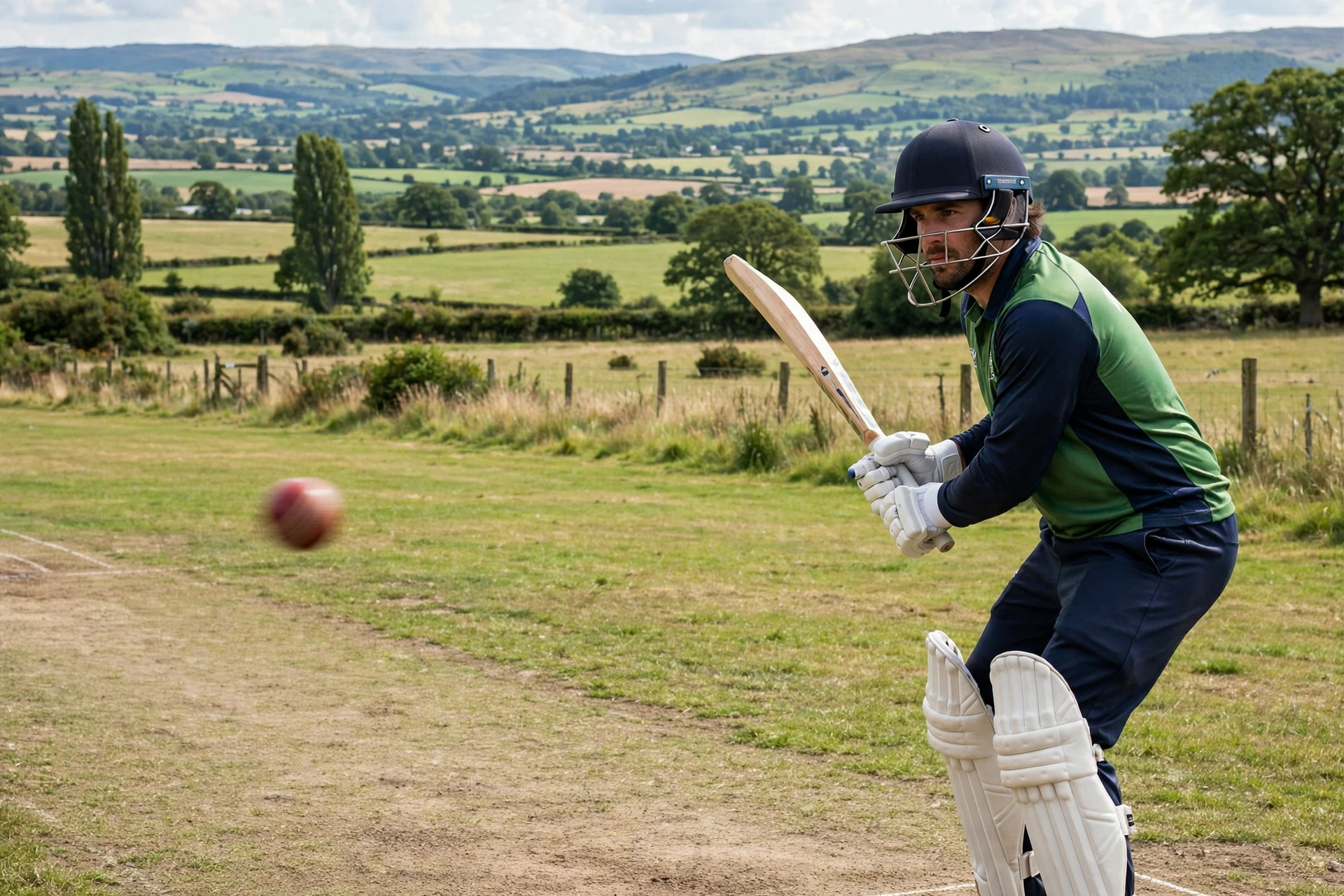
Effectively, yes: on a modern cricket helmet, the grill is not an optional extra — it is part of the helmet. Current cricket helmets are designed, tested, and certified as one unit with their grill fitted (under the BS 7928 standard, in general terms), so a certified helmet worn without its grill is no longer the certified product. And in professional and most organized cricket, batters — plus wicketkeepers standing up to the stumps and close fielders — are required to wear a compliant helmet in many competitions.
The rules can look confusing because they come from several layers: the helmet standard itself, international playing conditions, and each national board’s regulations. Here is how they fit together.
Is the Grill Part of the Helmet, or an Optional Add-On?
On older helmets from decades past, the grill could feel like an accessory you clipped on. That is not how modern helmets work. Today’s cricket helmets are certified as a complete system: shell, padding, and grill tested together. The grill’s spacing, strength, and the gap between the grill and the helmet’s peak are all part of what gets assessed, because a ball striking the grill must be stopped or deflected without the grill deforming into the face.
That has two practical consequences:
- Never play with the grill removed. Without it, the helmet offers no face protection at all and is no longer being used as certified.
- Never swap in an uncertified grill. A grill from a different model — even the same brand — may fit the screw holes but change the protective gaps and angles. Only use the grill the helmet was supplied or certified with, and replace a bent grill with the correct part.
If a grill is damaged, the safe move is to replace the grill with the manufacturer’s specified part or retire the helmet, not to bend it back into shape and carry on.
Who Must Wear a Helmet in Organized Cricket?
Requirements vary by competition, but across professional and most organized cricket the pattern is consistent. Helmets are generally mandatory for:
- Batters facing bowling — the highest-risk role, and the one every major rule set covers.
- Wicketkeepers standing up to the stumps, close behind the batter where deflections arrive fastest.
- Close fielders in positions near the bat, such as short leg or silly point, in many competitions.
At international level, the ICC’s playing conditions require compliant helmets in these situations, and national boards apply their own regulations below that. England’s board, for example, mandates helmets meeting the current British Standard for batters and certain fielding positions in the adult game, with the strictest rules of all in junior cricket, where helmets are compulsory for young batters, keepers standing up, and close fielders. Other countries’ boards have broadly similar frameworks, though exact ages, positions, and formats differ.
The key point for any player: in organized cricket, “do I have to wear one?” is answered by your competition’s rules, not by personal preference — and those rules overwhelmingly say yes for the exposed positions.
Why Do the Rules Insist on a Certified Helmet With Its Grill?
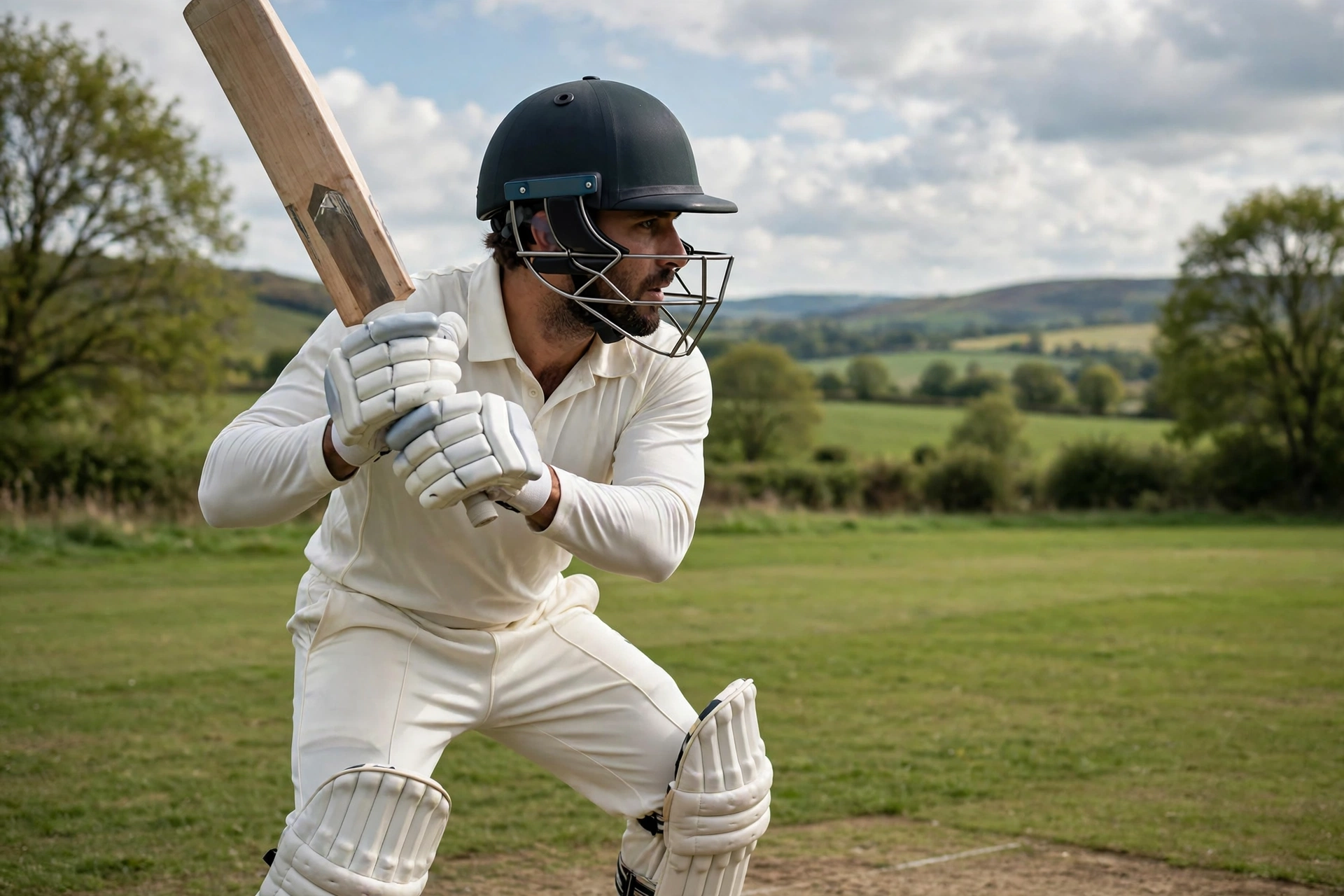
The reasoning is straightforward: a cricket ball is hard, heavy, and can be delivered at very high speed, and even at club level it reaches the batter faster than human reaction can fully handle. Head and facial injuries in cricket have historically come from balls squeezing through too-wide grill gaps, grills bending on impact, or peaks sitting too far from the grill. Modern standards were tightened specifically to close those gaps — literally.
A certified modern helmet addresses this as a system:
- The grill is fixed at a tested distance from the face.
- The gap between the peak and the top of the grill is limited so a ball cannot pass through.
- The grill is made and mounted to withstand impacts without collapsing inward.
- The shell and lining manage the energy of impacts to the head itself.
This is also why officials and coaches will stop a player using an old, pre-standard helmet or one with a homemade repair: on paper it looks like a helmet with a grill, but it has not been shown to perform as one. Helmet technology detail varies by sport — for a look at how another impact system works, see our explainer on MIPS and rotational impact protection.
What About Casual and School Cricket?
Outside organized competition — a friendly game in the park, a backyard match — there is usually no official enforcing helmet rules, and the choice is formally yours. The sensible choice, though, is the same gear the rules require: a certified helmet, grill fitted, whenever batting against a hard ball, and for a keeper standing up.
Schools and junior clubs sit between the two worlds and generally follow their national board’s junior guidance, which is the strictest of all: young players have less developed reaction and avoidance skills, so helmets are typically compulsory for batting and close fielding from an early age. If you coach or organize youth cricket, treat the board’s junior helmet rules as the minimum, not a suggestion.
A practical rule of thumb at any level: the harder the ball and the faster the bowling, the less optional the helmet becomes. Against a tennis ball, most players skip it. Against a real cricket ball, the certified helmet and grill should be on.
How Do You Check Your Helmet and Grill Are Legal and Safe?
Before a season — and after any blow to the helmet — run through this checklist:
- Check the standard label. Look for the certification marking inside the helmet showing it meets the current standard, and buy only from reputable cricket retailers.
- Inspect the grill. It should be straight, firmly fixed, with no bent bars, cracks at the mounts, or widened gaps.
- Check the fit. The helmet should sit snugly with the peak roughly level; the grill should not touch your face, and there should be no large gap between the peak and the grill. Our general helmet guidance applies here too: no rocking, no slipping when you move your head.
- Adjust the chin strap. It keeps the helmet positioned in an impact — snug, not loose.
- Retire damaged helmets. A helmet that has taken a serious blow, has a cracked shell, or has a deformed grill has done its job once. Replace it rather than trusting it twice.
If you are unsure whether your helmet complies with your league’s rules, ask the league or your board before the season starts. Umpires can and do prevent players from batting in non-compliant helmets, and discovering that at the toss helps nobody.
Frequently Asked Questions
Q: Are grills mandatory on cricket helmets?
A: On modern helmets, the grill is an integral, certified part of the helmet, not an option — playing without it means the helmet is not being used as certified. In organized cricket, wearing the full certified helmet is mandatory for batters and several other positions anyway.
Q: Can I remove the grill or fit a different one?
A: No. Never play with the grill removed, and only ever use the grill the helmet was certified with. A different or bent grill changes the tested protection. Replace damaged grills with the manufacturer’s correct part or replace the helmet.
Q: Do wicketkeepers and fielders have to wear helmets too?
A: In many competitions, yes — wicketkeepers standing up to the stumps and close fielders are required to wear compliant helmets under ICC playing conditions and national board rules, with junior rules typically the strictest. Check your league’s current regulations.

Olivia
Writer at Helmet Today, covering helmet reviews, fit and riding safety.