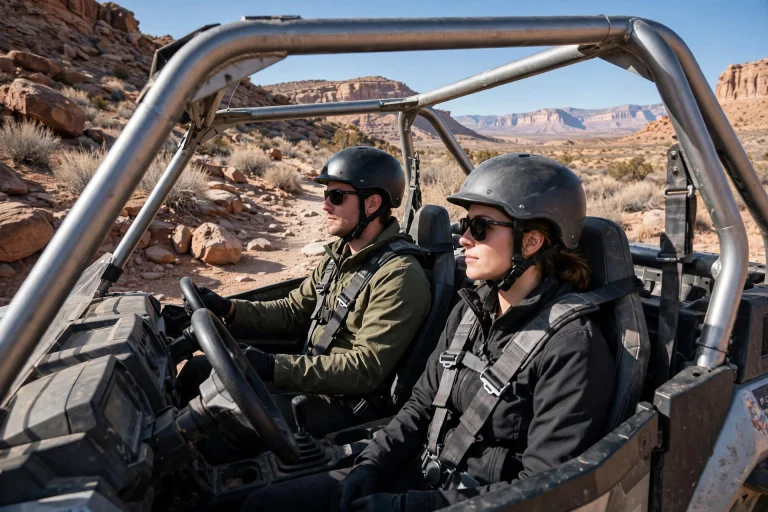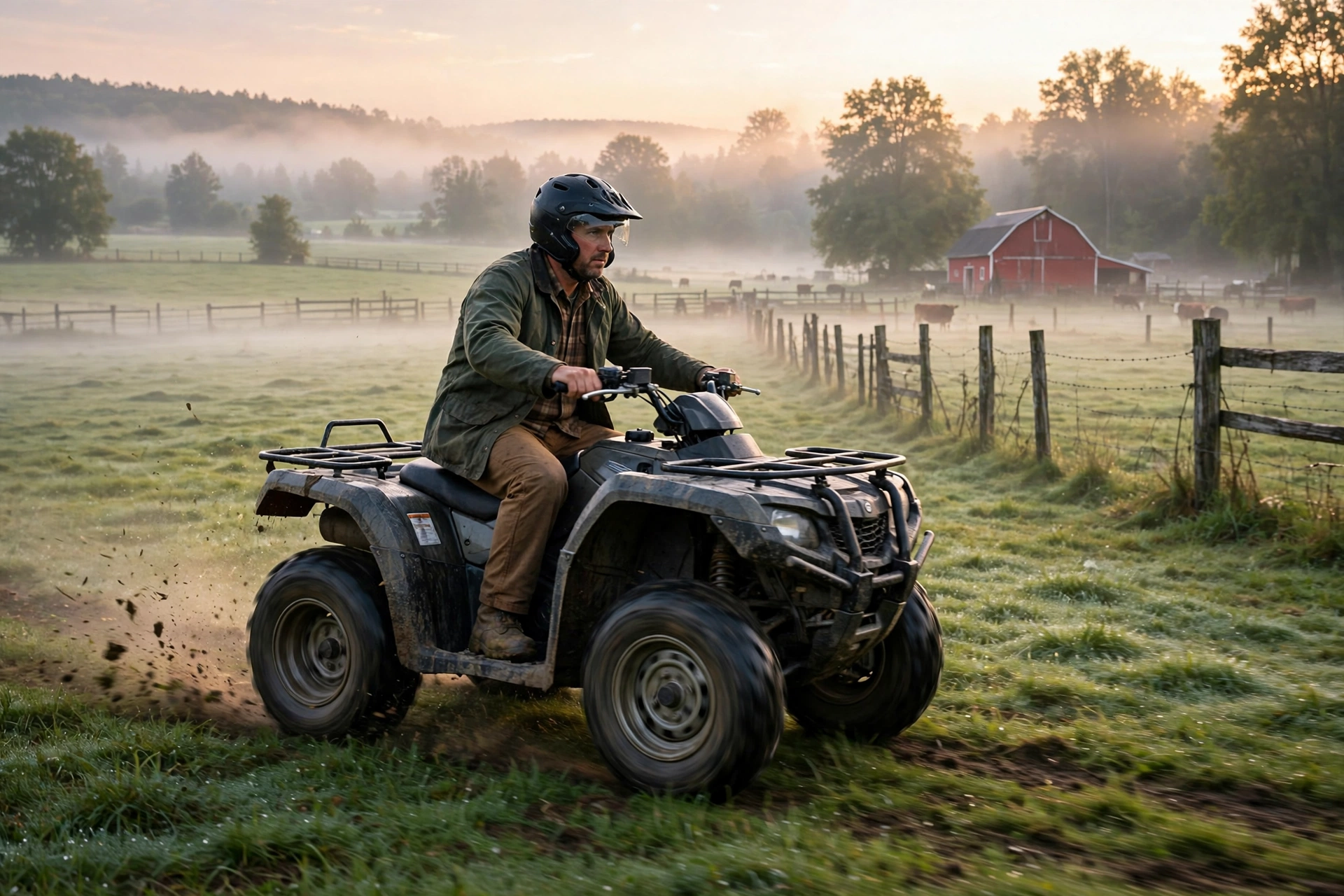
Yes — you should wear a helmet for farm and ranch ATV work, even at chore speeds on your own land. Most serious farm ATV injuries happen during routine jobs at modest speeds, not wild riding, and a helmet is the simplest protection you can put on. In general terms, workplace safety guidance and many landowner and employer policies expect head protection on work ATVs, and the physics of a rollover does not care whether you were working or playing.
Farm quads feel safe because the work feels slow and familiar. This guide explains why that familiarity is exactly the trap, what the rules generally say, and how to pick a helmet you will actually wear through a working day.
Why Is Farm ATV Work Riskier Than It Looks?
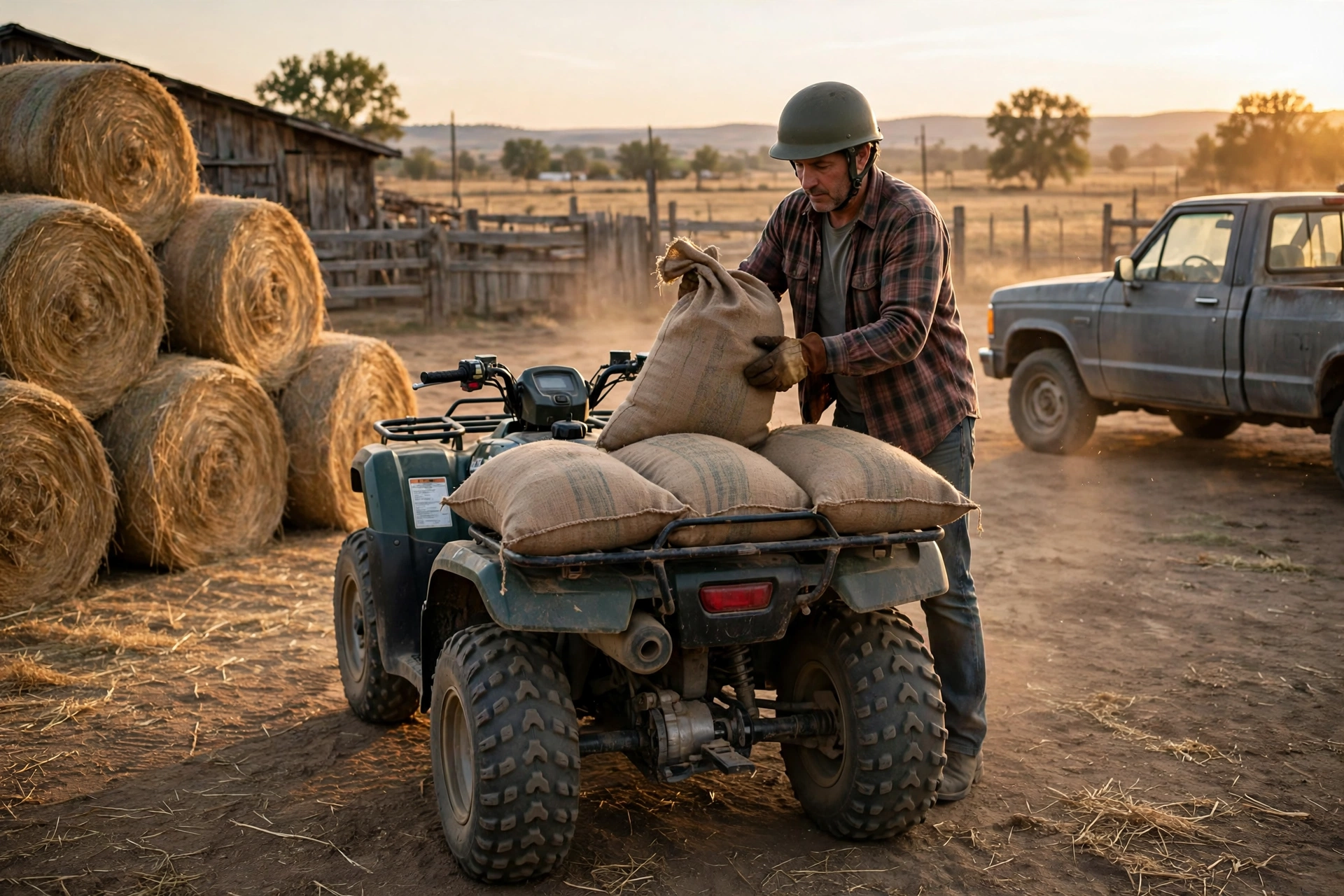
Farm ATV work combines several quiet hazards: slopes, ruts, hidden holes, creek crossings, and loads that shift. A sprayer tank, a hay bale, or a loaded rear rack raises the machine’s centre of gravity and makes a rollover more likely, especially on side slopes and rough paddocks.
Speed is not the main factor in most rollovers — geometry is. An ATV that tips at walking pace still brings several hundred pounds of machine down with it, and the rider’s head can strike the ground, a fence post, a rock, or the machine itself. Low speed reduces some risks; it does not remove head injury risk.
Familiarity adds one more. The thousandth trip up the same track invites less care than the first, gates get opened one-handed, and helmets get left on the hook “just for this quick job.” Most farm incidents happen on exactly those quick, routine jobs.
What Do the Rules Say About Helmets for Work ATVs?
In general terms, the picture depends on where you are and who you work for. Many jurisdictions have helmet laws that apply on public roads and trails, while private land is treated differently — but workplace safety rules often apply to farm work regardless of land ownership, and employers are commonly expected to provide and require protective equipment for ATV tasks.
Insurance and liability point the same way. If an employee, contractor, or young helper is hurt on your machine without basic protective gear, the questions afterwards are uncomfortable ones. Requiring helmets for anyone who rides the farm ATV — family included — is the simplest position to defend.
Exact requirements, age rules, and road-use laws vary a great deal by state and country, so check your local rules rather than relying on general guidance. But no rule anywhere says a helmet is a bad idea, and the safest reading of any guidance is to wear one.
What Kind of Helmet Suits Farm and Ranch Work?
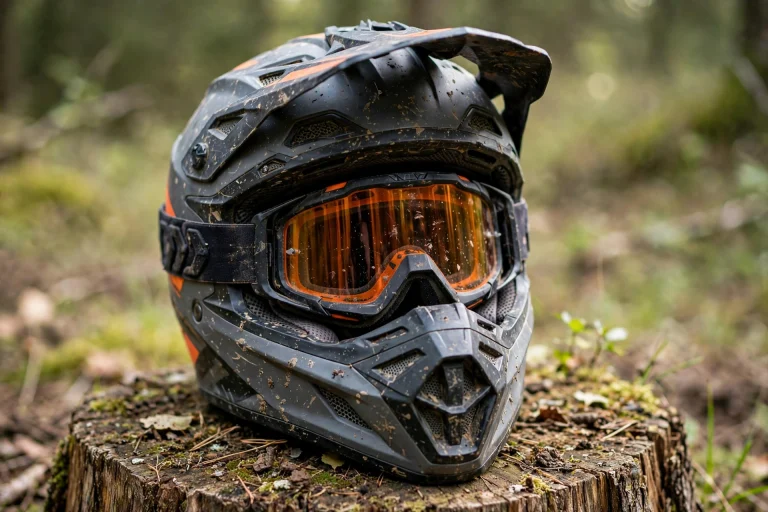
Choose a certified off-road or dual-sport helmet that fits snugly and is comfortable enough for hours of wear. A peak helps with sun and low branches, good venting matters in summer, and a design that works with goggles or a flip-up shield keeps dust and insects out of your eyes during spraying, seeding, and mustering.
Weight and convenience matter more on a farm than on a trail ride. A helmet that is quick to buckle, easy to hear through, and comfortable in heat is one that stays on between the yard, the paddock, and the back fence. If a full-face helmet feels like too much for stop-start chores, a quality open-face or convertible design is still far better than none.
Look at how the helmet manages angled impacts too. Rollovers throw the head at the ground sideways, which is why many modern helmets include rotational-impact protection such as MIPS in the liner. Whatever style you choose, certification and fit come first.
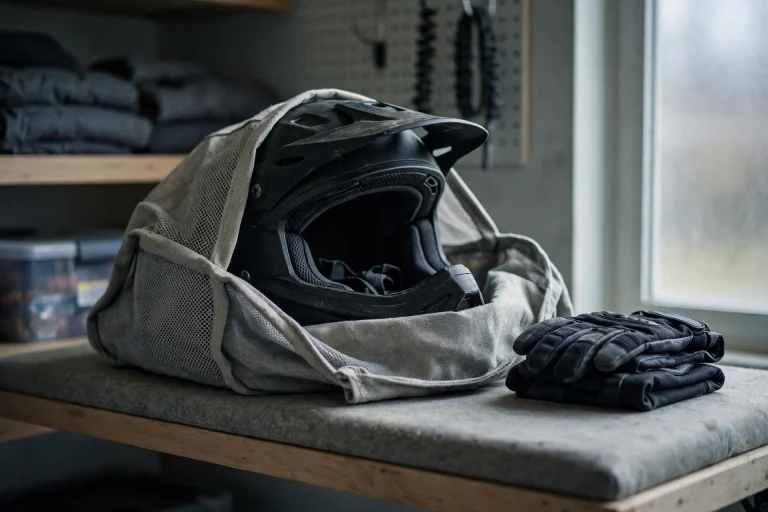
Farms with staff should think in plural: a small range of sizes kept at the shed, cleaned between users, covers employees, contractors, and visitors far better than one shared helmet that fits nobody properly. A helmet that is two sizes too big is its own hazard, and “the farm helmet” that lives on a nail is usually exactly that.
How Do You Make Helmet Use Practical During Chores?
Keep the helmet with the machine. A helmet that lives on the ATV’s rack or on a hook beside the keys gets worn; one stored in the house gets skipped. Many farms keep a couple of sizes by the shed door so workers and visitors are covered without a search.
Match the helmet to the job rhythm. If you are hopping off every few minutes to open gates or check stock, a quick-release buckle and a flip-up chin bar make life easier and remove the temptation to ride “just this bit” without it. Put the helmet on before starting the engine and make that the habit, not the exception.
Set the rule for everyone, including experienced riders — especially experienced riders, since they do the most hours. Farms that treat the helmet like seatbelts in the ute, non-negotiable and unremarkable, are the farms where it actually gets worn.
What About Passengers and Young Helpers on the Farm?
In general terms, most ATVs are designed for one rider only, and carrying passengers on a single-seat machine — especially on the rear rack — is a recognised rollover and ejection risk. If someone must ride, they need a properly fitted helmet too; the passenger has even less control than the driver.
Young helpers deserve particular care. Age and size guidance for ATV use exists in general terms in most regions, and a child should never ride a full-size farm quad that does not fit them. A helmet sized for a child’s head — not a padded-out adult helmet — is the minimum starting point.
The honest summary: the farm quad is a work vehicle with real rollover risk, and everyone who gets on it should be helmeted, every time, including the short trips.
Frequently Asked Questions
Q: Do I legally need a helmet to ride an ATV on my own farm?
A: It depends on your jurisdiction and whether the riding counts as work. In general terms, road and workplace rules often require helmets even where private-land recreation does not, so check local rules — and wear one regardless.
Q: Is a helmet really needed at low farm speeds?
A: Yes. Rollovers at low speed still throw your head into the ground or the machine, and most farm ATV incidents happen during slow, routine jobs rather than fast riding.
Q: What helmet style is best for farm work?
A: A certified, snug-fitting off-road or dual-sport helmet you find comfortable for long wear. Quick buckles, good venting, and eye protection make it practical for stop-start chores.

Olivia
Writer at Helmet Today, covering helmet reviews, fit and riding safety.