DOT, ECE, and Snell are three different ways of deciding whether a motorcycle helmet is protective enough to sell or to trust. DOT is the United States standard, FMVSS 218, and it works on manufacturer self-certification. ECE 22.06 is a type-approval standard used in Europe and many other countries, meaning helmets are tested before they can be sold. Snell is a voluntary, independent standard that manufacturers choose to submit to, and it is generally considered a demanding extra test on top of legal approval.
None of these labels, by itself, guarantees how a helmet will perform in your crash. Fit, condition, and actually wearing it matter enormously. The labels do tell you who tested the helmet, when, and for which market.
DOT: The United States FMVSS 218 Standard
DOT stands for the Department of Transportation. A helmet sold for road use in the United States must meet Federal Motor Vehicle Safety Standard 218, usually written as FMVSS 218. The standard sets requirements for impact absorption, penetration resistance, the retention system, and peripheral vision, and it defines exactly where the DOT symbol must appear on the helmet.
The key detail is how compliance works. Under the DOT system, the manufacturer tests its own helmets and certifies that they meet the standard. The government can buy helmets from shops and test them afterwards, and it can take action if a model fails, but there is no government approval granted before the helmet goes on sale. This is called self-certification, and it is how many US safety products are regulated.
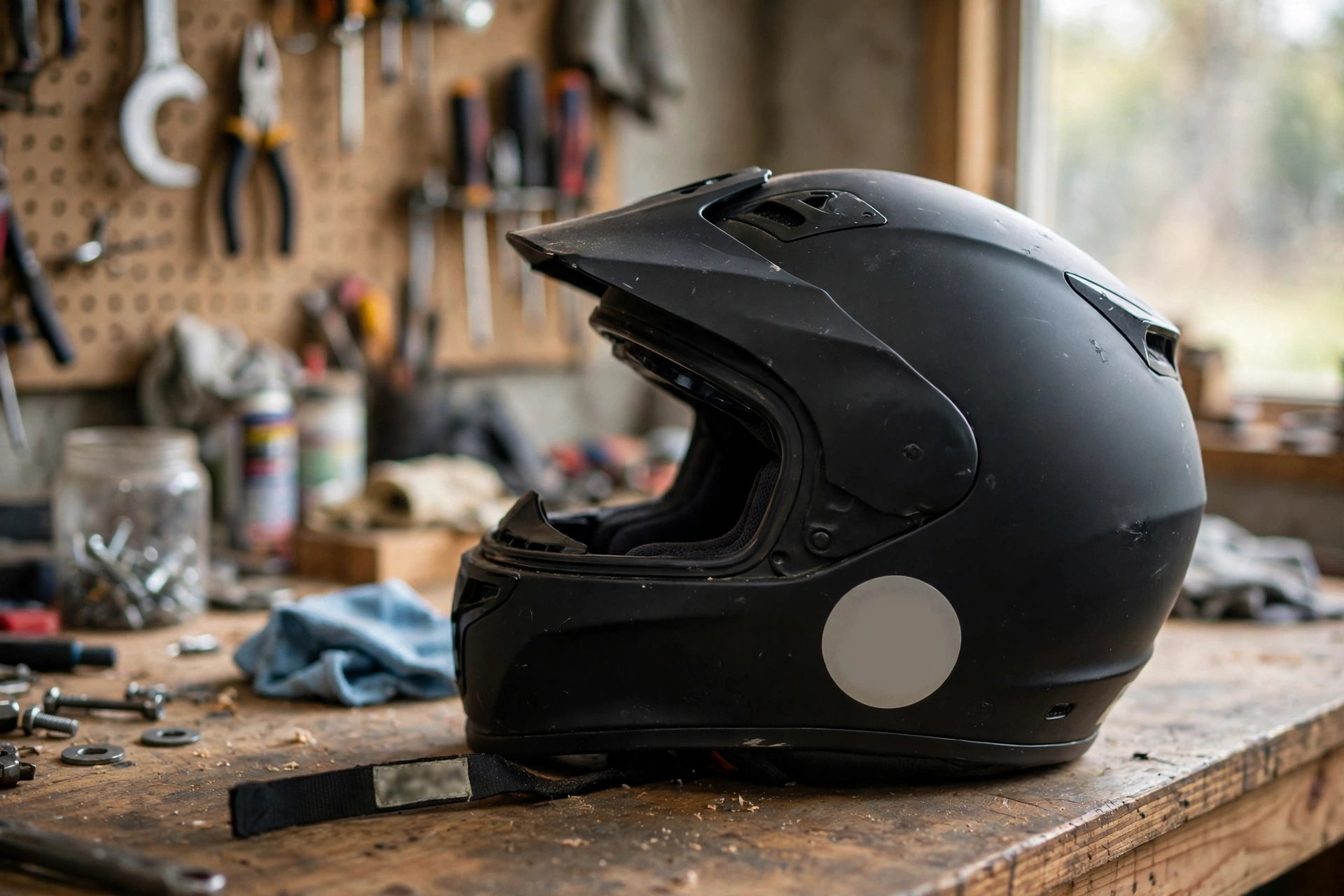
For buyers, the DOT sticker needs common sense around it. Novelty helmets with fake or misleading stickers exist, so buy a known brand from a reputable shop. A real DOT-compliant helmet has substantial energy-absorbing foam inside; a thin novelty shell with almost no liner is a warning sign.
ECE 22.06: Tested and Approved Before Sale
ECE standards come from the United Nations Economic Commission for Europe. The current motorcycle helmet regulation is ECE 22.06, which replaced the older 22.05 version. Helmets approved under it are sold legally across Europe and are accepted in many other countries around the world.
The biggest difference from DOT is the approval process. With ECE, samples of a helmet model are tested by an approved laboratory, and the model is type-approved before it can be offered for sale. Production can also be checked afterwards to make sure helmets leaving the factory still match the approved design. In other words, an independent body is involved up front, not only if a problem appears later.
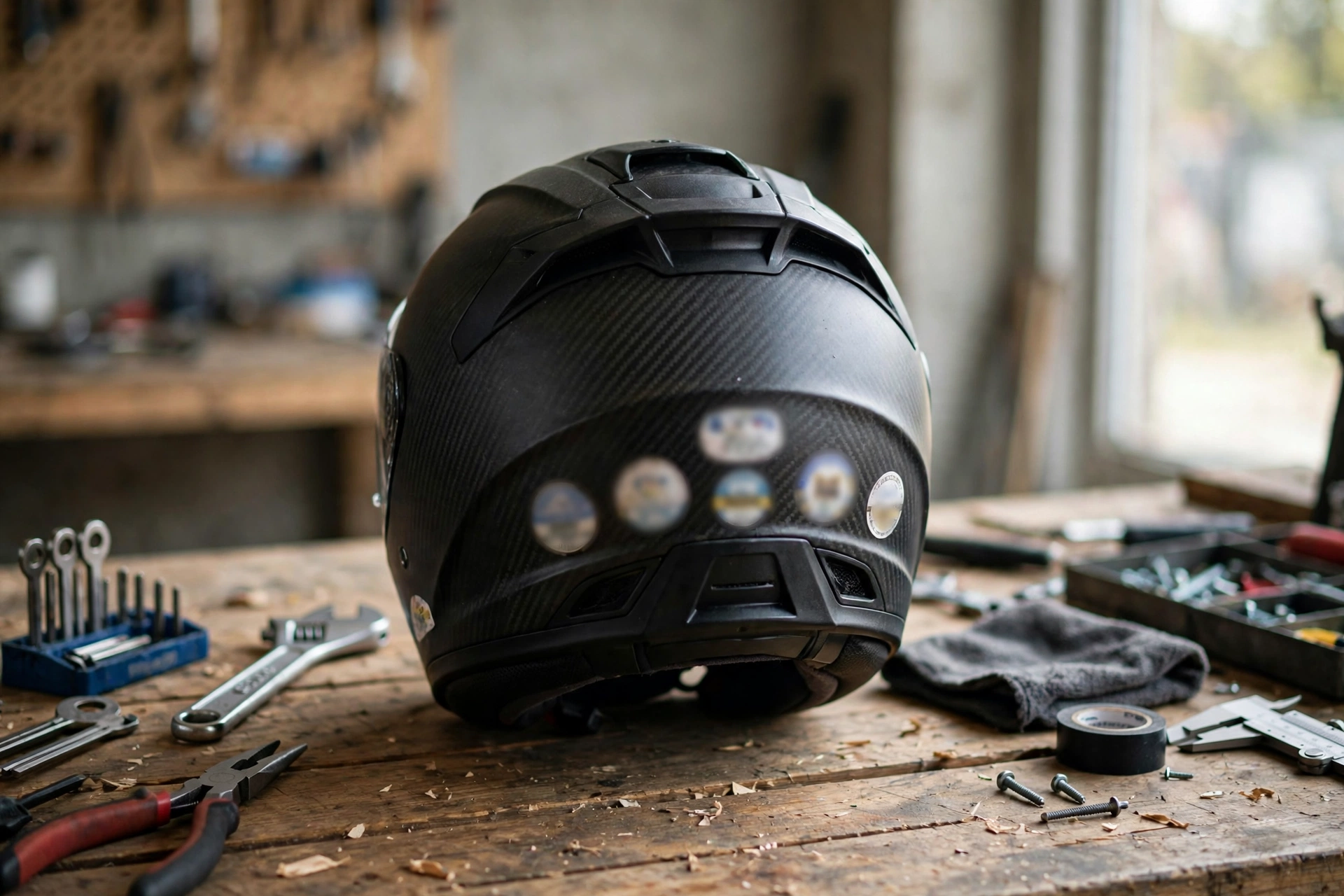
The 22.06 update added impacts at additional points and angles, including rotational impact testing using oblique impacts, and covers accessories such as sun visors more completely. An ECE label is usually a white label sewn onto the chin strap. For riding in Europe, ECE 22.06 is the label you need.
Snell: A Voluntary Extra Standard
The Snell Memorial Foundation is a non-profit organization named after racing driver William “Pete” Snell. Unlike DOT and ECE, Snell is not a government regulation and no law requires it. Manufacturers voluntarily send helmet models to Snell for testing, pay for the programme, and earn the right to use the Snell label if the model passes.
Recent Snell motorcycle standards include M2020 and M2025. Snell buys samples for ongoing certification testing as well as testing submitted helmets, and certified models are listed publicly, so you can verify a model on Snell’s own list rather than trusting packaging alone. Riders and racing organizations that ask for Snell certification usually do so because they want a standard set independently of both government minimums and manufacturer marketing.
Snell certification applies to specific models, so one certified helmet does not certify the rest of a brand’s range. A good ECE 22.06 helmet without a Snell label is still fully legal and independently approved.
DOT vs ECE vs Snell: Side by Side
The simplest way to compare the three is to look at who requires the test, who performs it, and when it happens.
| Point | DOT (FMVSS 218) | ECE 22.06 | Snell (M2020 / M2025) |
|---|---|---|---|
| Type of standard | US government safety standard | International regulation used in Europe and beyond | Voluntary independent standard |
| Who certifies | Manufacturer self-certifies | Approved authority after laboratory testing | Snell Foundation after its own testing |
| Tested before sale | No pre-sale government approval | Yes, type approval before sale | Yes, model must pass before using the label |
| Where the label sits | Sticker on the back of the shell | Label sewn on the chin strap | Sticker inside the helmet |
| Legally required | Required for road helmets in the US | Required in countries that follow ECE rules | Not legally required anywhere |
| Common extra value | Baseline US legality | Rotational impact testing in 22.06 | Often requested by racing organizations |
Many quality helmets carry more than one approval, for example DOT and ECE. Dual approval is reassuring, but it does not replace trying the helmet on.
Which Label Do You Legally Need?
Legality follows the place you ride, not the place you bought the helmet. In the United States, a road helmet must meet DOT requirements. An ECE-only helmet bought while travelling may be excellent but may not satisfy a US equipment law. In most of Europe the position is reversed: ECE approval is required, and a DOT-only helmet does not count.
Racing is separate again. Track day organizers and racing series set their own requirements, and may ask for Snell certification or a recent ECE version. Read the organizer’s current rules before choosing, and keep the label readable, because officials may check it.
If you are unsure about your state, start with the national picture first and then check your local equipment rules before a long trip or an event.
Buying advice beyond the sticker
Choose fit before labels. A certified helmet that is a size too large can move on your head in a fall, and a helmet that causes headaches will end up on a shelf. The right helmet feels snug all around, with no hard pressure point, and it should not roll forward or sideways when you shake your head with the strap fastened.
Then check condition and age. Buy new, look for the label in the correct place, and replace a helmet after a crash, following the maker’s guidance on service life. Sun visors and speaker pockets make a helmet nicer to live with, but the basics remain certification, fit, and wearing it on every ride.
Frequently Asked Questions
Is ECE safer than DOT?
They are different systems rather than a simple ranking. ECE 22.06 involves independent testing before sale and includes rotational impact tests, while DOT relies on manufacturer self-certification with government spot checks afterwards. Many riders prefer a helmet that carries ECE approval, DOT approval, or both.
Can a helmet be both DOT and Snell certified?
Yes. A model sold in the United States must meet DOT requirements, and the manufacturer can also submit it to Snell voluntarily. Check the exact model on Snell’s certified list, because certification does not transfer between models.
Is a DOT sticker enough to prove a helmet is legal?
Not always. Fake stickers on novelty helmets are a known problem. Buy a substantial helmet from a known brand and reputable shop, and check that the manufacturer’s label inside matches the model.

Olivia
Writer at Helmet Today, covering helmet reviews, fit and riding safety.