Yes, vent design makes a real difference on a summer commute — but it is not the raw number of vents that keeps you cool. What matters is how the intake ports at the front, the air channels molded inside the helmet, and the exhaust ports at the back work together to pull air across your scalp while you move. A well-designed helmet with fewer, larger, well-placed vents can easily out-cool a helmet covered in small decorative holes.
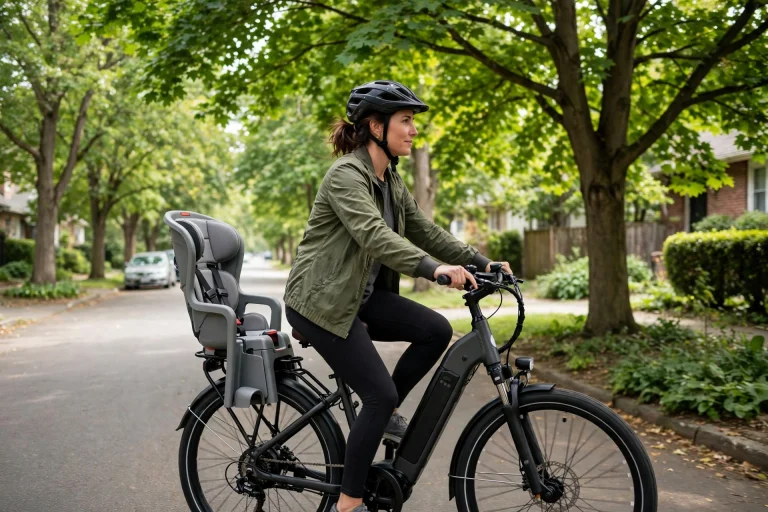
E-bike commuters have one advantage and one disadvantage in the heat. The advantage is steady speed: even gentle motor assistance keeps air moving when a regular rider would be grinding slowly uphill. The disadvantage is that commuting means traffic lights, business clothes, and no choice about riding on the hottest afternoons.
How Do Helmet Cooling Vents Actually Move Air?
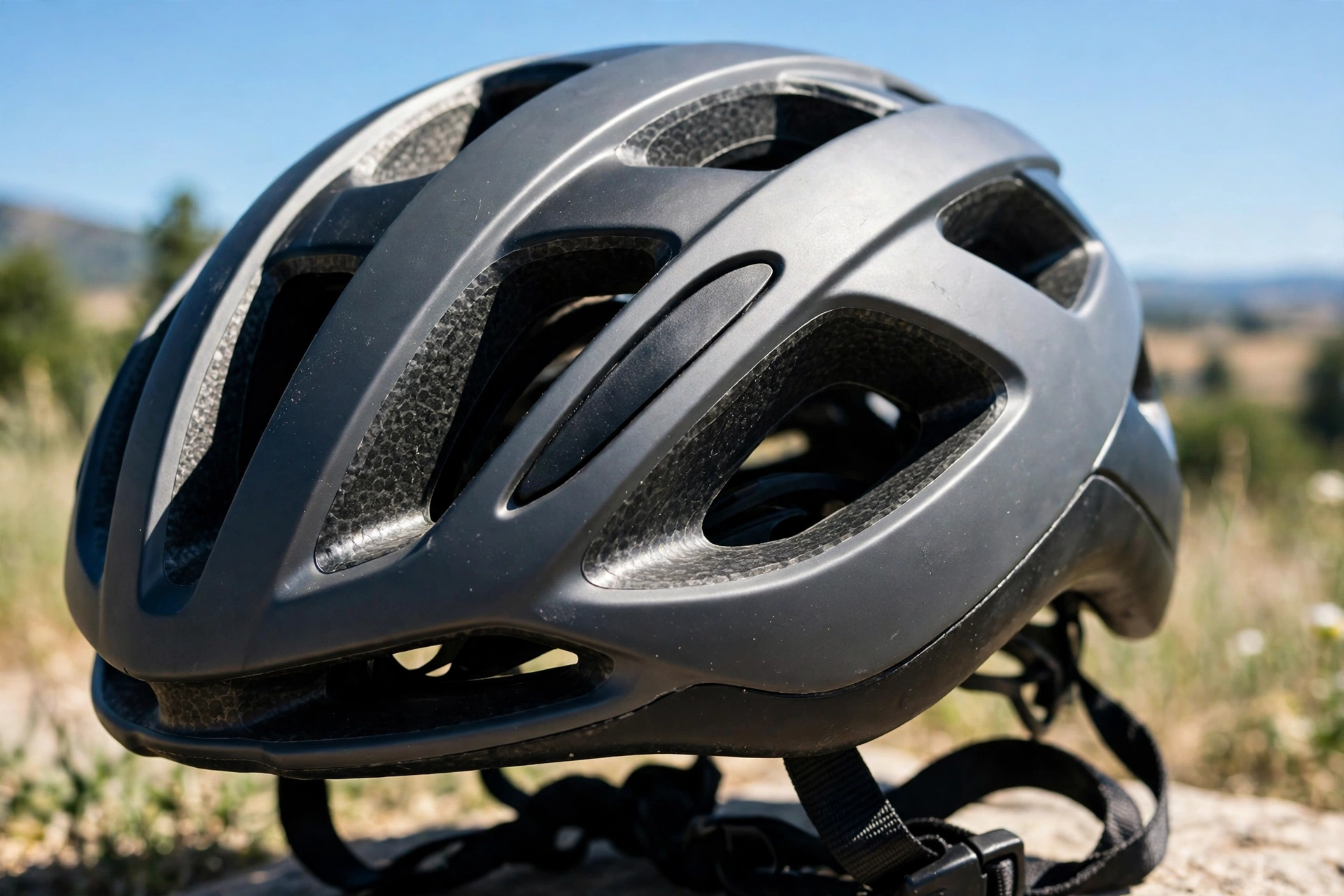
A vented helmet works like a simple scoop-and-exhaust system. As you ride, air pressure builds at the front of the helmet and enters the intake ports. Channels cut into the foam liner guide that air over the top and sides of your head, picking up heat and sweat vapor as it goes. Lower pressure behind you then draws the warmed air out through the rear exhaust ports.
This is why the system needs motion. At commuting speeds the flow is strong and continuous, and on an e-bike you hold that speed even into headwinds and up grades where a conventional rider slows to a crawl and loses airflow exactly when they are working hardest. Sweat evaporation does most of the actual cooling — the vents simply keep supplying dry air so evaporation can keep up.
When you stop at a light, airflow stops with you, which is why even the best-vented helmet feels warm in stationary traffic. Some heat then escapes upward by convection through the vents, but there is no way around the physics: a helmet cools best while you are rolling.
Does the Number of Vents Matter More Than Size and Placement?
No — placement and internal channeling matter more than the count on the spec sheet. Effective intakes sit low at the front, where they catch clean airflow before it is disturbed, and effective exhausts sit at the back where the low-pressure wake can pull air through. If the foam between them has deep, smooth channels, air travels the full length of the helmet. If the channels are shallow or blocked by padding, extra vents at the front just stir air near the surface. Vent design is one of several things happening inside that structure — rotational-impact liners are another, and our guide to what MIPS is and how it works explains how those fit into the picture.
Large vents also have a trade-off: they remove material, so designers balance vent size against coverage and structure, and every helmet that meets certification has passed the same impact tests regardless of vent count. For commuting specifically, look for vents you can reach and recognize by shape — deep front intakes, visible channel depth when you look inside, and generous rear ports.
One more detail worth knowing: some helmets include a fine mesh across the front vents to keep insects out — particularly welcome at e-bike speeds in summer. The mesh costs a little airflow, and on the hottest rides some riders prefer open vents. Neither choice is wrong; it depends on whether bugs or heat bother you more.

What Else Helps You Stay Cool on a Summer Commute?
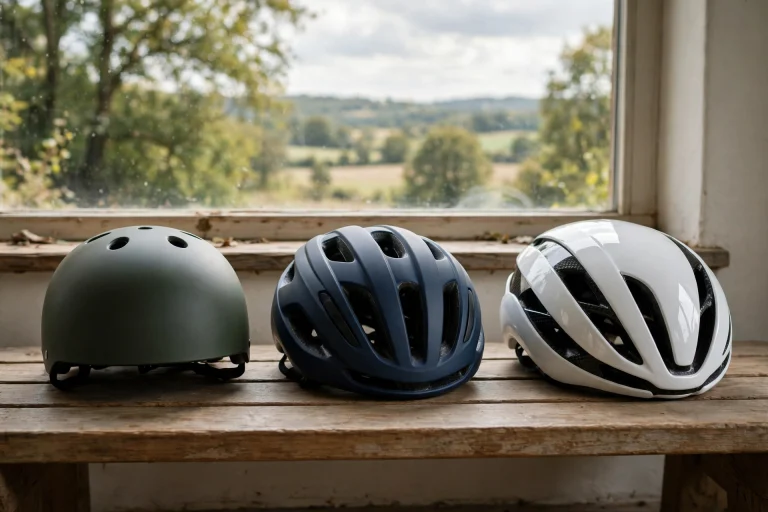
Color is the simplest lever. A white or light-colored shell reflects a meaningful share of the sun’s heat before it ever reaches the foam, while a black helmet in direct sun gets noticeably hotter at a standstill and in slow traffic. If you commute at midday in a hot climate, choose light colors first and vent design second.
Padding matters too. Thin, moisture-wicking pads move sweat away from your forehead instead of letting it drip into your eyes, and removable pads can be rinsed so they keep working instead of crusting with salt. A sweat-wicking skull cap or headband under the helmet is another cheap upgrade that many commuters swear by, as long as it is thin enough not to change the fit.
Finally, ride smart: a slightly easier assist level on the worst hills reduces how much heat your body produces in the first place, and an unzipped jersey plus a route with fewer long stops can matter as much as anything the helmet does.
Can You Make Your Current Helmet Cooler?
Often, yes. Start by making sure the vents are actually open and clear — dust, leaves, and dried sweat can block rear ports, and pads that have shifted can cover channel openings inside the helmet. Wash or replace tired pads so the channels sit as designed, and check that nothing you have added, like a thick winter liner, is still in place from last season.
What you must never do is modify the shell or foam: no drilling extra holes, no trimming foam, no sanding channels deeper. The foam liner is the protective structure, and holes or cuts change how it crushes in an impact. If your current helmet runs hot because of its basic design, the honest fix is a different helmet, not a modified one.
It is also worth checking fit while you are at it. A helmet jammed down tight with overly thick pads can seal the channels against your scalp. Sometimes swapping to the thinner pads the manufacturer supplied with the helmet opens the airflow back up while keeping the fit safely snug.
What Should You Look For When Buying a Ventilated E-Bike Helmet?
Look inside first: deep channels you can trace with a finger from front vents to rear exhausts are the strongest sign of a helmet that actually moves air. Then check for adjustable vent sliders if you ride year-round — closable vents make the same helmet workable on cold mornings, which suits commuters who do not want two helmets.
Bear in mind that some higher-speed e-bike helmets, including designs certified to the Dutch NTA 8776 standard for faster e-bikes in general terms, have fewer vents because they prioritize coverage. If your commute is on a faster Class 3 e-bike, you may trade a little airflow for that extra coverage — and the motor’s help means you are generating less body heat to begin with.
Fit still comes before everything. A cool helmet that shifts around is worse than a warm helmet that fits. Try candidates on in the shop, shake your head, and confirm the helmet stays level with the front edge just above your eyebrows — then enjoy the breeze.
Frequently Asked Questions
Q: Do more vents make a helmet less safe?
A: Not in itself. Helmets are certified as complete designs, so a highly vented helmet that carries the proper certification has passed the same impact requirements as a less vented one. The real safety risks come from poor fit or from modifying a helmet yourself.
Q: Why does my helmet feel fine while riding but unbearable at traffic lights?
A: Because vent cooling depends on moving air. At a standstill there is no intake flow, and heat builds quickly in direct sun. A light-colored shell, wicking pads, and unclipping your chin strap while you wait can all help a little.
Q: Are adjustable vents worth it for commuting?
A: For year-round commuters, usually yes. Sliders let you open everything up in July and close the helmet down on cold or wet mornings, so one helmet covers more of the year. If you only ride in summer, fixed open vents are simpler and work just as well in the heat.

Olivia
Writer at Helmet Today, covering helmet reviews, fit and riding safety.