For hot weather, choose an e-bike helmet with large, well-channeled vents, a light-colored shell, and a washable moisture-wicking liner — and make sure it still carries proper certification for your bike’s speed. Ventilation keeps you cool, but coverage and fit are what protect you.
Heat is the number one reason e-bike riders leave the helmet at home in summer, and that is exactly backwards: summer is peak riding season, with more traffic, more daylight miles, and more crashes. The good news is that a well-vented modern helmet feels dramatically cooler than the heavy lids many riders remember. Here is how cooling actually works in a helmet, and how to pick one you will wear in August.
How Does Helmet Ventilation Actually Work?
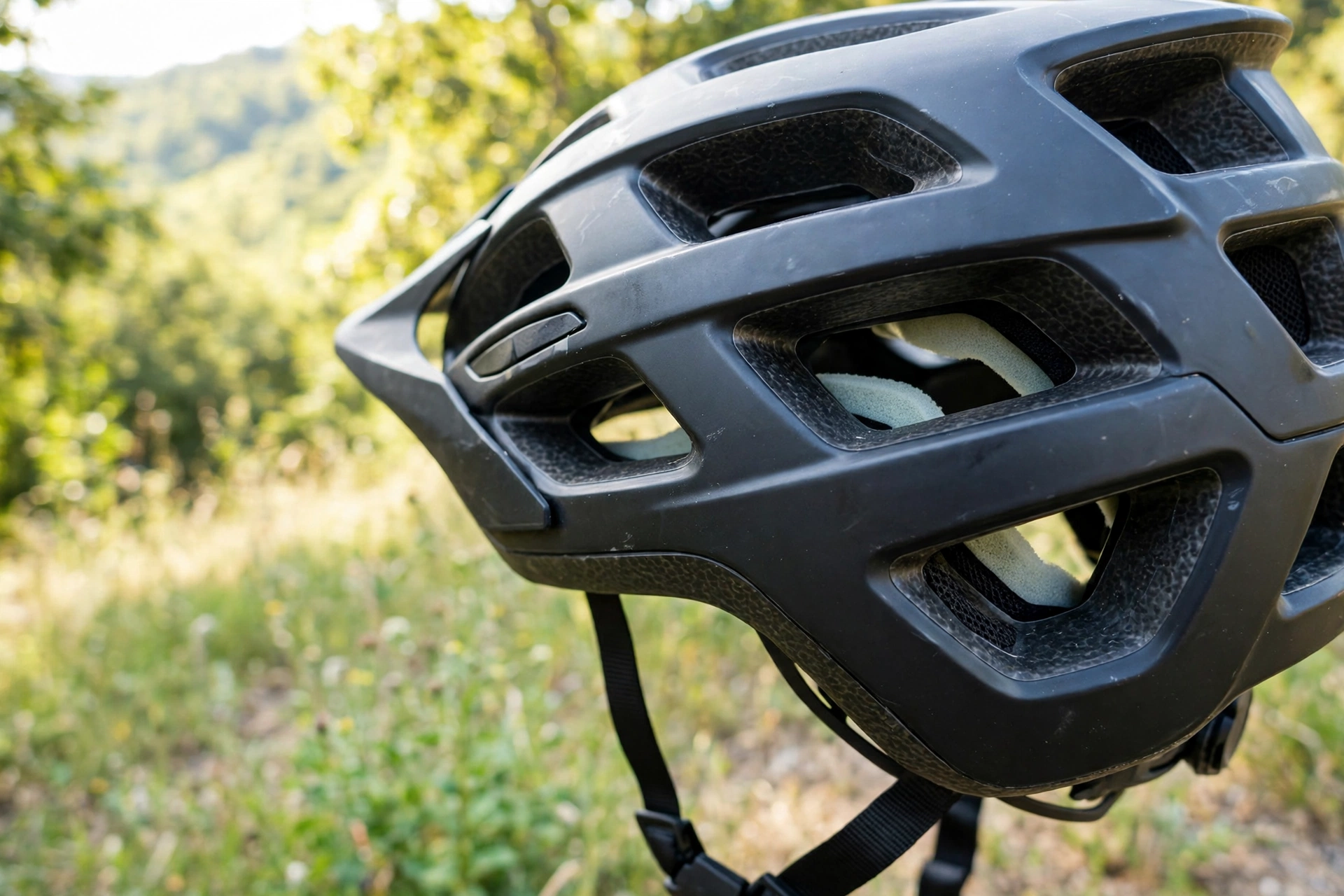
A helmet cools you by moving air, not just by having holes. Front intake vents scoop air as you ride, internal channels carved into the foam carry that air across your scalp, and rear exhaust ports let the warm air escape. It is the channeling — the connected path from front to back — that does most of the work.
E-bikes change the equation in your favor. Pedal cyclists generate cooling airflow by working hard on climbs, then lose it on slow sections. E-bike riders cruise at a steadier assisted speed, in general terms 15 to 20 mph on Class 1 and 2 bikes, which keeps air moving through the vents even when the rider is taking it easy.
Vent count alone is a poor guide. A helmet with a dozen small, unconnected holes can run hotter than one with fewer, larger vents linked by deep channels. When you shop, look inside the helmet: you should see clear grooves running front to back in the foam, not a smooth surface under a decorative shell.
What Features Matter Most in Summer Heat?
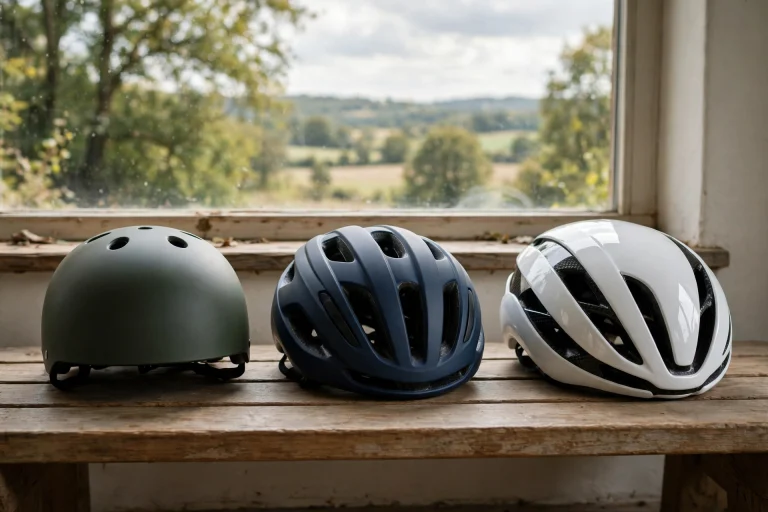
Start with the shell color. A white or light-colored helmet reflects more sunlight and can feel noticeably cooler in direct sun than a black one of the same design. It also makes you more visible at dusk, which is a useful side benefit.
Next, the liner. A removable, washable, moisture-wicking liner pulls sweat away from your skin and lets the airflow evaporate it. Some summer-oriented helmets use thinner pads or mesh panels for the same reason. A spare liner is a smart buy if you ride daily — swap, wash, and ride in a dry helmet every morning.
A short visor or brim helps more than riders expect. It shades your eyes and face, which reduces squinting and the feeling of heat, and some designs direct air into the top vents. Sunglasses channels, bug mesh on the front vents, and a retention dial you can adjust with one hand round out a practical summer spec.
Does a Cooler Helmet Mean Less Protection?
It should not. Every helmet sold for US road use must meet the CPSC bicycle standard, vents or not, and quality vented helmets pass the same impact tests as solid ones. The foam between and around the vents is what absorbs impact energy, and good designs keep plenty of it where it counts, including at the temples and the back of the head.
For faster riding, look for an NTA 8776-certified model, which in general terms tests higher-energy impacts and requires more coverage — and yes, well-vented NTA 8776 helmets exist. Heat is no reason to downgrade protection on a Class 3 bike.
Rotational protection is compatible with cooling too. Low-friction liners for angled impacts, described in detail in our explainer on MIPS and rotational impact protection, sit under the pads and do not block the vent channels on most designs. Check that the liner does not cover the inside of the vents on the specific model you try.
How Should a Summer E-Bike Helmet Fit?
Hot-weather fit is the same correct fit, with two summer traps to avoid. The first is sizing up for airflow. A loose helmet does not cool you better — it wobbles, lets the sun hit your scalp unevenly, and protects less in a fall. Air should move through the vents, not around the whole helmet.
The second trap is what goes underneath. A thick cap, bandana knot, or high ponytail under the shell blocks vents and lifts the helmet out of position. If you want sun protection for your scalp, choose a helmet whose vents are covered by design or wear a very thin, smooth liner cap made for helmets, and fit the helmet over it exactly as you will ride.
The standard checks still apply: level on the head, about an inch above the eyebrows, snug all around with no rocking, side straps in a V below the ears, and a chin strap snug with one to two fingers of room. Wear a candidate helmet for ten minutes in the shop — forehead pressure that feels mild when you are cool becomes miserable when you are hot.
How Do You Stay Comfortable on the Hottest Rides?
Gear is half the answer; habits are the other half. Start rides with a clean, dry liner — a salt-stiffened liner from yesterday wicks poorly and itches. Rinse or swap liners through the week if you commute daily.
Manage your stops. In extreme heat, a shaded five-minute break with the helmet off every hour or so lets your head cool and your heart rate settle. Drink before you feel thirsty, and remember that the motor can mask how hard your body is working in the heat.
At home, let the helmet air-dry fully after every ride, out of direct sun, and never leave it baking in a hot car or sealed top case — heat and UV age the foam and dry out straps over time. Store it cool and dry, wash the liner regularly with mild soap, and replace the helmet after any crash or when the foam, straps, or fit have clearly aged.
Frequently Asked Questions
Q: How many vents does a hot-weather e-bike helmet need?
A: Count matters less than channeling. Look for large front intakes, deep internal grooves connecting front to back, and rear exhaust ports. A well-channeled helmet with fewer vents usually cools better than a smooth-lined helmet with many small holes.
Q: Is a white helmet really cooler than a black one?
A: In direct sun, generally yes — light colors reflect more solar heat, so the shell and the air near your head stay cooler. The difference is modest in shade but noticeable on exposed summer roads.
Q: Can I wear a cap under my helmet to block the sun?
A: Only a very thin, smooth helmet liner cap, and only if the helmet still sits level and snug over it. Thick caps and knots block vents, lift the helmet, and reduce protection. Never size up to make room for one.

Olivia
Writer at Helmet Today, covering helmet reviews, fit and riding safety.