EN 1078 and CPSC are both bicycle helmet standards, but they come from different places: EN 1078 is the European standard for cycle helmets, while CPSC is the United States standard for bicycle helmets. In general terms, both set out how a bicycle helmet should perform in an impact test and how it should be labelled, but they test helmets in different ways and apply in different countries. A helmet that meets one standard does not automatically meet the other.
For cyclists, the difference matters most when buying a helmet, especially online, where a helmet made for one market may be sold in another. Knowing which standard your helmet meets, and where that standard applies, helps you choose a helmet that is recognised where you ride. This guide compares the two standards in plain terms, without getting lost in test jargon.
What Is EN 1078?
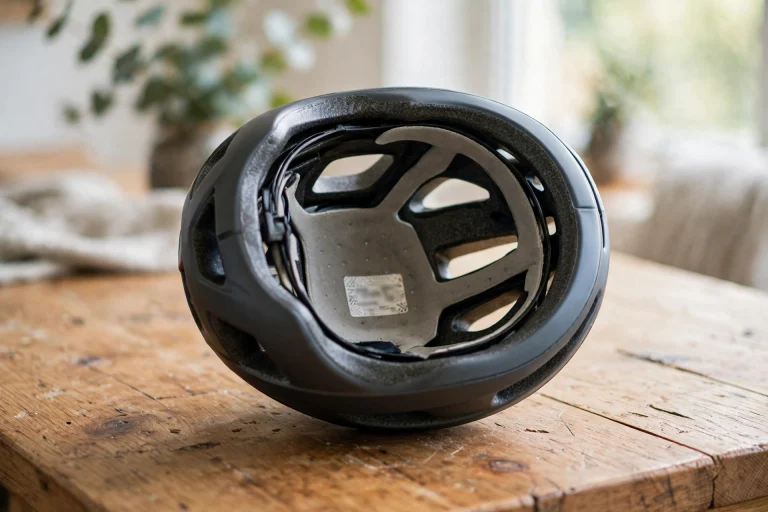
EN 1078 is the European standard for helmets for pedal cyclists and for users of skateboards and roller skates. In general terms, it sets out the requirements a cycle helmet must meet to be sold in Europe, including impact protection, the strength of the retention system, and the field of vision the helmet must allow. Helmets that meet the standard carry the CE mark and a reference to EN 1078, usually on a label inside the helmet.
The standard is written for the kind of impacts a cyclist is likely to meet, such as a fall onto a hard road surface at cycling speed. The helmet is tested with a headform inside, dropped onto a shaped surface, and the test measures how much force reaches the headform. The retention system, which is the straps and buckle that hold the helmet on, is also tested to check that it keeps the helmet in place.
What Is the CPSC Bicycle Helmet Standard?
The CPSC bicycle helmet standard is the standard set by the United States Consumer Product Safety Commission for bicycle helmets sold in the United States. In general terms, it plays the same role as EN 1078, but for the American market: it sets out the impact protection, retention system strength, and labelling that a bicycle helmet must meet before it can be sold for cycling use.
Like EN 1078, the CPSC standard tests helmets using a headform fitted inside the helmet, dropped onto a shaped surface to simulate a fall. The test measures the force that reaches the headform, and the helmet must keep that force within the limits set by the standard. The chin strap and buckle are also tested, to check that they hold the helmet in place under load.
Helmets that meet the CPSC standard carry a label inside the helmet stating that they comply with the CPSC bicycle helmet standard. That label is the main way a buyer can tell that the helmet has been made to the standard. As with EN 1078, the label should be clear and permanent, not a loose sticker that could have been added later.
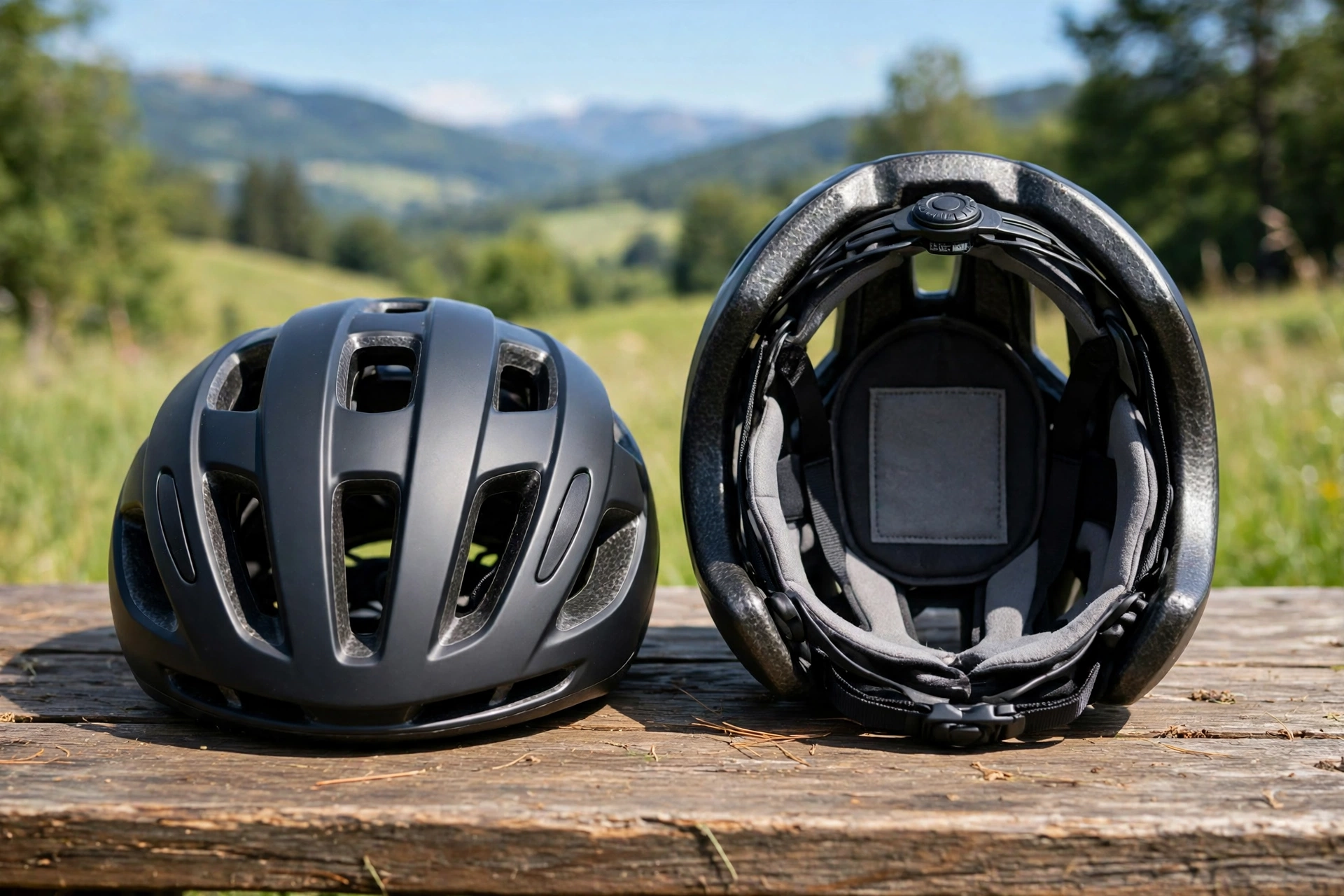
How Do EN 1078 and CPSC Testing Differ?
The two standards differ in the details of how they test helmets, even though the broad idea is the same. In general terms, they use different test surfaces, different impact points, and different ways of conditioning the helmet before testing, such as changes in temperature or moisture. These differences mean that a helmet designed to pass one standard may need changes to pass the other, even if the helmet looks the same from the outside.
Neither standard is simply better than the other. Both are recognised safety standards that have been developed over many years, and both require a helmet to offer real impact protection. The right choice depends on where you ride and which standard is recognised there, rather than on one standard being superior in every way.
Which Standard Should You Look for When Buying a Bike Helmet?
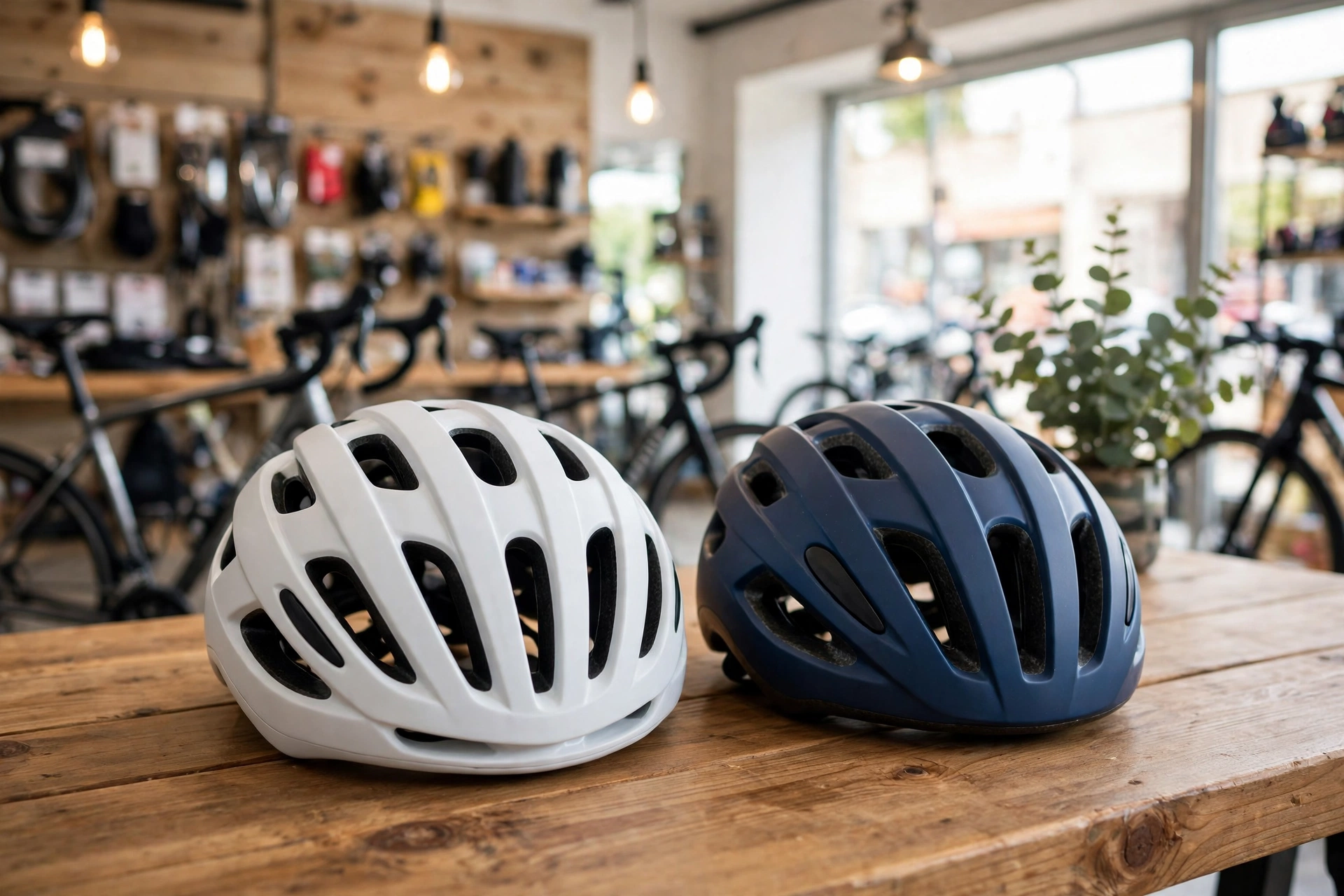
Look for the standard that applies where you ride. In general terms, if you ride in Europe, look for EN 1078 and the CE mark; if you ride in the United States, look for the CPSC label. Many helmets sold by major brands carry both marks, because the manufacturer has made the helmet to meet both standards, and that can be a practical choice if you travel or buy from an international seller.
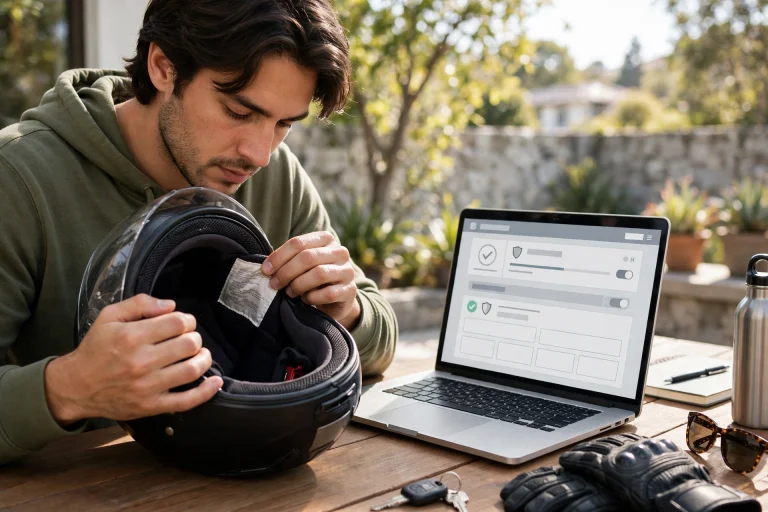
When you check a helmet, look inside for the label and read it properly. It should name the standard, the manufacturer, and the model, and the details should match the helmet you are holding. A helmet with no label, or with a label that is hard to read, should be treated with caution, however good it looks from the outside.
If you are learning about the technologies that can sit inside a certified bike helmet, reading about what MIPS is for helmets can help you understand one of the features some modern helmets include in addition to their standard certification.
Does the Standard Affect Fit and Comfort?
The standard itself does not decide how comfortable a helmet feels, but it does shape the design in ways that affect fit. In general terms, a helmet that meets either standard must have a retention system that holds it in place, a shell and liner that cover the right parts of the head, and a shape that allows a clear field of vision. Within those requirements, brands vary a great deal in shape, weight, ventilation, and padding.
Fit is the part you should test yourself. A helmet should sit level on your head, cover your forehead without slipping down over your eyes, and feel snug all round without pressing hard in one place. The straps should form a snug fit under your chin, and the helmet should stay put when you shake your head gently. A helmet that meets the right standard but does not fit properly will not protect you as well as it should.
Finally, remember that a helmet should be replaced after a hard impact, even if the damage is not visible, and that a helmet that has been damaged, badly worn, or altered may no longer offer the protection it was designed for. The standard is the starting point; fit, condition, and proper use are what turn a certified helmet into real protection on the road or trail.
Frequently Asked Questions
Q: Can I use an EN 1078 helmet in the United States?
A: In general terms, a helmet that meets EN 1078 is a properly certified bicycle helmet, but the recognised standard in the United States is CPSC. Check local rules and the requirements of any event you enter before you ride.
Q: Can I use a CPSC helmet in Europe?
A: In general terms, a CPSC helmet is a properly certified bicycle helmet, but the recognised standard in Europe is EN 1078. Many helmets carry both marks, which avoids the question altogether.
Q: Does a helmet need both EN 1078 and CPSC marks to be safe?
A: No. A helmet that meets either standard properly has been tested to a recognised benchmark. Carrying both marks is convenient for travel, but one genuine mark is enough to show the helmet meets a recognised standard.

Olivia
Writer at Helmet Today, covering helmet reviews, fit and riding safety.