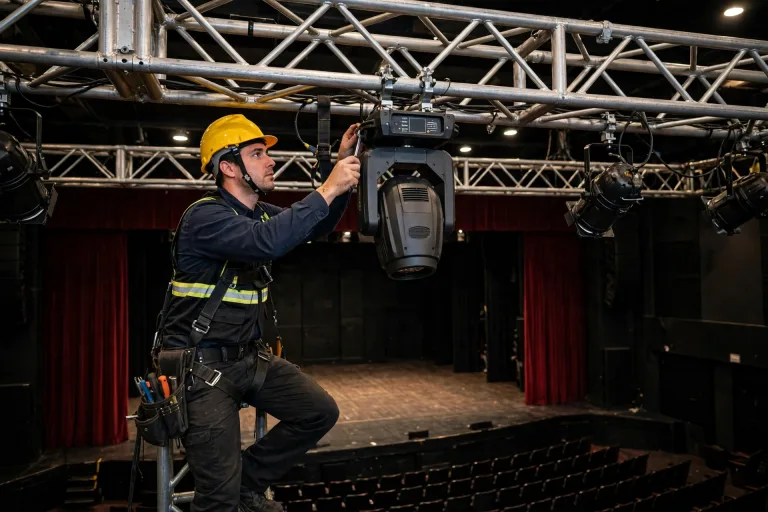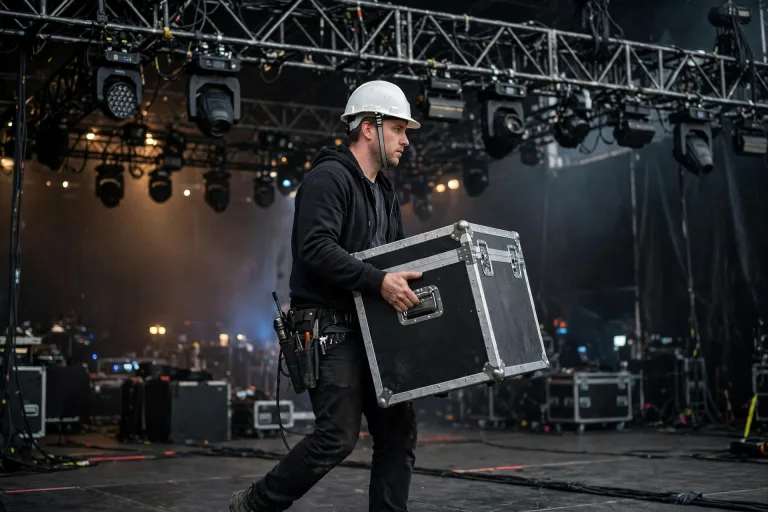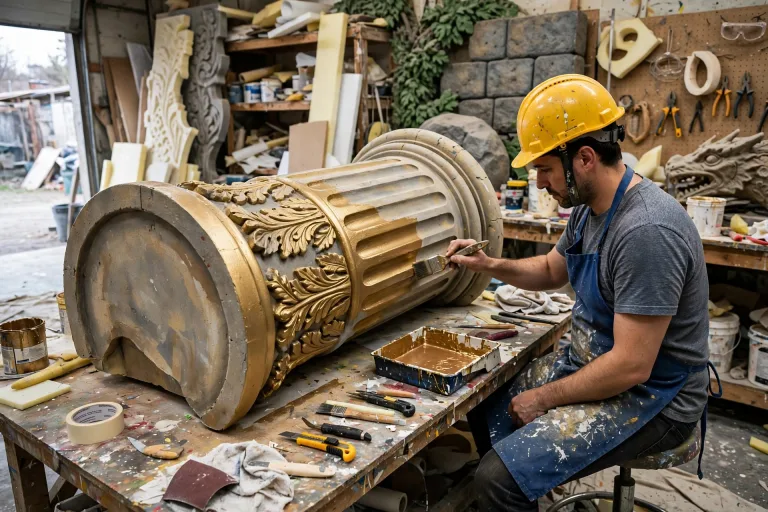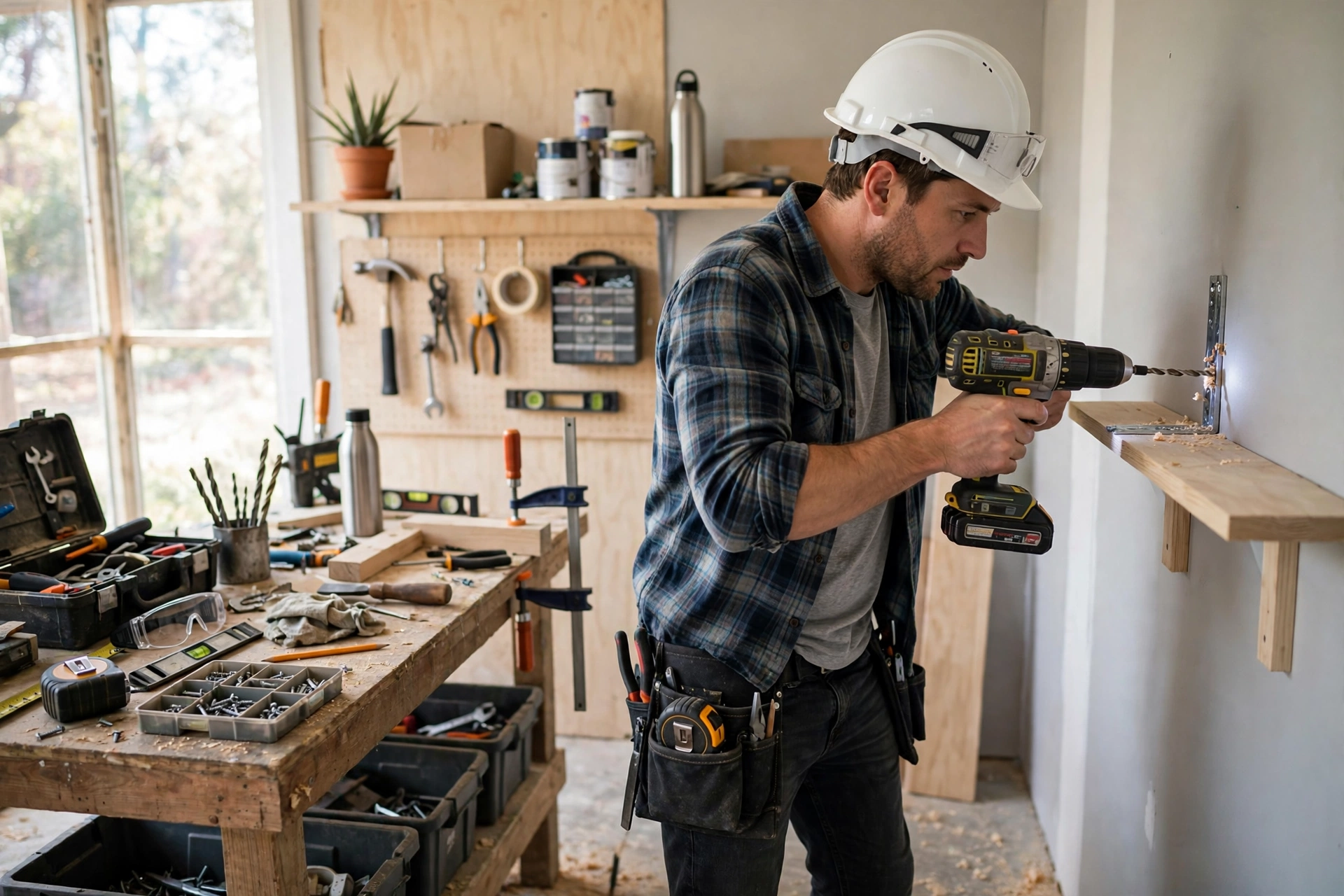
A helmet for DIYers is a hard hat worn during home improvement work, and in general terms it should protect the head from falling objects, bumps, and knocks while you work on a project at home. DIY jobs often involve ladders, power tools, heavy materials, and work overhead, and any of those can put the head at risk. A helmet is a simple piece of safety gear that can make a real difference if something falls or if you stand up into a low beam or a shelf.
Many people think of a helmet as something only builders wear on a big site, but a home project can carry many of the same risks in a smaller space. A loft conversion, a kitchen refit, or even putting up shelves in a garage can involve working under other people, lifting awkward loads, or standing on a ladder with tools above your head.
Why do DIYers need a helmet?
DIYers need a helmet because home improvement work often puts the head in danger in ways that are easy to overlook. A tool can slip from a hand, a piece of timber can fall from a shelf, or a tin of paint can be knocked off a ladder. Even a small object falling from a height can cause a painful cut or a head injury, and a helmet spreads the force of an impact and helps to protect the skull.
There is also the risk of bumping the head on low ceilings, exposed joists, or the edge of a worktop, especially in a loft, a basement, or a garage where headroom is tight. A DIYer who is focused on the job in hand may not notice a beam until they stand up into it, and a helmet takes the worst of that knock. In general terms, a helmet is worth wearing on any DIY job where something could fall on you or where you could hit your head, even if the job seems small.
What kind of helmet is best for DIY work?
The best helmet for DIY work is, in general terms, a light hard hat that meets a recognised safety standard and fits the wearer well. Most DIYers choose a standard hard hat with a short peak, because it is light, comfortable, and easy to wear for a few hours at a time. A hard hat with a chin strap is a good choice for work on a ladder or in a loft, because the strap keeps the helmet in place when you bend over or look up.
Some DIYers choose a helmet with a built-in visor or with slots for ear defenders, which can be useful when cutting timber or using power tools. A helmet with ventilation holes can feel cooler on a warm day, but the wearer should check that the vents do not reduce the protection the helmet gives. The helmet should be in good condition, with no cracks or dents, and it should be replaced if it has taken a hard knock, even if the damage is hard to see.
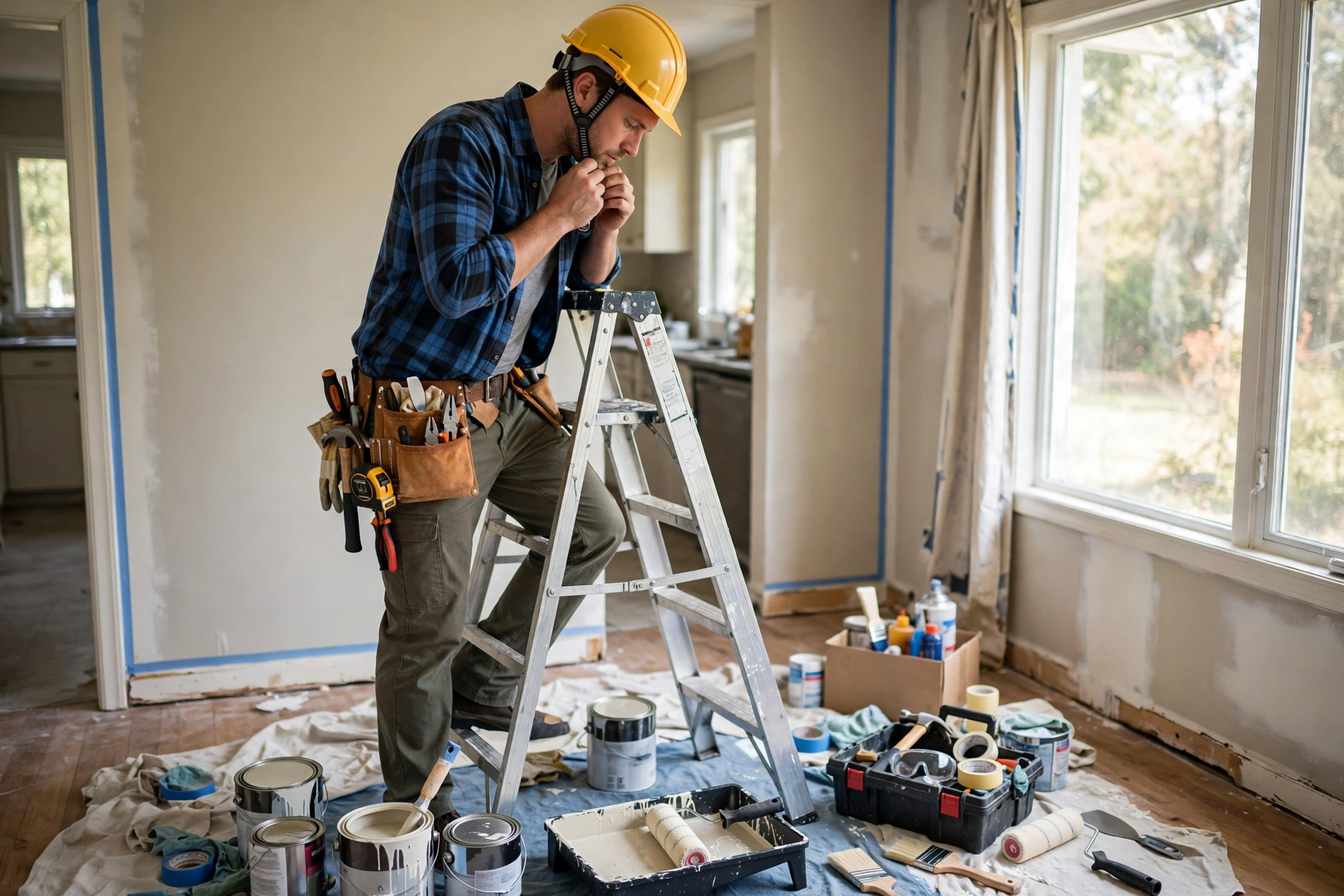
How should a helmet for DIYers fit?
A helmet for DIYers should fit snugly, sit level on the head, and stay in place when the wearer bends down or looks up. The helmet should cover the forehead and the top of the head, and the suspension or headband inside should be adjusted so the helmet does not wobble or slip forward over the eyes. A helmet that slides around is a distraction, and it may not be in the right place when it is needed most.
The fit should be checked before the job starts, and the wearer should try the helmet with any other gear they plan to use, such as safety glasses or ear defenders. Safety glasses should sit comfortably under the peak of the helmet without pushing it up, and ear defenders should fit neatly against the sides of the helmet. The chin strap, where one is fitted, should be fastened securely every time the helmet is worn, because a strap left loose lets the helmet fall off just when it is needed.
What should you look for when buying a DIY helmet?
When buying a helmet for DIY work, the first thing to look for is a recognised safety standard, which should be marked on the inside of the helmet or on its label. The buyer should also check the size range of the helmet and whether the headband can be adjusted, because a helmet that cannot be adjusted to fit is unlikely to be worn for long.
Comfort matters too, because a helmet that pinches, rubs, or feels heavy will soon be left on a shelf. A lighter helmet with a padded headband and some ventilation is often a better choice for a long day of DIY than a heavier one. The buyer should also think about the jobs they do most often: a helmet with slots for ear defenders suits noisy power tool work, while a simple hard hat is enough for painting, shelving, or loft work. In general terms, the best DIY helmet is the one that fits well, feels comfortable, and gets worn on every job.
How should a DIY helmet be looked after?
A DIY helmet should be looked after with regular cleaning and sensible storage, in the same way as any work helmet. After a job, the wearer should wipe the shell clean, let the lining air out, and check the helmet for cracks, dents, or damage to the shell and the suspension inside. A helmet that has taken a hard impact should be replaced rather than used again, because the damage may not be visible on the outside.
The helmet should be stored in a cool, dry place, away from direct heat and sunlight, and kept in a bag or on a shelf where it will not be knocked about. Harsh cleaning chemicals should be avoided, because they can weaken the shell over time, and the helmet should never be painted with ordinary paint, which can also affect the material. DIYers who want to learn more about how helmets protect the head may also want to read about features that can help in a fall, including a system designed to reduce rotational forces, such as MIPS, which is found in some helmets. A well-kept helmet, worn every time, gives a DIYer the best chance of finishing a project safely.
Do DIYers really need a helmet for small jobs?
Yes, in general terms a helmet is worth wearing on any DIY job where something could fall or where you could bump your head, even a small job. A short task on a ladder or in a loft can still lead to a knock, and a helmet is light and easy to put on.
Can a bike helmet be used for DIY work?
No, a bike helmet is not a good choice for DIY work, because it is designed for a different kind of impact and it does not protect against falling objects in the same way. A DIYer should wear a hard hat that meets a recognised standard for work helmets.
When should a DIY helmet be replaced?
A DIY helmet should be replaced after a hard impact, or when it shows cracks, dents, or damage, or when the suspension inside no longer holds it firmly. When in doubt, replace it rather than keep using it.

Olivia
Writer at Helmet Today, covering helmet reviews, fit and riding safety.