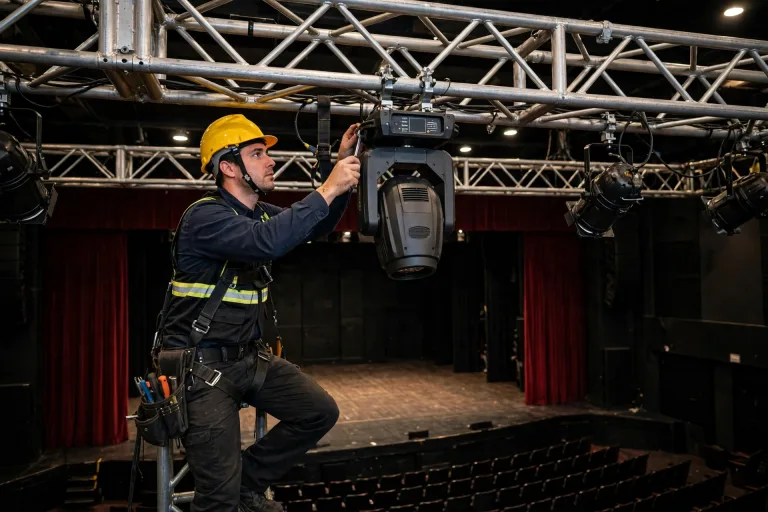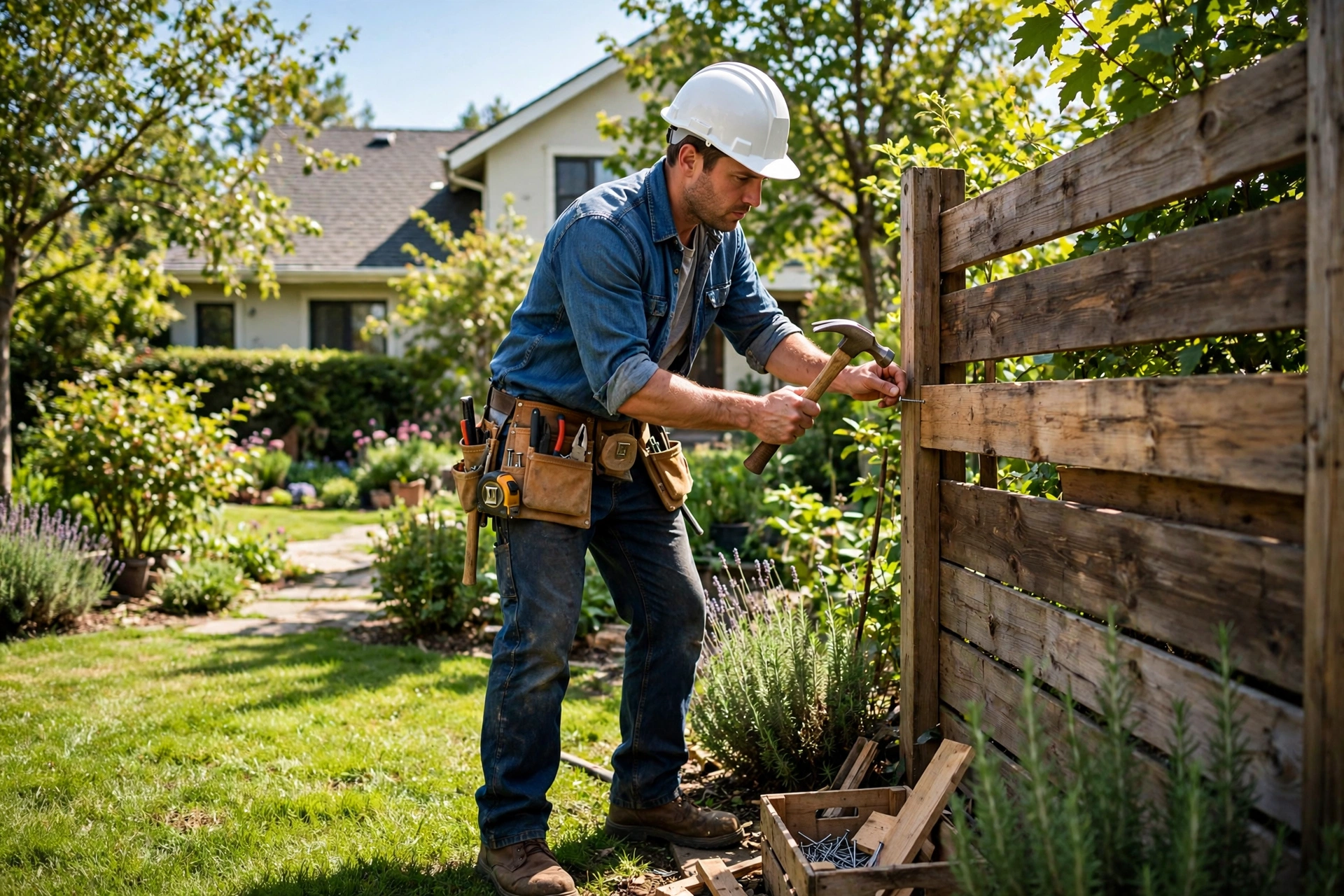
A helmet for handymen is, in general terms, a hard hat worn to protect the head while carrying out repairs, maintenance and small building jobs around a home or a work site. Handymen take on a wide mix of jobs, from fixing a leak under a sink to repairing a fence or putting up shelves, and many of those jobs put the head close to hard surfaces, falling tools, or objects that can drop from above.
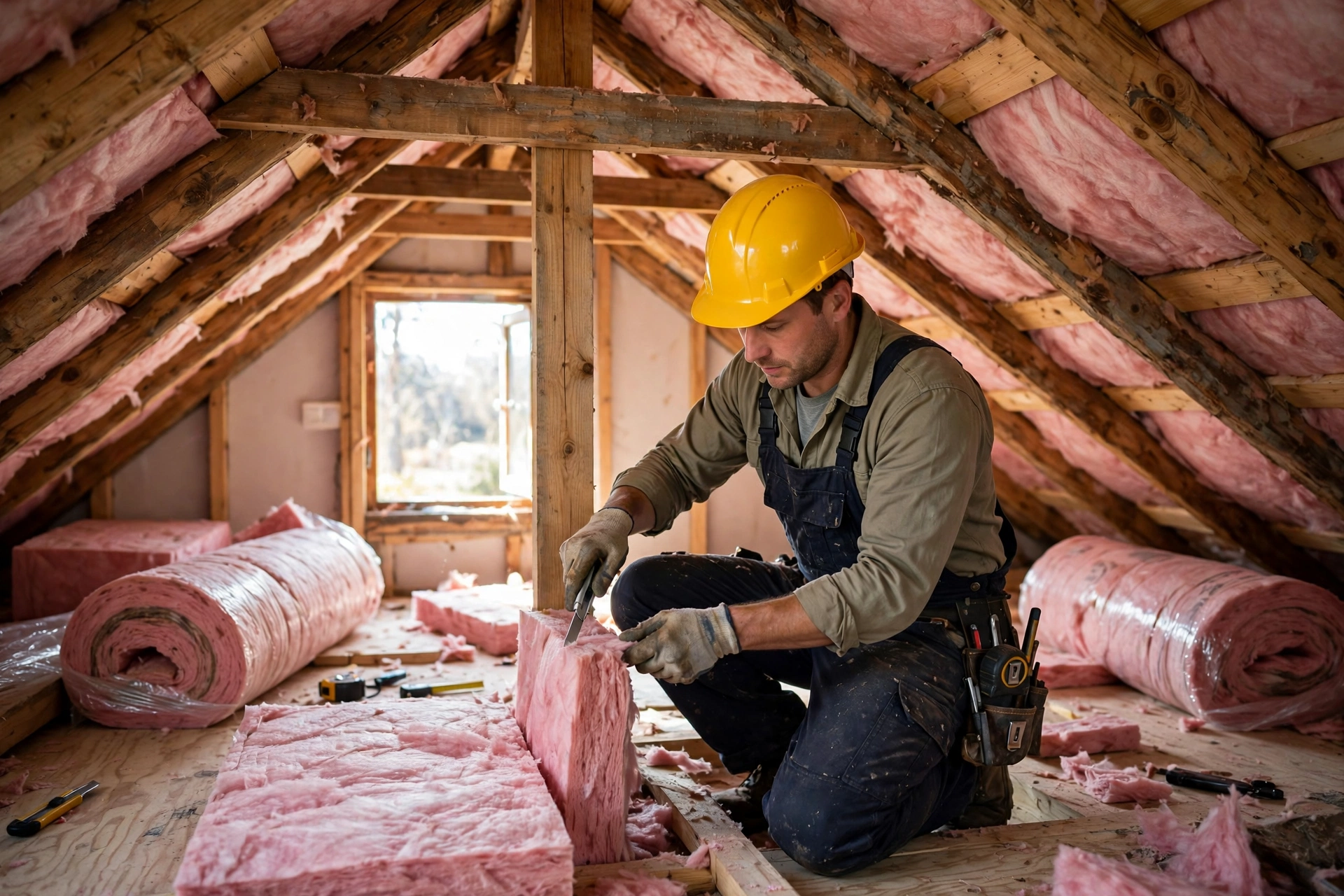
A handyman’s work is different from one job to the next, and the risks change with each task. One morning may be spent in a loft fitting insulation, where the head is close to roof beams and nails, and the afternoon may be spent outside repairing a gutter, where a tool or a fitting could slip from a ladder. A helmet is a simple piece of gear that helps to protect against a knock or a bump in all of these settings.
Why do handymen need a helmet?
Handymen need a helmet because their work puts the head at risk in ways that are easy to overlook. A dropped hammer, a loose tile, or a piece of timber can fall from above while work is going on, and a sharp blow to the head can cause a cut, a bruise, or a more serious injury. A helmet spreads the force of an impact across the shell and helps to protect the skull from harm.
There is also the everyday risk of bumping the head on something fixed, such as a low beam in a loft, a pipe in a basement, or the edge of a cupboard being fitted. Handymen often work in tight spaces, crouching, leaning and reaching, and it is easy to stand up into something hard that was not noticed. A helmet gives protection against those bumps, and in general terms it helps the handyman to work with confidence in places where the head is always close to hard edges.
What kind of helmet is best for handymen?
The best helmet for handymen is, in general terms, a hard hat that suits the job, fits well, and is comfortable enough to wear for hours at a time. Many handymen wear a standard industrial hard hat with a short brim, because it gives good protection against falling objects and bumps, and it is light enough to wear while moving between tasks. A helmet with vents can help on a hot day or in a warm loft, because it lets air move through and keeps the head cooler.
Some handyman jobs call for extra features, and the handyman should think about what the work involves before choosing a helmet. A helmet with a chin strap is a good choice when the work means bending down, climbing a ladder, or working at height, because it stops the helmet from slipping off. A helmet with slots for ear defenders can be useful for noisy jobs such as drilling or cutting, and a helmet with a clip for a head torch is handy for work in a dark loft or under a sink.
How should a helmet for handymen fit?
A helmet for handymen should fit snugly, sit level on the head, and stay in place when the handyman bends, reaches, or looks up at a ceiling or a roof. The helmet should cover the top of the head and the forehead, and the gap between the shell and the head should be set by the suspension, not by pressing the shell down onto the skull. A helmet that sits too high leaves the forehead exposed, while a helmet that sits too low can slip over the eyes.
The fit should be checked before starting work and after any change of gear, because a new pair of safety glasses or a different head torch can change how the helmet sits. The chin strap, where one is fitted, should be fastened and adjusted so that it holds the helmet without pinching. A handyman who finds the helmet slipping or pressing in one spot should adjust the suspension or try a different size, because a helmet that does not fit well is less comfortable and less protective.
When should a handyman wear a helmet?
A handyman should wear a helmet whenever the job brings a risk of falling objects, bumps, or knocks to the head, and in general terms that covers a large share of repair and building work. Loft work, basement work, roofing repairs, gutter cleaning, demolition, and any job under a floor or a ceiling are all good reasons to put a helmet on. A handyman working on a site with other tradespeople should also wear one, because tools and materials can fall from work going on above.
There are also smaller jobs where a helmet is still worth wearing, such as fitting shelves in a tight cupboard, working under a sink with pipes overhead, or carrying long lengths of timber through a doorway. The handyman should think about the work before starting and put the helmet on before entering the risky area, rather than waiting until something has already fallen. A short job is no reason to skip the helmet, because a bump can happen in a moment, and a helmet takes only a few seconds to put on.
How should a handyman’s helmet be looked after?
A handyman’s helmet should be looked after with regular cleaning, inspection and sensible storage, in the same way as any piece of safety equipment. After a job, the handyman should wipe the shell clean, check the inside for dirt or damage, and let the lining air out so that it stays fresh. A helmet that is used in a dusty or dirty setting may need a wash with mild soap and water, and it should be dried away from direct heat.
The helmet should be checked for cracks, dents, or damage to the shell before each use, and the suspension and chin strap checked for wear, fraying, or broken parts. A helmet that has taken a hard knock should be taken out of service and replaced, because damage that is hard to see can still weaken the shell. In general terms, a helmet that has been dropped from a height or struck by a falling object should not be trusted again, even if it looks fine on the outside. The helmet should be kept in a cool, dry place, away from direct sunlight and chemicals, and not left in a hot vehicle where heat can weaken the shell. Handymen who want to learn more may find it useful to read about features that help in an impact, such as MIPS, which is a system designed to reduce rotational forces and is found in some helmets. A well-kept helmet, worn whenever the job calls for it, gives a handyman reliable protection.
Does a handyman always need a helmet?
Not always. A helmet is needed when there is a risk of falling objects, bumps or knocks to the head, such as loft work, roofing, demolition or working under a ceiling.
Can a handyman wear a vented helmet?
Yes, in general terms a vented helmet is a good choice for hot days and warm lofts, because it lets air move through and keeps the head cooler.
When should a handyman’s helmet be replaced?
A helmet should be replaced after a hard impact, when the shell is cracked or damaged, when the suspension or strap is worn out, or when it no longer fits well. When in doubt, replace it.

Olivia
Writer at Helmet Today, covering helmet reviews, fit and riding safety.