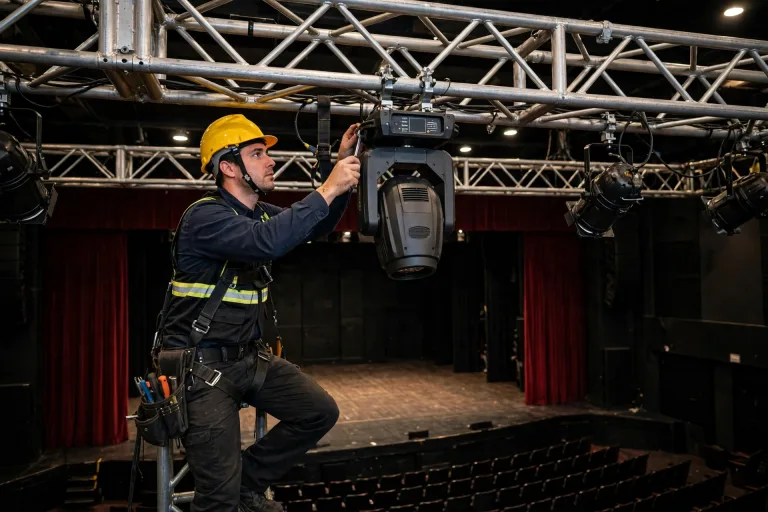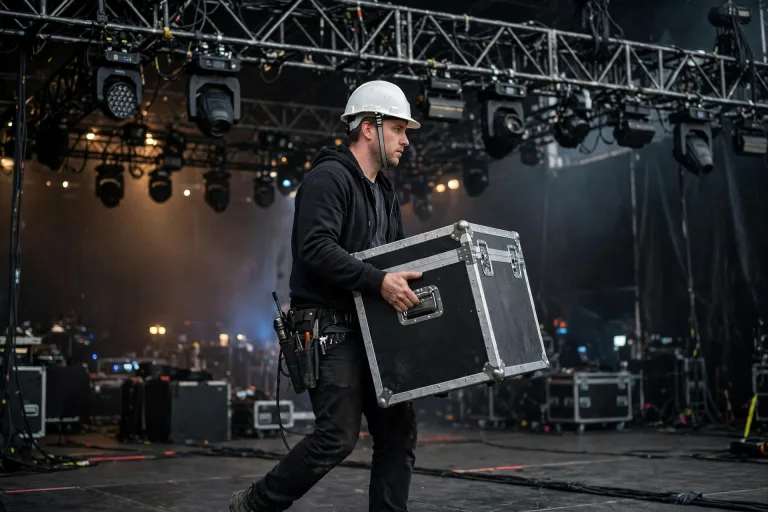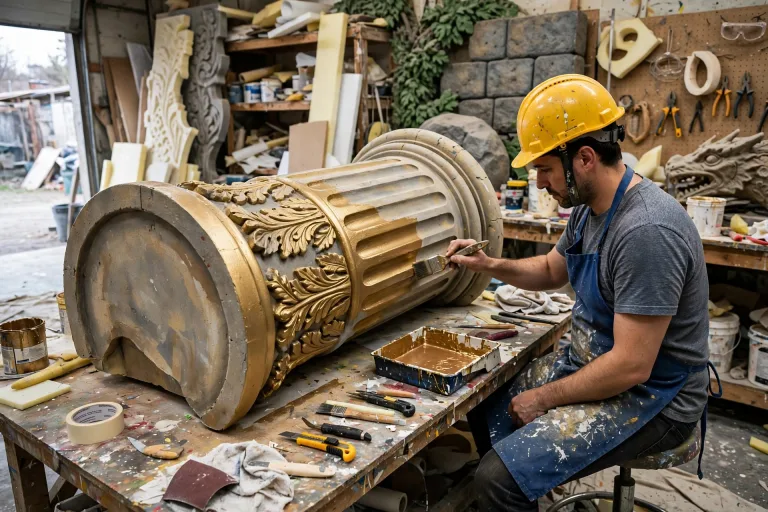
A helmet for maintenance engineers is, in general terms, a hard hat worn to protect the head while carrying out repairs, inspections and upkeep on machines, buildings and plant equipment. Maintenance work takes an engineer into places where the head is at risk, from low beams and pipework to parts that can fall from above, and a helmet gives a layer of protection against a knock or a bump that could otherwise cause a serious head injury.
Maintenance engineers work in factories, warehouses, offices, schools and hospitals, and the risks change from one job to the next. One day may bring a routine inspection of a pump on a factory floor, the next a repair inside a cramped ceiling space or a plant room full of pipes. In every setting, the engineer needs to think about what is above and around their head before starting work.
Why do maintenance engineers need a helmet?
Maintenance engineers need a helmet because their work puts them close to hazards that can strike the head without much warning. A dropped spanner, a loose fitting, or a piece of debris can fall from a machine or a shelf, and a sharp blow to the head can cause a cut, a bruise, or a much more serious injury. A helmet spreads the force of an impact across the shell and helps to protect the skull.
There is also the risk of bumping the head on something fixed, such as a low pipe, a beam, a valve, or the edge of a machine guard. Maintenance work often means leaning, crouching and reaching into tight spaces, and it is easy to stand up into something hard that was not noticed. A helmet gives protection against those bumps, and in general terms it helps the engineer to keep working with confidence in a place where the head is always close to hard surfaces.
What kind of helmet is best for maintenance engineers?
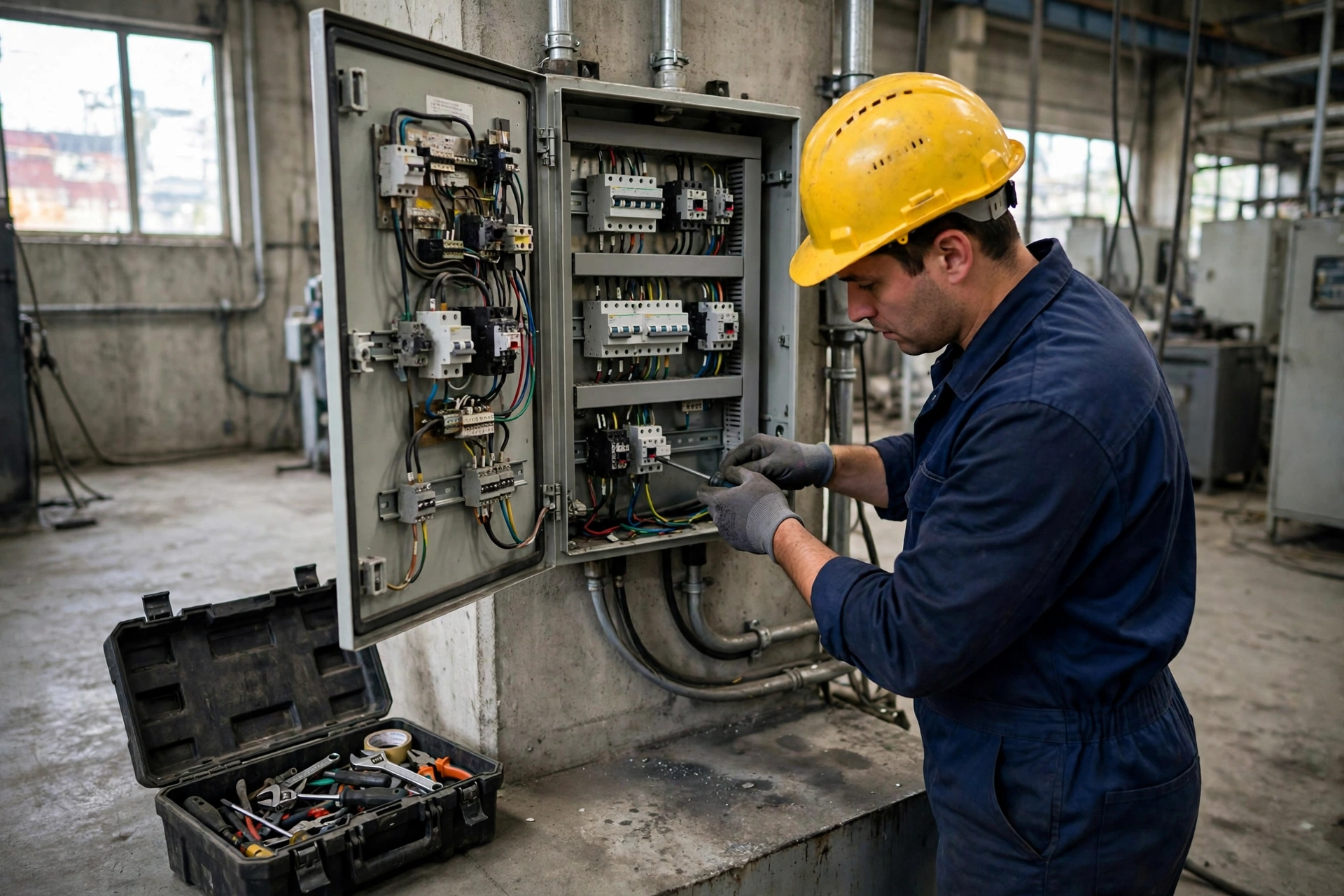
The best helmet for maintenance engineers is, in general terms, a hard hat that suits the risks of the job, fits well, and is comfortable enough to wear for a whole shift. Many maintenance engineers wear a standard industrial hard hat with a short brim, because it gives good protection against falling objects and bumps, and it is light enough to wear while moving between jobs. A helmet with vents can help on a hot day or in a warm plant room, because it lets air move through and keeps the head cooler.
Some maintenance jobs call for extra features, and the engineer should think about what the work involves before choosing a helmet. A helmet with a chin strap is a good choice when the work means bending down or working at height, because it stops the helmet from slipping off. A helmet with slots for ear defenders or a visor can be useful when the job involves noisy machines or a risk of splashes. An engineer who works near electrical equipment should check that the helmet is suitable for that setting, and should follow the safety rules for the site.
How should a helmet for maintenance engineers fit?
A helmet for maintenance engineers should fit snugly, sit level on the head, and stay in place when the engineer bends, reaches, or looks up at a ceiling. The helmet should cover the top of the head and the forehead, and the gap between the shell and the head should be set by the suspension, not by pressing the shell down onto the skull. A helmet that sits too high leaves the forehead exposed, while a helmet that sits too low can slip over the eyes.
The fit should be checked at the start of the shift and after any change of gear, because a new pair of safety glasses or a different head torch can change how the helmet sits. The chin strap, where one is fitted, should be fastened and adjusted so that it holds the helmet without pinching. An engineer who finds the helmet slipping or pressing in one spot should adjust the suspension or try a different size, because a helmet that does not fit well is less comfortable and less protective.
When should a maintenance engineer wear a helmet?
A maintenance engineer should wear a helmet whenever the job, the site rules, or a risk assessment calls for head protection, and in general terms that means any time there is a risk of falling objects, bumps, or knocks to the head. Many sites make helmets compulsory in certain areas, such as workshops, plant rooms, construction zones and loading bays, and the engineer should wear the helmet in those areas without exception, even for a short visit.
There are also jobs where the helmet should be worn even if the site does not make it compulsory, such as working under a mezzanine, inside a ceiling void, or around overhead pipework and ducting. The engineer should think about the work before starting and put the helmet on before entering the risky area, rather than waiting until something has already fallen. A short job is no reason to skip the helmet, because a bump can happen in a moment, and a helmet takes only a few seconds to put on.
How should a maintenance engineer’s helmet be looked after?
A maintenance engineer’s helmet should be looked after with regular cleaning, inspection and sensible storage, in the same way as any piece of safety equipment. After a shift, the engineer should wipe the shell clean, check the inside for dirt or damage, and let the lining air out so that it stays fresh. A helmet that is used in a dusty or oily setting may need a wash with mild soap and water, and it should be dried away from direct heat.
The helmet should be checked for cracks, dents, or damage to the shell before each use, and the suspension and chin strap should be checked for wear, fraying, or broken parts. A helmet that has taken a hard knock should be taken out of service and replaced, because damage that is hard to see can still weaken the shell. In general terms, a helmet that has been dropped from a height or struck by a falling object should not be trusted again, even if it looks fine on the outside. The helmet should be kept in a cool, dry place, away from direct sunlight, and not left in a hot vehicle where heat can weaken the shell. Engineers who want to learn more about how helmets protect the head may find it useful to read about features that help in an impact, such as MIPS, which is a system designed to reduce rotational forces and is found in some helmets. A well-kept helmet, worn whenever the job calls for it, gives a maintenance engineer reliable protection.
Does a maintenance engineer always need a helmet?
Not always. A helmet is needed when there is a risk of falling objects, bumps or knocks to the head, or when site rules make it compulsory.
Can a maintenance engineer wear a vented helmet?
Yes, in general terms a vented helmet is a good choice for warm plant rooms and hot days, because it lets air move through and keeps the head cooler.
When should a maintenance engineer’s helmet be replaced?
A helmet should be replaced after a hard impact, when the shell is cracked or damaged, when the suspension or strap is worn out, or when it no longer fits well. When in doubt, replace it.

Olivia
Writer at Helmet Today, covering helmet reviews, fit and riding safety.