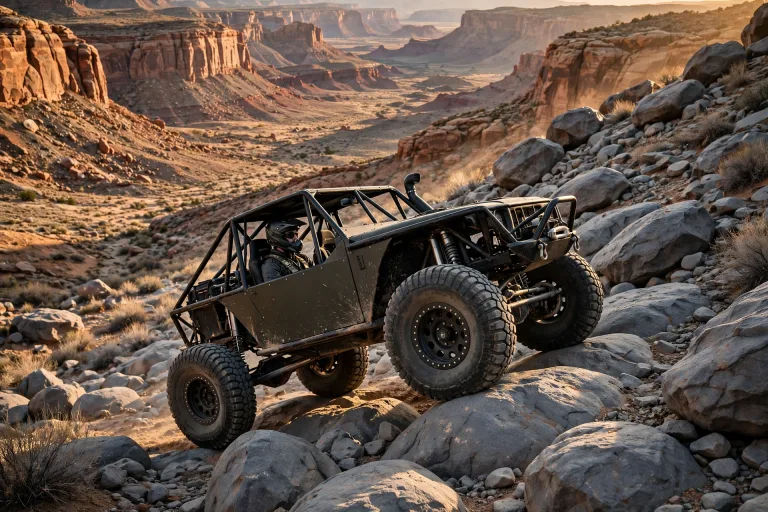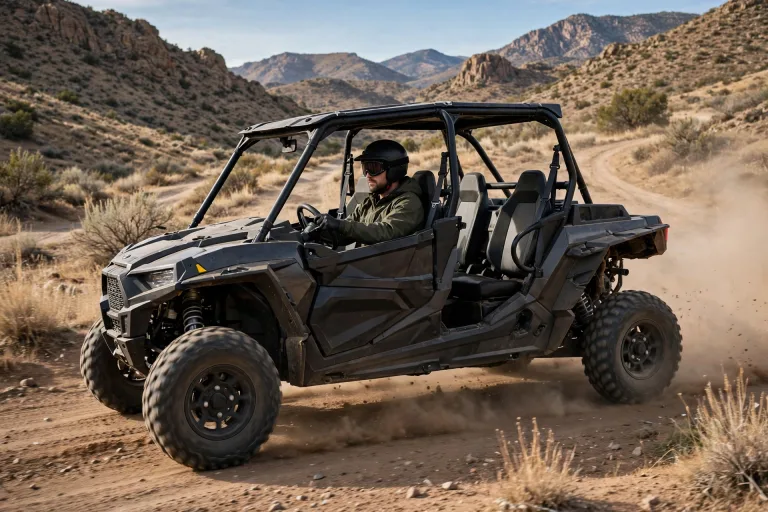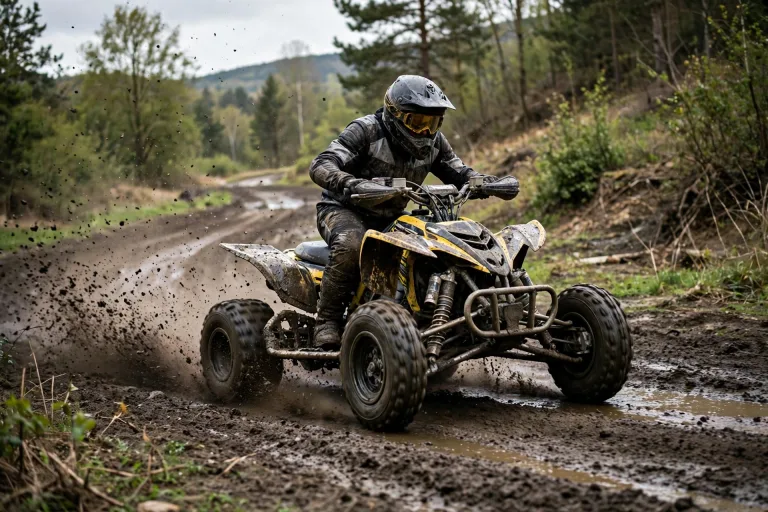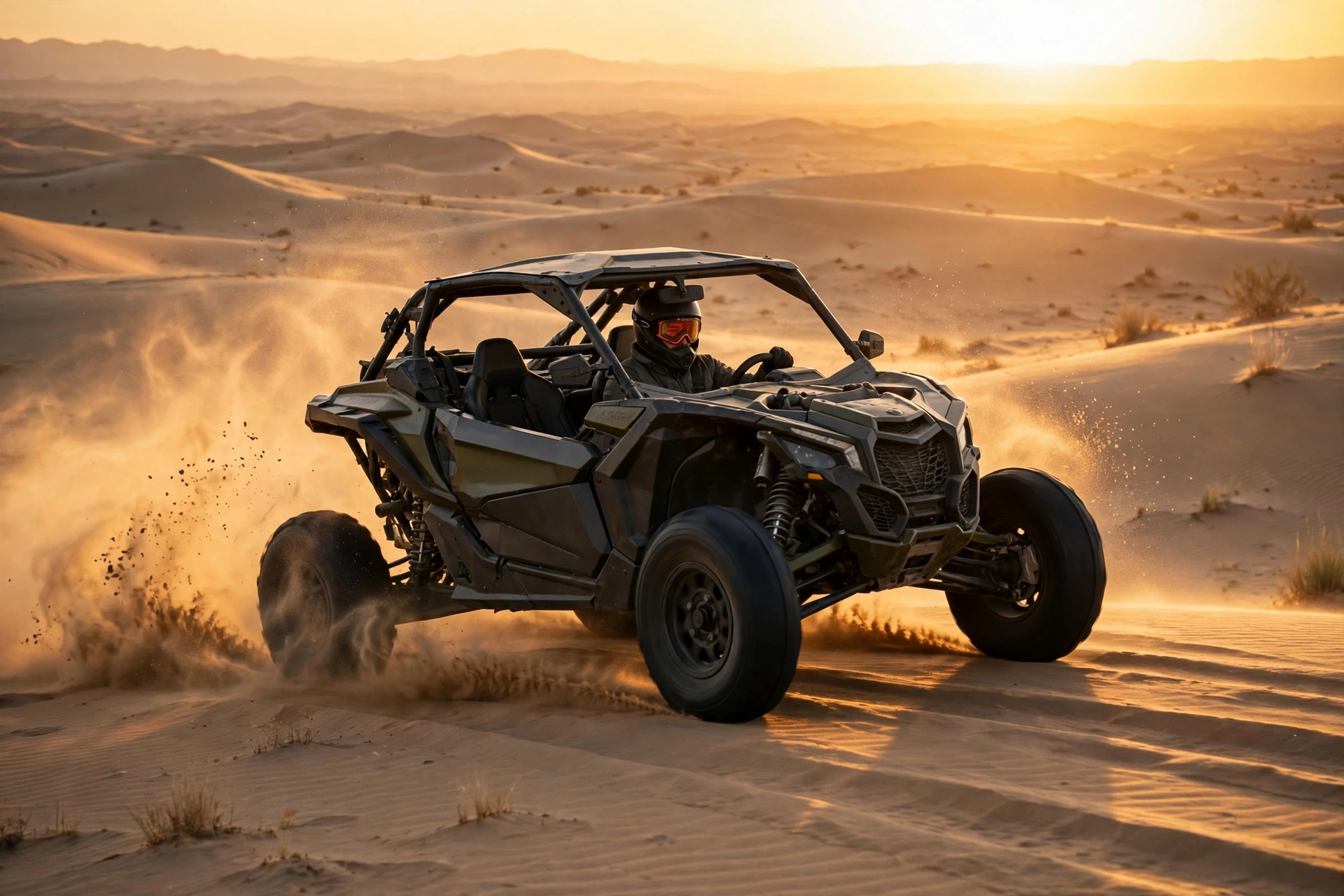
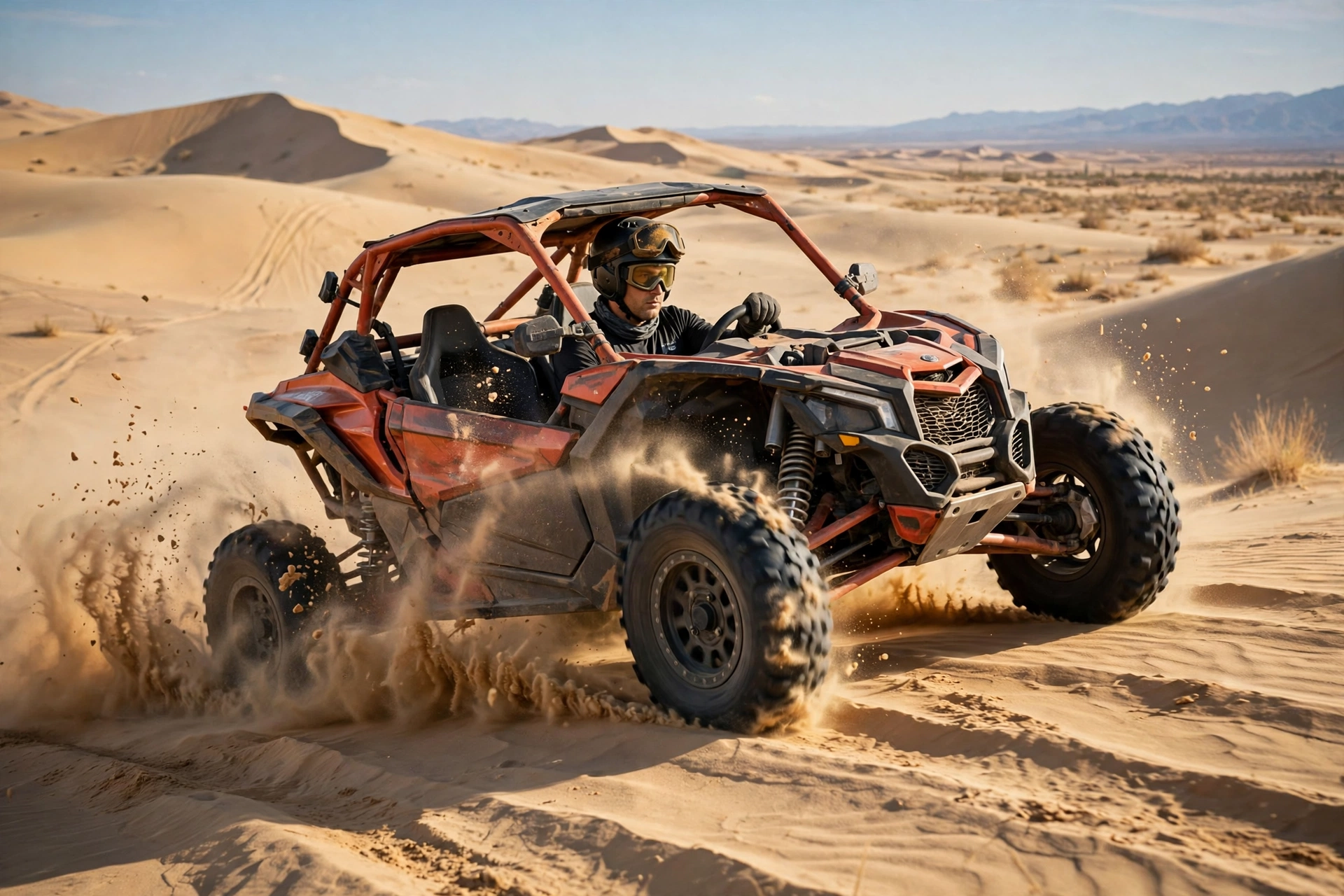
A helmet for dune buggy drivers is a helmet worn by a driver and passengers in a dune buggy to protect the head from hard landings, rollovers, and flying sand, and in general terms every dune buggy driver should wear one that fits well and stays in place on rough ground. A dune buggy is an open vehicle built for driving over sand dunes, and it has little or no bodywork around the driver. That openness is part of the fun, but it also means the head is exposed to sand, sun, and the risk of a hard knock if the buggy tips or lands badly.
Dune buggies are driven fast over soft sand, up steep dune faces, and across rough ground, and the ride can be bumpy and unpredictable. A buggy can bounce hard on a landing, slide sideways on a dune face, or roll over if it catches a ridge at the wrong angle. A helmet gives the driver protection in all of those moments, and it also keeps sand and wind out of the eyes.
Why do dune buggy drivers need a helmet?
Dune buggy drivers need a helmet because the ground they drive on is uneven, and a crash or a rollover can happen quickly. Sand looks soft, but a dune buggy landing hard after a jump can hit the ground with real force, and the driver can be thrown against the roll cage, the steering wheel, or the ground itself. In general terms, a helmet spreads the force of an impact and helps to protect the skull, and that protection matters all the more when the driver cannot control how or where they land.
There is also the risk of being struck by sand and stones thrown up by the wheels. At speed, sand lifted by the tyres can sting the face and eyes, and small stones can cause painful cuts. A helmet with a visor or with goggles helps the driver to keep their eyes clear and their focus on the dunes ahead. A helmet also protects against the sun, which can be fierce in desert country, and against the wind, which can dry out the eyes on a long drive.
What kind of helmet is best for dune buggy drivers?
The best helmet for dune buggy drivers is, in general terms, a light, well-ventilated helmet with a hard outer shell, a secure chin strap, and a fit that works with goggles. Many drivers use a motocross or off-road helmet, because those helmets are made for dusty, rough conditions, they have a peak to keep the sun out of the eyes, and they are designed to work with goggles. The key points are a snug fit, good ventilation, and a strap that holds the helmet in place over rough ground.
The helmet should also cope with sand and heat. A helmet used in the desert will get sandy and dusty, so it should be easy to clean and to dry out. Vents that let air in without letting in too much sand are useful, and a lining that can be removed and washed is a practical feature. A helmet that is too heavy or too hot will become a distraction on a long drive, so comfort matters as much as protection.
How should a helmet for dune buggy driving fit?
A helmet for dune buggy driving should fit snugly, sit level on the head, and stay in place when the driver bounces over rough ground or leans into a turn. The helmet should cover the forehead and the top of the head, and the chin strap should be fastened securely every time the driver is in the buggy. A strap that is left loose lets the helmet lift in the wind or slide in a crash, and a helmet that comes off at speed is no help at all.
The fit should be checked with the goggles the driver will actually wear, because goggles can change how a helmet sits. Goggles should sit neatly against the helmet without leaving a gap that lets sand in, and the helmet should not press on the arms of glasses or push them out of place. The driver should also check that the helmet does not block their hearing, because a dune buggy driver needs to hear the engine, other drivers, and any warnings from the group.
Should passengers in a dune buggy wear a helmet too?
Passengers in a dune buggy should, in general terms, wear a helmet too, because they face the same risks as the driver. A passenger can be thrown around just as hard in a rollover or a hard landing, and they have even less control over what happens than the driver does. A helmet is the simplest way to protect a passenger, and it is a sensible habit for everyone in the buggy.
Passengers should be given a helmet that fits them properly, not just a spare that is too big or too small. A helmet that is too loose will slide around and may come off in a crash, while a helmet that is too tight will be uncomfortable and may give the passenger a headache. The driver should check that every passenger’s helmet is fastened before setting off, and should remind passengers to keep their helmet on for the whole drive, even when the buggy is moving slowly.
How should a dune buggy helmet be looked after?
A dune buggy helmet should be looked after with regular cleaning and sensible storage, in the same way as any off-road helmet. After a day in the dunes, the driver should shake out the sand, clean the vents, and wipe down the shell and the lining. Sand can get into every part of a helmet, and a lining that is never cleaned will become uncomfortable and may irritate the skin. The helmet should be left to dry naturally away from direct heat.
The helmet should be kept where it will not be knocked about or used as a seat, because a hard knock can damage it even when no crack is visible. A helmet bag is a simple way to protect it between drives. Drivers who are choosing a new helmet may also want to learn about features that can help in a fall, including a system designed to reduce rotational forces, such as MIPS, which is found in some helmets made for off-road and motor sports. A well-kept helmet, worn every time, gives a dune buggy driver the best chance of enjoying a fast day in the sand in safety.
Can a bike helmet be used for dune buggy driving?
In general terms, a bike helmet is not the best choice for dune buggy driving. A motocross or off-road helmet is made for the dust, the speed, and the impacts of off-road driving, and it works better with goggles.
Do dune buggy drivers need goggles as well as a helmet?
Yes, in general terms dune buggy drivers should wear goggles with their helmet. Goggles keep sand and dust out of the eyes, and they work with the helmet to give full protection for the face.
When should a dune buggy helmet be replaced?
A dune buggy helmet should be replaced after a hard impact or a rollover, or when it no longer fits well, shows damage, or has been worn for a long time. When in doubt, replace it rather than keep driving in it.

Olivia
Writer at Helmet Today, covering helmet reviews, fit and riding safety.